Packing Meat Out After Dark
Washington hunters face darkness after dropping a deer or elk, requiring safety assessments and gear to prevent meat spoilage.
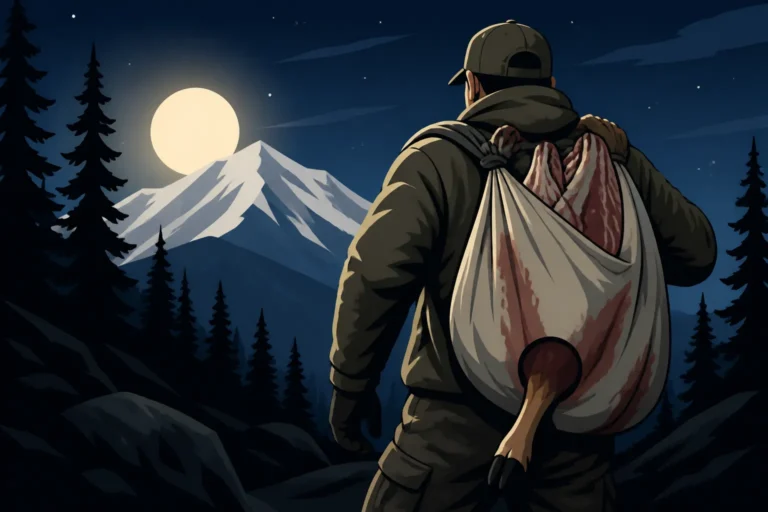
Washington hunters face darkness after dropping a deer or elk, requiring safety assessments and gear to prevent meat spoilage.
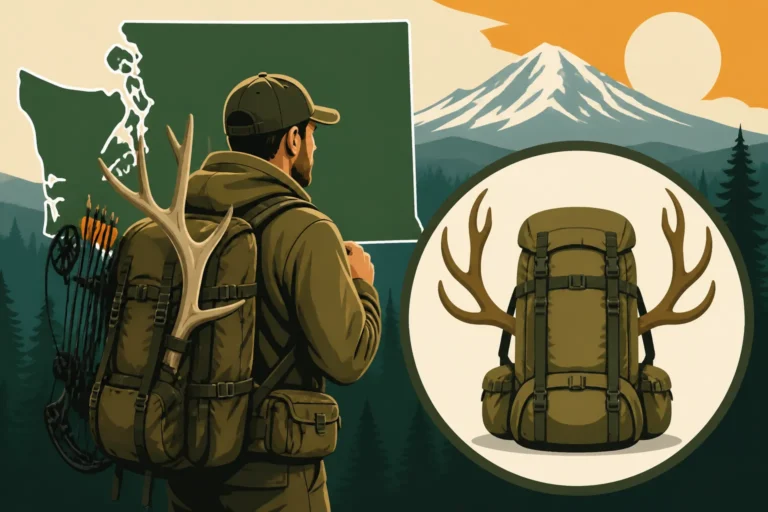
Washington backcountry hunters learn realistic maximum pack weight limits, gear management strategies, and heavy meat transport methods.
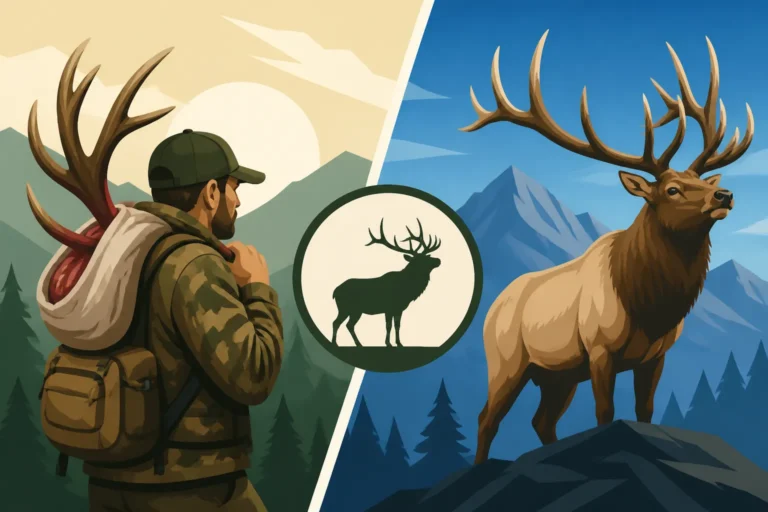
Elk packing trip counts in Washington depend on subspecies weight, hunter strength, crew size, terrain, and canyon distance.
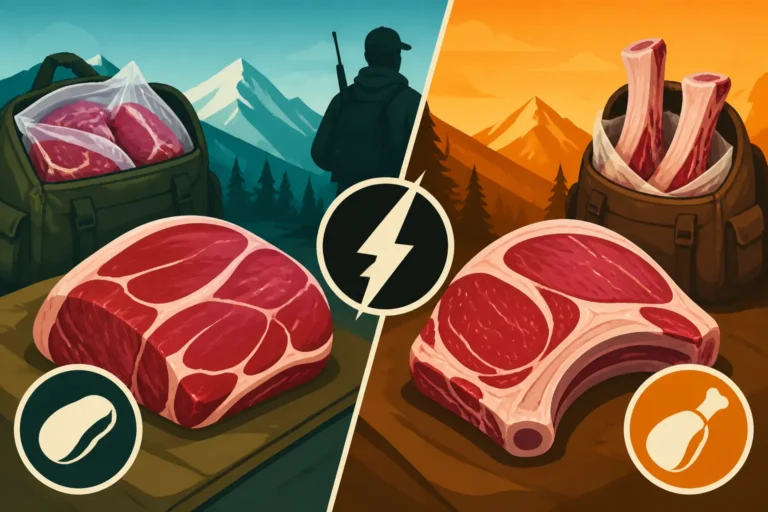
Bone-out versus bone-in packing methods for Washington hunters compared, explaining pack weight and meat quality differences.
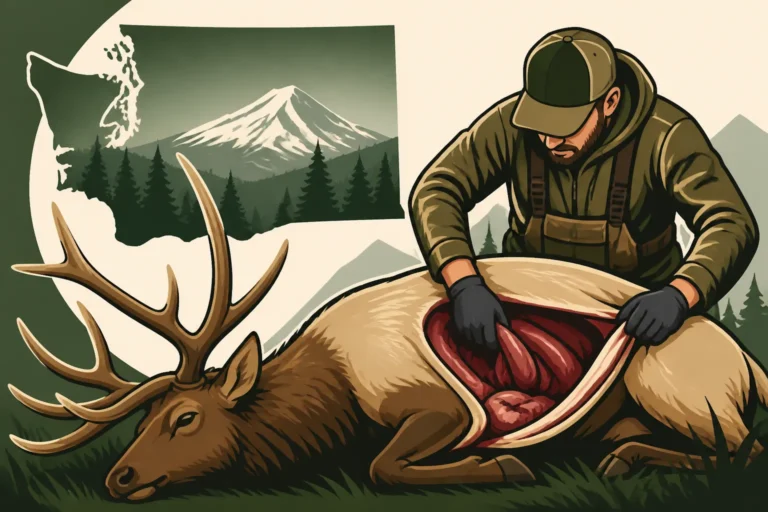
The gutless method for field dressing an elk in Washington preserves meat quality and speeds up backcountry packing without opening the abdomen.
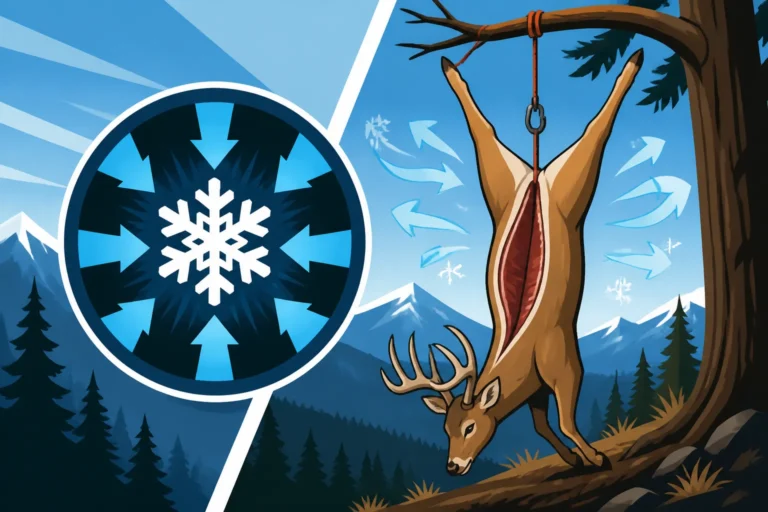
Rapid carcass cooling prevents bone sour and meat spoilage for Washington elk and deer hunters during warm early archery seasons.
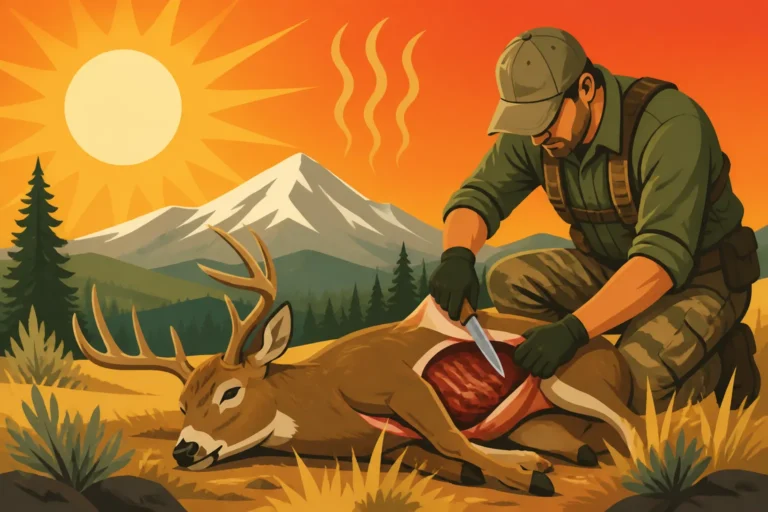
Field dressing a Washington deer in seventy-degree heat requires evisceration within sixty minutes to prevent meat spoilage.
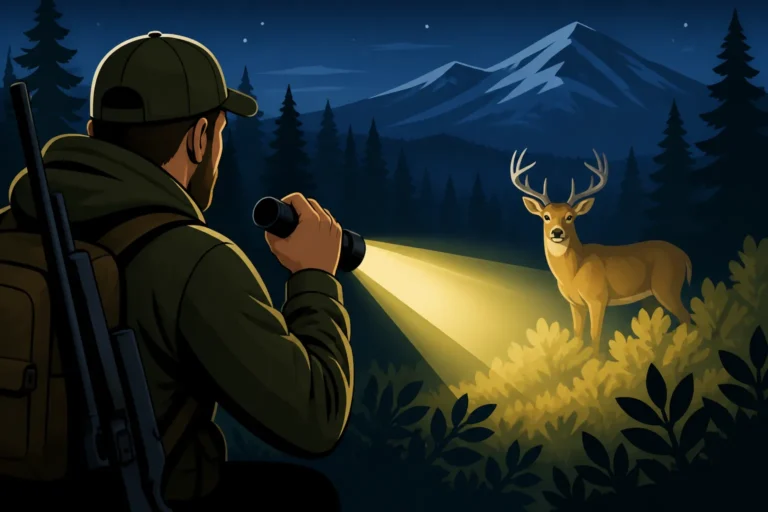
Artificial light sources help Washington hunters track wounded deer and elk after dark to prevent meat spoilage and recover game.
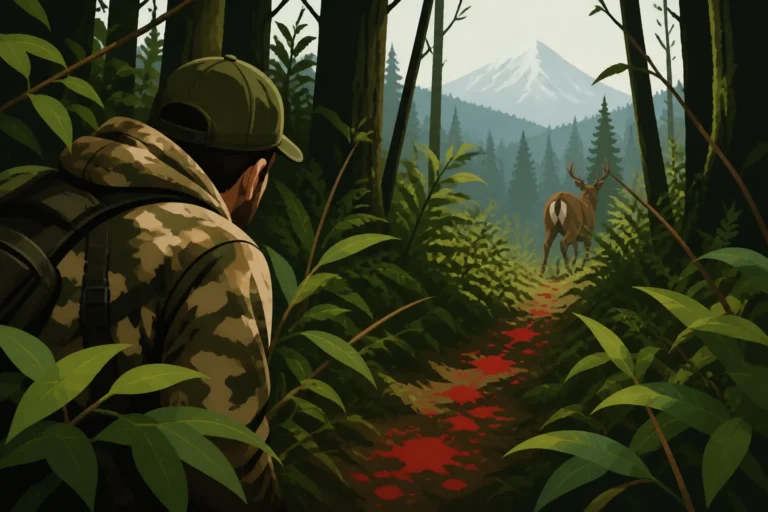
Western Washington hunters learn proven strategies to recover game by following blood trails through thick understory brush.
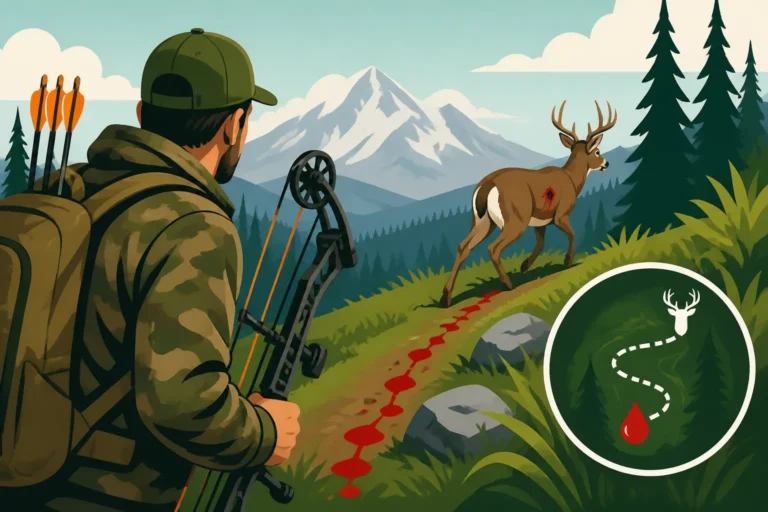
Marginal arrow hits require hunters to wait patiently, mark the shot location, and carefully analyze the blood trail.