Sage Grouse Listing Status
It can be really confusing and disheartening to try and understand the status of certain wildlife species, especially when you hear terms like "endangered" or "threatened" thrown around. For many hunters and outdoor enthusiasts in Washington, the sage grouse holds a special place, but its future, and particularly its listing status, is a complex topic often shrouded in jargon and shifting regulations. This guide aims to clear up that confusion, explaining exactly where the sage grouse stands in Washington, why its situation is so critical, and what that means for its long-term survival and for those of us who care about its future.
The Precarious State of Sage Grouse in Washington
The great sage grouse, with its striking courtship display and deep connection to the sagebrush steppe, is a truly iconic bird of the American West. However, in Washington, its situation is dire. These birds are not just another species; they are an indicator of the health of an entire ecosystem, and their dwindling numbers tell a story of significant habitat loss and fragmentation.
Historical Range and Decline
Once, vast expanses of sagebrush stretched across much of eastern Washington, providing ideal habitat for sage grouse. They thrived in these open, shrub-dominated landscapes, from the Columbia Basin up into the Okanogan Highlands and down through the Yakima Valley. Historically, sage grouse populations were widespread, and while never as numerous as, say, chukar or quail, they were a regular feature of the landscape for early settlers and hunters.
However, over the last century, human activity has drastically altered this landscape. Agricultural conversion, urban development, invasive species, and frequent, intense wildfires have chipped away at the sagebrush steppe. What were once interconnected sagebrush seas are now often islands of habitat, isolated by roads, farmlands, and residential areas. This fragmentation makes it harder for small, isolated populations to sustain themselves, leading to a genetic bottleneck and increased vulnerability to disease. The story of the sage grouse in Washington is, in many ways, a microcosm of the challenges facing sagebrush-dependent species across the West.
Current Population Status
Today, the sage grouse population in Washington is critically low, teetering on the brink. We're talking about a few small, isolated populations, primarily located in areas like the Columbia Basin, with some efforts around the Yakima Training Center and private lands in Douglas County. The total number of birds is a mere fraction of what it once was, a stark reminder of how quickly a species can decline when its specific habitat needs are not met.
These remaining populations are highly vulnerable. A single severe winter, a widespread disease outbreak like West Nile virus, or a major wildfire sweeping through their remaining habitat could easily push them over the edge. It's a constant, uphill battle for these birds, and every individual counts. Understanding these slim numbers is key to grasping why their listing status is so urgent and why conservation efforts are so vital.
Threats to Survival
The challenges facing Washington's sage grouse are multifaceted and relentless. Habitat destruction and fragmentation remain the primary culprits. When sagebrush is converted to cropland or burned by wildfire, it doesn't just reduce the available area; it eliminates the critical food sources, nesting cover, and escape routes these birds depend on. Invasive annual grasses, particularly cheatgrass, are a huge problem. They outcompete native sagebrush, alter fire regimes by increasing fuel loads, and provide less nutritional value for the grouse.
Disease, especially West Nile virus, has also taken a significant toll on these vulnerable populations. Mosquitoes carrying the virus can be deadly to sage grouse, and with smaller, more concentrated groups, an outbreak can be devastating. Furthermore, increased predation pressure in fragmented landscapes, competition with domestic livestock in some areas, and even the impacts of climate change on precipitation patterns and wildfire frequency all contribute to the ongoing decline. It's a complex web of threats that makes recovery incredibly challenging.
Understanding the Listing Process and Its Implications
When we talk about the "listing status" of a species, it's not a single, simple declaration. It involves both state and federal processes, each with its own criteria, implications, and timeline. For the sage grouse in Washington, understanding these different layers is crucial.
State Versus Federal Listing
In the United States, a species can be listed as endangered, threatened, or sensitive at both the state level (by the state wildlife agency, like Washington Department of Fish and Wildlife or WDFW) and the federal level (by the U.S. Fish and Wildlife Service, or USFWS, under the Endangered Species Act, or ESA). These two processes operate independently, though they often influence each other. A state listing primarily triggers state-level protections, conservation programs, and management directives. A federal listing, under the ESA, offers far broader protections, making it illegal to harm the species or its critical habitat, and requiring federal agencies to ensure their actions don't jeopardize its existence.
The federal ESA is considered one of the strongest conservation laws in the world, and a listing under it carries significant weight, impacting everything from land use decisions to funding for recovery efforts. The journey to a listing, at either level, is often contentious, involving extensive scientific review, public comment periods, and sometimes, even legal challenges. For the sage grouse, both state and federal actions have played a role in its current precarious status.
Washington's State Status
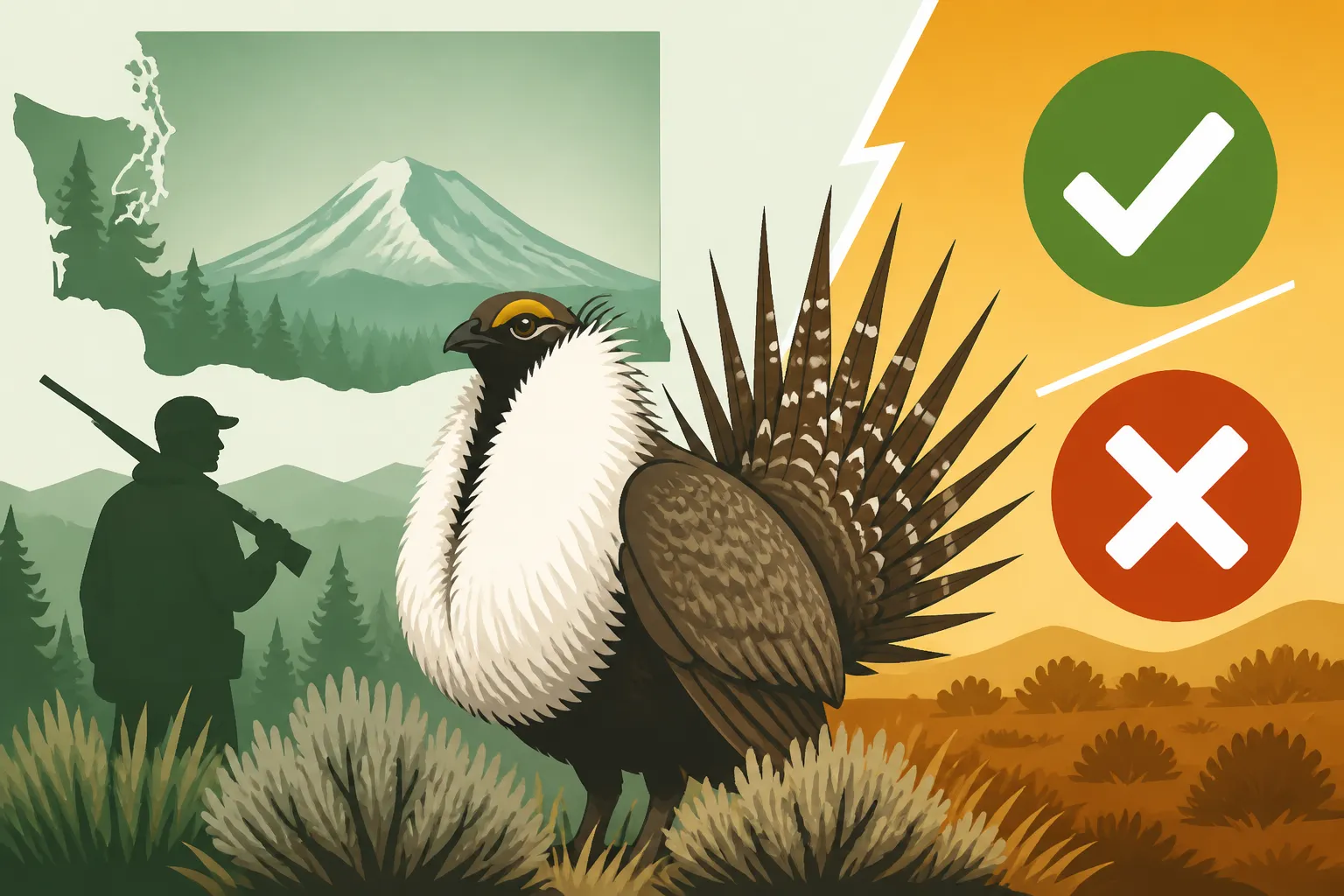
Given the alarmingly low numbers and persistent threats, the greater sage grouse is officially listed as an endangered species by the state of Washington. This designation reflects the WDFW's assessment that the species is "seriously threatened with extinction throughout all or a significant portion of its range within the state." This state-level protection is a critical first step, triggering state resources and mandates to prevent extinction and initiate recovery efforts.
What does being listed as endangered by the state actually mean? It means specific protections are in place to prevent the "take" of sage grouse, which includes hunting, harming, harassing, or killing them. It also means that state agencies must consider the sage grouse's needs in their land management decisions and are required to develop and implement recovery plans. This state listing has been in place for a long time, signaling the long-standing critical nature of the situation in Washington. It's a clear statement from the state that these birds are in deep trouble and need all the help they can get.
Federal ESA Review and Outcomes
The federal journey for the sage grouse has been a much longer and more complicated saga, playing out across its entire range in the western U.S., not just Washington. For years, the USFWS reviewed petitions to list the sage grouse under the federal Endangered Species Act. At various points, the service concluded that a listing was "warranted but precluded," meaning that while the science indicated the species deserved protection, other higher-priority species were taking precedence for federal resources. This "warranted but precluded" status was a source of frustration for many conservationists who felt the bird was being left vulnerable for too long.
Ultimately, after immense scientific review, legal pressure, and collaborative conservation efforts across multiple states, the USFWS announced in 2015 that a federal listing for the greater sage grouse was not warranted. This decision was largely based on the implementation of extensive, landscape-scale conservation plans developed by states, federal agencies (like the Bureau of Land Management), and private landowners across the bird's 11-state range. While this meant the bird didn't receive federal ESA protection, it also highlighted the massive, unprecedented conservation efforts being undertaken to avoid such a listing. For Washington, this decision meant that while the bird remains state-endangered, it does not currently have the additional, broader federal protections that come with an ESA listing. This doesn't lessen the severity of its status within Washington but changes the regulatory framework at a national level.
What This Means for Hunters and Conservation Efforts
The sage grouse's endangered status in Washington has very real implications, especially for those of us who cherish the tradition of hunting. While it closes certain doors, it opens others for engagement in critical conservation work.
Hunting Moratoriums and Restrictions
Let's get straight to the point: hunting for sage grouse in Washington is absolutely prohibited. It has been for many years, and it will continue to be as long as the species remains in its current state of critically low numbers and endangered status. This is not a temporary closure or a restricted season; it's a complete moratorium on hunting. For anyone who might recall or wish for the days when sage grouse were pursued in eastern Washington, those days are long past, and they are not expected to return until, if ever, populations rebound to sustainable levels.
This restriction is a direct consequence of the state's endangered listing, designed to remove any potential human-caused mortality from an already struggling population. It's a necessary step to give these birds even a fighting chance. While hunters often play a vital role in wildlife management through regulated seasons, in the case of Washington's sage grouse, the most important role is one of protection and support for recovery, not harvest. If you're planning any big game hunts or Washington Upland Birds and Waterfowl pursuits in eastern Washington, make sure you're always aware of what you're targeting.
Conservation and Recovery Efforts
Despite the grim picture, there are dedicated efforts underway to bring Washington's sage grouse back from the brink. The WDFW, along with federal agencies like the Bureau of Land Management and the U.S. Forest Service, private landowners, and conservation organizations, are working tirelessly on recovery. These efforts focus heavily on habitat restoration, which is the cornerstone of sage grouse survival. This includes removing invasive species like cheatgrass, planting native sagebrush, and managing grazing to improve habitat quality. Controlled burns can sometimes be used strategically to promote healthy sagebrush stands, though wildfire prevention is usually paramount.
Beyond habitat, there have been innovative programs like captive breeding and translocation, where birds from healthier populations in other states are moved to Washington to bolster local numbers and improve genetic diversity. These are often complex and expensive undertakings, but they represent a lifeline for these struggling populations. Research is also ongoing to better understand sage grouse biology, disease dynamics, and the most effective conservation strategies. For those looking to support broader conservation efforts or understand wildlife trends, GoHunt often provides insights into habitat projects and management strategies for other game species that share these eastern Washington landscapes. Understanding these shared needs is crucial.
| Threat Category | Specific Threat | Conservation Action |
|---|---|---|
| Habitat Loss | Agricultural conversion | Land acquisition, conservation easements |
| Urban development | Zoning, protected areas | |
| Invasive annual grasses (e.g., cheatgrass) | Herbicide treatment, prescribed fire, native reseeding | |
| Habitat Fragmentation | Roads, fences, power lines | Marking lines, road closures, underpasses/overpasses |
| Wildfire | Increased frequency and intensity | Fuel breaks, early detection, rapid response, strategic prescribed burns |
| Disease | West Nile Virus | Habitat management to reduce mosquito breeding, research |
| Predation | Increased predator access in fragmented areas | Habitat restoration to provide cover, predator management (targeted) |
| Climate Change | Drought, altered precipitation, extreme weather | Research, adaptive management strategies |
How Hunters Can Help
While directly hunting sage grouse is off the table, the hunting and outdoor community can play a crucial role in their recovery. Hunters are often some of the most passionate advocates for healthy wildlife populations and thriving ecosystems. One of the most impactful ways to help is by supporting conservation organizations that are actively involved in sagebrush steppe restoration. Groups like the Mule Deer Foundation, Pheasants Forever, and local land trusts often have projects that directly or indirectly benefit sage grouse habitat in Eastern Washington Hunting Country.
You can also volunteer for habitat restoration projects. Planting sagebrush, removing invasive weeds, or helping with fence modifications can make a tangible difference. Education is another powerful tool: understand the challenges, talk to others about the importance of sagebrush conservation, and report any suspicious activity or violations you might observe while out in the field. Every pair of eyes and every helping hand can contribute to the long-term survival of this magnificent bird. Resources like Using Trail Cameras to Find Washington Bulls might indirectly help understand wildlife patterns in shared habitats, even if not specifically for grouse. Being a responsible user of our public lands, particularly in areas like those in Washington Game Management Units Explained that still hold sage grouse, is always key.
The Future of Sage Grouse in Washington
The road ahead for the sage grouse in Washington is undeniably challenging, fraught with historical losses and ongoing threats. However, it's not without hope. The dedicated efforts of biologists, landowners, and conservationists provide a glimmer of optimism, reminding us that with sustained commitment, even species on the brink can begin to recover.
Hope and Challenges
The hope for sage grouse largely lies in aggressive habitat restoration and protection, coupled with careful population management. Success stories from other states, where massive landscape-scale efforts have slowed declines and even seen modest local increases, offer valuable lessons. The collaboration between diverse stakeholders – from state agencies to private ranch owners and volunteer groups – is the engine driving this hope. Without a united front, the challenges would be insurmountable.
However, the challenges are equally immense. The sheer scale of habitat loss, the pervasive threat of cheatgrass, and the increasing intensity of wildfires are constant battles. Recovering a species that relies on such a specific and often degraded habitat is a marathon, not a sprint. Furthermore, the genetic isolation of Washington's remaining populations makes them particularly vulnerable, meaning that even small setbacks can have magnified impacts. The ability to monitor these populations effectively, perhaps using data insights similar to those GoHunt provides for huntable species, is crucial for adaptive management.
Monitoring and Research
Continuous monitoring and scientific research are absolutely critical to the sage grouse's long-term survival in Washington. WDFW biologists regularly conduct counts, often using lek surveys (where males gather to perform courtship displays), to estimate population numbers, assess reproductive success, and track trends. These surveys, often carried out in the early morning light, are labor-intensive but provide vital data on the health of the remaining populations.
Researchers are also studying genetic diversity, movement patterns, and disease prevalence to better inform conservation strategies. Understanding how sage grouse use different parts of their habitat at various times of the year helps land managers make smarter decisions about everything from grazing rotations to fire suppression. This data-driven approach is essential for ensuring that limited resources are directed to the most effective recovery actions. Hunters interested in the broader picture of wildlife management might find resources like Washington Wildlife Disease Surveillance or Washington Harvest Reporting Requirements provide context on how agencies track and respond to population health issues, even if not directly for sage grouse. Protecting critical winter range, much like Washington Winter Range Closures That End Late Hunts for deer and elk, is also a vital component for sage grouse survival.
Disclaimer
This article is for general informational purposes only and does not constitute professional advice. Laws, prices and regulations vary by location and change over time. Consult a qualified professional for guidance on your specific situation.