California Bighorn Sheep in Washington
Hunting California bighorn sheep in Washington is one of those experiences that many dream about but few ever realize. It’s not just the challenge of navigating their rugged, steep habitat, but the sheer unlikelihood of drawing one of the incredibly rare tags. For many, even spotting these magnificent animals in their natural element is a huge accomplishment, and for those fortunate enough to hold a tag, the preparation and respect for the animal and its environment are paramount. This guide aims to pull back the curtain on these iconic Washington residents, exploring their history, their homes, the threats they face, and what it truly means to pursue them in our wild landscapes.
The Majestic California Bighorn Sheep in Washington
There's something truly awe-inspiring about seeing a bighorn sheep, especially a mature ram with those massive, curling horns, perched effortlessly on a precipice that would make most of us dizzy. In Washington, we're lucky to have a population of California bighorn sheep (scientifically known as Ovis canadensis californiana), a distinct subspecies that calls our craggy, arid mountains home. They represent a remarkable comeback story, a testament to dedicated conservation efforts, and a symbol of the wild spirit of our state.
A Glimpse into Washington's Bighorn History
It's a bittersweet part of our state's history, but bighorn sheep were actually extirpated from Washington by the early 1900s. Years of unregulated hunting, disease spread from domestic livestock, and habitat encroachment took a devastating toll. Imagine, these rugged animals, once ranging across many of our eastern mountain ranges, completely vanished. The silence must have been profound. Thankfully, starting in the 1930s, and with more significant efforts in the 1950s and beyond, Washington Department of Fish and Wildlife (WDFW) and various partners began reintroducing California bighorns from other states and even Canada. It was a painstaking process, moving animals to suitable habitat and hoping they would take root. The success we see today, with small but stable herds, is a direct result of these long-term, committed conservation programs. They remind us that with effort, we can sometimes right past wrongs and bring back species to their native lands.
Physical Characteristics and Adaptations
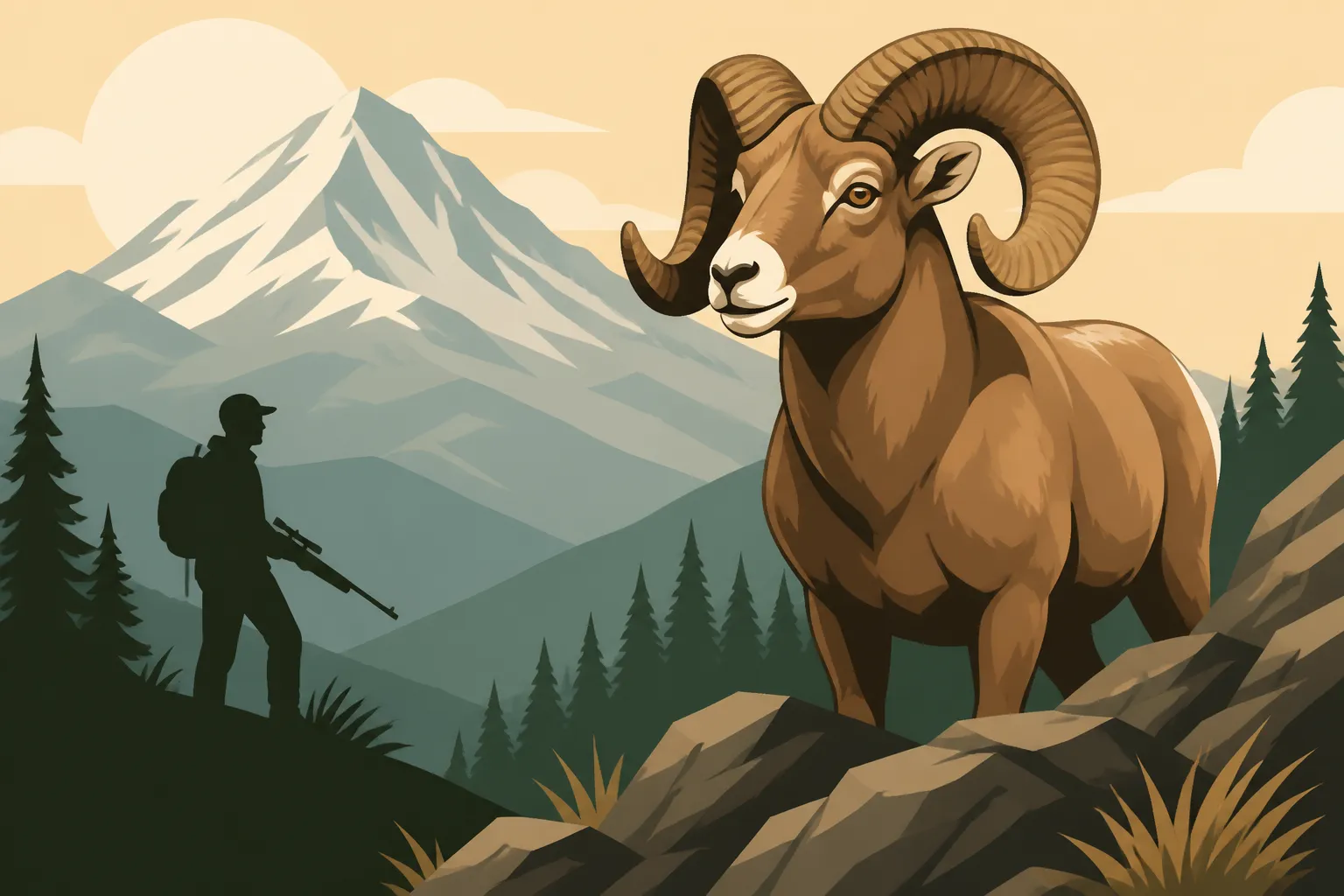
California bighorn sheep are perfectly engineered for the harsh, unforgiving environments they inhabit. Picture this: a muscular, stocky body, covered in a coarse, brownish-gray coat that provides excellent camouflage against rock and dirt. Their underbellies, rumps, and muzzles are typically white, creating a stark contrast. But what truly sets them apart, especially the rams, are those incredible horns. Made of keratin, much like our fingernails, they grow continuously throughout the sheep's life, forming impressive, sweeping curls. Rams’ horns can weigh upwards of 30 pounds and are used in spectacular head-butting contests during the rut to establish dominance. Ewes also have horns, though they are much smaller and more slender.
Beyond their impressive headgear, their hooves are a marvel of natural engineering. They're cloven, with rough, pliable soles that act like natural grip tape, allowing them to cling to steep, rocky terrain with astonishing agility. The hard outer edge of the hoof provides traction, while the softer inner pad acts as a shock absorber. This specialized design means they can navigate treacherous cliffs and rocky outcrops that would be impossible for most other animals, letting them access vital forage and escape from predators in terrain no other creature can follow.
Preferred Habitats Across the State
If you want to find California bighorns in Washington, you need to look up – way up! These sheep are true mountaineers, preferring a very specific type of habitat: rugged, steep, broken country characterized by rocky slopes, cliffs, and sparse vegetation. They thrive in arid, open landscapes that offer good visibility to spot predators, combined with immediate access to escape terrain. Think high-elevation grasslands and shrub-steppe ecosystems, often bordering dense timber, but rarely actually in the deep timber.
You'll typically find them on the eastern side of the Cascade Mountains and in the northeastern corners of the state. These areas provide the perfect blend of escape cover (the steep cliffs), nutrient-rich forage in alpine meadows and shrublands, and the open vistas they need to feel secure. Areas like the Sinlahekin Wildlife Area, the Chelan Mountains, and sections of the Blue Mountains provide crucial habitat for these herds, and understanding these specific preferences is key to successful E-Scouting Washington GMUs Before the Draw. They're not going to be grazing in a flat pasture; they'll be on that dizzying slope you thought was impassable.
Where Washington's California Bighorn Herds Roam
While not as widespread as our deer or elk populations, Washington's California bighorn sheep herds are carefully managed in several distinct areas. These populations are precious, and their locations are often tied to specific geographic features that provide ideal habitat and isolation, crucial for managing disease risk.
Key Mountain Ranges and Designated Units
Washington is home to several distinct bighorn sheep herd units, primarily concentrated in the central and eastern parts of the state. The Okanogan region, particularly the Sinlahekin and Chelan Mountains, holds some of the most significant populations. Here, the mix of steep, rocky canyons and high-desert plateaus provides prime habitat. The Chelan Butte area is another well-known spot, with herds often visible from public roads, though don't mistake visibility for accessibility – these sheep live in genuinely rugged country. Further south, the Umtanum and Tieton herds near Yakima represent important populations in the shrub-steppe canyons of the eastern Cascades foothills. In the northeastern corner, the Hall Mountain herd offers a more isolated population in the Selkirk Mountains.
These distinct herd units are the focus of WDFW's management efforts, each with its own specific challenges and successes. When applying for a special permit, you'll be selecting from these very specific Game Management Units, or GMUs, each with unique characteristics and draw odds. It’s a very different ballgame than general season elk or deer hunting, which spans much larger regions. Understanding the specific characteristics of these Washington Game Management Units Explained is the first step to even dreaming about a bighorn tag.
Population Dynamics and Conservation Efforts
The population numbers for California bighorn sheep in Washington are relatively small compared to other big game species, often numbering in the low thousands statewide across all herds. These numbers are carefully monitored by WDFW through aerial surveys, ground counts, and telemetry studies. The goal is to maintain healthy, stable, and genetically diverse populations while being extremely cautious about expansion, primarily due to the ever-present threat of disease.
Conservation efforts are continuous and multifaceted. They include habitat improvement projects, such as prescribed burns to enhance forage quality and reduce conifer encroachment into traditional bighorn range. WDFW also conducts extensive research into bighorn health, particularly focusing on pneumonia outbreaks, and works to mitigate human-wildlife conflicts. A significant part of these efforts involves managing access and interactions, especially concerning domestic sheep and goats, to prevent disease transmission. It's a delicate balance, and every decision is weighed heavily against the long-term health of these vulnerable herds.
Challenges Faced by These Iconic Animals
Despite the successes in reintroduction and management, Washington's California bighorn sheep face considerable challenges that threaten their long-term viability. The most devastating and persistent threat is disease, particularly respiratory pathogens like Mycoplasma ovipneumoniae (M. ovi), which can be transmitted from domestic sheep and goats. These diseases are often benign in domestic animals but can cause severe pneumonia, high mortality rates, and significant lamb die-offs in bighorn herds, sometimes wiping out an entire cohort of lambs or drastically reducing herd numbers. You can learn more about the devastating impact of Bighorn Pneumonia Die-Offs in Washington and the ongoing efforts to combat it.
Beyond disease, habitat fragmentation and loss due to human development, roads, and changes in land use reduce the available suitable range and can isolate herds, limiting genetic exchange. Climate change also plays a role, altering vegetation patterns and water availability. Predation from cougars, coyotes, and sometimes bears also affects lamb survival, though it's typically a secondary factor compared to disease. These challenges require constant vigilance and adaptive management strategies from WDFW and its conservation partners to ensure these iconic animals continue to thrive in our mountains.
Understanding Bighorn Behavior and Ecology
To truly appreciate Washington's California bighorn sheep, and to even have a remote chance of locating them if you're lucky enough to draw a tag, you need to understand how they live. Their behavior is deeply intertwined with their environment, a complex dance of survival in some of the state's most unforgiving landscapes.
Social Structures and Herd Dynamics
California bighorn sheep are highly social animals, though their herd structures vary by age and sex. Ewes (females) and lambs typically form larger, cohesive groups, often led by an older, experienced ewe. These nursery bands provide safety in numbers, with multiple sets of eyes and ears to detect predators. Lambs, usually born in late spring, stay with their mothers for several months, learning crucial survival skills from the herd. Rams (males), particularly mature ones, tend to form bachelor groups outside the breeding season. These ram groups are usually smaller and more fluid, but they remain near prime ewe habitat.
During the rut, which typically occurs from late fall into early winter, these social structures shift dramatically. Rams will leave their bachelor groups and join the ewe bands, engaging in spectacular displays of dominance that involve crashing their massive horns together. This is when the pecking order is established, and the strongest rams win the right to breed. After the rut, rams often separate again, returning to their bachelor groups or solitary existence until the next breeding season. Observing these behaviors is truly one of the most remarkable aspects of these animals.
Seasonal Movements and Foraging Patterns
Bighorn sheep are not typically known for long, extensive migrations like some elk herds, but they do exhibit seasonal movements driven by forage availability and weather conditions. In spring and summer, they often move to higher elevations, seeking out lush alpine meadows and open slopes where new growth provides abundant, nutritious forage. They are grazers, feeding primarily on grasses, forbs, and shrubs. They are incredibly efficient at extracting nutrients from sparse vegetation.
As fall progresses and winter approaches, bighorns will typically descend to lower elevations, often utilizing south-facing slopes that melt off snow faster. Here, they'll browse on woody shrubs and whatever dried grasses remain exposed. Their ability to survive harsh winters is impressive, but deep, persistent snow can be a significant challenge, limiting access to food and making them more vulnerable. These movements are critical, and hunters must factor in these patterns; Late-Season Hunting in Washington Snow for bighorns would require knowing their wintering grounds. Their ability to survive on seemingly barren rock faces is truly a testament to their resilience.
Reproduction and Lamb Survival
The reproductive cycle of California bighorn sheep is finely tuned to their environment. As mentioned, the rut occurs in the late fall or early winter, with gestation lasting around six months. This timing ensures that lambs are born in the spring, typically April through June, when green-up provides a flush of nutritious forage for the lactating ewes and the growing young. Ewes usually give birth to a single lamb, though twins are rare but possible. Lambs are precocial, meaning they are relatively well-developed at birth, able to stand and follow their mothers within hours.
Lamb survival is a critical factor in the health and growth of a bighorn herd. Early lamb mortality can be high, influenced by factors such as severe weather, predation, and critically, disease. As discussed, outbreaks of pneumonia can decimate lamb crops, setting back herd recovery for years. The first few weeks of a lamb's life are the most vulnerable, and their ability to quickly develop the climbing skills of their parents is essential for escaping danger. Robust lamb recruitment is a key indicator of a healthy, thriving bighorn population.
The Rare Opportunity to Hunt Washington Bighorn
Hunting California bighorn sheep in Washington is truly a once-in-a-lifetime endeavor for most, if not an entire lifetime spent dreaming. The number of permits issued each year is extremely limited, reflecting the precious nature of these herds and the intense management required to sustain them.
Special Permit Application Process
If you're serious about hunting Washington bighorn, you need to understand the special permit application process inside and out. Unlike general season tags that you can buy over the counter, bighorn sheep tags are allocated through a highly competitive lottery draw. Prospective hunters must apply during the designated Washington's April 20 to May 27 Application Window each year. You submit an application, typically online through the WDFW WILD system, selecting your preferred hunt choices by GMU and weapon type. It's crucial to research the specific units and their past success rates, though even "good" units have astronomically low odds.
A growing number of hunters use resources like GoHunt to analyze draw odds, herd data, and unit characteristics before making their choices. These platforms aggregate years of data to help you make the most informed decision possible, which is vital when the stakes are so high. The application fee, while modest, is a small price to pay for the chance at such an experience. You can typically apply for a bighorn sheep permit along with other special permits for species like moose and mountain goat, but remember, Washington does not use a preference point system, meaning everyone has an equal chance each year, regardless of how many years they've applied.
Draw Odds and the Trophy of a Lifetime
Let's be blunt: the draw odds for a California bighorn sheep permit in Washington are abysmal. We're talking percentages that are often well below 1%, sometimes even closer to 0.1% depending on the unit and year. It's not uncommon for WDFW to issue fewer than 10 bighorn permits statewide annually, making it one of the rarest tags in North America. This is why it’s often called a "lottery tag" – because it truly feels like winning the lottery when your name is drawn. Many dedicated hunters apply for decades without ever drawing a tag. Looking at Washington Bighorn Sheep Permit Numbers over the years can be a sobering exercise, highlighting just how few opportunities exist.
Beyond the regular draw, WDFW also offers a limited number of raffle permits for bighorn sheep, which provide another avenue for a lucky hunter. These raffle tickets are often more expensive but offer a slightly different set of odds, and sometimes the hunt parameters (dates, areas) can be more flexible. For many, drawing a bighorn tag represents the pinnacle of their hunting career, a chance to pursue an iconic species in some of the most challenging terrain imaginable. The true trophy isn't just the animal, but the entire experience: the months of preparation, the rigorous scouting, and the sheer grit required to hunt in bighorn country. Using platforms like GoHunt can give you an edge in understanding the nuanced odds, even if they are stacked against you.
Ethical Hunting Practices and Regulations
For those incredibly fortunate hunters who do draw a California bighorn sheep tag, ethical hunting practices and strict adherence to regulations are non-negotiable. This is not just about legality; it's about respecting the animal, the resource, and the conservation efforts that make these hunts possible. Before heading out, thoroughly review the current WDFW big game pamphlet for specific unit rules, season dates, and legal equipment. Washington has specific rules regarding Washington's Legal Equipment Rules by Weapon, especially important for special permit hunts.
Shot placement is absolutely critical on bighorns, given their challenging habitat. A wounded animal in steep, rocky terrain can lead to an impossible recovery. Hunters should practice extensively, especially for uphill and downhill shots common in bighorn country. If you do harvest a bighorn, responsible meat care and full utilization of the animal are expected. Additionally, many bighorn hunts involve significant physical exertion and often require packing meat out of incredibly rugged, remote areas, making Packing an Elk Out of Washington's Backcountry seem like a walk in the park by comparison. Respect for private property, public land rules, and fellow outdoors enthusiasts is also paramount. A bighorn hunt is a privilege, and every hunter must act as an ambassador for conservation.
Threats to Washington's Bighorn Future
While the reintroduction of California bighorn sheep to Washington has been a conservation success story, their future is by no means guaranteed. Several significant threats loom large, requiring ongoing vigilance and adaptive management to ensure these magnificent animals continue to grace our mountains.
Disease Transmission from Domestic Sheep
This is, without a doubt, the single greatest threat to bighorn sheep populations in Washington and across the West. The bacterium Mycoplasma ovipneumoniae (M. ovi), often carried by domestic sheep and goats without causing severe illness in them, is devastating to wild bighorns. When wild bighorns come into contact with domestics, the disease can spread rapidly through the herd, causing severe pneumonia outbreaks, particularly in lambs. These outbreaks can lead to high mortality rates, sometimes wiping out nearly all the lambs in a given year and severely setting back herd growth.
The solution is complex and often contentious, requiring strict separation between domestic and wild sheep. This can involve strategic grazing management, fencing, and even relocating domestic herds away from bighorn habitat. For an in-depth look at this issue, research Why Domestic Sheep Threaten Bighorns. This isn't about blaming ranchers; it's about managing a biological incompatibility that can have catastrophic consequences for our wild bighorn populations. Maintaining viable corridors for bighorn movement while preventing contact with domestics is a constant, uphill battle for wildlife managers.
Habitat Loss and Human Encroachment
While bighorns thrive in rugged, remote areas, they are not immune to the impacts of human development and expansion. Habitat loss and fragmentation pose a long-term threat. As human populations grow and expand into traditional bighorn range, roads, homes, and other infrastructure can break up continuous habitat, isolating herds and limiting their ability to move freely. This isolation can lead to reduced genetic diversity and make herds more vulnerable to localized threats.
Increased recreational use of bighorn habitat, from hiking and mountain biking to off-road vehicles, can also disturb sheep, pushing them off critical feeding areas or escape terrain, particularly during sensitive times like lambing or harsh winters. While Public Land Hunting in Washington: Forest, DNR and BLM is a treasured right, responsible recreation and minimizing disturbance are vital for these sensitive animals. It's a delicate balance of providing access for people to enjoy these areas while ensuring the animals that call them home can thrive without undue stress.
Predation and Other Natural Factors
While disease is the primary concern, predation also plays a role in bighorn population dynamics, particularly affecting lamb survival. Cougars are the most significant natural predators of bighorn sheep, and their presence can certainly impact herd numbers. Occasionally, coyotes and bears may also prey on lambs. However, bighorns have evolved in the presence of predators, and their escape terrain offers them a significant advantage. It's when other factors like disease or habitat limitations weaken a herd that predation can have a more pronounced impact.
Other natural factors, such as severe winter weather, can also take a toll. Deep snow and prolonged cold can limit access to forage, leading to starvation and increased vulnerability to disease. Conversely, prolonged droughts can reduce water sources and forage quality. While these are natural ecological processes, when combined with human-induced stressors, they can exacerbate the challenges faced by Washington's bighorn sheep. Long-term monitoring and research are essential to understand the complex interplay of these factors and to implement effective conservation strategies.
| Herd Unit | Primary Location | Estimated Population (Approx.) | Key Challenges | Hunting Opportunity |
|---|---|---|---|---|
| Sinlahekin | Okanogan Co. | 250-350 | Disease, habitat fragmentation | Limited permit draw |
| Chelan Butte | Chelan Co. | 150-250 | Disease, human disturbance | Limited permit draw |
| Umtanum | Yakima Co. | 100-150 | Disease, limited winter range | Limited permit draw |
| Tieton | Yakima Co. | 80-120 | Disease, habitat connectivity | Limited permit draw |
| Hall Mountain | Pend Oreille Co. | 50-80 | Isolation, disease risk from domestics | Very limited draw |
| Asotin Creek | Asotin Co. (Blue Mtns) | 50-70 | Disease, habitat quality | Very limited draw |
Note: Population numbers are estimates and can fluctuate annually based on lamb recruitment, disease events, and environmental factors. Refer to current WDFW reports for the most up-to-date data.
Disclaimer
The information provided in this guide is for general informational purposes only and is not intended as legal advice or an endorsement of any specific hunting method or product. Hunting regulations, seasons, and access can change rapidly. Always consult the most current Washington Department of Fish and Wildlife (WDFW) regulations and official sources before planning any hunting activity. Ethical hunting practices and safety should always be your top priorities in the field.