Washington Backcountry Camp Gear
Venturing into Washington's vast backcountry for a hunting trip is an experience unlike any other, but let's be honest, it can also be incredibly daunting. The weather shifts in an instant, the terrain can be brutal, and forgetting even one critical piece of gear can turn an epic adventure into a miserable, even dangerous, ordeal. This guide is all about helping you cut through the confusion and meticulously plan your backcountry camp gear, ensuring you're prepared for whatever the Washington wilderness throws your way, from damp western timber to frosty eastern mountains.
Understanding Washington's Backcountry Camp Environment
Hunting in Washington means dealing with an incredibly diverse landscape and a climate that keeps you on your toes. It's not like hunting the open plains where the weather might be predictable for days on end. Here, you can go from a crisp, sunny morning to a torrential downpour or a sudden snow squall by lunchtime, especially in the high country. Ignoring these environmental realities when planning your camp gear is a recipe for disaster, and nobody wants to be shivering miserably in a flimsy tent while a bull elk is bugling just over the ridge.
The Impact of Washington's Climate on Gear Choices
When we talk about Washington's climate, we're really talking about two distinct worlds: the wet, temperate west side and the drier, more extreme east side. On the west side, think persistent drizzle, heavy rain, and dense, humid fog. Gear here needs to be waterproof, quick-drying, and durable enough to withstand constant moisture. Mildew is a real concern, and anything that absorbs water and holds it will be a major detriment to your comfort and safety. You might get lucky with a dry spell, but counting on it is folly.
The east side, in contrast, often presents colder, drier conditions, especially as you move into the higher elevations or late seasons. You might encounter crisp, clear days with freezing nights, or sudden heavy snowfalls. Here, insulation becomes paramount, and while waterproof outer layers are still crucial for snow or unexpected rain, the focus shifts more towards warmth and dealing with dry cold. Wind is also a much bigger factor in the open spaces of eastern Washington, necessitating shelters that can really batten down. Your choice of sleeping bag, for example, needs to reflect these temperature swings; a bag suitable for a September archery hunt in the Olympics might leave you chattering your teeth in the Blue Mountains in October.
Navigating Diverse Terrain and Access Challenges
Washington's hunting grounds offer a smorgasbord of terrain. You could be deep in the moss-draped, steep slopes of the Willapa Hills, picking your way through a clearcut on DNR land, or hiking high into the granite peaks of the Pasayten Wilderness. Each of these environments dictates different gear needs and packing strategies. Dense brush means you need durable outer fabrics that won't tear easily. Rocky, high-elevation terrain demands sturdy boots and robust tent footprints. Long approaches into wilderness areas like the Wenaha-Tucannon Wilderness mean every ounce in your pack counts, and you'll prioritize lightweight, compact gear.
Access to many prime hunting areas also influences your camp setup. Are you able to drive close to your intended campsite, or is it a multi-mile hike-in? Many of Washington's "Green Dot" roads allow vehicle access, but others are gated, turning what looks like an easy truck camp into a strenuous pack-in. Understanding these road and access rules is crucial, and mapping tools can be a huge help here. Before you even think about what tent to bring, you should be E-Scouting Washington GMUs Before the Draw and identifying potential campsites and access points. This initial legwork often means the difference between a successful, comfortable hunt and one fraught with unnecessary challenges.
Shelter Systems for Washington's Diverse Conditions
When you're out in the Washington backcountry, your shelter isn't just a place to sleep; it's your refuge from the elements. It's where you dry out, warm up, and recharge for the next day's hunt. Picking the right one is paramount, and what works for a quick solo spike camp might be totally inadequate for a week-long base camp with a hunting partner. The specific environment you're heading into, be it the wet western timber or the windy eastern mountains, should be the primary driver of your shelter choice.
Lightweight Tents for Spike Camps and Solo Hunts
For those fast-and-light hunts, or when you're setting up a spike camp away from the main base camp, a lightweight backpacking tent is often your best friend. These tents prioritize minimal weight and packed size, making them easy to carry deep into the wilderness. Think about a two-person tent for solo use to give yourself a bit more space for gear, especially if you're dealing with wet clothes. Look for models with a good vestibule area; this is invaluable for stashing wet boots, muddy packs, and cooking out of the rain. A high waterproof rating on both the fly and the floor is non-negotiable for Washington, and sealed seams are critical.
However, lightweight often means sacrificing some durability and interior space. You're not going to be standing up in these tents, and if the weather turns truly nasty for multiple days, the cramped quarters can start to feel a bit claustrophobic. They're excellent for mobility and short-duration stays, allowing you to chase elk or deer aggressively. If you're heading into areas with particularly abrasive ground, like volcanic rock fields in the eastern Cascades, a robust footprint or ground tarp is an absolute must to protect the tent floor. Remember, one small tear in the floor can lead to a very damp night.
Robust Wall Tents and Larger Basecamp Shelters
When you're establishing a more permanent base camp, perhaps for a family hunt or a group trip, or if you simply prefer more comfort and space, a wall tent or a larger, more robust expedition-style tent becomes the clear choice. These shelters offer standing room, ample space for cots, gear, and often, a wood stove – which is a game-changer for drying clothes and staying warm during cold, late-season hunts. Wall Tent and Stove Setup is something you'll definitely want to read up on if you're considering this option. Imagine coming back to a warm, dry tent after a long day of tracking elk through November snow; it's a morale booster that can't be overstated.
The trade-off, of course, is weight and portability. Wall tents are heavy and require significant effort to pack in, often necessitating horse or llama packing, or at least a vehicle accessible camp. They demand a much larger footprint and a more involved setup process. However, for an extended stay, especially in challenging weather conditions, the comfort and resilience they offer are unparalleled. They stand up to high winds and heavy snow loads far better than a lightweight backpacking tent, providing a truly reliable sanctuary in the backcountry. This is the kind of setup that allows you to ride out a multi-day storm in relative comfort, rather than just hunkering down and wishing you were home.
Tarps and Minimalist Shelters for Ultra-Light Backpacking
For the truly minimalist hunter, or those looking to shave every possible ounce, a tarp or ultralight bivy sack can provide adequate shelter. This approach is not for the faint of heart or the inexperienced, especially in Washington's fickle climate. A well-pitched tarp can offer surprising protection from rain and wind, and when paired with a bivy sack, it can create a surprisingly comfortable individual setup. The beauty of a tarp is its versatility; it can be pitched in countless configurations to adapt to terrain and weather.
However, the lack of bug protection (unless you have a bug net bivy) and privacy can be a downside. Condensation can also be an issue if not managed properly. This setup demands a keen understanding of weather patterns and knot-tying skills to ensure it stays taut and secure through the night. It's often favored by solo hunters who prioritize speed and stealth above all else. For most Washington hunters, especially those new to backcountry camping, a proper tent offers a much greater margin of safety and comfort. But for those who embrace the challenge, a tarp setup can be incredibly liberating, allowing you to move through the landscape with unmatched agility.
| Shelter Type | Primary Benefit | Washington Use Case | Considerations |
|---|---|---|---|
| Lightweight Tent | Portability, weather protection | Solo spike camps, aggressive multi-day hunts | Limited space, potential for less durability |
| Wall Tent / Large Expedition Tent | Comfort, space, warmth (with stove) | Base camps, group hunts, late-season endeavors | Heavy, requires vehicle access or stock, complex setup |
| Tarp / Bivy | Ultra-light, versatile | Extreme minimalist hunts, stealth camping | Less protection from bugs/wind, requires skill |
Sleeping Systems: Staying Warm and Comfortable
After a long day of trekking through Washington's varied terrain, often pushing yourself physically and mentally, a good night's sleep is not a luxury—it's a necessity. Your sleeping system is your personal sanctuary, and getting it wrong can quickly sap your energy, diminish your morale, and even put your safety at risk. The cold ground, damp air, and often dramatic temperature drops in the Washington backcountry demand a thoughtful approach to staying warm from dusk till dawn.
Choosing the Right Sleeping Bag for Washington's Temperatures
The most crucial component of your sleeping system is, undoubtedly, your sleeping bag. Washington's hunting seasons can span from late August's mild nights to November's frigid, snowy conditions. Consequently, one sleeping bag simply won't cut it for all scenarios. You'll want to pay close attention to the temperature rating, which indicates the lowest temperature at which the average person will sleep comfortably. For early archery seasons, a bag rated for 20-30°F might suffice, but if you're venturing out for Late-Season Hunting in Washington Snow, you'll likely need a bag rated for 0°F or even colder.
Beyond the temperature rating, consider the fill: down or synthetic. Down offers an incredible warmth-to-weight ratio and compresses beautifully, making it ideal for backpack hunting. However, down loses its insulating properties when wet, which is a significant concern on Washington's often-damp west side. Many modern down bags use hydrophobic down treatments to mitigate this, but it's still something to be aware of. Synthetic bags, while generally heavier and bulkier, retain much of their warmth even when damp. If you're frequently in very wet conditions or on a tighter budget, a good quality synthetic bag might be a more robust choice. Always consider the potential for unexpected cold snaps; it's always better to be slightly over-prepared for warmth than dangerously under-prepared.
Sleeping Pads: Insulating from the Cold Ground
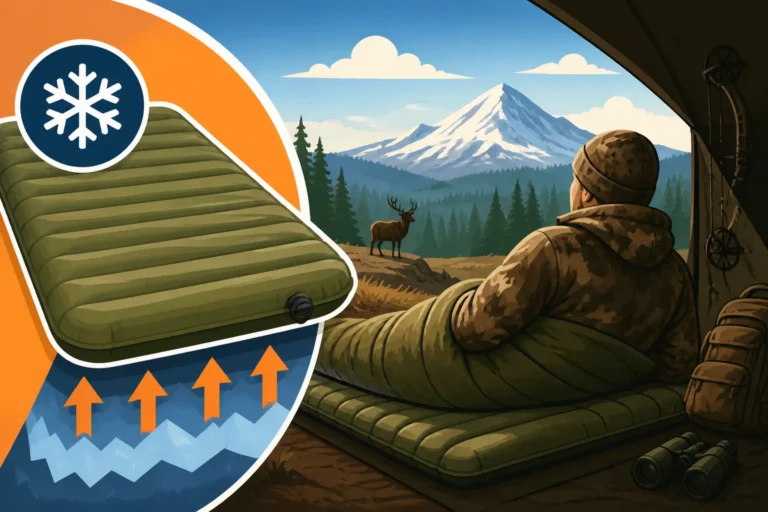
A common rookie mistake is to invest heavily in a top-tier sleeping bag but skimp on the sleeping pad. This is a critical error, especially in Washington. A significant amount of heat loss occurs through conduction into the cold ground. Your sleeping pad isn't just for comfort; it's primarily for insulation. This is measured by its R-value, with higher numbers indicating better insulation. For mild shoulder seasons, an R-value of 2-3 might be okay, but for anything approaching freezing, you'll want an R-value of 4 or higher. For true winter conditions or if you're a cold sleeper, an R-value of 5+ or even layering two pads can be beneficial.
There are various types of sleeping pads: inflatable, self-inflating, and closed-cell foam. Inflatable pads offer the best comfort and often the highest R-values for their weight, but they are susceptible to punctures, which can be devastating in the backcountry. Always carry a small patch kit. Closed-cell foam pads are virtually indestructible, lightweight, and provide reliable insulation, though they aren't as comfortable and don't pack down small. Many experienced hunters will use a closed-cell foam pad directly on the ground for protection and a base layer of insulation, then place a more comfortable inflatable pad on top. This combination provides excellent insulation and comfort, while protecting your valuable inflatable pad from ground hazards.
Camp Pillows and Other Comfort Items
While not strictly necessary for survival, a camp pillow can dramatically improve the quality of your sleep, which in turn enhances your performance and enjoyment on the hunt. There are many compact, inflatable pillows available that pack down to almost nothing. Some hunters prefer to use a stuff sack filled with spare clothes, but a dedicated pillow offers consistent comfort. Beyond a pillow, think about how you manage your clothes at night. Many hunters will keep their next day's hunting clothes inside their sleeping bag or at the foot of it to warm them up, making the morning less of a shock.
For particularly cold nights, a sleeping bag liner can add several degrees of warmth and also help keep your sleeping bag cleaner. These are lightweight and easily washable, extending the life of your primary sleeping bag. Some hunters even bring a small, lightweight sit pad for glassing or resting during the day, which can double as extra insulation for your core if you get really cold in camp. These small comfort items, though seemingly minor, contribute significantly to overall well-being and can make the difference between enduring a hunt and truly enjoying it.
Cooking and Hydration in the Wild
Fueling your body and staying properly hydrated are non-negotiables for any successful backcountry hunt in Washington. The physical demands of navigating steep terrain, often with a heavy pack, mean your caloric and fluid intake must be consistently high. Skimping on your cooking and hydration setup can leave you drained, prone to mistakes, and miserable. Plus, there's something incredibly satisfying about a hot meal or a steaming cup of coffee in a remote camp, especially when the weather isn't cooperating.
Portable Stoves and Fuel for Backcountry Meals
Your choice of portable stove will largely depend on the duration of your hunt, the group size, and the type of fuel you prefer. Canister stoves are incredibly popular for their simplicity, lightweight design, and ease of use. Brands like MSR and Jetboil offer integrated systems that boil water rapidly, perfect for freeze-dried meals, coffee, or hot drinks. They're ideal for solo or two-person spike camps where weight is a major concern. The main drawback is that canister fuel can be less efficient in very cold temperatures, and it can be hard to gauge how much fuel is left in a canister.
Liquid fuel stoves, while often heavier and requiring more maintenance, excel in extreme cold and at high altitudes. They can also use a wider range of fuels, which can be an advantage on longer expeditions. For larger groups or those using a wall tent with a dedicated wood stove, a smaller backup stove is still essential for quick water boils or if you're away from the main camp. When considering Camp Stoves and Fuel in Washington Fire Season, always be acutely aware of fire restrictions. During dry periods, open flames might be restricted, making a contained canister or liquid fuel stove your only option for cooking. Always carry a fire starter and be prepared to safely dispose of any waste.
Water Filters and Purification Methods
Access to safe drinking water is paramount. Washington's backcountry, particularly on the west side and in the Cascades, often has abundant water sources like streams and snowmelt. However, even crystal-clear mountain streams can harbor giardia or other nasties that will ruin your hunt faster than anything. Never drink untreated water. Your primary line of defense should be a reliable water filter. Gravity filters are fantastic for camp use, allowing you to filter larger quantities with minimal effort while you do other tasks. Pump filters are more active but allow for quick fills directly from a source. Squeeze filters are ultra-light and great for personal use on the go.
Beyond physical filters, purification tablets or drops (like iodine or chlorine dioxide) are excellent backups or for ultra-light trips. They are small, light, and kill viruses that many filters don't catch, though they often require a waiting period and can leave a taste. A combination of methods is often best: a primary filter for volume, and tablets or a small chemical purifier as a backup or for rapid treatment. Always carry multiple ways to purify water. Knowing your water sources through maps and scouting (like using GoHunt's mapping features) can help you plan your hydration strategy efficiently, minimizing the amount of water you need to carry at any given time.
Food Storage and Meal Planning
For backcountry hunting, freeze-dried meals are a staple. They are lightweight, calorie-dense, and require only hot water to prepare. However, relying solely on them can get monotonous and expensive. Supplement with energy bars, nuts, dried fruit, jerky, and other high-calorie, non-perishable snacks. For shorter trips, you might be able to bring fresh items like summer sausage, hard cheeses, or tortillas. When planning your meals, factor in the intense physical exertion. You'll likely need more calories than you think.
Proper food storage is also critical, especially in areas with bears. A bear canister or an Ursack is recommended in designated wilderness areas or known bear country. Otherwise, bear bagging your food by hanging it from a tree branch, far from your tent, is essential. This protects your food, your gear, and ultimately, helps keep bears wild. Always pack out all your food waste, including any wrappers or uneaten portions. Minimizing scent around your camp is key to avoiding unwanted visitors.
Essential Navigation and Communication Gear
In the vast, often trackless wilderness of Washington, getting lost is a serious risk. And if an emergency strikes, being able to call for help is not just comforting, it's potentially life-saving. Your navigation and communication tools are not optional; they are fundamental components of a safe and successful backcountry hunt. Technology has revolutionized these areas, but the old-school methods still hold their weight.
GPS Units and Offline Mapping Apps
Modern GPS units and smartphone apps have become indispensable for backcountry navigation. A dedicated handheld GPS unit offers robust durability, long battery life (often running on AA batteries, which are easy to carry spares of), and excellent satellite reception. They are built for the abuse of the field. Many units now come preloaded with topographic maps, or you can upload detailed maps of your specific GMU.
However, many hunters now rely heavily on smartphone apps like onX Hunt, BaseMap, or Gaia GPS. These apps, especially when combined with a Downloading Offline Maps for Washington strategy, turn your phone into a powerful navigation tool, showing land ownership, roads, trails, and topo lines. The key here is "offline maps" – cell service is virtually nonexistent in much of Washington's backcountry. The major downside to phones is battery life, especially in cold weather. Always carry a power bank or a portable solar charger, and keep your phone close to your body to conserve battery. A combination of a primary phone app and a dedicated GPS unit offers excellent redundancy.
Paper Maps and Compass: The Analog Backup
While technology is fantastic, electronics can fail. Batteries die, devices get wet, screens crack. This is why a traditional paper map and compass are non-negotiable backups. Learn how to read a topographic map and how to use a compass for navigation, including setting declination for your area. Practice these skills before you go into the field; don't wait for an emergency. A map gives you a broader overview of the landscape that a small screen can't always convey.
Laminated or waterproof maps are best for Washington's wet conditions. Keep your map and compass in a waterproof bag or case, easily accessible. Even if your electronics are working perfectly, periodically consulting your paper map helps you maintain situational awareness and understand the larger landscape. This combination of digital and analog tools provides the ultimate peace of mind and ensures you can always find your way, regardless of technological glitches.
Two-Way Radios and Satellite Messengers
For group hunts, two-way radios are incredibly useful for communicating with partners who might be spread out in the timber or across a basin. FRS/GMRS radios are lightweight and relatively inexpensive, offering short-range communication. Be aware of legal channels and power output rules. However, their range is line-of-sight and significantly reduced in dense timber or rugged terrain.
For true emergency communication or for staying in touch with loved ones outside of cell service, a satellite messenger or a satellite phone is a game-changer. Devices like the Garmin inReach or Zoleo allow you to send texts, check weather, and, most importantly, send an SOS message with your exact coordinates to emergency services from anywhere on the planet. These devices require a subscription, but the peace of mind they offer is invaluable, especially for Satellite Messengers for Solo Washington Hunts. Even if you're hunting with a partner, having one of these devices in the group is a wise safety measure, providing a direct link to help when all other communication fails. Always ensure it's charged and easily accessible.
Safety and First Aid: Prepared for Anything
When you're miles deep in Washington's backcountry, away from roads and rapid medical help, you are your own first responder. Accidents happen, and the weather can turn on a dime, creating immediate threats. Being prepared for emergencies isn't about being paranoid; it's about being pragmatic and responsible. A well-stocked first aid kit and essential safety tools are just as important as your rifle or bow.
Comprehensive First Aid Kits for Remote Hunts
Your first aid kit for a backcountry hunt needs to be much more robust than what you'd carry for a day hike. Think about potential injuries: cuts, blisters, sprains, burns, splinters, allergic reactions, and even more serious trauma. A good kit should include: various bandages and dressings, antiseptic wipes, pain relievers, anti-inflammatory medication, allergy medication, moleskin for blisters, medical tape, tweezers, small scissors, gloves, and a CPR face shield. Consider adding a tourniquet and a clotting agent if you're trained in their use, especially for firearm hunting.
Beyond the basics, think about personal medications you might need. If you have specific health conditions, ensure you have more than enough medication for the duration of your trip, plus a buffer. It's also wise to include a small field medical reference guide. Most importantly, know how to use everything in your kit. Take a wilderness first aid course; it could literally save a life, perhaps even your own. First Aid Kit for a Remote Hunt is a topic worth exploring deeply before you hit the trail.
Emergency Fire Starters and Survival Tools
Even with modern gear, hypothermia remains a significant threat in Washington's wet and cold environments. Being able to start a fire for warmth, drying clothes, or signaling is a critical survival skill. Always carry multiple, redundant fire-starting methods: waterproof matches in a sealed container, a reliable lighter, and a ferro rod with striker. Tinder such as cotton balls soaked in Vaseline or commercial fire starters can make igniting wet wood much easier.
Other essential survival tools include a good quality knife (beyond your field dressing knife), a headlamp or flashlight with spare batteries (and a Headlamps for Packing Out at Night strategy), and a small emergency whistle to signal for help. A small folding saw or hatchet can be invaluable for gathering firewood in a survival situation, or even just for making your camp more comfortable. A robust space blanket or emergency bivy sack provides immediate shelter and warmth if you're forced to spend an unplanned night out. These items are small and lightweight but can make an enormous difference in an emergency.
Bear Spray and Wildlife Preparedness
While most wildlife encounters in Washington are harmless, preparing for potential issues with larger animals, particularly bears and cougars, is prudent. Carrying bear spray is highly recommended, especially in known bear country on both sides of the Cascades. Learn how to properly deploy it and keep it easily accessible, not buried in your pack. A can of bear spray should be on your hip or chest rig, ready at a moment's notice.
Beyond bear spray, proper food storage (as discussed earlier) is your first line of defense against attracting wildlife to your camp. Make noise when hiking through dense brush to avoid surprising animals. Educate yourself on bear and cougar behavior and what to do if you encounter one. Being aware of your surroundings, understanding animal sign, and making smart choices about your camp location can mitigate many potential conflicts. This preparedness isn't about fear; it's about respect for the wild and ensuring a safe coexistence.
Packing It All In: Packs and Organization
Getting all your essential backcountry camp gear into the wilderness efficiently and comfortably is a skill in itself. Your pack isn't just a sack; it's a carefully engineered system designed to carry heavy, awkward loads over challenging terrain. Choosing the right pack and mastering the art of packing can dramatically impact your comfort, endurance, and overall hunting success.
Choosing a Pack for Washington Backcountry Hunting
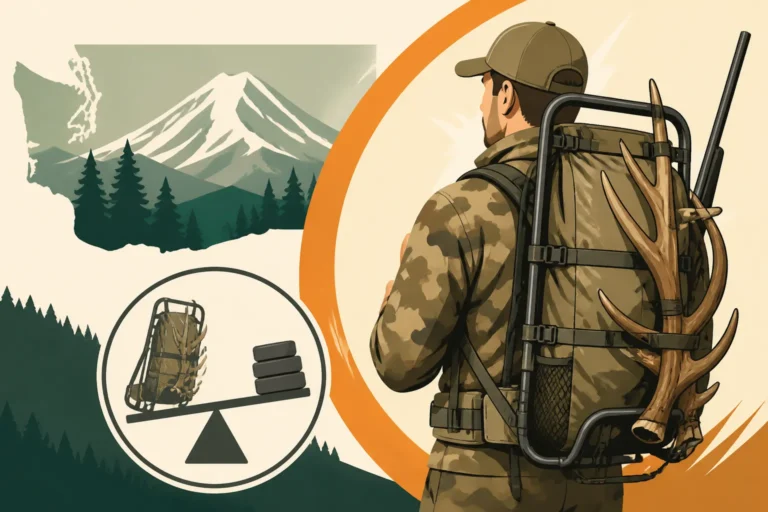
For serious backcountry hunting, you'll need a robust internal or external frame pack with a capacity of at least 60-80 liters, and often larger. This size allows you to carry all your essential camp gear, food, water, and clothing for multi-day trips. Crucially, it must also be able to comfortably carry out meat. Many hunting-specific packs feature a load shelf or expandability that allows you to sandwich an elk quarter or deer carcass between the main pack bag and the frame, distributing the weight close to your body. Pack Volume for a Washington Spike Camp is a critical consideration here; don't underestimate how much space your gear will take up, especially in cold weather when bulkier insulation layers are needed.
Fit is paramount. A poorly fitting pack will cause discomfort, chafing, and undue fatigue. Ensure the pack is properly sized for your torso length and that the hip belt sits correctly on your iliac crest to transfer weight to your legs, not your shoulders. Look for packs with durable fabrics, strong zippers, and ample compression straps to cinch down loads. Brands like Kifaru, Mystery Ranch, and Stone Glacier are popular among serious western hunters for their comfort and load-carrying capabilities. Try on packs with weight in them and walk around to get a true sense of the fit.
Organizing Gear with Dry Bags and Stuff Sacks
Once you have the right pack, how you organize your gear inside it is just as important. Washington's wet environment makes waterproofing a top priority. Dry bags and waterproof stuff sacks are your best friends here. Use them to compartmentalize and protect critical items like your sleeping bag, extra clothing, electronics, and food. Even if your pack claims to be water-resistant, a heavy downpour can still soak through, and a tumble into a creek could be disastrous without proper dry bag protection.
Color-coded stuff sacks can help you quickly locate items in your pack without having to dump everything out. Keep essentials like your first aid kit, rain gear, and navigation tools easily accessible in outer pockets or at the top of your main compartment. Distribute weight evenly and place heavier items close to your back, slightly above your hips, for optimal balance and comfort. Packing light, bulky items like your sleeping bag at the bottom and denser items higher up can also help create a stable load.
Proper Load Distribution and Packing Techniques
Mastering load distribution is crucial for long hauls in steep country. The heaviest items should generally be centered close to your back, at shoulder blade height, to prevent the pack from pulling you backward or swaying uncontrollably. This creates a stable center of gravity that moves with you, rather than against you. As you consume food and water, the load will shift, so re-adjusting compression straps throughout the day is important to keep everything snug.
For an overnight spike camp, your pack will be stuffed with sleep system, cook system, extra layers, and water. If you're packing out an animal, the weight distribution changes drastically. Often, the meat goes directly against the frame, then your gear is strapped around it. Practice packing your empty pack with gear and then adding some weight (like sandbags or water jugs) to simulate an animal. This will help you get a feel for how the pack carries before you're faced with a real-life packing challenge miles from the trailhead. Knowing how to Quartering and Packing an Elk Solo directly relates to how you'll manage your pack's load.
Luxury and Comfort Items (When Weight Allows)
While the focus of backcountry gear is always on necessity and lightweight efficiency, sometimes a small "luxury" item can dramatically enhance your experience and morale. These aren't survival essentials, but they can turn a tough hunt into a truly enjoyable adventure when you have a bit of weight allowance. Every hunter has their own list of what constitutes a "luxury," but here are a few common contenders.
Small Comforts for Camp Life
After a long day of hunting, little things can make a big difference. A compact, lightweight camp chair or stool, even a three-legged stool, can be a godsend. Sitting on a cold, wet log or the ground gets old fast. Having a dedicated spot to relax, cook, or just take off your boots can feel incredibly indulgent. Another popular item is a small, soft-sided cooler or a durable dry bag that can double as a "food pantry" for items that don't need refrigeration but benefit from being organized.
For some, a portable charging brick for electronics that might not be mission-critical but are still nice to have, like a e-reader or music player for downtime, falls into this category. Others might bring a small journal and pen to jot down notes or reflect on the day. Remember, the key is small and lightweight. You're not bringing a full cooler filled with ice for your entire elk, though knowing about Cooler Size for a Bull Elk might come in handy for the drive home. These are items that weigh ounces, not pounds, and truly contribute to making camp feel more like a temporary home.
Morale Boosters for Tough Hunts
Hunting can be mentally and physically grueling, and sometimes a small morale booster is just what you need to keep going. A small, lightweight thermos can keep coffee or hot chocolate warm for hours, providing a much-needed pick-me-up on a chilly morning or during a mid-day break. A favorite treat – a small bar of chocolate, some gourmet jerky, or even a small bag of candy – can be surprisingly effective for boosting spirits when you're feeling depleted.
A compact pair of binoculars (even a small 8x pair) can be a luxury if you're primarily rifle hunting but still enjoy glassing, allowing you to scout from camp without packing your primary hunting optics. Or perhaps a small, collapsible water bottle specifically for camp use, rather than constantly reaching for your main hydration bladder. These are the items that bring a touch of familiarity or simple pleasure to an otherwise Spartan environment. The weight is negligible, but the psychological benefit can be immense, especially on multi-day hunts where you're pushing your limits.
Disclaimer
This article is for general informational purposes only and does not constitute professional advice. Laws, prices and regulations vary by location and change over time. Consult a qualified professional for guidance on your specific situation.