Washington Emergency Season Closures
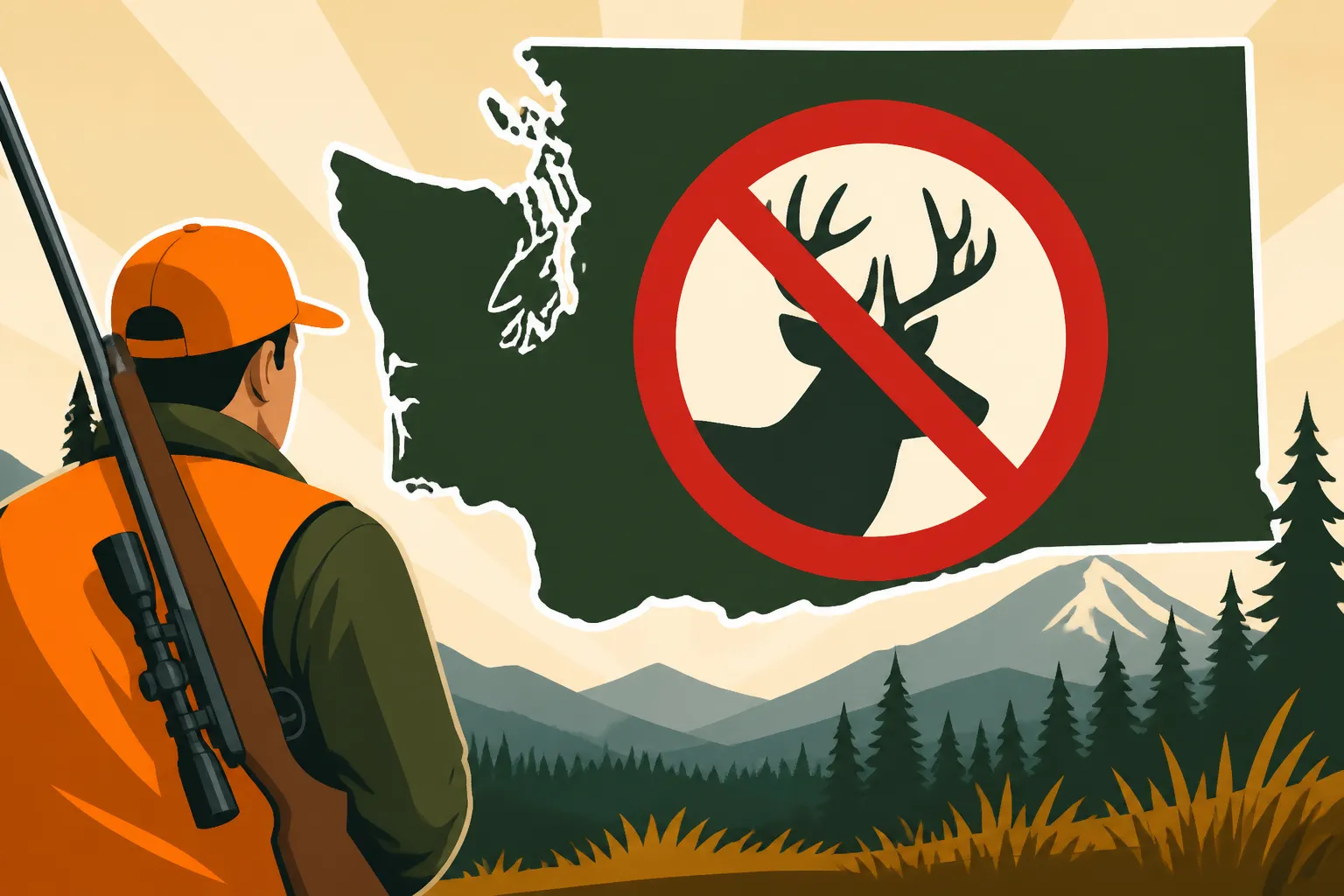
It's an experience every Washington hunter dreads: you've spent months planning, scouting, and dreaming of your upcoming hunt, only to get an unexpected notification that your chosen GMU or season has been closed due to an emergency. This can be incredibly frustrating and disheartening, feeling like all your hard work has been for nothing. This guide is here to walk you through why these closures happen in Washington, how you'll be notified, and what steps you can take to adapt your hunting plans when the unexpected hits.
Understanding What Triggers Emergency Hunting Season Closures in Washington
Hunting in Washington means embracing a landscape that's as wild as it is diverse, but that wildness also means we're susceptible to unpredictable events. Emergency season closures aren't implemented lightly; they're a critical tool for the Washington Department of Fish and Wildlife (WDFW) to protect wildlife, habitats, and even human safety.
Wildfires and Smoke Impacts
By far, one of the most common reasons for emergency closures in Washington, particularly in the drier eastern parts of the state, is wildfires. A major blaze doesn't just burn habitat; it creates dangerous conditions for anyone in the area.
Imagine this scenario: you've drawn a coveted mule deer tag for an Eastern Washington unit, spent weeks scouting those sage and wheat edges, and now it's late August, smoke fills the air, and suddenly, a large wildfire erupts in a nearby drainage. WDFW, in conjunction with the Department of Natural Resources (DNR) and the Forest Service, might close an entire Game Management Unit (GMU) or a large portion of it. This isn't just about the immediate danger of being in a burn zone; it's also about keeping hunters out of the way of firefighting personnel and equipment. Smoke itself, even if you're not in direct danger from flames, can create serious health risks and reduce visibility to dangerous levels, making hunting an unsafe activity for both you and those around you. Roads can be closed, access points blocked, and suddenly your carefully planned hunt becomes impossible.
Drought Conditions and Critical Water Levels
While not as immediately dramatic as a raging wildfire, prolonged drought conditions can also lead to emergency closures or restrictions. When Washington experiences an extended period of low rainfall and high temperatures, particularly in summer and early fall, several issues can arise that impact hunting seasons. Water sources for wildlife can dry up, forcing animals to concentrate in smaller areas, making them more vulnerable to disease or poaching.
Furthermore, drought significantly increases the risk of wildfires, turning dry forests and grasslands into tinderboxes. WDFW might implement fire restrictions that prohibit campfires, restrict vehicle access to certain areas, or even close entire zones to human entry to prevent a spark from turning into a catastrophe. This happened a few years ago in parts of the Colockum Elk Herd range during an exceptionally dry September, leading to early closures to mitigate risk. These measures are often taken proactively to protect both the natural resources and the public.
Disease Outbreaks and Wildlife Management
Another vital, albeit less frequent, reason for emergency closures relates to wildlife health. Disease outbreaks, while often localized, can necessitate swift action. For example, if a severe outbreak of Chronic Wasting Disease (CWD) were detected in Washington, WDFW might establish special surveillance zones or even close hunting seasons in affected areas to monitor the spread, collect samples, and prevent further transmission.
Similarly, diseases like highly pathogenic avian influenza (HPAI) affecting waterfowl, or epizootic hemorrhagic disease (EHD) impacting deer populations, could lead to temporary closures or modified hunting rules to protect the health of the herd and prevent further transmission. We've seen concerns about bighorn sheep pneumonia in herds in the Blue Mountains, which, if severe enough, could prompt localized measures. These closures are an essential part of the larger effort in Washington Wildlife Disease Surveillance, ensuring the long-term health and stability of our game populations.
Public Safety Concerns and Other Unforeseen Events
Beyond environmental factors, public safety is always paramount. In rare instances, other unforeseen events can necessitate emergency hunting closures. This could include severe winter storms that make travel and hunting conditions extremely hazardous, leading to Washington Winter Range Closures That End Late Hunts, or even localized human-wildlife conflicts that pose a direct threat to hunters or the public.
For instance, an unexpected, early heavy snow event that severely restricts road access and endangers hunters could trigger a closure. Major road washouts in remote areas, sudden, widespread flooding, or even specific law enforcement operations in a given area could lead to temporary bans on hunting. While less common, these types of closures underscore the dynamic nature of managing hunting seasons in a diverse and active landscape like Washington.
How Washington Hunters Are Notified of Emergency Closures
The thought of an emergency closure hitting your planned hunt can be stressful, but knowing where and how to get accurate, up-to-the-minute information is your first line of defense. Washington's system for notifying hunters is multi-faceted, leveraging both digital and traditional channels.
Official WDFW Channels
Your absolute primary source for any official emergency season closure information in Washington will always be the Washington Department of Fish and Wildlife (WDFW). They are the issuing authority, and their communications are the definitive word.
The most crucial resource is the WDFW Emergency Orders page on their website. This dedicated page is updated immediately when a closure is announced. It will specify the GMU, the species affected, the dates of the closure, and the reason. You should make it a habit to check this page frequently, especially as your season approaches and during periods of high fire danger or other concerns. Beyond the website, WDFW issues official press releases to media outlets, posts updates on their social media channels (Facebook, Twitter), and sends out email alerts to those who have signed up. Make sure you're subscribed to WDFW's email lists for hunting news and emergency alerts; this is one of the quickest ways to get a direct notification right to your inbox. These channels also provide information on where Washington Posts Rule Changes, which includes emergency orders.
Online Tools and Third-Party Resources
In today's connected world, many hunters rely on a blend of official and third-party tools to stay informed. These resources often pull information directly from WDFW or other official sources, sometimes providing it in a more digestible or integrated format.
One excellent example of a platform that aggregates this kind of critical information is GoHunt. Websites like GoHunt often have dedicated sections or mapping layers that highlight current emergency closures, wildfire perimeters, and other critical alerts. These platforms can be incredibly valuable for cross-referencing information and visualizing how a closure might affect your specific hunting unit, often providing more nuanced, real-time mapping data than you might find elsewhere. For instance, if you're trying to figure out how a wildfire boundary affects your intended access point or a particular drainage you were planning to hunt, an interactive map from a service like GoHunt can be indispensable. Other hunting forums, social media groups, and specialized news sites will also pick up WDFW announcements, but it's always wise to trace the information back to an official WDFW source or a reputable aggregator like GoHunt for verification. Remember to constantly cross-reference, though!
Local Knowledge and On-the-Ground Signs
While digital notifications are incredibly efficient, never underestimate the value of local knowledge and physical signs, especially when you're already in or near your hunting area. Ranger stations for national forests, local WDFW offices, and even community bulletin boards in small towns near prime hunting areas often post physical notices about closures.
If you're already in the field, look for signage at trailheads, forest access roads, and popular entry points. Sometimes, emergency personnel or WDFW enforcement officers will be on site to inform hunters. Chatting with locals, especially those who work in the area or live there year-round, can also provide valuable context or early warnings. While you shouldn't rely solely on word-of-mouth, it can be an important piece of the puzzle, especially when combined with official sources. Before you even head out, taking a few minutes to check Checking Washington Road Closures Before You Go can save you a lot of wasted time and fuel, as road closures often precede or coincide with larger area closures.
Navigating the Impact of a Washington Emergency Closure on Your Hunt
Discovering that your planned hunt is affected by an emergency closure can feel like a punch to the gut. All that anticipation and planning, potentially dashed. But it's not always the end of the world. Understanding your options and how to adapt can turn a frustrating situation into an opportunity or at least minimize your losses.
Understanding Your Options After a Closure
The first thing you'll likely wonder is, "What about my tag?" WDFW does have policies in place for hunters whose tags or special permits are impacted by emergency closures. Generally, if a specific GMU or season you were permitted for is entirely closed for the duration of the hunt, WDFW may offer options such as a refund for your tag, the opportunity to apply for a permit in a different unit or season (if available and feasible), or potentially even a point-back for special permits. However, these policies can vary depending on the severity and timing of the closure, as well as the type of tag (general season vs. special permit).
For those holding Washington Special Hunt Permits and How to Apply, an emergency closure can be particularly painful, given the effort and odds involved in drawing. WDFW's specific guidelines regarding these situations will be detailed in their emergency order, so read it carefully. For general season tags, like a standard Washington Multi-Season Deer and Elk Tags, your options might include shifting to an open area within the broader region if your tag allows for it, or applying for a refund if the entire scope of your tag is nullified. Always check the official WDFW emergency order for the precise relief measures offered.
Adapting Your Hunting Plans
Even if your preferred area is closed, it doesn't necessarily mean your hunting season is over. This is where having a "Plan B" (or C or D) really pays off. If you had a tag for a specific GMU that's now closed, immediately consult the WDFW regulations pamphlet and online maps to identify nearby, similar GMUs that might still be open and legally huntable with your existing tag. This might involve researching alternative units for Public Land Hunting in Washington: Forest, DNR and BLM.
For example, if the eastern side of a unit is closed due to fire, but the western side is open, you might need to shift your access strategy entirely. This is also where comprehensive tools like GoHunt, with their detailed mapping capabilities and up-to-date information, can be invaluable. You can quickly see open land, road statuses, and potentially identify new access points or even entirely new areas that fit your tag. Consider whether other species or weapon seasons you hold a tag for are still viable. For instance, if your modern firearm elk hunt is closed, but you also have an archery deer tag for an unaffected area, you might pivot your focus. The key is flexibility and thorough research into what other options are available under your current license and tags.
Safety First: Adhering to Closure Orders
It might sound obvious, but it bears repeating: under no circumstances should you attempt to hunt in an area that has been officially closed by WDFW or other land management agencies. Ignoring an emergency closure isn't just a safety risk to yourself and others; it's also illegal and comes with serious penalties.
Trespassing into a closed area, especially one impacted by a wildfire or other hazardous conditions, can put you directly in harm's way, potentially requiring rescue efforts that divert critical resources. From an enforcement perspective, violating a closure order can result in citations, fines, confiscation of gear, and even loss of hunting privileges. Respecting these orders is a matter of ethical hunting and responsible stewardship. WDFW sets these rules for sound reasons, whether to protect sensitive wildlife populations, prevent further spread of disease, or ensure public safety. Familiarize yourself with Washington Game Management Units Explained and their specific boundaries so you know precisely where you can and cannot go. Remember, our actions in the field reflect on the entire hunting community, and adhering to regulations, even frustrating ones, is crucial for maintaining a positive image and ensuring future hunting opportunities.
Key Resources for Checking Washington Hunting Closures
Staying informed is your best strategy against the disappointment of a surprise closure. Having a go-to list of reliable resources can make all the difference when a critical update comes out.
WDFW Emergency Orders Page
This is your single most important bookmark. The official WDFW Emergency Orders page on the Washington Department of Fish and Wildlife website is the authoritative source for all emergency closures affecting hunting seasons. This page is updated immediately by the department when a closure is enacted or lifted.
When you visit, look for direct links to specific emergency orders, often presented as PDF documents or clear summaries. These documents will detail the exact GMU or area affected, the species, the dates, and the specific reasons for the closure. Pay close attention to effective dates and any specific instructions regarding tag refunds or alternative options. Regularly checking this page, particularly during the fire season or periods of unusual weather, should be part of your pre-hunt and in-season routine. It's the most direct route to understanding any changes to Washington's General Season Versus Special Permit Hunts.
Fire Information Websites
Given the prevalence of wildfires in Washington, especially east of the Cascades, monitoring fire information websites is equally critical for many hunters. These sites provide real-time updates on active fires, containment levels, and importantly, fire perimeters that often dictate emergency closures.
Key resources include:
- InciWeb: An interagency incident information system that provides detailed information on large wildfires across the nation, including many in Washington. It includes maps, incident updates, and closure orders.
- Northwest Interagency Coordination Center (NWCC): Offers daily fire situation reports for Washington and Oregon.
- Washington State DNR Wildfire Incidents Map: A map that shows active wildfires on DNR lands and can indicate broader regional impacts.
By cross-referencing these fire maps with your planned GMU on a tool like GoHunt, you can often anticipate potential closures or at least understand the scope of a developing situation before an official WDFW order is even issued.
Mapping and Planning Tools
Modern hunting has been revolutionized by digital mapping and planning tools, which become even more critical during emergency situations. These platforms often integrate official data, allowing you to visualize closures in the context of your hunting area.
Services like onX Hunt and GoHunt provide layers that can show active wildfires, land ownership (public vs. private), and often, real-time WDFW or Forest Service closure areas. For example, if a specific forest road is closed due to a fire or washout, onX layers will often show it. GoHunt's mapping capabilities can quickly illustrate how a new boundary affects your access points or a specific drainage you've been e-scouting. These tools are fantastic for E-Scouting Washington GMUs Before the Draw, but they are equally powerful for adapting plans on the fly when unexpected closures occur. Having offline maps downloaded to your phone or GPS device is also a lifesaver, as cell service is often nonexistent in remote hunting areas where these emergencies frequently happen.
Here’s a quick overview of where to check for various types of hunting closures:
| Type of Closure | Primary Source(s) | What to Look For | Additional Resources (Integrate with) |
|---|---|---|---|
| Hunting Season/GMU | WDFW Emergency Orders Page (website, email alerts) | Official orders, specific GMU, dates, species | GoHunt (mapping overlays), WDFW social media |
| Wildfire-Related | InciWeb, NWCC, WA DNR Wildfire Map, Forest Service | Fire perimeters, incident updates, area closures | onX Hunt / GoHunt (fire layers, land status) |
| Road/Area Access | WDFW Emergency Orders, Forest Service/DNR websites | Road numbers, specific area boundaries, dates | Checking Washington Road Closures Before You Go |
| Wildlife Disease | WDFW Emergency Orders, Washington Wildlife Disease Surveillance | Specific units, affected species, health warnings | WDFW press releases, local WDFW offices |
| Winter Range | WDFW Website (general regulations, specific GMUs) | Seasonal closures, vehicle restrictions, timing | Washington Winter Range Closures That End Late Hunts |
Disclaimer
Please note: Hunting regulations and emergency closures in Washington State can change rapidly. While this guide provides comprehensive information, always consult the official Washington Department of Fish and Wildlife (WDFW) website, current hunting pamphlets, and any applicable land management agency notices (e.g., US Forest Service, DNR) for the most up-to-date and accurate information before and during your hunt. This content is for informational purposes only and does not constitute legal advice or an official interpretation of regulations.