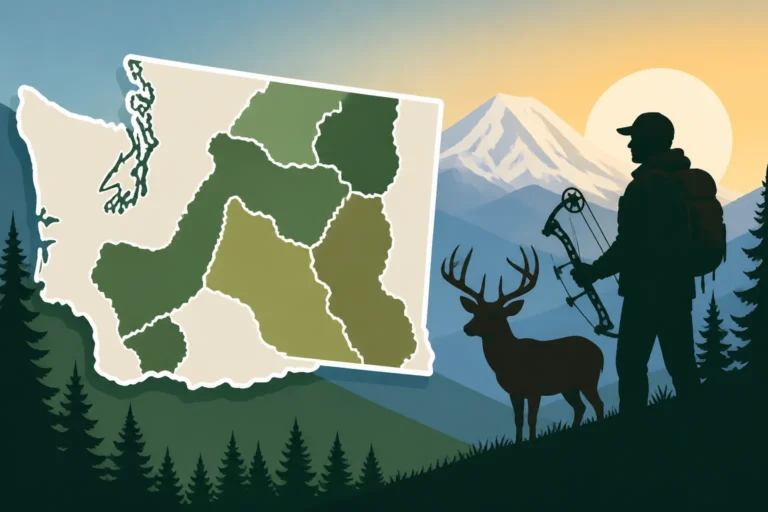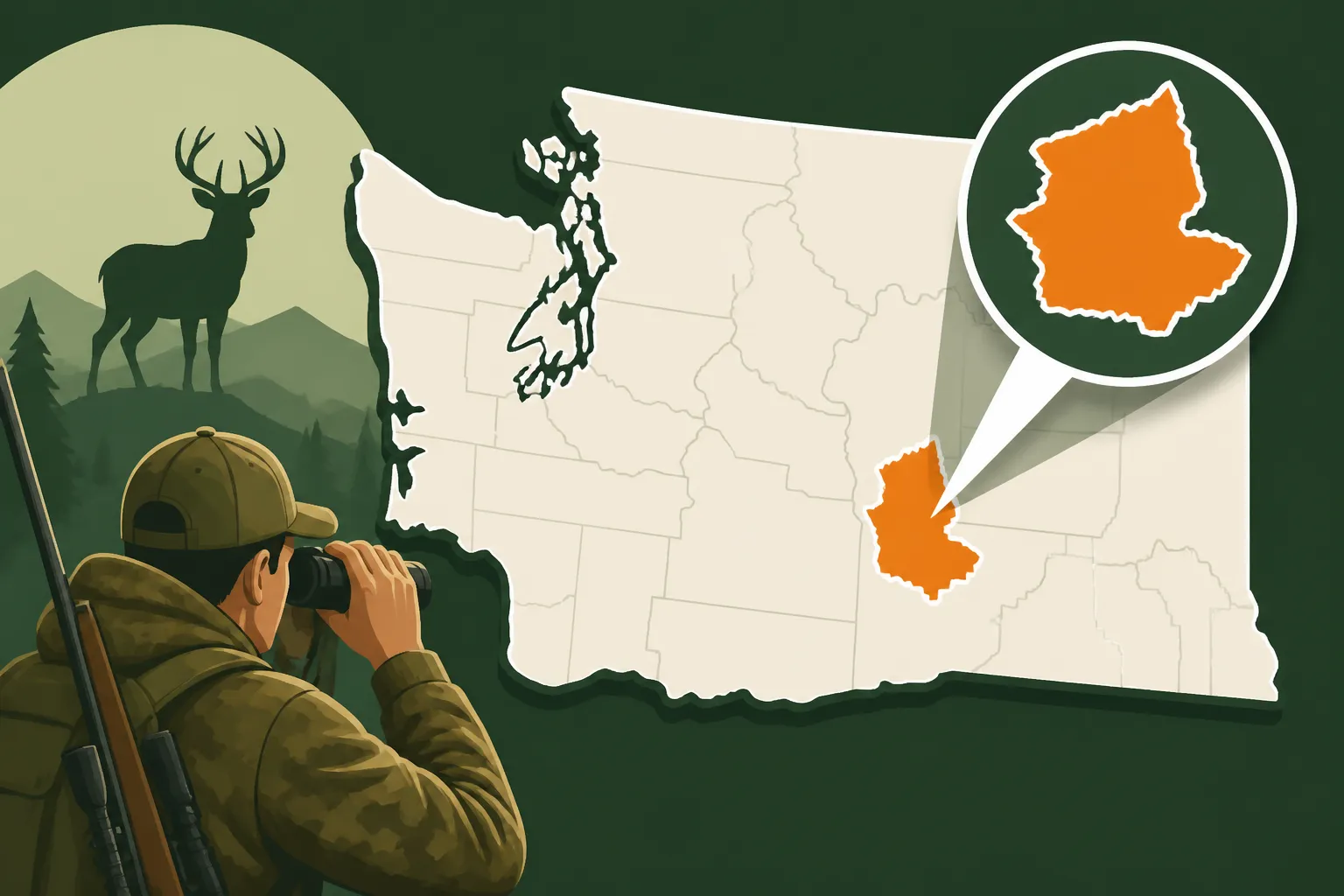
Where the Naneum Unit Sits in Washington
One of the most common headaches for Washington hunters, myself included, is truly understanding the boundaries and character of a Game Management Unit (GMU) before you ever set foot in it. You stare at a map, read the regulations, and still wonder, "Where exactly is that line?" and "What's it really like in there?" This guide is here to unravel those mysteries specifically for the Naneum Unit, helping you visualize and plan your hunt with confidence.
Understanding the Naneum Unit's Geographical Footprint
The Naneum Unit, often referred to as GMU 328, is a highly regarded hunting area in Washington State, and for good reason. It offers a diverse landscape that appeals to hunters pursuing elk, mule deer, and a host of other species. But before you start dreaming of trophy animals, you need to know precisely where it is and what its terrain looks like.
Pinpointing the Naneum on the Map
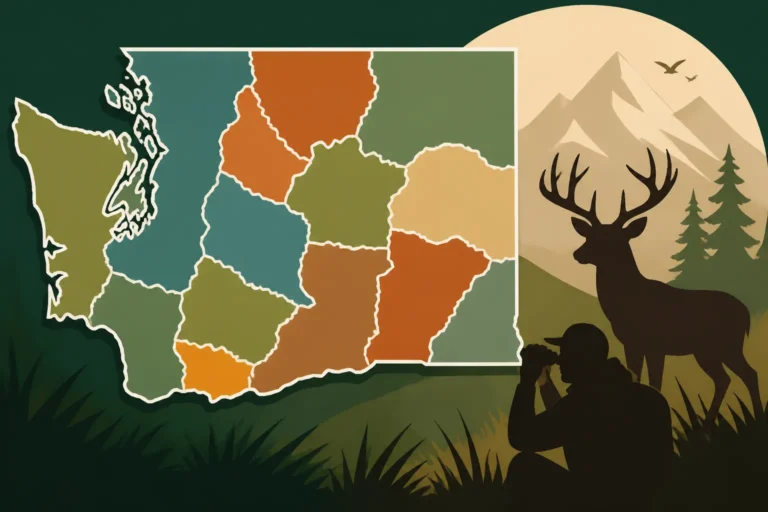
The Naneum Unit is nestled in Central Washington, primarily on the east side of the Cascade Mountain Range. It's an area defined by significant geographical features and can be loosely thought of as being north of Ellensburg and east of the major mountain crests. This region is a transition zone, where the wet, dense forests of the west side begin to give way to the drier, more open landscapes characteristic of Eastern Washington. When you look at a larger map, you'll see it bordered by other well-known GMUs like the Colockum (GMU 329) to its north and the Umtanum (GMU 335) to its south, forming a key part of the central Washington elk country. It's far enough from major population centers to feel wild, yet accessible enough that you won't spend a full day just driving to the trailhead.
The closest major town for supplies, gas, and a hot meal is Ellensburg, which lies to the south of the unit. This makes it a convenient base camp for many hunters, offering a good balance of amenities and reasonable driving time to various access points. However, depending on which part of the Naneum you're aiming for, towns further north or east like Wenatchee or even Cle Elum might be better starting points. Understanding these local connections is crucial, not just for convenience, but for figuring out the flow of terrain and potential game movements.
Defining the Naneum's Boundaries
Understanding the Naneum's exact boundaries is absolutely critical for staying legal and maximizing your hunting efforts. The Washington Department of Fish and Wildlife (WDFW) defines GMU 328 with clear, if sometimes intricate, lines. Generally, its western boundary often follows the crest of the Cascade Mountains or specific forest service roads and trails that parallel it. To the north, the boundary typically rides along major roads or drainages that separate it from the Colockum. The eastern edge usually follows Highway 97, a major north-south artery, while the southern boundary often aligns with Interstate 90, although specific segments may diverge slightly to follow lesser roads or natural features.
It's paramount to study the official WDFW GMU maps, which are updated periodically. Simply relying on memory or a rough idea can lead to unknowingly trespassing or hunting out of season in an adjacent unit. Many experienced hunters swear by digital mapping applications like onX Hunt which provide real-time GPS tracking against detailed land ownership and GMU boundary overlays. This technology takes a lot of the guesswork out of boundary verification when you’re standing in the field, sometimes literally straddling a line on a ridge. Even with digital maps, always cross-reference with the official WDFW hunting pamphlet for any nuances or recent changes, as these define the legal hunting zones. Washington Game Management Units Explained can provide further context on how these units are structured statewide.
Diverse Topography and Elevations
The Naneum Unit is a textbook example of diverse Washington hunting terrain. It’s not just one type of landscape; it's a rich tapestry that ranges from arid, open sagebrush flats and rolling hills at lower elevations to dense, dark conifer forests and steep, rugged canyons as you climb higher. The elevation changes within the unit are significant, easily spanning thousands of feet from the valley bottoms to the highest ridge lines.
At the lower elevations, particularly on the eastern and southern fringes, you'll find expansive areas of sagebrush, bitterbrush, and various grasses. This open country is classic mule deer habitat and provides important winter range for both deer and elk when snow pushes them down from higher ground. As you ascend, the landscape gradually transitions into Ponderosa pine forests, often interspersed with pockets of Douglas fir. Further up, particularly on north-facing slopes and in the deeper drainages, you'll encounter thick stands of true firs and lodgepole pine, forming dense, dark timber that provides crucial thermal cover and security for elk. This varied topography means hunters need to be prepared for different types of movement and hunting strategies. One moment you might be glassing an open hillside, the next you're navigating steep, brushy draws where visibility drops to mere yards. This diversity is what makes the Naneum so appealing, but also so challenging.
Game Species and Habitat Within the Naneum
The Naneum Unit is renowned for its big game populations, primarily Rocky Mountain Elk and mule deer, offering distinct hunting experiences for each. The varied habitat directly influences where and when you'll find these animals.
The Draw of Naneum Elk
For many hunters, the Naneum Unit is synonymous with elk. It's home to a healthy population of Rocky Mountain Elk, which are known for their impressive size and bugling prowess during the rut. While it's part of the general season hunting areas for elk, many hunters also vie for special permits to extend their hunting opportunities or target specific antlerless hunts. The elk in the Naneum exhibit classic migratory patterns, utilizing the full spectrum of the unit's habitat. In the warmer months and early archery season, you’ll often find them higher up in the dense timbered ridges and canyons, enjoying the cooler temperatures and abundant forage of the summer range.
As the weather cools and the hunting seasons progress into the late fall, elk typically begin their descent towards lower elevations. They seek out areas with less snow, more accessible forage, and critical thermal cover, often congregating in the Ponderosa pine breaks and the sagebrush flats on the unit's eastern and southern boundaries. Knowing these migration corridors and common bedding areas is key to success. Look for dark timber on north-facing slopes for bedding, and fresh clearcuts or riparian areas for feeding. During the archery season, focusing on water sources and wallows can be particularly effective. For a deeper dive into the behavior of these magnificent animals, check out Rocky Mountain Elk East of the Washington Cascades.
Mule Deer Opportunities
While elk often steal the spotlight, the Naneum Unit also provides excellent opportunities for mule deer hunters. These majestic deer thrive in the more open, sagebrush-dominated portions of the unit, particularly in the lower to mid-elevations. They are masters of blending into the broken country, using subtle folds in the terrain and scattered brush for cover. Unlike the dense timber of western Washington, mule deer here often frequent areas where they can see long distances, relying on their keen eyesight and hearing to detect threats.
During the early archery and muzzleloader seasons, mule deer can be found scattered across the mid-elevations, often grazing in the transition zones between sagebrush and scattered pines. As the modern firearm seasons open and cooler temperatures arrive, they tend to congregate more, often moving to lower, south-facing slopes to catch the sun and find easily accessible forage. Hunters focusing on mule deer should spend considerable time glassing during the golden hours of dawn and dusk, paying close attention to benches, draws, and the edges where different habitat types meet. For more specific insights into tracking these iconic deer, you might find Mule Deer of Eastern Washington particularly helpful.
Other Species and Ecosystem
Beyond elk and mule deer, the Naneum Unit's rich ecosystem supports a variety of other game species, adding to its appeal. Black bears are present throughout the timbered regions, often seen foraging for berries, roots, and insects, especially during the fall hunting seasons. Cougars, apex predators, also roam the unit, following the deer and elk herds. While challenging to hunt, their presence adds to the wildness of the Naneum.
The unit's diverse flora—from sagebrush and bitterbrush to various grasses, forbs, and conifer species—provides a year-round pantry for wildlife. Water sources, whether seasonal springs, small creeks, or more permanent drainages, are critical, especially in the drier parts of the unit, and often act as magnets for game. Understanding this broader ecosystem and the interconnections between species can offer significant advantages, allowing you to interpret sign and predict animal movements more accurately. This holistic view is part of what makes hunting in Washington so deeply engaging; it's not just about the animal you're pursuing, but the entire natural world it inhabits.
Navigating Access and Planning Your Naneum Hunt
One of the biggest hurdles for any hunter, especially in Washington, is figuring out legal and practical access to hunting grounds. The Naneum Unit is no exception, featuring a complex patchwork of land ownership that requires careful navigation and planning.
Public Land vs. Private Land Complexities
The Naneum Unit is a mosaic of different land ownerships, including US Forest Service, Washington Department of Natural Resources (DNR) lands, and significant parcels of private timber company holdings. This means that access isn't always straightforward. While vast tracts of National Forest land are generally open to public hunting, DNR lands may have specific rules or require a Discover Pass for parking. Private timber companies, such as Weyerhaeuser or Hancock, often manage their lands for logging, and while some may offer public access, it typically comes with permits or fees, and access can change year to year, sometimes even month to month.
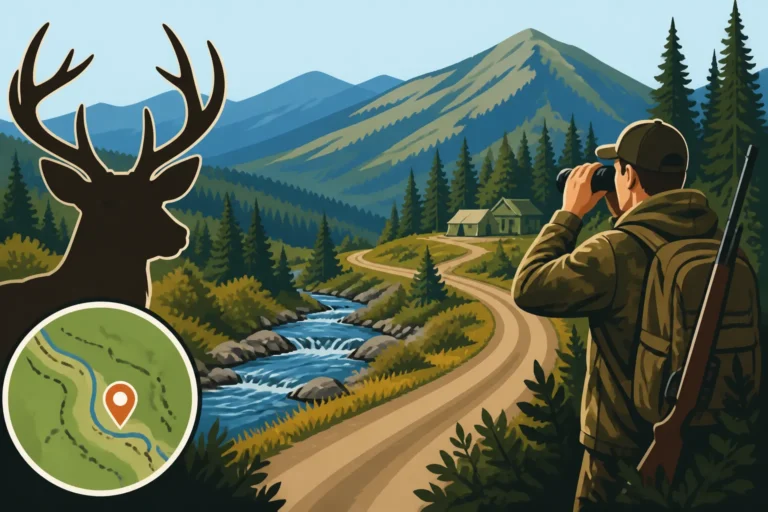
It's crucial to consult a current land ownership map, either through official government sources or mapping apps like onX Hunt. These tools display color-coded land ownership boundaries directly on your map, allowing you to clearly see what's public, private, or state-owned. Never assume that just because you're near public land, all surrounding property is also fair game. Trespassing, even accidentally, can lead to fines, loss of hunting privileges, and a black mark on the hunting community's reputation. Always verify. For a broader overview of hunting on various land types in Washington, read Public Land Hunting in Washington: Forest, DNR and BLM.
Road Systems and Travel Management
The Naneum Unit, like many central Washington GMUs, has an extensive network of logging roads and forest service roads. However, not all roads are open to motorized vehicles, and understanding the "Green Dot" road system is paramount. Green Dot roads are designated routes, often marked with green circles on signs or maps, that allow public motorized vehicle access during specific times of the year. Many other roads are intentionally closed to vehicle traffic to reduce disturbance to wildlife, prevent habitat degradation, and promote walk-in hunting opportunities. These closures can be seasonal or year-round.
Before heading out, always check the current WDFW road access maps and forest service regulations for the Naneum. What was open last year might be closed this year, or vice-versa. Relying on an outdated map can land you in trouble or waste valuable hunting time. Using a GPS with updated road data, especially an app that tracks your location against these layers, can be a lifesaver. These closed roads, while frustrating for vehicle access, often provide fantastic walk-in hunting opportunities into otherwise undisturbed areas, making them prime targets for those willing to put in the legwork.
E-Scouting and Pre-Season Preparation
Effective pre-season scouting, particularly "e-scouting" from the comfort of your home, is an absolute game-changer for hunting the Naneum Unit. Start with high-resolution satellite imagery on platforms like onX Hunt or GoHunt. Look for likely bedding areas (dense timber on north-facing slopes), feeding areas (recent clearcuts, riparian zones, or open grassy hillsides), and water sources. Identify natural funnels and choke points that game might use when moving between these areas.
Overlaying topographic maps on satellite imagery helps you visualize the terrain's steepness and identify glassing knobs or potential access routes. Mark potential trailheads, parking spots, and any locked gates you might encounter. It's also smart to identify several potential entry and exit points, as well as alternative hunting areas, in case your primary spot is already occupied or proves unproductive. By doing this homework, you can arrive at the unit with a clear plan, maximizing your precious hunting time and minimizing aimless wandering. For a deep dive into using technology to your advantage, consider reading E-Scouting Washington GMUs Before the Draw.
| Feature | Description |
|---|---|
| Location | Central Washington, East side of Cascade Mountains, North of Ellensburg. |
| Primary Game | Rocky Mountain Elk, Mule Deer. Also Black Bear, Cougar, some Whitetail. |
| Terrain Highlights | Varied; ranges from low-elevation sagebrush flats and rolling hills to mid-elevation Ponderosa pine forests, transitioning to high-elevation dense conifer timber and steep canyons. Significant elevation changes. |
| Land Ownership | Mix of US Forest Service, Washington DNR, and private timber company lands (e.g., Weyerhaeuser, Hancock). |
| Key Access Notes | Extensive Green Dot road system (check current status). Many roads are closed to motorized access, creating walk-in opportunities. Private timber often requires permits/fees. E-scouting and current maps (e.g., onX Hunt) are crucial for navigation and legal access. |
Strategies for Hunting the Naneum Unit
Once you have a solid understanding of the Naneum's geography and the game it holds, it's time to refine your hunting strategies. The diverse terrain calls for adaptability and a combination of techniques.
Glassing and Spot-and-Stalk Tactics
Given the mix of open sagebrush country, scattered Ponderosa stands, and vast canyon systems, glassing is an indispensable skill in the Naneum. Investing in quality optics – a good pair of binoculars (10×42 or 12×50 are excellent starting points) and often a spotting scope for longer distances – will dramatically increase your chances of finding game. You'll spend hours patiently picking apart hillsides, clearcuts, and distant timber edges from a vantage point. Look for subtle movements, unusual shapes, or contrasting colors that indicate an animal. The best times to glass are typically early morning and late evening when animals are most active.
Once you spot an animal, the real challenge begins: the spot-and-stalk. This involves carefully planning your approach, utilizing terrain features to stay out of sight, and constantly checking the wind. The Naneum's varied terrain provides ample cover, but it also creates swirling winds in the draws and canyons that can betray your presence. Patience, stealth, and a keen awareness of your surroundings are paramount. It's often a slow, methodical process that can take hours to close the distance. For a deep dive into this effective method, check out Glassing Eastern Washington Breaks for Mule Deer. Don't forget your Optics for Washington Elk and Deer Hunting to maximize your visibility.
Still-Hunting the Timber and Draws
While glassing is excellent for open areas, many of the Naneum's elk and larger mule deer bucks will seek refuge in the dense, dark timber and steep canyon bottoms. Here, a still-hunting approach becomes your primary tactic. Still-hunting means moving incredibly slowly and deliberately, taking only a few steps at a time, then pausing for several minutes to scan your surroundings, listening for the subtle sounds of game, and looking for horizontal lines or patches of color that don't belong in the vertical forest. You're effectively hunting with your eyes and ears as much as your feet.
Focus your still-hunting efforts on north-facing slopes where timber is often thicker and cooler, providing ideal bedding cover. Also, pay attention to fresh tracks, rubs, and droppings – these are clear indicators that game is using the area. Always hunt into the wind to prevent your scent from reaching animals before you see them. The Naneum's timber can be incredibly dense, making every step count. A good pair of comfortable, supportive Boots and Packs for Washington Backcountry will be your best friend when navigating this rugged environment. If you want more strategies for tackling the deep woods, consider Washington Elk Hunting Tactics by Weapon Season.
Understanding Seasonal Movements
The Naneum's game, particularly elk and mule deer, are highly influenced by seasonality and weather. Their movements are often predictable, driven by food availability, breeding cycles, and snow depths. Early season (archery, early muzzleloader) often finds animals higher in elevation, making the steep climbs into the thicker timber productive. Elk will be bugling, and deer will be moving between feeding and bedding areas.
As the season progresses into late fall and early winter, often coinciding with modern firearm seasons, colder temperatures and increasing snow depths will push animals down from the high country. They'll move to their wintering grounds in the lower, more open, and often sunnier parts of the unit. These migration patterns can create excellent hunting opportunities as animals funnel through specific drainages or across saddlebacks. A sudden snowstorm can trigger significant movement, concentrating animals in lower areas. Conversely, a mild winter might keep them higher for longer. Keeping an eye on weather forecasts and understanding how precipitation and temperature affect game behavior is crucial. For a comprehensive look at how these patterns play out, delve into Elk Migration Timing in Washington.
Disclaimer
This article is for general informational purposes only and does not constitute professional advice. Laws, prices and regulations vary by location and change over time. Consult a qualified professional for guidance on your specific situation.