Glacier Peak and Alpine Lakes Wilderness
The idea of hunting deep in Washington's vast wilderness, far from roads and crowds, is a dream for many of us, a true test of skill and endurance. But let's be real, it's also incredibly daunting. The sheer scale of places like Glacier Peak and Alpine Lakes Wilderness Areas can feel overwhelming, like trying to find a needle in a thousand haystacks, all while carrying a ton of gear and battling unforgiving weather. The challenges are immense, from navigating rugged, roadless terrain to understanding complex regulations and packing out heavy game miles from the nearest trail. This guide is here to break down what it really takes to hunt successfully in these iconic Washington wildlands, offering practical insights and dispelling some of the myths, so you can transform that daunting dream into a well-planned reality.
Understanding the Wilderness Hunting Challenge in Washington
Hunting in designated wilderness areas like Glacier Peak and Alpine Lakes isn't just a harder version of your typical timber hunt; it's an entirely different beast. These are places specifically managed to preserve their wild character, meaning minimal human-made intrusions and a commitment to primitive recreation. For hunters, this translates to unique demands on our skills, gear, and mental fortitude. You're signing up for an experience that will push your limits, but also one that offers unparalleled solitude and a profound connection to the wild.
The Unique Demands of Wilderness Terrain
Imagine navigating miles of steep, rocky ridges, dense old-growth forests, or negotiating stream crossings without the luxury of marked trails every few hundred yards. That's the reality of wilderness terrain. Elevations can change rapidly, often requiring significant vertical climbs and descents in a single day. The ground underfoot might be a tangle of blowdowns, slippery talus slopes, or unforgiving granite. Unlike many general season areas with logging roads crisscrossing the landscape, here you rely solely on your feet, your pack, and your map. This physically demanding environment requires a higher level of fitness and outdoor skills than most other hunting scenarios in Washington. It's not just about finding game; it's about being able to safely and efficiently move through extremely challenging country, often in unpredictable weather.
Access Challenges and Remote Locations
One of the defining characteristics of wilderness areas is the restricted access. No motorized vehicles are allowed beyond the designated wilderness boundary. This means if you want to hunt deep, you're hiking, or perhaps packing in with horses or llamas if the specific area allows and your route supports it. Packing In With Horses or Llamas is a whole skillset in itself, adding another layer of complexity. Many trailheads leading into these areas are themselves located at the end of long, often rough, Forest Service roads. The "front country" of these wilderness areas can still see considerable recreational traffic from hikers, backpackers, and climbers, especially during popular seasons. To truly find solitude and undisturbed game, you often need to commit to multi-day trips, pushing several miles or more into the roadless interior. This commitment to remoteness means you need to be entirely self-sufficient, as help is often many hours, if not days, away.
Ethical Considerations for Wilderness Hunters
Hunting in a wilderness area carries an even greater ethical responsibility. Our presence should leave no trace, adhering strictly to "Leave No Trace" principles. This means packing out everything you pack in, including all trash, spent casings, and even gut piles should be moved away from trails and water sources. Respect for other wilderness users, who may not understand or appreciate hunting, is paramount. Wildlife is often less accustomed to human pressure in these remote zones, making careful shot selection and rapid game recovery crucial. Furthermore, the sheer difficulty of packing out meat from the backcountry means choosing an animal you can realistically recover and transport without spoilage. It’s about being a steward of these incredible places, ensuring they remain wild for future generations, both human and animal.
Glacier Peak Wilderness: A Deep Dive for Hunters
The Glacier Peak Wilderness, encompassing over half a million acres in the northern Cascades, is truly a wild and rugged landscape. Dominated by the majestic Glacier Peak stratovolcano and surrounded by a network of jagged peaks, glaciers, and deep river valleys, it offers a challenging but incredibly rewarding hunting experience. This area is generally considered more remote and less accessible than the Alpine Lakes Wilderness, making it perfect for those seeking ultimate solitude and a true backcountry challenge.
Key Access Points and Trail Systems
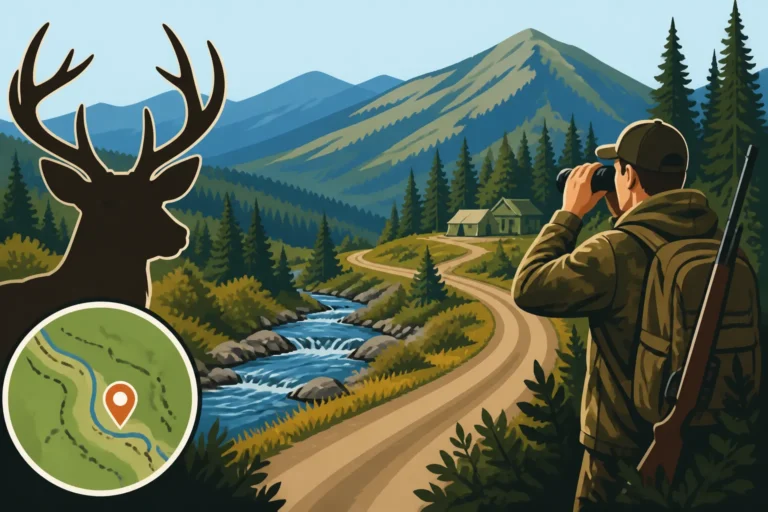
Access into the Glacier Peak Wilderness is primarily via several major river drainages, each requiring a substantial commitment. On the west side, you have the Suiattle River and Whitechuck River access points, often reached by long, sometimes rough forest roads. From the east, major entry points include the Chiwawa River, Napeequa Valley, and the Little Wenatchee River. These typically involve hiking established but often strenuous trails, many of which climb steeply into high alpine basins. For example, accessing areas like the Kennedy Hot Springs region from the east side can be a multi-day trek. Before you even set foot on the trail, meticulously E-Scouting Washington GMUs Before the Draw using tools like onX Hunt is absolutely critical. You need to identify potential game habitat, understand the topography, and plan your entry and exit routes down to the last detail. Remember, some of these trails might be unmaintained or difficult to follow in places, especially after winter blowdowns.
Game Species and Habitat within Glacier Peak
While famous for its stunning scenery, Glacier Peak Wilderness is also home to a variety of big game. Roosevelt elk herds roam the western, more coastal-influenced drainages, while Rocky Mountain elk are found on the drier eastern slopes. However, both species are typically in lower densities than in some other Washington units due to the challenging terrain and lower forage quality in much of the high country. Mule deer and Columbian blacktail deer are present, with blacktails generally on the western side and mule deer on the east. High alpine basins and subalpine meadows are key areas to scout for deer during late summer and early fall. Black bears are common throughout the wilderness, often found foraging in berry patches or on avalanche chutes. Spotting Bears on Avalanche Chutes can be an effective tactic. Cougar populations also thrive in these remote areas, following their primary prey species. While permits are extremely rare and highly sought after, mountain goats also call the rugged peaks of Glacier Peak home. Their presence, however, means understanding the strict "once-in-a-lifetime" rules for these species.
Seasonal Considerations and Weather Patterns
The hunting season in Glacier Peak Wilderness is heavily influenced by its elevation and northern location. Early season hunts (archery in September) can offer beautiful weather, but also potential fire restrictions and smoky conditions. As the season progresses into late October and November, snow becomes a significant factor. Even mild snowfalls at lower elevations can quickly turn into deep, impassable conditions higher up, often closing roads and making travel extremely dangerous. Late-Season Snow and Road Access needs to be thoroughly researched. Hunters must be prepared for drastic temperature swings, from warm days to freezing nights, and sudden shifts from sunshine to heavy rain or snow. Layering clothing and having reliable rain gear is non-negotiable. Always check weather forecasts for mountain passes and high elevations, not just the nearest town.
Alpine Lakes Wilderness: Your Hunting Ground
The Alpine Lakes Wilderness, spanning over 400,000 acres across the central Cascades, offers a more diverse range of terrain than Glacier Peak, from dense, west-side forests to the drier, eastern slopes and countless pristine alpine lakes. Its proximity to major population centers means it sees heavier recreational use, particularly during summer months, but savvy hunters can still find solitude and success with proper planning and effort.
Popular Entryways and Interior Trails
Due to its popularity, the Alpine Lakes Wilderness has numerous well-used trailheads. On the west side, you can access it via areas like Stevens Pass, Snoqualmie Pass, and numerous feeder trails from the Skykomish and North Bend areas. On the east side, popular access points include Icicle Creek, Ingalls Creek, and trails originating near Leavenworth and Cle Elum. While many trails are maintained, especially those leading to popular lakes, the further you push off the main arteries, the rougher and less defined they become. You'll often find yourself navigating granite slabs, talus fields, and dense subalpine fir. Using GPS and mapping applications like onX Hunt is indispensable here, not just for navigation but also for clearly understanding Reading a Washington GMU Boundary as you traverse the varied landscape. Remember, while a well-worn trail might get you into the wilderness, finding game often means leaving the beaten path.
Prime Hunting Zones and Species Presence
Like Glacier Peak, the Alpine Lakes Wilderness supports both Rocky Mountain and Roosevelt elk, with the dividing line roughly along the Cascade Crest. Look for elk in the fringes of the wilderness, especially where it borders timber company lands or other public ground that receives less pressure. Old burns or clearcuts adjacent to the wilderness boundary can be excellent places to find elk moving in and out of the protected area. Deer, both mule deer on the east and blacktail on the west, are more common and can be found in high country basins, subalpine meadows, and along the timberline. The myriad of alpine lakes can also attract deer and elk seeking water, especially in drier parts of the season. Black bears are abundant, thriving on the varied forage available, from huckleberries to various grasses. Cougar also roam these mountains, always in pursuit of deer and elk. For the most serious and lucky hunters, Washington Mountain Goat Permits can occasionally be drawn for units that include parts of the Alpine Lakes, offering a true hunt of a lifetime.
Navigating the Granite and High Country
The "Alpine Lakes" name isn't just for show – this wilderness area is characterized by vast expanses of granite and numerous high-elevation lakes. Hunting in this kind of high country presents its own set of challenges. Foot placement is critical on steep, rocky slopes, and weather can change dramatically at these elevations. You'll often be glassing vast basins from commanding viewpoints, requiring high-quality optics and a lot of patience. Glassing Eastern Washington Breaks for Mule Deer tactics can be applied to finding deer and elk in the open, rocky terrain, but be prepared for them to vanish into timber pockets or behind rocky outcrops quickly. Water sources are generally plentiful due to the lakes and snowmelt, but always carry a reliable water filter. When planning your routes, consider how you'll traverse cliff bands and major elevation changes. It's often easier to follow ridges or drainage bottoms rather than trying to cut straight across the most direct line on a map.
Navigating Regulations and Restrictions
Hunting in Washington's wilderness areas comes with a specific set of rules on top of general hunting regulations. It's crucial to understand these distinctions to avoid penalties and ensure a legal, ethical hunt. The entire purpose of wilderness designation is to maintain a primitive experience, and the rules reflect that.
Wilderness-Specific Rules and Permits
While you don't typically need a separate "wilderness permit" to hunt in these areas, standard wilderness regulations still apply. This includes limitations on group size, which usually means no more than 12 people and 12 stock animals in a group. Group Size Limits in Wilderness are important to respect. Additionally, there are strict rules against motorized equipment and mechanical transport; this means no e-bikes, ATVs, or even mountain bikes. Washington Wilderness Rules on Motorized Carts are a hard no. For certain popular trailheads, especially in the Alpine Lakes Wilderness, you might need a "Recreational Pass" (like a Northwest Forest Pass or Discover Pass) just to park your vehicle, even if you don't need a specific wilderness entry permit. Always check the specific rules for your chosen trailhead and the GMU you're hunting in. Researching these details beforehand, perhaps through resources like GoHunt or WDFW's online planner, can save you a significant headache.
Firearm and Archery Restrictions
Most wilderness areas in Washington allow standard hunting weapons (rifles, bows, muzzleloaders) during their respective seasons. However, it is absolutely essential to know if the specific GMU or area you are hunting falls within a Washington Firearm Restriction Areas. Some units, particularly those closer to population centers or within certain designated non-wilderness forest lands, might have restrictions on rifle calibers, ammunition types, or even be archery/muzzleloader-only. Always consult the current Washington State Big Game Hunting Seasons and Regulations pamphlet for the precise GMU you intend to hunt. For archers, ensure your broadheads meet the minimum width requirements, and for muzzleloaders, verify that your chosen ignition type and optics (if any) are legal.
Harvest Reporting and Carcass Management
After a successful hunt in the wilderness, harvest reporting remains mandatory, just like any other area. This often means packing out confirmation of your kill, like a tag or carcass portion, to the trailhead where you might have cell service, or to a location where you can access the WDFW reporting system. Managing your animal's carcass in a wilderness setting requires extra consideration. Given the remoteness, you're likely to use The Gutless Method on an Elk or deer to break down the animal into packable quarters. This minimizes the amount of material left at the kill site and facilitates faster cooling of the meat. Ensure that any remains are placed well off trails and away from water sources to minimize impact and avoid attracting scavengers to high-traffic areas. Proper meat care is paramount, especially if you're looking at a multi-day pack out, requiring good quality game bags to protect the meat from flies and debris.
Essential Gear and Planning for Wilderness Hunts
Hunting in Glacier Peak or Alpine Lakes Wilderness is a serious endeavor that demands meticulous planning and the right gear. Your life, and the success of your hunt, literally depend on it. This isn't the place to skimp on essentials or try out untested equipment.
Backpacking Systems and Load Hauling
Your pack is arguably the most critical piece of gear for a wilderness hunt. You need a robust frame pack capable of comfortably carrying heavy loads over rough terrain. Forget the small daypack; you'll be carrying several days' worth of food, water, shelter, hunting gear, and potentially hundreds of pounds of meat. Look for packs with a strong internal or external frame, a well-padded hip belt, and adjustable suspension. Brands known for their load-hauling capabilities are popular among serious backcountry hunters. Practice packing your gear and hiking with weight beforehand. Knowing how to distribute weight correctly and secure your load will prevent aches, pains, and potential injuries deep in the backcountry. Packs Sized for a Washington Elk Quarter will give you an idea of the volume and strength you'll need. Don't forget waterproof pack liners or a rain cover, as weather can change in an instant.
Navigation Tools and Communication
Reliable navigation is non-negotiable. While a traditional map and compass are essential backups, modern GPS units and smartphone apps have revolutionized backcountry navigation. An app like onX Hunt, loaded with offline maps, allows you to pinpoint your location, track your route, mark waypoints (like potential game sign, water sources, or a kill site), and clearly see property boundaries, including wilderness lines and GMU divisions. Always carry a power bank or spare batteries to keep your devices charged, as cold weather can drain them quickly. For communication, cell service is almost non-existent deep in these wilderness areas. A satellite messenger (like those from Garmin inReach or Zoleo) is a critical safety device, allowing you to send and receive texts and, most importantly, call for emergency help. Satellite Messengers for Solo Washington Hunts are a wise investment, especially if you venture out alone.
Emergency Preparedness and Safety
Being self-sufficient is the core principle of wilderness hunting. This means packing a comprehensive first-aid kit capable of handling everything from blisters to serious trauma. Understand the risks of hypothermia, dehydration, and getting lost, and pack accordingly. A small, lightweight shelter (even just a tarp or emergency bivy) can be a lifesaver if you're caught out longer than expected. Carry enough extra food and water purification methods for an extra day or two. A headlamp with spare batteries is vital for navigating in the dark or packing out meat after sunset. Always leave a detailed trip plan with someone reliable back home, including your expected route, timeline, and emergency contacts. Leaving a Trip Plan at Home ensures that if something goes wrong, someone knows where to start looking. Remember, your safety is your responsibility.
Game Species and Their Habits in These Wildlands
While the landscape itself is the primary challenge in the Glacier Peak and Alpine Lakes Wilderness, understanding the game species you're pursuing and their behavior in these unique environments is key to finding success. Animals here are truly wild, often less accustomed to human scent and sight, but also widely dispersed across massive areas.
Elk and Deer Behavior in Wilderness
Elk and deer in these wilderness areas behave differently than their counterparts in more roaded, pressured units. They often don't have distinct "bedding areas" or "feeding areas" in the traditional sense, as the entire wilderness is their sanctuary. Instead, they move constantly, seeking out optimal forage and security. During early season, look for them in high alpine basins, around timbered fringes of subalpine meadows, or near water sources. As hunting pressure mounts or the weather turns cold, they might move into dense timber for cover or down to lower elevations if snow starts to fall. Elk Behavior in Deep Snow changes drastically, often pushing them to winter range. For Roosevelt elk on the west side, think thick, wet timber. For Rocky Mountain elk and mule deer on the east side, focus on breaks, draws, and the transition zones between timber and open country. Scouting for sign – tracks, rubs, droppings – is crucial, and once you find it, commit to that area.
Bear and Cougar Opportunities
Black bears are common residents of both wilderness areas, offering an exciting and challenging hunt. They are often found in areas with abundant seasonal food sources: berry patches in late summer and fall, or green-up slopes in spring (though spring bear season is not currently available in Washington). Where Bears Feed in Early Fall can vary greatly depending on the year's berry crop. Spot-and-stalk is the primary method here, requiring keen eyes and patience. Bears in the wilderness are generally less habituated to humans, making them more wary but also more natural in their movements. Cougar hunting in Washington's wilderness, especially after the hound ban, is a true test of tracking and still-hunting skills. They follow the deer and elk, so finding fresh deer or elk kills or heavily used game trails can indicate cougar presence. Reading Cougar Sign in the Snow can be particularly effective in late season. Keep in mind that harvesting a cougar often involves extreme physical effort, as they can lead you into the roughest terrain.
Other Small Game and Furbearers
While big game is often the draw, these wilderness areas also hold opportunities for small game and furbearers. Forest grouse (ruffed, blue, spruce) are present, offering a chance to fill the pot for camp meals. You might find them in various timber types, often near water or along edges. Hare and other small mammals also reside in these vast wildlands. Trapping furbearers like bobcat, marten, and coyote is also a possibility in specific units, though this requires specialized knowledge and equipment, and very careful adherence to regulations and season dates. Always consult the small game and furbearer regulations for the specific GMU you are in, as rules can vary greatly. The vastness of the wilderness provides habitat for nearly all of Washington's native wildlife, making any trip a chance to observe nature in its most untamed form.
Wilderness Comparison: Glacier Peak vs. Alpine Lakes
To help you decide which wilderness area might be a better fit for your hunting goals, here's a quick comparison of some key characteristics:
| Feature | Glacier Peak Wilderness | Alpine Lakes Wilderness |
|---|---|---|
| Size | Approx. 566,000 acres | Approx. 400,000 acres |
| Terrain | More rugged, heavily glaciated, deep river valleys | Diverse: granite peaks, numerous lakes, dense forests, drier east |
| Remoteness | Generally more remote, fewer maintained trails, harder access | Closer to population centers, more popular trails, varied access |
| Common Game | Roosevelt/Rocky Mountain Elk, Blacktail/Mule Deer, Black Bear, Cougar, (rare) Mountain Goat | Rocky Mountain/Roosevelt Elk, Mule/Blacktail Deer, Black Bear, Cougar, (rare) Mountain Goat |
| Crowd Level | Low to Moderate, very low in deep interior | Moderate to High on popular trails, low in deep interior |
| Primary Access | Long, rough forest roads to trailheads, major river drainages | Well-maintained roads to trailheads, popular mountain passes |
| Hunting Style | True backcountry, multi-day excursions, high fitness required | Can be day-hunted at fringes, but best results deep backcountry |
Disclaimer
This article is for general informational purposes only and does not constitute professional advice. Laws, prices and regulations vary by location and change over time. Consult a qualified professional for guidance on your specific situation.