Toutle Unit Elk Country
The Toutle Unit, nestled in the rugged, rain-soaked landscape of Western Washington, presents a unique and often daunting challenge for elk hunters. If you've ever found yourself staring at a map, overwhelmed by the patchwork of public and private land, or trudging through dense, wet timber wondering if you're even in the right zip code for elk, you're not alone. This guide is here to unravel the complexities of hunting the Toutle Unit, helping you understand its terrain, its elusive Roosevelt elk, and how to approach this challenging but rewarding country.
Understanding the Toutle Unit's Unique Challenges and Opportunities
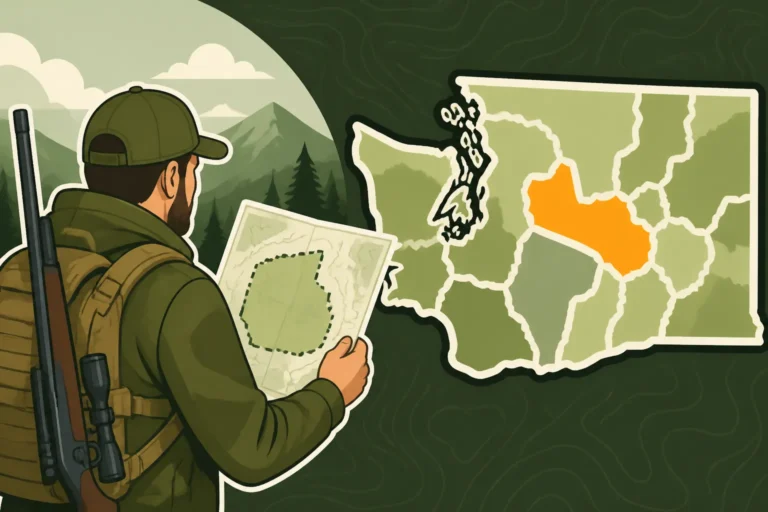
The Toutle Unit, often designated as GMU 520, is an iconic piece of Washington's Westside hunting landscape. It's known for its incredible beauty, its ruggedness, and for holding a significant population of Roosevelt Elk of Western Washington. However, it’s not for the faint of heart. Hunters here face distinct challenges that demand a different approach than chasing Rocky Mountain elk east of the Cascades.
Geographic Landscape and Access Hurdles
Picture this: steep, heavily timbered slopes plunging into deep valleys, often shrouded in a persistent mist or outright rain. That’s the Toutle in a nutshell. The terrain is relentlessly vertical, crisscrossed by numerous drainages and choked with dense second-growth timber, alder thickets, and the infamous salal and devil's club. Finding open lanes of sight is rare, and moving quietly can feel like a superhuman feat.
Access is another layer of the puzzle. The Toutle Unit is a mosaic of different land ownerships, primarily managed by the US Forest Service, Washington Department of Natural Resources (DNR), and large private timber companies. While Forest Service and DNR lands often provide more straightforward access, much of the prime elk habitat can sit behind locked gates on private timber company property. This means you might spend hours navigating a gravel road system, only to find your target area requires a special permit or is entirely off-limits without prior arrangement. The frustration of hitting a locked gate after an hour's drive is real, and it’s something every hunter here has experienced. It requires meticulous pre-season planning and often, additional fees for access through various timber companies.
Elk Behavior in a Pressured Westside Unit
Roosevelt elk in the Toutle Unit are survivors. They've learned to adapt to consistent hunting pressure, becoming masters of stealth and concealment. Unlike their Eastside cousins, who might openly feed in vast sagebrush flats, Toutle's Roosevelt elk are often found in the thickest, nastiest cover you can imagine. They'll use dense clearcuts, dark timber pockets, and deep ravines as their sanctuaries, often moving primarily at night.
This means hunting in the Toutle isn't typically about glassing vast distances. It’s about getting in close, navigating incredibly dense cover, and often engaging in intimate, close-quarters encounters. Their calls might be softer, their movements more cautious, and their presence harder to detect. Understanding that these elk are primarily a "timber animal" and have honed their senses to avoid detection is crucial. You're not just hunting an animal; you're hunting an animal that knows it's being hunted in some of the densest terrain imaginable.
Key Strategies for Hunting Toutle Unit Elk
Success in the Toutle Unit isn't about luck; it's about preparation, persistence, and adapting your tactics to the unique environment. These strategies can help turn frustration into opportunity.
Scouting and E-Scouting for Success
Before you even step foot in the woods, the real hunt begins at home. E-scouting is absolutely essential for the Toutle. Start with detailed satellite imagery on platforms like onX Hunt. Look for:
- Changes in timber density: Identify mature timber blocks, recent clearcuts, and areas of dense reprod (reproduction timber). Elk will use these transition zones heavily.
- Water sources: Even in a wet environment, reliable water is key, especially during drier stretches.
- Topographic features: Steep benches, saddles, and ridge lines are natural travel corridors. Look for terrain features that might funnel elk movement.
- Road access and gates: This is paramount. Use your mapping app to identify public roads, Green Dot roads, and potential private timber gates. You need to know where you can legally access and where you might need permits. Services like GoHunt can sometimes provide insights into permit land access or special regulations for specific units.
Once you have potential areas identified, physical scouting is the next step. Hike those clearcuts, follow game trails, and look for fresh sign: tracks, droppings, rubs, and wallows. Pay attention to the age of clearcuts; often, the 3- to 10-year-old clearcuts with good cover and new growth are prime feeding and bedding areas. Don't be afraid to get uncomfortable and push into the thick stuff; that's often where the elk are. E-Scouting Washington GMUs Before the Draw can provide a solid foundation for your digital preparations.
Hunting Tactics for Dense Timber
Hunting elk in the Toutle Unit is often a game of inches, not yards. Forget long-range shots; most encounters will be within bow range, even with a rifle.
- Still-hunting: This is perhaps the most effective method. Move incredibly slowly, taking a few steps, then pausing for several minutes to scan, listen, and simply be in the woods. Use the wind to your advantage, and pay attention to thermal currents, especially in the mornings and evenings as temperatures shift. Focus on areas with good cover, especially near fresh sign. The principles of Still-Hunting Blacktails in Wet Washington Brush are highly applicable here – slow, deliberate movement, keen observation, and understanding how animals use dense cover.
- Calling: Roosevelt elk do bugle, especially during the peak of the rut, but they tend to be less vocal than Rocky Mountain elk. Often, soft cow calls and glues can be incredibly effective, especially when trying to pull a bull out of dark timber. Set up calling sequences where the caller is slightly behind the shooter, mimicking a cow trying to elude a bull. Be patient; a bull might circle downwind before committing.
- Focus on transition zones: Elk love edges – where a clearcut meets mature timber, where steep ground levels out, or where a dense thicket borders a more open area. These are natural travel lanes and feeding zones. Concentrate your efforts in these areas during prime feeding times (early morning and late evening).
Navigating Access and Regulations in Toutle Country
Understanding who owns the land you're hunting on and what rules apply is paramount. Washington's land ownership can be complex, and getting it wrong can lead to serious consequences.
Public Versus Private Land Complexities
The Toutle Unit, like many Washington Game Management Units Explained, is a patchwork quilt of land ownership.
- US Forest Service (USFS): Generally open to hunting, though seasonal road closures and wilderness area regulations might apply. Often requires a Northwest Forest Pass for parking at trailheads. These are generally the most accessible public lands.
- Washington Department of Natural Resources (DNR): Similar to USFS, DNR lands are usually open to hunting. However, many DNR properties require a Discover Pass for vehicle access. It's crucial to check their online maps for specific area closures or restrictions.
- Private Timber Companies (e.g., Weyerhaeuser, Hancock Forest Management): This is where it gets tricky. Large tracts of land, often prime elk habitat, are privately owned. Some companies offer fee-based permits for seasonal access, while others might participate in Washington Private Lands Access Programs like "Feel Free to Hunt" or "Register to Hunt." These permits are often limited, expensive, and sell out quickly. Always check the specific timber company's website well in advance of the season for their current policies. Ignoring signage or trespassing on these lands is a quick way to lose your hunting privileges.
It's vital to have a reliable mapping system, like onX Hunt, that clearly delineates land ownership. Double-check property boundaries constantly, especially when moving through mixed ownership areas.
Important Regulations and Considerations
Beyond land access, understanding Washington's hunting regulations for the Toutle is critical.
- General Season Dates: The Toutle Unit falls under Western Washington general elk seasons. These can vary by weapon type (archery, muzzleloader, modern firearm) and often include spike-only restrictions or branched-antlered bull requirements. Always consult the current Washington Department of Fish and Wildlife (WDFW) hunting pamphlet. Washington Elk General Seasons East and West gives a broader overview, but always drill down to your specific GMU.
- Weapon Choice: Ensure your weapon meets state legal requirements for the species and season you're hunting. For example, specific broadhead widths for archery or minimum caliber requirements for rifles.
- Harvest Reporting: Don't forget to report your harvest, successful or not. This is a mandatory requirement in Washington and can result in penalties if overlooked. Familiarize yourself with Washington Harvest Reporting Requirements.
- Forest Fire Closures: During dry autumns, portions of the Toutle Unit, particularly on Forest Service or DNR lands, may be subject to fire closures. Always check current conditions before heading out, as these can change rapidly and impact your hunt plans.
A quick table summarizing land types in the Toutle Unit:
| Land Type | General Access Policy | Typical Fees/Permits | Key Considerations |
|---|---|---|---|
| US Forest Service (USFS) | Generally Open | Northwest Forest Pass for some trailheads | Check for road closures, wilderness regulations, fire restrictions. |
| WA Department of Natural Resources (DNR) | Generally Open | Discover Pass often required for parking | Check DNR recreation maps for specific closures, target shooting restrictions. |
| Private Timber (Weyerhaeuser, Hancock, etc.) | Often Restricted; may require permits | Annual permits (fee-based), "Register to Hunt" | Permits often sell out early, check company websites for latest policies, gates. |
| Private Land (Non-Timber) | Requires explicit written permission from landowner | None (unless specified by landowner) | Respect private property, always ask permission before entering. |
Essential Gear for Toutle Unit Hunts
Hunting the Toutle Unit means battling the elements as much as it means finding elk. Your gear needs to be up to the task of keeping you safe, dry, and effective in a demanding environment.
Clothing and Footwear for Wet, Rugged Terrain
Western Washington is synonymous with rain, even in fall. Investing in high-quality rain gear isn't a luxury; it's a necessity. Look for waterproof and breathable outer layers that are also durable enough to withstand brush and thorns. Quiet fabrics are a huge bonus for still-hunting. Layering is key: a good moisture-wicking base layer, insulating mid-layers (fleece or synthetic down), and that bombproof outer shell will keep you comfortable when temperatures fluctuate and the skies open up. Rain Gear That Survives a Washington Westside Season covers this in more detail.
For footwear, think rugged and waterproof. The Toutle means mud, steep inclines, slick roots, and stream crossings. Boots with excellent ankle support and aggressive tread are non-negotiable. Many hunters prefer a stiff-soled boot for stability on steep sidehills. Ensure they are well broken-in before your hunt to avoid blisters. While Boots for Washington's Eastside Rock and Westside Mud discusses both, prioritize Westside-specific features like superior waterproofing and grip. Gaiters are also a smart addition to keep debris and moisture out of your boots.
Navigation and Communication
Getting lost in the thick timber and complex terrain of the Toutle Unit is a real possibility, even for experienced hunters.
- GPS/Mapping Apps: A robust GPS unit or a reliable mapping app on your smartphone (like onX Hunt) is indispensable. Download offline maps for your entire hunting unit before you leave home, as cell service is often non-existent in the backcountry. Use it to mark your vehicle, potential elk sign, and crucially, land ownership boundaries.
- Physical Map and Compass: Never rely solely on electronics. Always carry a physical map of the GMU and a compass, and know how to use them. A dead battery can quickly turn a minor inconvenience into a dangerous situation.
- Two-Way Radios/Satellite Messenger: If hunting with a partner, two-way radios can be a lifesaver for staying in communication in dense cover. For solo hunters or in extremely remote areas, a satellite messenger (like a Garmin inReach or Zoleo) offers the ability to send emergency messages and check in with loved ones, even without cell service. Solo Hunting Safety Precautions should always be at the forefront of your mind when venturing into areas like the Toutle.
Hunting the Toutle Unit is an experience that will test your physical and mental fortitude, but the rewards—a hard-earned Roosevelt bull in some of Washington's most stunning wilderness—are well worth the effort. By preparing thoroughly, understanding the unique challenges, and applying smart tactics, you can significantly increase your chances of success in this truly wild corner of Washington.
Disclaimer
This article is for general informational purposes only and does not constitute professional advice. Laws, prices and regulations vary by location and change over time. Consult a qualified professional for guidance on your specific situation.