Goat Rocks Wilderness Hunting
So, you're dreaming of a hunt in the Goat Rocks Wilderness, aren't you? It's easy to look at those maps, see the vast expanse of public land, and imagine yourself walking amongst giant bulls and bucks. But let's be real: the Goat Rocks are a beast, a beautiful, rugged, unforgiving beast that chews up the unprepared and spits them out. This isn't your roadside whitetail hunt; this is true backcountry, where every step is earned, and Mother Nature calls all the shots. This guide is here to walk you through what to expect, how to prepare, and what kind of commitment it really takes to hunt this magnificent, yet challenging, corner of Washington.
Understanding the Goat Rocks Wilderness
The Goat Rocks Wilderness is a truly iconic, vast expanse nestled within the Gifford Pinchot and Okanogan-Wenatchee National Forests in Washington. Spanning over 100,000 acres, it's a land of sharp, jagged peaks, ancient glaciers, high alpine lakes, and deeply carved valleys. It's a place where the air is thin, the trails are steep, and the views stretch forever, often all the way to Mount Rainier, Mount St. Helens, and Mount Adams. For any hunter, the sheer scale of it can be daunting. There are no roads crisscrossing this area; once you leave the trailhead, you're on foot, or perhaps horseback, miles from any pavement. This inherent inaccessibility is both its greatest challenge and its greatest draw, filtering out all but the most dedicated and adventurous souls.
A Land Forged by Ice and Fire
The geological history of the Goat Rocks is a story of incredible forces. Volcanic activity, followed by countless millennia of glacial erosion, has sculpted a landscape that is both breathtakingly beautiful and incredibly difficult to traverse. You'll encounter towering basalt cliffs, moraines left behind by retreating glaciers, and scree slopes that demand your full attention with every step. The timberline is high, meaning much of your hunting will be in exposed alpine and subalpine meadows, rocky basins, and sparse, stunted timber patches. This open country offers incredible glassing opportunities on clear days, but also leaves you vulnerable to the elements and makes stalking a true art form. It's a stark contrast to the thick, often impenetrable forests of Western Washington Timber Country Access. Understanding this terrain is step one in planning any successful hunt here.
Navigating Wilderness Regulations and Access
Because the Goat Rocks is a designated Wilderness Area, special rules apply. These aren't just suggestions; they are federal mandates designed to preserve the wild character of the land. This means no motorized vehicles, no mountain bikes, and strict adherence to Leave No Trace principles. You'll need to know which trailheads provide access and be prepared for long hikes just to get into decent hunting grounds. The primary access points are often from Forest Service roads that might themselves be seasonal, meaning early or late season snow could block your entry or exit. Hunters planning a trip here should definitely brush up on Washington Wilderness Areas Open to Hunting to avoid any unpleasant surprises. It's not just about knowing where to go, but how to behave once you're there to protect this unique resource. Carrying a detailed map, whether paper or a digital tool like onX Hunt, is absolutely critical. Service is non-existent in most of this country, so ensure all your maps are downloaded offline.
Species You'll Find in Goat Rocks Wilderness
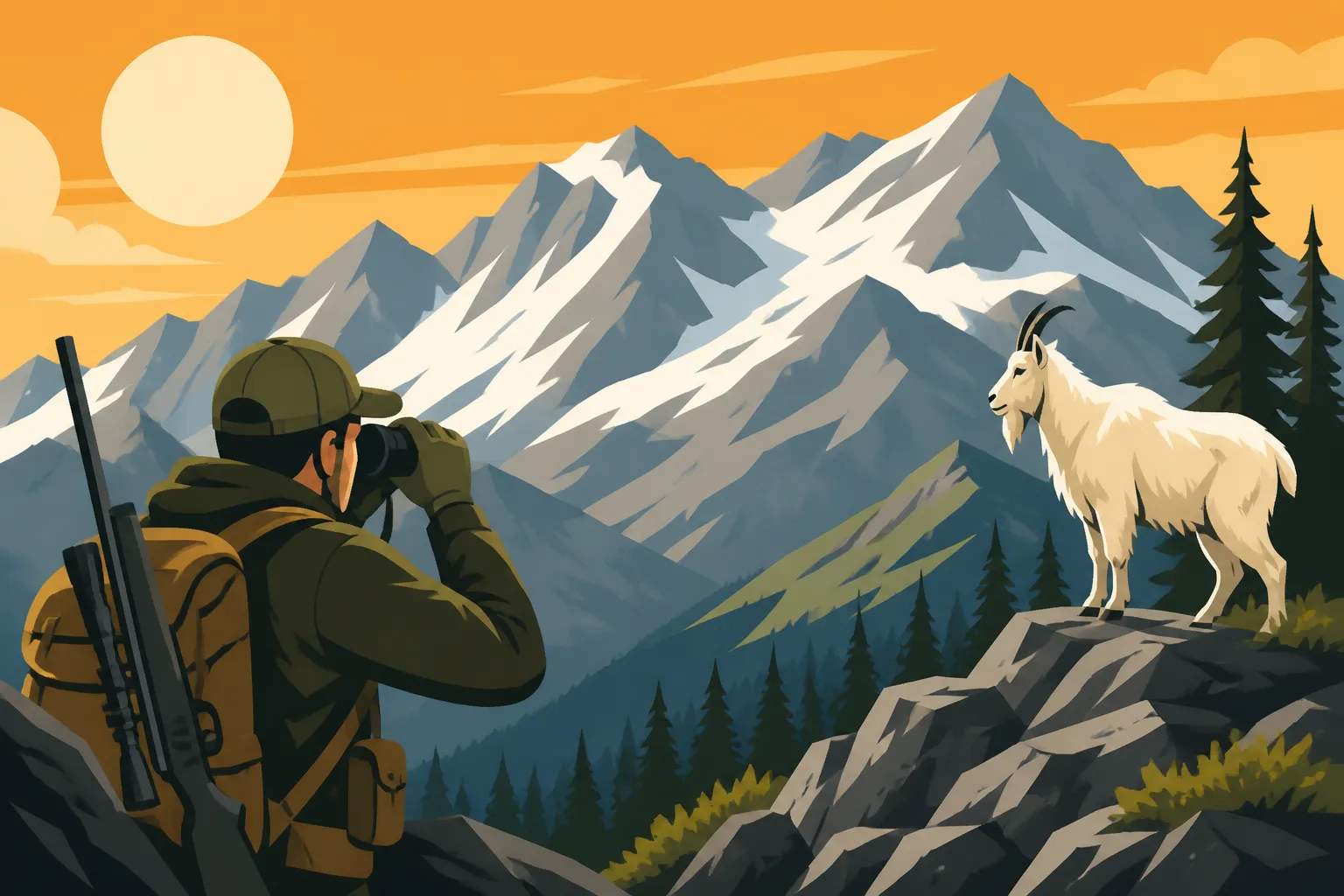
While the Goat Rocks are most famous for their namesake mountain goats (which are not open for general season hunting and require special permits, often drawn through a lottery and once-in-a-lifetime tags), hunters primarily come here for elk and mule deer. These animals thrive in the diverse habitats offered by the wilderness, moving between high alpine summer ranges and lower-elevation wintering grounds. Bear are also present, often seeking berries in the late summer and fall. Each species presents its own unique challenges and opportunities in this rugged environment.
Rocky Mountain Elk: The Prize of the High Country
The elk in the Goat Rocks Wilderness are primarily Rocky Mountain Elk, a hardy subspecies known for their impressive size and bugling prowess. Unlike their coastal cousins, the Roosevelt Elk, these elk tend to inhabit more open, high-elevation terrain, especially during the archery and early rifle seasons. You'll often find them grazing in sprawling meadows, seeking cover in stringers of timber in cirques and basins, or traversing steep slopes. Hunting these animals means long hours behind binoculars, searching for that tell-tale tan patch against the green and grey of the mountainside.
They are smart, and the wide-open nature of much of the Goat Rocks means they can spot you from a long way off. Stalking requires patience, careful use of what little cover exists, and often requires navigating seriously steep terrain. Remember, these are elk that live in a truly wild setting, untouched by roads, so they aren't habituated to human presence in the same way elk closer to agricultural lands might be. Finding a herd bull screaming across a basin during the September archery season is an experience that will stay with you forever, but getting within range is another story entirely. It's truly a different game than what you might find in The Yakima Elk Herd or The Colockum Elk Herd.
Mule Deer: Kings of the Basins and Ridges
Mule deer are another primary target for hunters venturing into the Goat Rocks. These majestic deer are perfectly adapted to the rugged, high-desert-like conditions found in parts of the wilderness, especially on its eastern edges, and the higher alpine basins throughout. They prefer the broken country, steep slopes, and rocky outcroppings that offer both forage and escape cover. During the summer and early fall, bucks will often be found high above the timberline, growing their antlers in the relative peace of the alpine.
Hunting mule deer in the Goat Rocks demands excellent glassing skills and an ability to cover ground. You'll spend hours perched on a vantage point, scanning every rock slide, every patch of krummholz, and every timber pocket for the tell-tale ear flick or antler tine. Once spotted, a stalk can be incredibly challenging due to the sparse cover and the deer's keen eyesight. Understanding Mule Deer of Eastern Washington behavior and habitat preferences is key, as the Goat Rocks represent some of the most classic mule deer habitat in the state. Don't be surprised if you find mature bucks in places that seem impossible to reach; that's often exactly where they prefer to hide.
Black Bear: An Opportunistic Pursuit
While not the primary draw for most Goat Rocks hunters, black bears are a common resident and can offer an exciting addition to an elk or deer hunt. They are opportunistic omnivores, feeding heavily on berries, roots, and whatever else they can find in the high country. As the season progresses into fall, they'll often be found lower down, foraging in subalpine huckleberry patches before denning up for winter.
Spotting a bear often happens incidentally while you're glassing for deer or elk. If you're carrying a bear tag, it can be a fantastic bonus. However, remember the rules: no baiting is allowed in Washington, and it's strictly a spot-and-stalk affair. Bears in the Goat Rocks are wild and wary, generally avoiding human contact, but always be bear aware, especially when camping or packing out meat. It's a great opportunity to explore Washington Black Bears Coast to Cascades in their natural, untamed habitat.
Planning Your Goat Rocks Wilderness Hunt
A hunt in the Goat Rocks Wilderness isn't something you decide to do on a whim. It requires meticulous planning, both physically and logistically. This isn't just about throwing gear in a truck; it's about preparing your body, your mind, and every piece of equipment for a serious backcountry challenge. The difficulty factor is high, and the margin for error is low.
Physical Conditioning and Mental Toughness
Let's be blunt: if you're not in excellent physical shape, the Goat Rocks will break you. The trails are relentless, gaining thousands of feet in elevation over short distances, often with a heavy pack. You'll be climbing steep ridges, descending into deep valleys, and navigating rocky terrain that will test your ankles and knees. Training should include plenty of hiking with a weighted pack, stair climbing, and general cardio endurance. Don't underestimate the impact of elevation, either; while not extremely high by Rocky Mountain standards, the sustained effort at 5,000-7,000 feet (and higher) can take a toll.
Beyond physical fitness, mental toughness is paramount. You'll likely face bad weather, missed opportunities, exhausting climbs, and potentially frustrating setbacks. The ability to push through discomfort, maintain a positive attitude, and make sound decisions when tired and cold is just as important as strong legs. This is where a lot of hunters tap out, not because their body gives up, but because their mind does. This is a real test, and it requires you to be honest with yourself about your capabilities.
Essential Gear for the Backcountry
Your gear list for the Goat Rocks needs to be carefully curated. Every ounce matters, but you absolutely cannot skimp on essentials. Think about durability, weather protection, and multi-functionality.
- Footwear: Boots for Washington's Eastside Rock and Westside Mud are non-negotiable. You need sturdy, waterproof boots with excellent ankle support and aggressive soles for traction on loose rock and steep dirt. Break them in well before your hunt.
- Layering System: The weather can change drastically in the high country, often within a single day. You'll need a versatile layering system that includes a good wicking base layer, insulating mid-layers (fleece or puff jacket), and a bomb-proof Rain Gear That Survives a Washington Westside Season. Even on the east side, rain and snow can hit hard.
- Backpack: A quality pack, ideally a frame pack, capable of carrying heavy loads is crucial. You're not just carrying your camp and daily hunting gear; you need to be able to pack out an animal. Consider Packs Sized for a Washington Elk Quarter carefully.
- Optics: Optics for Washington Elk and Deer Hunting are your best friend here. A good pair of 10x binoculars is essential, and many hunters will also carry a spotting scope and tripod to pick apart distant hillsides. A rangefinder with angle compensation is also incredibly useful for those steep shots.
- Navigation: While a GPS unit is great, a phone app like onX Hunt, with downloaded offline maps, is an indispensable tool. A physical map and compass are also wise backups.
- Shelter: Whether it's a lightweight tent for spike camps or a robust wall tent for a base camp (if using horses), your shelter needs to withstand potential high winds and heavy precipitation. Read up on Backcountry Camps in Washington Wilderness for specific wilderness regulations.
- Meat Care: Don't forget quality game bags, a sharp knife, and potentially a bone saw. You'll be processing your animal in the field, likely miles from the trailhead, so quick and efficient meat care is vital.
Here's a quick comparison of essential gear categories:
| Gear Category | Key Considerations | Why it Matters in Goat Rocks |
|---|---|---|
| Footwear | Waterproof, high ankle support, aggressive sole | Steep, rocky, often wet terrain; heavy pack loads |
| Layering System | Wicking, insulating, waterproof/windproof outer shell | Extreme weather variability, from sun to snow in hours; high exertion |
| Backpack | Internal or external frame, minimum 60L capacity | Carrying multi-day supplies and ability to haul out heavy game meat |
| Optics | 10x binoculars, spotting scope, rangefinder | Vast, open country demands extensive glassing for distant animals |
| Navigation | GPS/Phone app (offline maps), paper map, compass | No cell service, unmarked trails, complex terrain; easy to get lost |
| Shelter | Lightweight, durable, storm-worthy tent | High winds, rain, snow possible at any time of year |
| Meat Care | Quality knives, game bags, cordage | Field dressing and quartering far from vehicles; hygiene and preservation |
E-Scouting and Pre-Season Research
Your hunt begins long before you set foot on a Goat Rocks trailhead. E-scouting is absolutely critical for understanding this complex landscape. Platforms like onX Hunt or GoHunt provide satellite imagery, topo maps, and land ownership overlays that allow you to virtually explore the wilderness from home. Look for:
- Potential Bedding Areas: Steep, north-facing slopes with some timber cover are often favored.
- Feeding Areas: Alpine meadows, huckleberry patches, and avalanche chutes are prime elk and deer browse.
- Water Sources: Identify perennial springs or small tarns, especially in dry years.
- Travel Corridors: Saddle passes, ridge lines, and game trails.
- Access Points and Trails: Pinpoint trailheads, potential bottlenecks, and how to navigate the wilderness boundary.
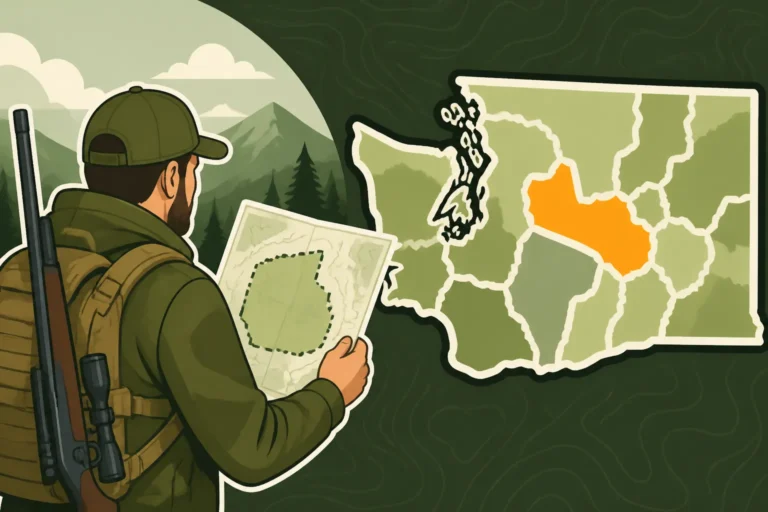
Remember to cross-reference your digital scouting with actual weather patterns and historical data if you can find it. Snow depth in spring, fire activity in summer, and migration patterns of Rocky Mountain Elk East of the Washington Cascades will all influence where animals might be. Don't forget to check the current Washington hunting regulations specific to the GMU (Game Management Unit) you plan to hunt within the Goat Rocks. A quick search for Washington Game Management Units Explained will help you understand how these units are structured.
Navigating the Terrain and Weather in Goat Rocks
Hunting in the Goat Rocks Wilderness is a full-body, full-mind experience that extends far beyond just finding an animal. The environment itself is a constant factor, demanding respect, preparedness, and adaptability. The mountains dictate the terms, and you're merely a visitor.
Extreme Weather Conditions
One of the biggest challenges in the Goat Rocks is the unpredictable and often extreme weather. Even in September, you can experience a full range of conditions within a single day. Crisp, clear mornings can give way to torrential rain, heavy fog, or even snow flurries by afternoon. Thunderstorms can roll in quickly, bringing dangerous lightning to exposed ridges.
- Rain and Snow: Be prepared for cold, wet conditions at any time. Hypothermia is a real risk if you get wet and the temperatures drop. Your rain gear needs to be top-notch, and you should always have dry layers packed in a waterproof bag within your pack.
- Wind: The high ridges and open basins are often subject to strong, relentless winds, which can make glassing difficult, increase the wind chill, and make setting up camp a challenge.
- Fog: Thick fog can roll in unexpectedly, reducing visibility to mere feet. This can be disorienting and dangerous in steep terrain. Always have your GPS or phone with offline maps ready, and know how to use a compass.
It's absolutely essential to check the mountain weather forecast specific to the elevations you'll be hunting, not just the nearest town, before you head out. And even then, be ready for anything.
Rugged and Demanding Terrain
The Goat Rocks live up to their name – it's a rocky place. You'll encounter miles of scree slopes, boulder fields, and talus, all of which are incredibly difficult and energy-sapping to traverse. Trails can be faint, overgrown, or non-existent in places, especially higher up. Expect:
- Steep Climbs and Descents: Most days will involve significant elevation changes. Your knees, quads, and lungs will get a workout. Trekking poles are highly recommended to save your joints and maintain balance, especially with a heavy pack or when packing out meat.
- Loose Rock: Every step needs to be deliberate. A twisted ankle or a fall on loose rock can end your hunt and create a serious emergency far from help.
- Dense Timber Pockets: While much of the country is open, there are still thick pockets of timber, especially below the timberline. These can be incredibly difficult to navigate and offer perfect hiding spots for elk and deer. Still-Hunting Blacktails in Wet Washington Brush techniques might even prove useful in these dense areas, though for larger animals, still-hunting is often too slow and noisy.
Remote and Challenging Navigation
Getting lost in the Goat Rocks isn't just an inconvenience; it can be life-threatening. The sheer scale and homogeneity of some areas, especially during bad weather or low light, can make navigation tricky.
- Reliance on GPS/Offline Maps: As mentioned, cell service is rare to non-existent. Your digital maps (like GoHunt's mapping features or onX Hunt) with pre-downloaded layers are your lifeline. Mark your camp, key landmarks, and potential escape routes.
- Topographic Awareness: Learn to read a topo map and understand how terrain features relate to each other. This is crucial for planning your route, identifying animal travel patterns, and navigating when visibility is poor.
- Emergency Preparedness: Carry a satellite communication device (like a Garmin inReach or Zoleo) for emergencies. Always let someone know your detailed trip plan and expected return date. Even a simple Leaving a Trip Plan at Home can save your life. Dehydration, sprains, falls, and unexpected weather shifts can turn a great hunt into a survival situation quickly.
Hunting the Goat Rocks Wilderness is truly a quintessential Washington backcountry experience. It's not for the faint of heart, but for those willing to put in the work and respect the wild, it offers unparalleled rewards and memories that will last a lifetime.
Disclaimer
This article is for general informational purposes only and does not constitute professional advice. Laws, prices and regulations vary by location and change over time. Consult a qualified professional for guidance on your specific situation.