Wenas Wildlife Area Hunting
The Wenas Wildlife Area, nestled in the central Cascades foothills, can be an incredible place to pursue game, but it often frustrates hunters with its challenging terrain, vastness, and specific access rules. This isn't your grandfather's easy hunt; it demands preparation, perseverance, and a deep understanding of its unique environment. This guide will walk you through everything you need to know to confidently tackle Wenas, from navigating its diverse landscape and understanding regulations to specific hunting tactics for elk, mule deer, and upland birds, ensuring you're ready for the adventure.
Welcome to Wenas: A Rugged Eastern Washington Gem
The Wenas Wildlife Area is a true jewel in Washington's hunting landscape, encompassing over 100,000 acres of diverse habitat that ranges from sagebrush-steppe lowlands to ponderosa pine forests and riparian zones along the Wenas Creek. It’s a place where the air smells of dust and pine, and the quiet is broken only by the rustle of dry grass or the distant call of an elk. For many, Wenas represents the quintessential Eastern Washington Hunting Country, offering opportunities for big game like Rocky Mountain elk and mule deer, along with a healthy population of black bears and excellent upland bird hunting.
The sheer size of Wenas can be daunting, and the terrain is unforgiving. Expect steep, rocky slopes, deep canyons carved by seasonal creeks, and vast stretches of open country punctuated by thickets of bitterbrush and scattered timber. This isn't a place for the faint of heart or the ill-prepared. The elevation changes dramatically, from around 1,800 feet near the Wenas Valley floor to over 6,000 feet on the higher ridges. This creates a mosaic of microclimates and habitats, meaning game animals will utilize different areas depending on the season, weather, and hunting pressure. Understanding these nuances is crucial for success here.
The area's topography also means that what looks like a short hike on a map can easily turn into an all-day ordeal. You’ll find yourself pushing through dense cover in some spots and then trying to remain undetected across wide-open slopes in others. It's a land of contrasts, beautiful and brutal all at once, which is precisely why it draws so many dedicated hunters year after year.
Accessing and Navigating the Wenas Wildlife Area
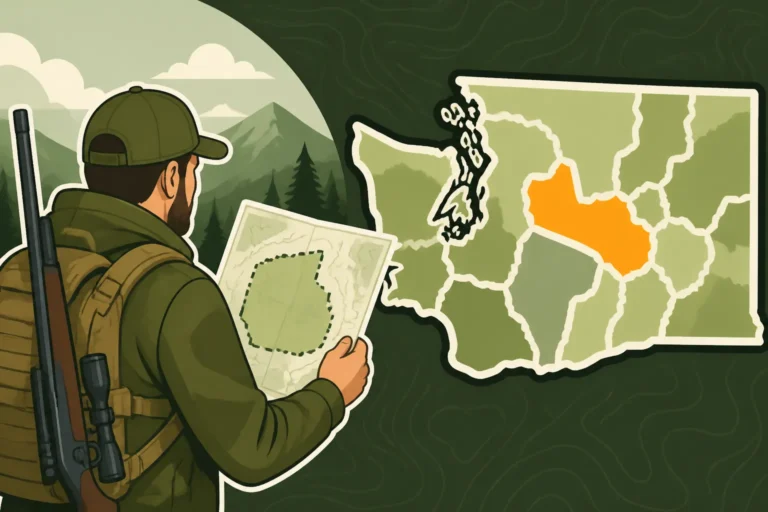
Navigating the Wenas Wildlife Area requires more than just a passing glance at a map; it demands detailed planning and adherence to specific WDFW regulations. A significant portion of Wenas is managed under a "Green Dot Road" system, which designates roads open for motorized use versus those closed to protect wildlife, reduce erosion, or enhance walk-in hunting opportunities. Misinterpreting these roads can lead to fines, so it's paramount to know where you can and cannot drive. Using a reliable mapping application like onX Hunt is almost non-negotiable here. It provides invaluable real-time information on property boundaries, open and closed roads, and topography, which is essential for effective navigation and avoiding trespass.
Beyond the Green Dot roads, hunters also need to be aware of the specific parking requirements. Many areas within Wenas, like other WDFW properties, require a Washington Wildlife Area Parking Permits. This pass is often included with your hunting license, but it's always wise to double-check and ensure you have the correct documentation displayed in your vehicle. Camping is permitted in designated areas, but regulations often limit the length of stay and prohibit activities that could damage the environment. Fire restrictions are also common, especially during the dry late summer and early fall months, so always check current conditions before you go.
| Aspect | Detail | Important Consideration |
|---|---|---|
| Location | Central Washington, primarily Yakima and Kittitas counties. East of the Cascades. | Dry, high-desert to Ponderosa pine habitat. |
| Primary Access | Via Wenas Road (from Yakima) or Umtanum Road (from Ellensburg). Numerous smaller Green Dot roads. | Utilize tools like onX Hunt to identify legal access points. |
| Road System | Extensive Washington Green Dot Road Systems. Some roads are open year-round, some seasonally, and many are permanently closed. | Check WDFW pamphlets and your mapping app for current status. |
| Permits Required | Valid hunting license and appropriate tags. Washington Wildlife Area Parking Permits often required for vehicle access/parking. | Display permit clearly. |
| Camping | Permitted in designated areas; typically primitive. | Observe fire restrictions, pack out all trash, respect quiet hours. |
| Firearm Restrictions | General firearm regulations apply; always verify specific GMU rules. | No target shooting in undesignated areas. |
| Species | Rocky Mountain Elk, Mule Deer, Black Bear, Turkey, Chukar, Quail, Grouse. | Seasons vary widely; consult current WDFW regulations for specific dates. |
While onX Hunt is an excellent tool for real-time navigation, spending time with a broader research platform like GoHunt can also be beneficial before your trip. It can help you analyze WDFW data, harvest reports, and general hunting trends for similar units, giving you a strategic edge. Remember, the regulations can change, sometimes unexpectedly, so always consult the latest WDFW hunting pamphlet for the most up-to-date information on seasons, bag limits, and specific area rules before heading out.
Hunting Strategies for Wenas Elk, Deer, and Upland Birds
Wenas offers a diverse hunting experience, but success hinges on tailoring your strategy to the specific game you're pursuing and the conditions you face. This isn't a one-size-fits-all kind of place.
Elk Hunting in the Rugged Backcountry
Elk hunting in Wenas can be incredibly rewarding, but it’s rarely easy. The Wenas elk herd is known for being resident, meaning they often stay in the area year-round, adapting to the seasonal changes. During the early archery season, typically in September, bulls are often vocal, making Archery Elk Hunting in Washington's September Season a thrilling prospect. They’ll be found higher up in the cooler timbered draws and dark timber pockets, especially during the warmer parts of the day. As the rut progresses, listening for bugles and using cow calls and Bugling and Cow Calling in Washington's Archery Elk Season can draw them out. Look for wallows and fresh sign along ridge tops and in saddles. Remember, elk here are pressured, so approaching silently and strategically is key.
Come general rifle season, usually in October, the elk become much warier due to increased pressure. They’ll often retreat to the thickest cover they can find, often deep within the numerous canyons or in the dense stands of ponderosa. Snow, if it falls early, can push them down to lower elevations where forage is still accessible, but don't count on it. Focus on covering ground, looking for fresh tracks, droppings, and rubs. Still-hunting through timbered areas, especially where slopes are broken by benches and draws, can be effective. During this time, they often become nocturnal, so identifying their bedding areas and intercepting them during early morning or late evening movements to and from feed can be your best bet.
Pursuing Mule Deer in Sage and Timber
Mule deer in Wenas are spread throughout the wildlife area, favoring the mosaic of sagebrush flats, bitterbrush slopes, and the fringes of timber. Early season archery and modern firearm hunts typically find bucks higher up, often in the transition zones between sage and the ponderosa. During these times, patience and good optics are your greatest assets. Utilizing a strategy of Glassing Sage and Wheat Edges for Washington Mule Deer from elevated positions at first light and last light can help you spot deer as they move to feed or bed. Pay close attention to north-facing slopes with scattered timber or dense brush, as these offer shade and security.
As the season progresses and hunting pressure increases, mule deer will become more reclusive. They’ll often bed in thick stands of bitterbrush or junipers that offer excellent concealment. Look for well-used trails leading to water sources, especially during dry periods, as these can concentrate deer movement. Understanding Mule Deer Winter Range and Survival helps predict where they might move as temperatures drop or snow arrives, though significant snowpack is less common in the lower Wenas during general seasons. The Wenas area holds a healthy population of mule deer, but they are masters of using the terrain to their advantage, often disappearing into plain sight. Long-range glassing, followed by a careful stalk, is often the most successful tactic.
Upland Bird Hunting: Chukar, Quail, and Grouse
For the upland bird hunter, Wenas is a phenomenal destination, particularly for chukar. These notoriously challenging birds thrive on the steep, rocky slopes and broken terrain characteristic of much of Wenas. Hunting chukar is a physically demanding pursuit that will test your legs and lungs. Expect to climb hundreds, if not thousands, of feet in elevation, often traversing loose scree and rocky outcrops. A good bird dog, conditioned for rugged terrain, is a huge asset. Focus your efforts on south-facing slopes in the morning as they warm up, and near water sources.
California quail are also abundant, often found in the riparian zones along Wenas Creek and in dense brushy draws closer to water. They’ll often hold tighter than chukar, offering excellent dog work and flush opportunities. Ruffed and blue grouse can be found in the timbered sections, particularly in the ponderosa pine stands and shaded draws. Unlike chukar, grouse hunting is typically a more methodical affair, still-hunting through cover and listening for flushes. For a comprehensive guide to these birds, check out Chukar, Quail and Grouse in Washington. Remember, always carry plenty of water for yourself and your dog, as the terrain is dry and strenuous.
Gear and Mindset for a Successful Wenas Hunt
Heading into the Wenas Wildlife Area unprepared is a recipe for a tough, and potentially unsafe, experience. This is not a casual hunt, and your gear and mental preparation need to reflect the rugged reality of the terrain and conditions.
Essential Gear for Wenas Terrain
First and foremost, your footwear is paramount. Wenas features a harsh mix of steep, rocky ground, loose scree, and sometimes slick, dusty trails. You need sturdy, well-broken-in boots with excellent ankle support and aggressive traction. Opt for a boot designed for mountainous or rough terrain, not just flatland stalking. Consider a pair built for Boots for Washington's Eastside Rock and Westside Mud, as Wenas can present both conditions. Pairing them with good quality gaiters can keep scree and seeds out of your boots and protect your lower legs from brush.
Optics are another non-negotiable item. Whether you're hunting elk or mule deer, the ability to effectively glass vast areas is crucial. A good pair of 10x binoculars is a minimum, and many hunters find a spotting scope beneficial for identifying game at extreme distances, especially for mule deer. A rangefinder is also essential for ethical shot placement in the often-steep and deceptive terrain. For navigation, while physical maps are always a good backup, a smartphone loaded with a reliable hunting app like onX Hunt is incredibly powerful. Ensure you download offline maps for the entire area, as cell service is spotty to non-existent in many parts of Wenas. For more on navigating with tech, see GPS Apps and Offline Maps for Washington Units. Additionally, a headlamp, first-aid kit, fire starter, and sufficient water (or a reliable water filter) are must-haves. Dehydration is a real concern in Wenas, especially during early seasons when temperatures can still soar.
Mental and Physical Preparation
Wenas demands physical fitness. If you're planning an elk or chukar hunt, expect to cover significant distances over steep, uneven ground. Start a consistent exercise routine well before your hunt, focusing on cardio, leg strength, and endurance. Simulating hunting conditions with a weighted pack on uneven trails is highly beneficial. Mental toughness is equally important. There will be days when the game seems to vanish, the climbing feels endless, and the weather turns. The ability to push through fatigue, stay positive, and adapt your plan is key to success.
Understanding the specific game you're after and their habits in this environment is also part of your preparation. Spend time researching WDFW regulations, historical harvest data (which platforms like GoHunt can help you analyze), and scouting maps before you even set foot on the ground. GoHunt offers detailed unit analyses that can give you insights into game populations and terrain features, even for general season units like Wenas. This combination of physical readiness, robust gear, and informed mental preparation will give you the best chance for a successful and enjoyable hunting experience in the rugged Wenas Wildlife Area.
Disclaimer
This article is for general informational purposes only and does not constitute professional advice. Laws, prices and regulations vary by location and change over time. Consult a qualified professional for guidance on your specific situation.