Northwest Forest Pass and Washington Hunting Access
Oh, the sheer frustration of rolling up to a trailhead in the pre-dawn dark, heart pounding with anticipation for the day's hunt, only to be met by a sign detailing a pass requirement you didn't anticipate. Or worse, you've got your Discover Pass proudly displayed, only to find out you actually needed a Northwest Forest Pass. It’s a common mix-up that can throw a wrench into even the best-laid hunting plans, leaving you fumbling for cash or worse, risking a ticket. This guide is here to clear up the confusion around the Northwest Forest Pass and ensure you have the right credentials for your Washington hunting adventures.
Understanding Public Land Access Passes in Washington
Washington State offers an incredible amount of public land for hunters, but navigating the various land management agencies and their specific access requirements can feel like trying to solve a puzzle in the dark. It’s not as simple as "public land equals free access." Different agencies manage different tracts of land, and each often has its own set of rules and, yes, its own passes. Understanding these distinctions is crucial for a smooth hunting trip, preventing unnecessary fines, and ensuring you're a responsible land user.
The Northwest Forest Pass: What it Covers and Doesn't
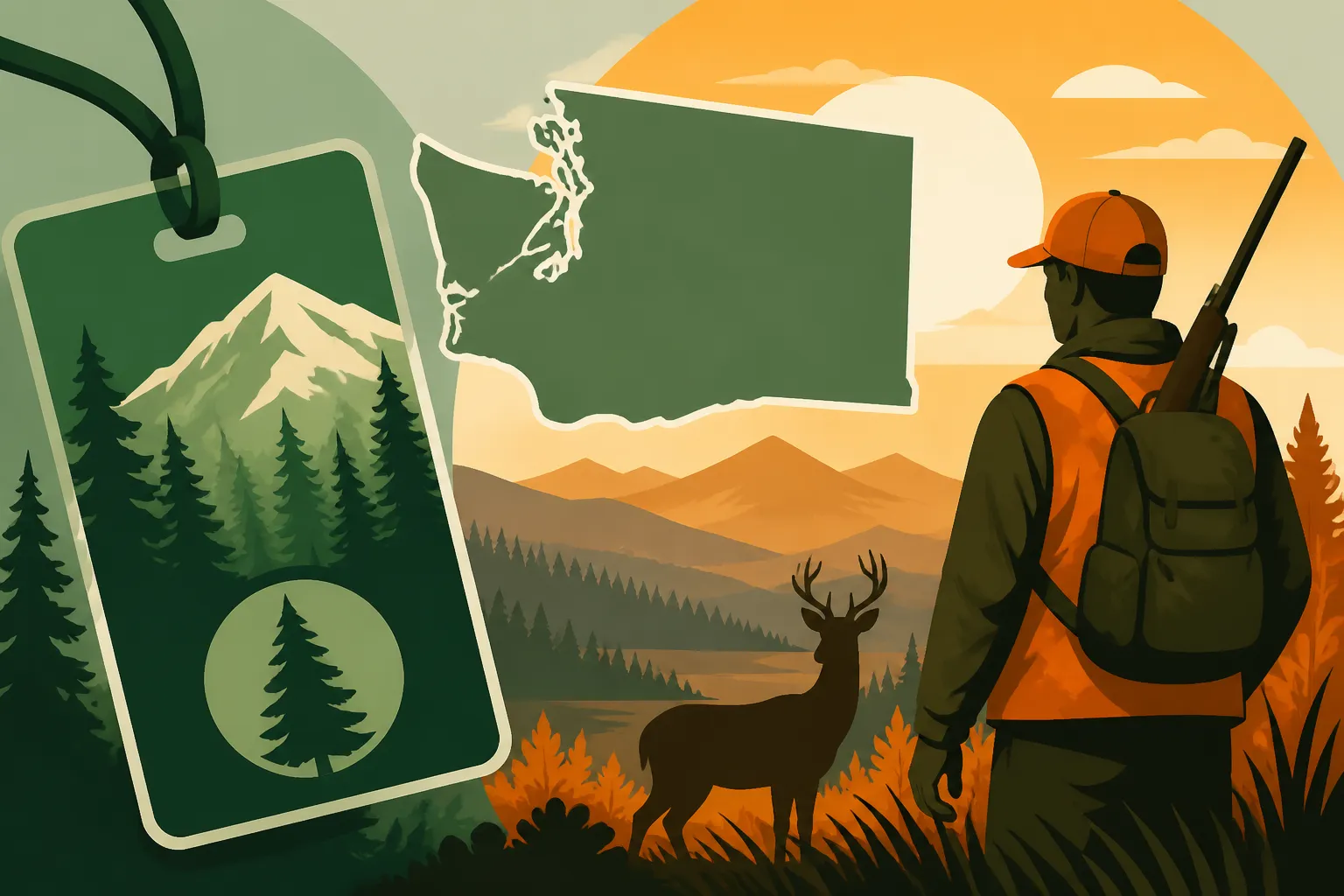
The Northwest Forest Pass is specifically designed for accessing recreation sites and trailheads within National Forests and National Grasslands in Washington and Oregon. Think of it as your entry ticket to areas managed by the U.S. Forest Service. This means when you’re heading into a designated trailhead in the Gifford Pinchot National Forest, the Okanogan-Wenatchee National Forest, or the Olympic National Forest, you’ll likely need this pass. It's often required for parking at developed trailheads, picnic areas, and other facilities where user fees help maintain the infrastructure.
What's really important to grasp is what it doesn't cover. It does not give you access to state-managed lands, like those under the Washington Department of Natural Resources (DNR) or Washington Department of Fish and Wildlife (WDFW), nor does it cover National Parks. This distinction is where many hunters get tripped up. You might be hunting in a Game Management Unit (GMU) that spans multiple land types, requiring different passes depending on where you decide to park your truck and start your hike. Understanding this specific purpose helps avoid that sinking feeling when you realize you have the wrong pass for the lot you've chosen.
Other Key Passes You Might Need
While the Northwest Forest Pass is vital for National Forest access, it's just one piece of the puzzle. Washington hunters often need to carry a few different passes, depending on their chosen hunting grounds. The most common alternative, and often confused with the Northwest Forest Pass, is the Discover Pass. This pass is your golden ticket to Washington State Parks, WDFW lands, and DNR lands—essentially, all state-managed recreation lands. If you're hunting in the Wenas Wildlife Area or on state trust lands managed by DNR, the Discover Pass is a must-have. Without it, you could face a fine, even if you’re just pulling over on the side of a gravel road that happens to be on state land.
Then there are specific permits for certain private timber company lands, like those managed by Weyerhaeuser or Hancock Forest Management, which might require their own separate permits, often purchased seasonally or by specific gate access. These permits are entirely distinct from the federal or state passes. Finally, some very specific federal recreation sites might require a different pass entirely, such as the America the Beautiful Annual Pass, which covers all federal recreation lands and can be a good option if you visit a lot of different federal areas beyond just National Forests. Knowing which agency manages the land you're heading into is the first step in identifying the correct pass. You can often find this information by checking your Washington Game Management Units Explained maps.
Where the Northwest Forest Pass is Most Relevant for Hunters
For big game hunters in Washington, particularly those pursuing elk and deer in the mountains, National Forests are often prime hunting grounds. These vast tracts of land provide critical habitat and a more remote hunting experience. Understanding where these lands are and the typical access points that require a pass is fundamental to planning a successful hunt.
National Forests: Your Primary Target
Washington is home to several sprawling National Forests that offer exceptional hunting opportunities for species like Roosevelt Elk of Western Washington and Mule Deer of Eastern Washington. These include:
- Okanogan-Wenatchee National Forest: Stretching across the eastern slopes of the Cascades, this forest is renowned for its mule deer, black bears, and Rocky Mountain elk. Hunters often access high-country basins and deep river canyons within this forest.
- Gifford Pinchot National Forest: Located in southwestern Washington, this forest is a hotspot for Roosevelt elk and blacktail deer, with vast timbered slopes and volcanic landscapes. Many trailheads leading into wilderness areas or popular hunting spots here will require the pass.
- Olympic National Forest: Wrapping around the Olympic National Park, this forest offers classic wet, dense Western Washington hunting for Roosevelt elk and blacktail deer. Access points into this lush, coastal environment frequently require the Northwest Forest Pass.
- Colville National Forest: Found in northeastern Washington, this forest provides habitat for white-tailed deer, moose, and a smaller population of Rocky Mountain elk. While less frequently discussed for the Northwest Forest Pass, if you hit a designated recreation site or trailhead here, you'll need it.
When you're E-scouting E-Scouting Washington GMUs Before the Draw or looking at potential areas to hunt, pay close attention to the land status. Tools like onX Hunt are incredibly helpful here, as they clearly show the boundaries of National Forests (often denoted in green or purple), allowing you to anticipate pass requirements before you even leave your driveway.
Specific Washington National Forests Requiring the Pass
Let’s get a bit more specific. If you’re planning a high-country archery hunt in the Chelan Unit of the Okanogan-Wenatchee, or perhaps chasing late-season blacktails in the Olympic Unit, you're squarely in Northwest Forest Pass territory. Many popular access points, like the trailheads leading into the Pasayten Wilderness, Alpine Lakes Wilderness, or Wenaha-Tucannon Wilderness, are managed by the U.S. Forest Service and will have clear signage indicating the need for the pass.
It's easy to overlook this detail, especially if you're focused on game sign or scouting game trails. However, neglecting a pass requirement can quickly turn a successful outing into a frustrating experience. It's not just about avoiding a fine; it's about supporting the infrastructure that allows us to access these incredible public lands. These fees contribute to maintaining trails, facilities, and the overall management of these valuable resources. Always double-check the signs at your specific parking area; sometimes a remote pull-out doesn't require a pass, while a developed trailhead just a quarter-mile down the road does.
| Pass Type | Administering Agency | Lands Covered | Primary Use for Hunters | Typical Cost Shape |
|---|---|---|---|---|
| Northwest Forest Pass | U.S. Forest Service | National Forests (WA/OR) designated recreation sites | Parking at trailheads in Okanogan-Wenatchee, Gifford Pinchot, Olympic NF | Low annual fee |
| Discover Pass | WA State | State Parks, DNR Lands, WDFW Wildlife Areas | Accessing state trust lands, WDFW properties, state park entry | Moderate annual fee |
| America the Beautiful | Federal (interagency) | All federal recreation lands (NPS, USFS, BLM, FWS) | Broad access to federal lands; good if visiting multiple agencies | Higher annual fee |
| Private Timber Permits | Private Companies | Specific private timber company lands | Accessing closed timber gates or designated walk-in areas | Varies, often seasonal |
Navigating Access Points and Parking with the Northwest Forest Pass
So, you’ve identified that you’re hunting in a National Forest, and you know you need that Northwest Forest Pass. Now, how do you make sure you’re using it correctly and avoiding any headaches? It’s all about understanding where and how these passes are enforced. Most hunters are good stewards of the land, but an honest mistake with a pass can still lead to a ticket.
Identifying Trailheads and Recreation Sites
The key to knowing if you need a Northwest Forest Pass is to look for official signage. At most designated trailheads, boat launches, or developed picnic areas within a National Forest, you'll see a sign clearly stating "Northwest Forest Pass Required" or "Recreation Pass Required," often with a fee tube nearby for day passes if you don't have an annual one. These signs are usually at the entrance to the parking area or right at the trailhead kiosk. If you're pulling off into an unmarked gravel pull-out on the side of a Forest Service road that leads into an undesignated area, a pass might not be technically required for that specific spot. However, if your hike eventually leads you to a developed trail system or a designated wilderness entry point, it’s always better to err on the side of caution and display your pass.
Consider this: you're planning a trip into the Glacier Peak and Alpine Lakes Wilderness. Most main trailheads accessing these areas are within the Okanogan-Wenatchee or Gifford Pinchot National Forests and will almost certainly require the pass. Even if you're not planning on using any of the developed facilities, your vehicle parked in the designated lot is still subject to the fee. If you're unsure, check the Forest Service website for the specific ranger district you'll be hunting in, or look for information on official forest maps. Using mapping tools like onX Hunt can often show these designated parking areas or trailheads, giving you a heads-up on potential pass requirements.
Common Scenarios and Avoiding Parking Tickets
One of the most common mistakes is assuming that because you're "just hunting," you don't need to pay for parking at a recreation site. But if that site is managed by the Forest Service and marked as requiring a pass, you absolutely do. To avoid a parking ticket, always:
- Look for Signs: This is your first line of defense. The Forest Service does a pretty good job of marking areas where passes are required.
- Display Clearly: If you have an annual pass, make sure it’s hanging from your rearview mirror or affixed to your windshield in a visible manner. If you're buying a day pass, fill it out completely and place the dated portion on your dashboard where it can be easily seen.
- Check Your Maps: Before you go, use resources like GoHunt's mapping features or E-Scouting a Washington GMU From Home tools to identify the land management agency for your chosen parking spot. These applications often have layers that show Forest Service lands, WDFW lands, and other classifications, helping you preemptively know which pass you’ll need.
- Have a Backup: Carry some small bills or a pen with you if you think you might need to fill out a day use envelope. Cell service is often spotty in these remote areas, so you can't always rely on a payment app.
Remember, these passes are about funding the places we love to hunt. Paying the modest fee is a small price to ensure these areas remain accessible and maintained for future generations.
Integrating Pass Knowledge into Your Hunt Planning
Successful hunting in Washington isn't just about knowing where the game is; it's also about understanding where you can legally access it and what permits you need to do so. Integrating your knowledge of the Northwest Forest Pass, Discover Pass, and other permits into your planning process will save you stress and potential fines in the field.
Using Mapping Tools to Confirm Land Status
In today's hunting world, digital mapping tools are an absolute game-changer. Platforms like onX Hunt offer invaluable layers that clearly delineate land ownership and management. Before you even set foot in the woods, you can use these tools to scout potential access points and confirm whether a specific area falls under U.S. Forest Service, DNR, WDFW, or private land jurisdiction. This allows you to identify exactly which passes or permits you'll need.
For instance, if you're considering hunting a particular ridge that straddles the boundary between a National Forest and a state wildlife area, you can easily see this on your map. This foresight allows you to pack both your Northwest Forest Pass and your Discover Pass, ensuring that no matter which side of the boundary you end up parking on, you're covered. It's a small step in your Public Land Scouting in Washington Before Opening Day routine that makes a huge difference. Don't wait until you're at the trailhead to figure this out; do your homework beforehand.
Planning for Multi-Agency Lands and Various Pass Requirements
Washington’s landscape is a patchwork of different land managers, and many hunting units (GMUs) overlay these varied jurisdictions. It’s common to have a single GMU that includes parcels of National Forest, state DNR land, and maybe even some WDFW wildlife area land, all mixed in with private timber. This is where pre-planning becomes critical.
Here’s a practical approach:
- Identify Your Target GMU: Start with the specific GMU you plan to hunt.
- Overlay Land Ownership: Use your preferred mapping tool (like onX Hunt or GoHunt's map features, if you subscribe to their robust data) to analyze the land ownership within that GMU. Pay close attention to your planned access roads and parking spots.
- Determine Required Passes: Based on the land ownership, make a list of all necessary passes: Northwest Forest Pass for USFS lands, Discover Pass for state lands, and any specific private timber permits if you plan to access those.
- Purchase/Renew in Advance: Don't wait until the week before your hunt. Purchase or renew all necessary passes well in advance of the season opener. Nothing is worse than realizing your pass expired and the only place to buy a new one is an hour's drive away.
- Keep Them Handy: Always have your passes clearly displayed in your vehicle or readily available if asked by enforcement officers.
By taking these steps, you eliminate one more variable from the already complex equation of a successful Washington hunt. You can focus on finding that trophy animal or filling your freezer, rather than worrying about a parking ticket. Being prepared for varying access requirements is just as important as Choosing a Weapon Season for a Washington Elk Tag or scouting your ideal stand location.
Disclaimer
This article is for general informational purposes only and does not constitute professional advice. Laws, prices and regulations vary by location and change over time. Consult a qualified professional for guidance on your specific situation.