Wilderness Group Size Limits in Washington
Venturing into Washington's vast wilderness areas for a hunt is an experience unlike any other, offering solitude and a genuine test of skill. However, many hunters, eager to share this profound experience with friends and family, often overlook a crucial aspect of wilderness etiquette and law: group size limits. Going into these pristine areas with too large a party isn't just a minor infraction; it can fundamentally alter the wilderness experience for others and even harm the very ecosystems we cherish. This guide will help you understand the specific regulations around group sizes in Washington's wilderness areas, ensuring your hunting trip remains compliant, respectful, and truly wild.
Understanding Washington's Wilderness Areas
Washington state is blessed with incredible wilderness, areas set aside to preserve their natural character and provide opportunities for solitude. These aren't just arbitrary lines on a map; they are designated by Congress to protect ecosystems and offer a unique, primitive recreational experience. For hunters, these areas represent some of the most challenging and rewarding terrain, often holding significant game populations far from the pressures of roads and easy access.
Why Group Size Limits Exist
The idea behind group size limits in wilderness areas isn't to be difficult or exclusive; it's deeply rooted in the philosophy of wilderness preservation itself. Imagine heading into a remote basin, expecting to find peace and quiet, only to encounter a large party of ten hunters and their stock animals. Suddenly, the sense of solitude is gone. Large groups can also have a disproportionate impact on the environment. More boots on the ground mean more potential for trail erosion, more campfire impacts, more waste, and a greater disturbance to wildlife. These limits help distribute human presence more evenly, reduce the visible signs of human activity, and protect the fragile ecosystems that make these places special. It’s about ensuring that the wilderness remains wild, not just for us, but for future generations and the wildlife that calls it home.
Where These Rules Apply
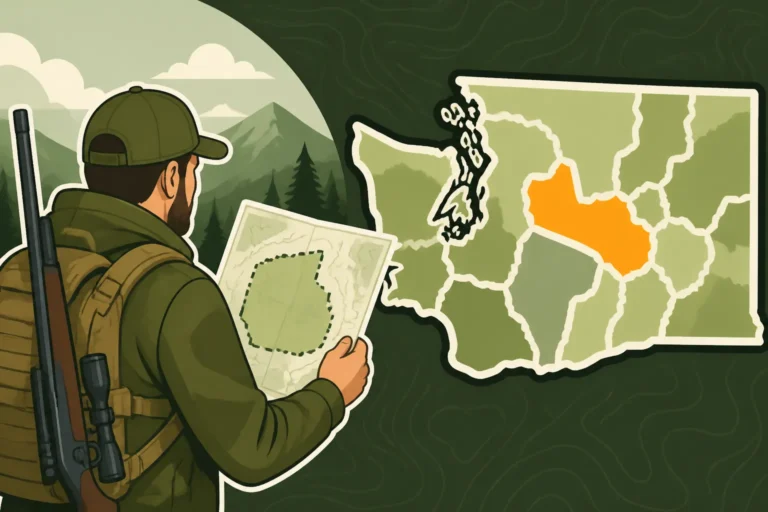
It’s vital to understand that group size limits apply specifically to federally designated wilderness areas, not just any remote public land. In Washington, this includes iconic areas like the Pasayten Wilderness Hunting Access, the Alpine Lakes Wilderness Hunting Rules, the Glacier Peak and Alpine Lakes Wilderness, and the Wenaha-Tucannon Wilderness in Washington, among others. These are typically managed by the U.S. Forest Service. National Parks, like Olympic National Park, have even stricter regulations, often prohibiting hunting entirely. It's not uncommon for a General Management Unit (GMU) to encompass both designated wilderness and general national forest land, so you need to be acutely aware of specific boundaries. Before you even set foot in the field, use resources like onX Hunt to precisely identify wilderness boundaries, trailheads, and any specific rules for the area you plan to enter. This is crucial because the regulations can vary slightly between different wilderness areas, even within the same state.
Specific Group Size Regulations for Hunters
When planning a hunting trip into Washington's wilderness, understanding the actual numbers is paramount. These aren't suggestions; they are enforceable regulations designed to maintain the integrity of the wilderness experience and ecosystem.
The Standard Wilderness Group Limit
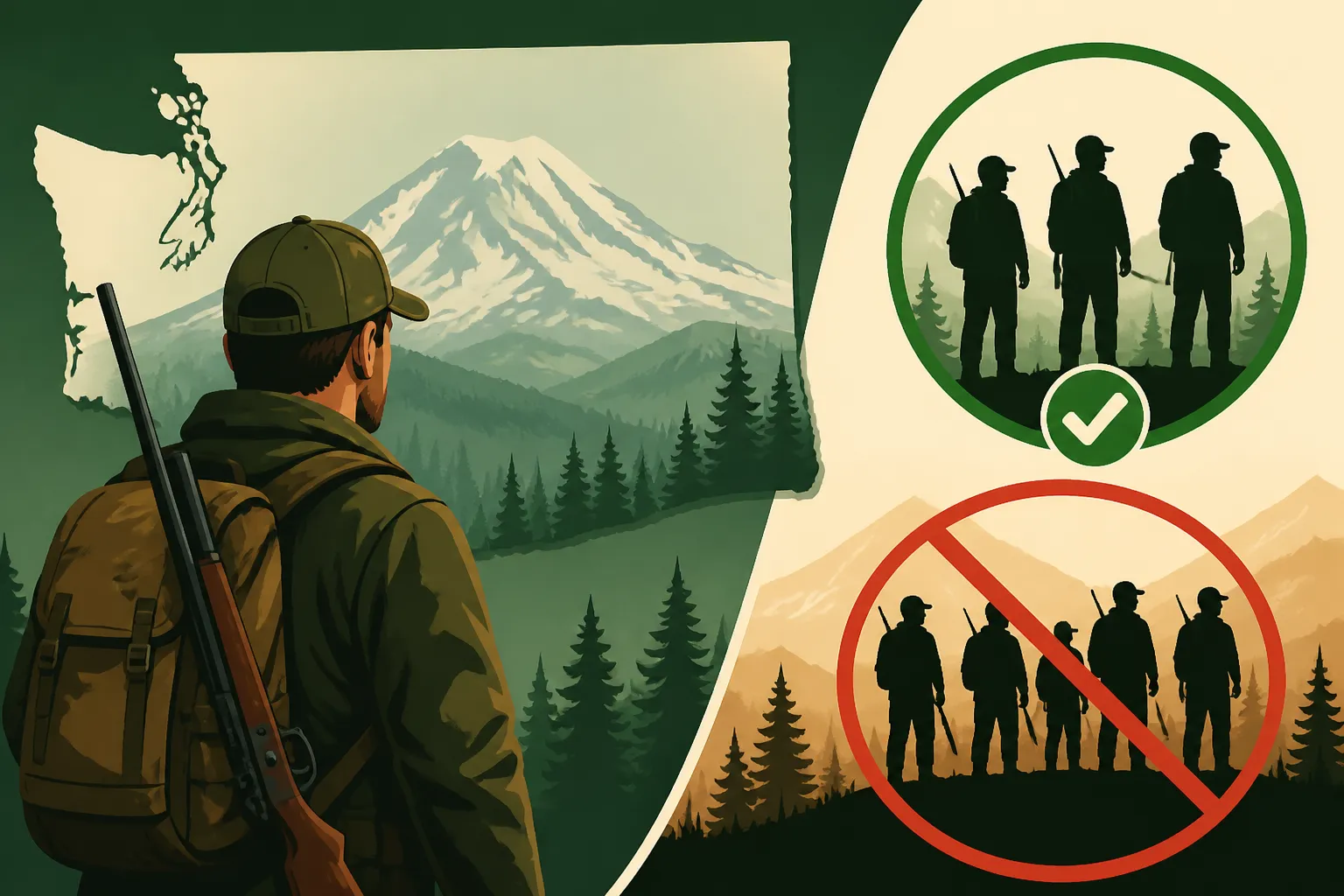
Generally speaking, most wilderness areas in Washington, as across the Western U.S., impose a standard group size limit. This often translates to a maximum of 12 people and 12 stock animals (horses, mules, llamas) per party. However, it's absolutely critical to double-check the specific rules for the wilderness area you intend to hunt. Some areas, particularly those experiencing higher visitor use or with more sensitive ecosystems, might have stricter limits, perhaps down to 8 people and 8 stock animals. This limit encompasses everyone in your party, whether they are carrying a weapon, a spotting scope, or just enjoying the scenery.
For example, if you're planning an elk hunt into a remote portion of the Okanogan-Wenatchee National Forest that falls within a wilderness boundary, you might have four hunters, two packers, and six horses. This totals six people and six stock animals, well within the common 12/12 limit. But if you added two more hunters and decided to bring eight horses, you'd be pushing the boundaries and would need to confirm the exact regulations for that specific wilderness area. Always refer to the managing agency's current regulations, typically found on the U.S. Forest Service website for that particular forest, or through detailed mapping applications.
Stock and Pack Animal Considerations
For many backcountry hunters, especially those pursuing elk deep in the mountains, Horse and Llama Packing in Washington is an indispensable part of the strategy. Pack animals allow you to haul in more gear, stay longer, and, crucially, pack out heavy game like elk quarters. However, stock animals count towards your group size limit, and their impact is often greater than that of people. They require feed, produce waste, and can cause significant trail erosion if not managed properly, especially when carrying heavy loads or traversing wet, fragile terrain.
Furthermore, there are often additional rules pertaining to stock. Many wilderness areas require Certified Weed-Free Feed Rules for horses and llamas to prevent the introduction of invasive plant species. You might also find restrictions on where you can highline stock or graze them. For instance, in some areas, you might be prohibited from tethering stock within a certain distance of water sources or campsites. Ignoring these rules can not only result in fines but can also contribute to lasting damage to the delicate wilderness environment. Planning your stock support meticulously, adhering to feed requirements, and understanding where you can safely and legally set up your animals are just as important as knowing the human group size.
| Wilderness Area Type | Max People per Group | Max Stock Animals per Group | Key Considerations |
|---|---|---|---|
| Standard USFS Wilderness | 12 | 12 | Most common limit, verify for specific areas. |
| High-Use Wilderness | 8-10 | 8-10 | Some popular or sensitive areas have stricter caps. |
| National Parks | Varies; often NO hunting | Varies; often NO stock | Hunting typically prohibited; specific rules for stock use are rare for hunting. |
| Special Permit Zones | Varies | Varies | Some specific permits or areas may have unique limits. |
Practical Implications for Your Hunting Trip
Understanding the rules is one thing; applying them to a real-world hunting scenario can be another challenge. Many hunters plan large trips for camaraderie and to spread the workload, which can bump up against these wilderness limits.
Planning Your Hunt Around Limits
If you typically hunt with a large crew, planning a wilderness trip requires a shift in strategy. You might need to divide your group into smaller, independent parties that travel and camp separately, maintaining a significant distance from each other to avoid the perception of a single large group. For example, if you have 16 hunters and the limit is 12, you could form two groups of 8. These groups would need to operate as truly separate entities – separate camps, separate travel routes, and sufficient distance between them (often a mile or more) so as not to appear as one large party to other users or rangers. This means coordinating before the hunt, setting rendezvous points outside wilderness boundaries, and ensuring each smaller group is self-sufficient. Don't try to skirt the rules by having one group drop off gear and then "rejoin" later; rangers are well aware of such tactics. Being transparent and compliant ensures a smoother, more ethical hunt. When scouting, remember to check E-Scouting Washington GMUs Before the Draw to identify potential entry points and dispersed camping locations that would accommodate separated groups.
The Role of Technology in Staying Compliant
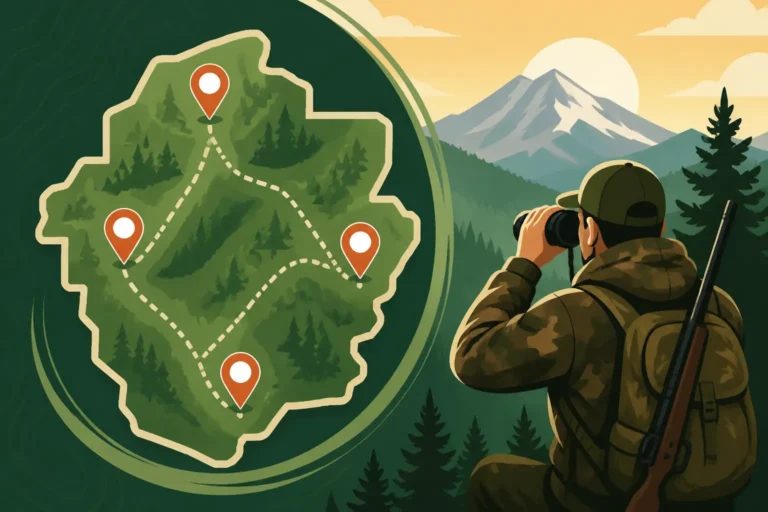
Modern technology can be an invaluable asset in ensuring compliance and enhancing your wilderness hunting experience. Apps like onX Hunt provide detailed maps that clearly delineate wilderness boundaries, private property lines, and different land management designations. This allows you to plan your routes precisely, ensuring you don't inadvertently enter a restricted area or exceed limits in designated zones. You can mark potential campsites, track your group's movement, and confirm you are maintaining legal separation if you've split into smaller parties.
Another useful tool is GoHunt, which often provides in-depth state-specific regulations and draw odds, sometimes including information on wilderness areas. While not a mapping tool like onX, it can be a great resource for double-checking official regulations and understanding the nuances of certain hunting units. Using these tools, combined with traditional paper maps and a compass as a backup, equips you with the knowledge to navigate complex land designations and adhere to group size limits, contributing to a more responsible and successful hunt.
Minimizing Impact Beyond the Rules
Beyond simply adhering to the letter of the law regarding group size, true wilderness ethics call for a broader commitment to minimizing your impact. The Leave No Trace principles are your best guide here:
- Plan Ahead and Prepare: Know the regulations, pack appropriate gear for Backcountry Camps in Washington Wilderness, and prepare for emergencies.
- Travel and Camp on Durable Surfaces: Stick to established trails. When off-trail, spread out to avoid creating new paths.
- Dispose of Waste Properly: Pack out everything you pack in, including all trash, food scraps, and even human waste in some areas.
- Leave What You Find: Don't build structures, deface rocks, or take "souvenirs."
- Minimize Campfire Impacts: Use existing fire rings where allowed, keep fires small, and ensure they are completely out. Some wilderness areas have fire restrictions, especially during dry seasons.
- Respect Wildlife: Observe from a distance, don't follow, and never feed animals.
- Be Considerate of Other Visitors: Yield to others on trails, keep noise to a minimum, and respect the solitude of the wilderness.
By embracing these principles, you not only comply with the spirit of wilderness preservation but also enhance your own experience and that of others who seek refuge in these wild places.
Consequences of Non-Compliance and Staying Informed
Ignoring wilderness regulations, including group size limits, isn't just a minor oversight. It can lead to significant penalties and, more importantly, can have a detrimental effect on the future of hunting access in these critical areas.
What Happens if You Exceed Limits
The consequences of violating wilderness group size limits can range from a warning and being asked to split your party up, to significant fines. Rangers and wilderness patrols are out there, especially during peak seasons, and they are trained to identify violations. Depending on the severity and frequency of the infraction, you could face monetary penalties, ranging from a few hundred to over a thousand dollars. In some cases, particularly with repeat offenses or additional violations, it could even lead to forfeiture of hunting privileges or prosecution under federal law. These penalties are designed to deter behavior that degrades the wilderness experience for everyone and can be a costly lesson. Understanding Washington Wildlife Violation Penalties can give you a clear picture of the seriousness of these infractions. It's simply not worth the risk.
Resources for Current Regulations
Staying informed is your best defense against accidental non-compliance. Regulations can change, so what was true five years ago might not be today. Always consult the most current information directly from the managing agency.
Here’s where you can find the most up-to-date information:
- U.S. Forest Service Websites: For National Forests and the wilderness areas they manage (e.g., Gifford Pinchot, Okanogan-Wenatchee, Colville), check the specific forest's website. They often have dedicated pages for wilderness regulations.
- Washington Department of Fish and Wildlife (WDFW): While WDFW focuses on hunting seasons and species regulations, their pamphlets sometimes reference general access rules for different land types. However, for specific wilderness group limits, the federal land manager is the primary source.
- Wilderness Area Ranger Stations: A quick phone call to the local ranger district office for the specific wilderness area you plan to visit can clarify any ambiguities. This is particularly useful for last-minute changes or area-specific closures.
- Official Mapping Applications: As mentioned, onX Hunt is fantastic for visually confirming boundaries and often includes links or references to specific rules for different land types.
- Hunting Forums and Communities: While not official sources, online hunting communities and resources like GoHunt often discuss regulations and share experiences, which can prompt you to research specific rules more deeply. Just remember to always verify information with official sources.
By diligently checking these resources, you can ensure your wilderness hunting trip is not only successful but also respectful of the rules and the incredible wild places Washington offers.
Disclaimer
This article is for general informational purposes only and does not constitute professional advice. Laws, prices and regulations vary by location and change over time. Consult a qualified professional for guidance on your specific situation.