Rain Gear That Survives a Washington Westside Season
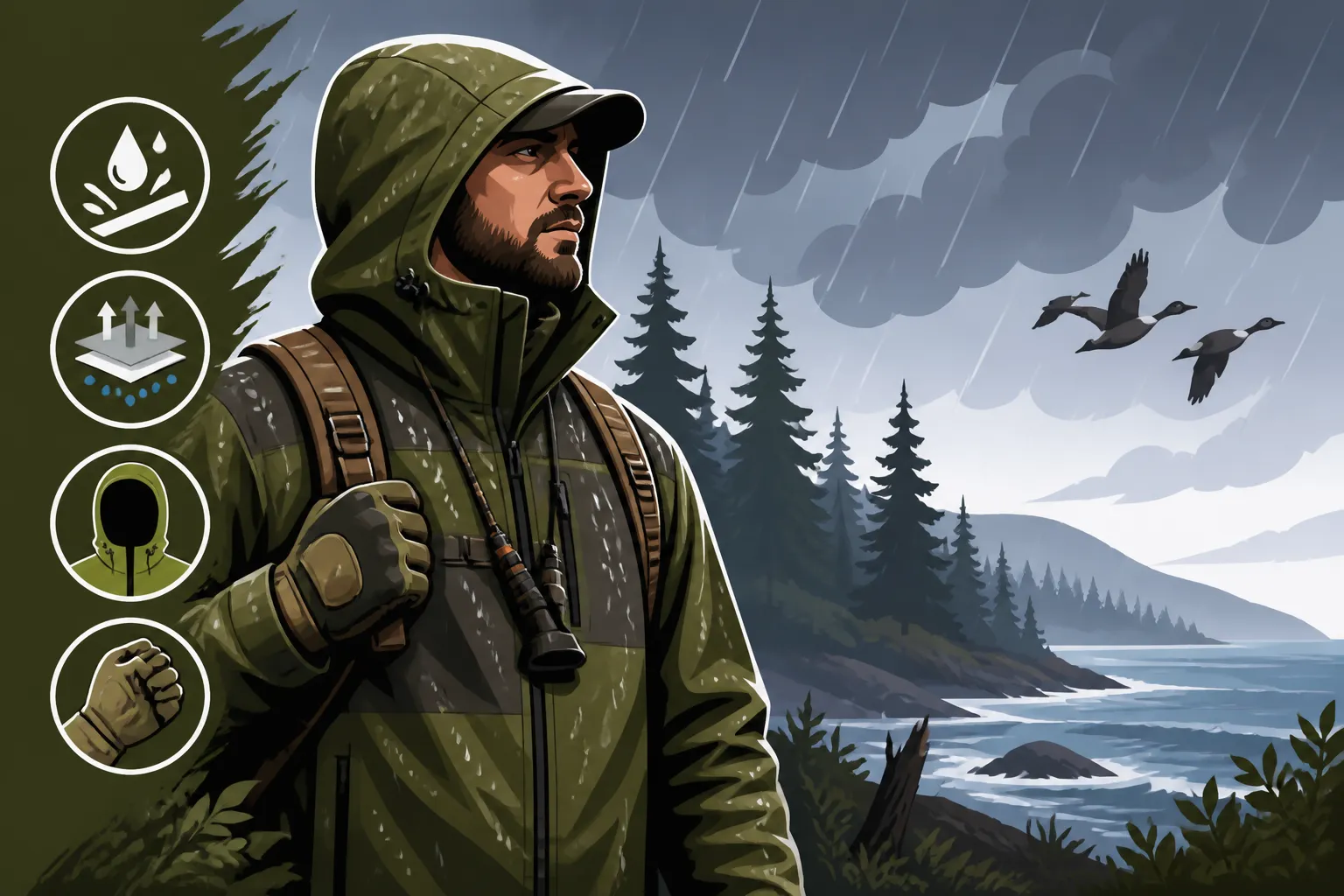
Anyone who has spent even a single hour hunting Washington's Westside knows that "rain gear" isn't just a suggestion—it's an absolute necessity, and often, what you think is good rain gear quickly proves to be insufficient against the relentless, soaking conditions. It's not just about staying dry; it's about staying warm, preventing hypothermia, and maintaining your focus when the drizzle turns to a deluge, and the fog rolls in thick enough to chew. This guide is here to walk you through exactly what kind of rain gear truly stands up to the challenge of Western Washington's unforgiving weather, ensuring your hunt isn't cut short by a miserable soak-through.
The Unique Challenge of Washington's Westside Weather
Hunting west of the Cascades is a special kind of beast when it comes to weather. It’s not just a quick shower; it’s often an all-day, soul-sucking affair that can test the mettle of even the most seasoned hunters. The rain here isn't polite; it's persistent, invasive, and has a way of finding every single weak point in your gear, often when you’re miles from the truck.
Constant Precipitation and Humidity
The sheer volume and duration of rain on the Westside are what truly sets it apart. You might be still-hunting for blacktails in October or tracking elk through November snow, and the rain isn't just a factor, it is the environment. It doesn't just fall from the sky; it hangs in the air, saturates the vegetation, and creates a dense, humid atmosphere that makes everything feel damp, even when it's not actively raining. This constant moisture means that your rain gear isn't just dealing with direct rainfall; it's battling humidity from the outside and trying to breathe away your internal moisture from exertion. If your gear can't handle both, you'll end up feeling clammy and cold, which is just as bad as getting soaked.
It's a common story: you check the forecast, see a 60% chance of rain, and think your trusty rain jacket will do. Then you're three hours deep into the Olympic National Forest, pushing through thick brush, and that 60% feels like 100% for the rest of the day. The mild temperatures often found on the Westside can make you think the rain isn't a big deal, but couple that with exertion and a chilling wind, and a wet interior quickly leads to losing body heat. You start shivering, your hands get numb, and suddenly, that easy tracking job becomes a miserable test of endurance.
Abrasive Terrain and Dense Vegetation
Beyond the wetness, the terrain itself is a huge factor. Western Washington is synonymous with dense, tangled forests, clear-cuts choked with thorny blackberry bushes, and thick stands of salal and devil's club. Every step involves pushing through abrasive vegetation that actively tries to snag, tear, and abrade your clothing. A flimsy rain jacket might keep you dry in an open field, but it won't last an hour crawling through blowdown or shouldering your way through rhododendron thickets when you're Still-Hunting Blacktails in Wet Washington Brush. This kind of environment demands a rain gear outer shell that isn't just waterproof, but incredibly tough and resistant to punctures and tears.
Think about it: you're making your way through a recent clearcut, trying to get eyes on a blacktail buck. You're ducking under fallen logs, climbing over stumps, and brushing against sharp branches. Each contact is a small test of your gear's durability. If your jacket or pants are made of a delicate fabric, you'll come out of that patch with micro-tears, or worse, full-blown rips, compromising your waterproof barrier. Once that barrier is breached, the game is over. The rain will find its way in, and your core temperature will start to drop. This is why selecting gear that can withstand abuse is just as critical as its waterproof rating.
Understanding Rain Gear Materials
When you're shelling out good money for rain gear, it’s not just about the brand name; it's about understanding the science behind what keeps you dry. The materials used are the unsung heroes of a successful, comfortable hunt in the slop.
The Waterproof-Breathable Membrane
At the heart of any high-performing rain gear is the waterproof-breathable membrane. This is often a microscopic layer laminated to the inside of the outer fabric. The magic of these membranes, like those from Gore-Tex, eVent, or various proprietary technologies, is their ability to prevent liquid water droplets (rain) from passing through, while allowing water vapor (sweat) to escape. Imagine tiny pores—too small for a raindrop, but big enough for a sweat molecule. This is what helps you avoid that clammy, sauna-like feeling you get with old-school plastic ponchos. Without good breathability, you’d be just as wet from your own sweat as you would be from the rain, especially when you’re hiking steep country or packing out an elk quarter.
The effectiveness of this membrane is crucial for comfort and safety. If it doesn’t breathe well, your internal moisture will condense on the inside of the jacket, making you feel wet and cold even if no rain has penetrated. If it’s not truly waterproof, then you’re just wearing a glorified windbreaker. For Westside hunting, you need a membrane that can handle sustained moisture without wetting out and still transfer vapor efficiently, even in high humidity. This is a delicate balance, and cheaper gear often sacrifices one for the other, leaving you either soaked or stewing in your own sweat.
Face Fabric Durability and DWR Treatment
The outer layer of your rain gear, known as the face fabric, is your first line of defense. This is what takes the abuse from brush, rocks, and everything else Washington's wilderness throws at it. A durable face fabric is paramount; it needs to be tough enough to resist snags and tears. Beyond its inherent strength, the face fabric is almost always treated with a Durable Water Repellent (DWR) coating. This DWR causes water to bead up and roll off the fabric, preventing it from soaking in. When water beads up, the fabric doesn't "wet out," meaning the underlying waterproof-breathable membrane can continue to do its job of allowing sweat vapor to escape. If the DWR fails, the face fabric becomes saturated, making the jacket feel heavy, cold, and significantly reducing its breathability, even if the membrane itself isn't leaking.
The type of face fabric—whether it's a polyester or nylon blend, and its denier (a measure of fabric thickness and strength)—will largely dictate its longevity in abrasive environments. For instance, a higher denier nylon tends to be more rugged than a low-denier polyester. Regular reapplication of DWR is also a critical part of maintaining your rain gear's performance, especially after a few seasons of hard use. Without that DWR working efficiently, even the best membrane will struggle to breathe because the saturated outer fabric creates a barrier for vapor transfer. When you're constantly brushing against wet ferns and mossy logs, that DWR gets tested constantly.
Internal Linings and Comfort
While the outer shell and membrane do the heavy lifting, the internal lining of your rain gear plays a significant role in overall comfort and function. Most modern rain gear uses a 2-layer, 2.5-layer, or 3-layer construction.
- 2-layer construction typically has the membrane bonded to the face fabric, with a separate, loose mesh lining on the inside. This offers good protection and can be comfortable, but the mesh can sometimes snag on base layers.
- 2.5-layer construction usually has the membrane bonded to the face fabric, and then a thin protective coating or print on the inside, eliminating the need for a separate liner. This makes the garment lighter and more packable, but the internal coating can sometimes feel a bit clammy against bare skin or a short-sleeved shirt.
- 3-layer construction is often considered the gold standard for rugged hunting gear. Here, the membrane is sandwiched and bonded between the face fabric and a durable internal lining (often a soft knit). This provides excellent durability, comfort, and protection for the membrane itself, making it less prone to wear and tear from the inside out.
For intense, multi-day hunts on the Westside, where you'll be constantly moving and possibly layering up or down, the comfort and durability offered by a 3-layer system can be a game-changer. It feels better against your skin, slides over other layers more easily, and typically holds up to years of abuse better than its lighter counterparts. Brands like Sitka and Kuiu often utilize these advanced multi-layer systems in their dedicated backcountry hunting rain gear, specifically because they know hunters will be pushing through tough country for extended periods.
Key Features to Look for in Westside Rain Gear
It's not just the materials that matter; it's how those materials are put together and the small details that make a huge difference in the field. When you're soaking wet and miserable, you'll quickly appreciate well-thought-out features.
Hood Design and Adjustability
A good hood isn't an accessory; it's a vital piece of your rain gear system, especially when you're hunting in Washington's relentless rain. You need a hood that moves with your head, not against it, allowing for full peripheral vision while keeping rain and wind out of your face and off your neck. Look for hoods with multiple points of adjustment: drawcords around the face opening, and a cinch cord or Velcro tab on the back of the head. This allows you to fine-tune the fit, ensuring it stays put even in gusty winds and turns with your head when you're glassing or trying to spot movement.
A stiff brim or visor is also incredibly helpful, channeling water away from your face and allowing you to wear a hat or cap underneath without it getting soaked. Some hoods are helmet-compatible, which might be overkill for hunting but indicates a robust design with plenty of room. The goal is to create a secure, comfortable seal around your head that doesn’t restrict hearing or vision, which are paramount for successful hunting. A poor hood will annoy you constantly, fill with water, or blow off in the wind, leaving you exposed and frustrated.
Zippers, Seams, and Cuffs
These seemingly small details are often the first points of failure in inferior rain gear. Every zipper needs to be waterproof or highly water-resistant. This typically means YKK Aquaguard zippers or similar laminated versions that create a tight seal. Storm flaps over zippers, while adding bulk, are another excellent feature for added protection, especially on the main front zipper. Fully taped seams are non-negotiable; this is where a waterproof tape is applied over every stitch line on the inside of the garment, preventing water from seeping through the tiny holes created by sewing. If a garment isn't seam-taped, it's not truly waterproof.
Cuffs are equally important. Adjustable cuffs, usually with Velcro, allow you to create a tight seal around your wrists, preventing water from running down your arms when you raise them and stopping wind from blowing up your sleeves. Some designs even include internal gaiter cuffs or thumb loops for extra protection. When you’re reaching for your calls, ranging a distant elk, or shouldering your rifle, you don't want water running right into your sleeves. Pay attention to these details because they are often the weakest links in an otherwise decent piece of rain gear.
Pockets and Accessibility
Hunting in the rain often means you're carrying essentials that need to stay dry and be easily accessible. Pockets on rain gear need to be thoughtfully designed. While many rain jackets feature chest pockets, ensure they have waterproof zippers or storm flaps. Hand pockets, if present, should also be secure and ideally placed so they don't interfere with your pack's hip belt. More importantly, consider how your pockets will function with a backpack.
Many good hunting rain jackets will have pockets placed higher on the chest, ensuring they remain accessible even when you're wearing a loaded pack. This is crucial for things like a rangefinder, a small map, or your license that you need to grab quickly without having to undo your pack. Some jackets also feature a pass-through opening for a harness, allowing you to wear your bino harness under your rain jacket for maximum protection, yet still access your binoculars when needed. A truly functional piece of rain gear won't just keep things dry, it will keep your essential gear at your fingertips, reducing fumbling and wasted motion in adverse conditions.
Jackets, Pants, and Layering Systems
Investing in a complete rain system—jacket and pants—is key to staying dry and comfortable. Each component plays a specific role, and when combined with smart layering, they form an impenetrable fortress against Washington's weather.
Shell Jackets for Maximum Protection
A high-quality shell jacket is the cornerstone of your Westside rain gear. It needs to be durable, breathable, and unequivocally waterproof. Forget those flimsy, packable emergency jackets that are really just windbreakers; you need something built to take a beating. Look for features like a robust face fabric (as discussed earlier), a reliable waterproof-breathable membrane (like Gore-Tex Pro for extreme conditions), and full seam taping. Pit zips are a game-changer for ventilation. When you’re busting ass up a ridge in a downpour, you’ll generate a lot of heat. Pit zips allow you to dump that excess heat without having to take off your jacket and expose your core to the rain.
The fit is also important. You want enough room to comfortably layer insulation underneath, but not so baggy that it snags on everything or flaps in the wind. A slightly longer cut in the back can help keep your backside dry when sitting on wet logs or bending over. Brands like Kuiu and Sitka have excellent options designed specifically for hunters, often incorporating quiet fabrics and functional pocket layouts. Remember, this jacket is your primary shield; don't skimp here. It's the difference between an epic hunt and a miserable slog back to the truck.
Rain Pants for Lower Body Defense
Many hunters prioritize a rain jacket but neglect their rain pants, and that's a big mistake, especially in Washington. Your legs are constantly pushing through wet brush, kneeling in damp moss, or sitting on wet ground. Without proper rain pants, your base layers will quickly become saturated, leading to cold, numb legs and a potential for hypothermia. Just like jackets, rain pants need to be durable, waterproof, and breathable. Full-length side zippers are a highly desirable feature. They allow you to put on or take off your rain pants without removing your boots, which is incredibly convenient when the weather suddenly shifts or you need to vent heat quickly.
Articulation in the knees is also a big plus, allowing for unrestricted movement when climbing over blowdown or navigating steep terrain. Reinforced cuffs or insteps can add durability against boot abrasion and sharp rocks. Some hunters opt for rain bibs for even more coverage and to prevent water from coming in at the waistline, especially when bending or crouching. Don't underestimate the importance of keeping your lower half dry; a good pair of rain pants can mean the difference between staying in the field and heading home early. Just like your jacket, these need to be tough enough for Blacktail Deer Hunting in Western Washington Timber.
Layering for Optimal Performance
Rain gear isn't meant to be worn directly over a t-shirt, especially in changing Washington conditions. It's part of a complete layering system. The principle is simple: multiple thin layers trap air more effectively than one thick layer, providing better insulation, and you can add or subtract layers as your activity level and the temperature change.
- Base Layer: This is worn next to your skin and is crucial for wicking moisture away. Merino wool or synthetic fabrics are excellent choices. Cotton is an absolute no-go; it absorbs moisture and stays wet, chilling you to the bone.
- Mid-Layer (Insulation): This provides warmth. Fleece, down, or synthetic insulation jackets are common. On the Westside, a synthetic mid-layer is often preferred over down because it retains its insulating properties even when damp, unlike down which collapses and loses warmth.
- Outer Layer (Rain Gear): Your waterproof-breathable shell, designed to keep external moisture out and allow internal moisture to escape.
The key is to adjust your layers to avoid sweating excessively. If you start to feel warm, vent heat using pit zips, open your main zipper, or remove a mid-layer. Being proactive about managing your body temperature is vital. The GoHunt resources often emphasize the importance of understanding layering for different conditions, which can be invaluable when planning for a variable Washington hunt. Choosing the right layering system for Layering for Wet Cold Weather is as important as the rain gear itself.
Here's a quick comparison of rain gear types:
| Feature | Lightweight / Emergency Gear | Mid-Range Hunting Rain Gear | Premium Backcountry Rain Gear |
|---|---|---|---|
| Material | Thin polyester/nylon | Durable polyester/nylon | High-denier nylon, proprietary blends |
| Membrane Type | Basic PU coating | Good waterproof-breathable | Advanced WPB (e.g., Gore-Tex Pro, eVent) |
| Durability | Low (snags easily) | Moderate (resists light brush) | High (designed for heavy abuse) |
| Breathability | Low to Moderate | Good | Excellent (high MVTR rates) |
| Seams | Often critically taped | Fully seam-taped | Fully seam-taped |
| Zippers | Basic water-resistant | Water-resistant, some storm flaps | Waterproof (YKK Aquaguard), robust |
| Hood Design | Basic, limited adjustment | Adjustable, basic brim | Highly adjustable, reinforced brim |
| Weight/Packability | Very light, highly packable | Moderate weight, good packability | Moderate weight, durable packability |
| Typical Use | Day trips, emergency only | General hunting, occasional multi-day | Extended backcountry, extreme weather |
Maintenance and Longevity of Your Rain Gear
Even the best rain gear won't perform if you don't take care of it. Proper maintenance isn't just about cleanliness; it's about preserving the integrity of the materials and extending the life of your investment.
Cleaning and Re-Waterproofing Your Garments
Over time, dirt, oils, and residues from bug spray or sunscreen can clog the pores of your waterproof-breathable membrane and degrade the DWR finish. When the DWR stops working, the face fabric "wets out," inhibiting breathability and making you feel cold. The good news is that both issues are usually fixable. You should wash your rain gear regularly, especially after a muddy hunt. Use a technical wash designed for waterproof-breathable fabrics, like Nikwax Tech Wash or Granger's Performance Wash. Avoid conventional detergents, as they can leave residues that clog pores and break down the DWR.
After washing, you may need to reactivate or reapply the DWR. Often, simply tumbling the garment in a dryer on a low heat setting for about 20 minutes can reactivate the existing DWR. If that doesn't work, or if water is no longer beading up, you'll need to reapply a DWR treatment. These are available as wash-in products or spray-on applications. Follow the product instructions carefully. This routine cleaning and DWR maintenance will ensure your gear continues to perform season after season, keeping you dry when you're hunting in Late-Season Hunting in Washington Snow.
Field Repairs and Emergency Patches
Accidents happen. A sharp branch, a slip on a rock, or pushing through a barbed wire fence can result in a tear or puncture in your rain gear. While you hope it never happens, being prepared for a field repair can save your hunt. Always carry a small repair kit with you. This should include some strong, adhesive fabric repair patches (like Tenacious Tape from Gear Aid) and perhaps a small tube of seam grip or similar adhesive.
For minor tears, a well-applied patch can create a surprisingly effective waterproof seal. Clean the area around the tear as best you can, apply the patch, and press firmly. For more serious damage, or if a seam starts to fail, seam grip can often seal the breach temporarily. These aren't permanent fixes, but they can get you through the rest of your hunt and prevent a bad situation from getting worse. When you're miles into the backcountry on an elk hunt, far from any shelter, a simple field repair can be a lifesaver. This kind of preparedness is essential for anyone tackling Packing an Elk Out of Washington's Backcountry.
Proper Storage for Off-Season
How you store your rain gear during the off-season also impacts its longevity. Don't just wad it up and throw it in the bottom of your hunting bin. Ensure your gear is clean and completely dry before storing it. Any residual moisture can lead to mildew and damage the fabrics and membranes. Hang your rain gear in a cool, dry place, away from direct sunlight or extreme temperature fluctuations. Avoid compressing it tightly for long periods, as this can stress the membrane and seam tape.
Proper storage helps maintain the integrity of the DWR and the membrane itself, ensuring that when next season rolls around, your gear is ready to perform. Think of it as putting your vehicle in the garage for winter; you wouldn't leave it outside to weather the elements. The same care should be given to your high-performance rain gear, especially since it's a critical component for staying safe and comfortable in Washington's often brutal conditions.
Comparing Rain Gear Options for Washington Hunters
With so many brands and price points, choosing the right rain gear can feel overwhelming. Let’s look at some common considerations and how different options stack up for the Washington hunter. When researching, resources like GoHunt often have detailed gear reviews and comparison charts that can help narrow down options based on specific performance metrics and hunter feedback.
Budget-Friendly Versus Premium Brands
There's a significant price difference between basic rain gear and top-tier hunting apparel, and for good reason.
- Budget-friendly options (e.g., Frogg Toggs, cheaper house brands) often use less durable face fabrics and simpler waterproof coatings (like PU coatings) instead of advanced membranes. They tend to be less breathable and prone to wetting out faster. While they might work for a quick, light shower, they will likely fail under sustained Washington downpours or abrasive brush. Their lower cost means they're often a "buy once, cry once" situation if you hunt hard.
- Mid-range options (e.g., Marmot, Outdoor Research, some Cabela's lines) typically offer a good balance of performance and price. They often feature respectable waterproof-breathable membranes and more durable fabrics, making them suitable for most general hunting conditions on the Westside. You'll get better breathability and durability than budget options without breaking the bank.
- Premium brands (e.g., Kuiu, Sitka, First Lite) are designed for serious backcountry hunters. They use the most advanced waterproof-breathable technologies (often Gore-Tex Pro), highly durable face fabrics, and hunter-specific features like quiet fabrics, intelligent pocket placement, and articulated fits. While expensive, they offer unparalleled performance, durability, and comfort for extended, rugged hunts in extreme conditions. For those who spend weeks chasing elk or blacktails in the Pacific Northwest, the investment often pays off in sustained comfort and peace of mind. GoHunt's gear reviews frequently highlight the nuanced differences in performance that justify the higher price tags of these specialized brands.
Specialized Hunting Features
Beyond basic waterproofness, hunting-specific rain gear often includes features that enhance performance in the field:
- Quiet Fabrics: Traditional rain gear can be noisy, making it difficult to stalk game. Hunting rain gear often uses softer, quieter face fabrics that minimize rustling, which is vital when you're Still-Hunting Pace in Wet Brush.
- Camouflage Patterns: While not strictly necessary for performance, integrated camouflage patterns help break up your outline in varied terrain.
- Articulated Fit: Designed for active movement, allowing you to climb, draw a bow, or shoulder a rifle without restriction or binding.
- Harness/Pack Compatibility: Pockets and features are designed to work seamlessly with hunting packs and binocular harnesses, preventing critical gear from being covered or inaccessible. This is a subtle but incredibly important detail.
Ultimately, the best rain gear for you depends on your specific hunting style, frequency, and budget. For the occasional day hunter, a solid mid-range option might suffice. But for anyone who plans on spending multiple days in the remote, wet, and rugged country of Western Washington, investing in premium, purpose-built hunting rain gear is a smart decision that will keep you comfortable, safe, and focused on the hunt. Reviewing detailed options on sites like GoHunt can help you make an informed decision that aligns with your specific needs.
Disclaimer
This article is for general informational purposes only and does not constitute professional advice. Laws, prices and regulations vary by location and change over time. Consult a qualified professional for guidance on your specific situation.