Keeping a Muzzleloader Dry in Washington Rain
The relentless, damp embrace of Washington's weather can quickly turn an exciting muzzleloader hunt into a frustrating ordeal. There's nothing quite like the heart-sinking moment when you finally have a magnificent elk in your sights, only for your prime shot to be met with a disappointing click because moisture seeped into your percussion cap or powder charge. This guide will walk you through practical strategies and essential gear to ensure your muzzleloader stays dry, reliable, and ready to fire, even when the Pacific Northwest unleashes its signature liquid sunshine.
The Unique Challenges of Hunting with a Muzzleloader in Washington's Wet Weather
Hunting with a muzzleloader is a deliberate, often romantic pursuit, connecting us to an older way of the hunt. But that connection to tradition also means dealing with technology that is, by modern standards, a bit more sensitive to the elements. Washington's weather, particularly west of the Cascades, takes these sensitivities and amplifies them tenfold.
Why Rain is the Muzzleloader Hunter's Nemesis
Let's face it, moisture and black powder simply do not mix. Your muzzleloader's ignition system, whether it's a percussion cap or a flintlock's pan, is incredibly vulnerable to even a persistent mist. I remember a particularly soggy hunt in the Olympic National Forest one year. I had done everything right, or so I thought, covering my rifle with a simple sleeve. But after hours of still-hunting through dripping brush, a branch-antlered bull materialized out of the fog at forty yards. I settled the crosshairs, squeezed the trigger, and heard nothing but a faint hiss. The percussion cap had gotten just enough moisture to fail. The bull, alerted by the sound, simply walked away. It was a brutal lesson in the importance of absolute dryness.
Beyond the immediate ignition failure, powder contamination is a silent killer of muzzleloader reliability. Even the most advanced black powder substitutes, like Triple Seven or Hodgdon Pyrodex, will clump and degrade when exposed to moisture. A compromised powder charge won't ignite properly, leading to hangfires or, worse, a complete failure to launch your projectile. You might get a weak "puff" instead of the powerful roar you expect, and that animal is likely to walk off unharmed, leaving you with a difficult tracking job or, more probably, an empty tag.
And it's not just about the shot itself. Prolonged exposure to rain can lead to rust and corrosion, compromising the integrity and longevity of your prized firearm. The intricate mechanisms of a muzzleloader, from the lock work to the bore, are susceptible to moisture. Even stainless steel barrels can pit if left unaddressed after a thorough soaking. This isn't just about preserving a hunting tool; it's about respecting the craftsmanship and ensuring your investment lasts for seasons to come.
Understanding Washington's Diverse Rain Types
Washington isn't just "rainy"; it has types of rain, and each presents its own challenge to the muzzleloader hunter. West of the Cascades, you're often contending with a persistent, penetrating drizzle that seems to find its way into every nook and cranny. It's not always a downpour, but that consistent, fine mist can be far more insidious, slowly saturating everything over hours. This kind of moisture is particularly sneaky, as you might not feel "soaked" but your gear is steadily absorbing water. Coastal areas, like the Olympic Peninsula or the Willapa Hills, are infamous for this kind of weather.
Cross over to Eastern Washington, and while it's generally drier, you can still encounter severe, short-duration downpours or heavy, wet snow. A sudden thunder shower in the Colockum or a late-season snow squall in the Blue Mountains can drench your rifle in minutes. The key difference is often the intensity and duration. A quick, heavy rain might be easier to protect against with immediate action, but the slow, steady soak of a westside hunt demands constant vigilance. Each type of moisture requires a slightly different approach to protection.
The truly unexpected rain is always a factor, no matter where you are. You might start your day under bluebird skies, but in Washington, conditions can change dramatically within hours. I've been caught in units like the Wenatchee National Forest with sunshine in the morning and a full-on sleet storm by afternoon. This unpredictability means you always need to be prepared for the worst, carrying the right gear and knowledge to adapt on the fly. Don't let a change in weather catch you unprepared and ruin your hunt.
Essential Gear for Muzzleloader Waterproofing
Having the right gear isn't just about comfort; it's about ensuring your muzzleloader remains a functional tool in the field. Skimping here can lead directly to those frustrating misfires we talked about. Think of it as insurance for your shot.
Comprehensive Muzzleloader Covers and Cases
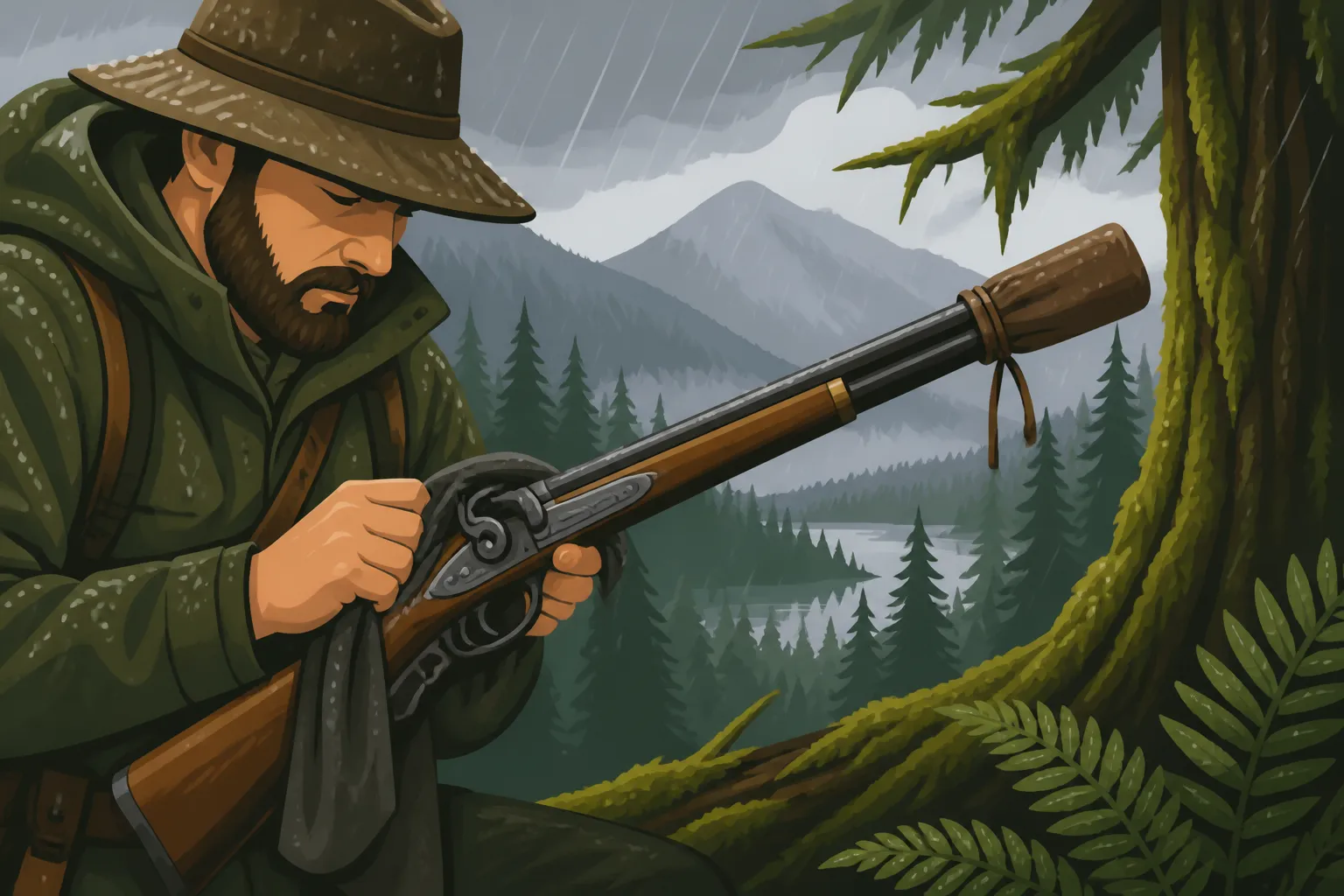
A simple, slip-on muzzleloader cover is your first line of defense against the elements. These are typically made from water-resistant synthetic fabrics like Cordura or sometimes neoprene, and they're designed to fit snugly over the barrel, action, and sometimes even the scope. The idea is to keep the most critical parts dry while allowing for quick access. Look for covers with elastic bands or drawstrings to secure them, preventing water from splashing up from below. Some even have a small opening for the sling swivel. They're lightweight, packable, and easily deployed, making them ideal for active hunting where you might need to take a shot quickly.
For longer periods of transport, sitting in a blind, or moving through truly nasty weather, a more substantial full case or scabbard offers superior protection. Many hunters opt for waterproof soft cases made from heavy-duty PVC-backed nylon or hard cases with O-ring seals. These are excellent for keeping your rifle completely dry when hiking into camp or when you're not actively carrying it in your hands. However, they aren't practical for quick shot opportunities. I often carry my muzzleloader in a waterproof scabbard on my pack when traversing rough, wet terrain, only pulling it out when I'm in a target rich environment or expect a shot. Muzzleloader Gear for Washington Seasons can provide more insights on selecting the right accessories.
Don't underestimate simple, DIY solutions either. A sturdy plastic bag, like a heavy-duty trash bag or even a grocery bag, can be taped over the muzzle or the lock to provide temporary protection in a pinch. Many old-timers swear by using small balloons to cover the muzzle, preventing rain from running down the barrel and wetting the powder charge. Electrical tape can secure these improvisations and also protect vulnerable seams. While not elegant, these quick fixes can literally save your hunt when an unexpected downpour hits and you're miles from your main camp.
Protecting Powder and Primers
Pre-measured powder charges are a godsend for muzzleloader hunters, making reloading faster and more consistent. But they're useless if they get wet. Invest in waterproof containers specifically designed for this purpose. Plastic tubes with screw-on caps or even small, sturdy zip-lock bags can work. The key is to ensure they are truly airtight and waterproof. I always double-bag my charges, putting individual tubes inside a larger, heavier-duty waterproof bag, just for that extra layer of security. This also helps with organization in your pack.
Your primers or percussion caps are the spark of your muzzleloader, and they are incredibly sensitive to moisture. There are many excellent waterproof primer carriers on the market, ranging from small plastic vials with rubber gaskets to specialized dispensers that hold multiple caps. These are non-negotiable for hunting in Washington. Always keep more primers than you think you'll need, and keep them in at least two separate, waterproof containers in different parts of your pack. I've had a primary container get breached, and a backup saved my hunt.
The importance of fresh, dry powder cannot be overstated. Even if your containers are waterproof, old powder can absorb ambient humidity over time. Always start your season with a fresh can of powder. If you're going on a multi-day hunt, consider taking a small, sealed container of bulk powder to refill your pre-measured charges if needed. You can read more about the advantages and disadvantages of different powder types in Loose Powder Versus Pellets. Remember, moisture is the enemy of consistency, and consistency is key to accuracy and reliable ignition.
Scope and Optics Protection
It's not just the muzzleloader itself that needs protection; your optics are equally vulnerable. Good quality scope caps are essential. They keep rain, snow, and condensation off your lenses, ensuring a clear sight picture when that moment of truth arrives. Many hunters prefer flip-up caps for quick access, but make sure they form a tight seal. A thin film of water on your objective or ocular lens can distort your view and make target acquisition impossible in low light or heavy cover.
Consider treating your scope lenses, and even your binocular lenses, with a hydrophobic coating like Rain-X or similar products designed for optics. These treatments cause water to bead up and roll off quickly, significantly improving visibility in wet conditions. While they won't make your optics perfectly immune, they buy you crucial seconds of clear vision when every moment counts.
Clear optics are absolutely critical, especially when hunting in the dim, drizzly conditions often found in Washington's deep timber or on foggy mornings. If you can't see, you can't shoot accurately. I once had a shot at a blacktail buck in the foothills of the Cascades, but a fogged-up scope lens obscured my view just enough that I couldn't confidently take the shot. It's a reminder that all your efforts to keep your powder dry are wasted if your optics are compromised. Taking the time to protect your scope and binoculars is just as important as protecting your powder.
Field Strategies for Staying Dry and Ready
Having the right gear is only half the battle. Knowing how to use it effectively and adopting smart field habits are what truly make the difference when hunting with a muzzleloader in Washington's unpredictable weather.
Loading and Reloading in Adverse Conditions
Loading a muzzleloader is already a multi-step process, and adding rain to the mix can make it incredibly challenging. When preparing to load or reload in the field during a rain event, your first priority is to create a dry workspace. If you're hunting with a partner, one person can hold a large umbrella or a wide poncho over the loader. If you're solo, a large poncho can be draped over your head and shoulders, creating a temporary shelter as you manage your powder, projectile, and ramrod. This "umbrella method" is vital; even a few drops of rain on your powder can ruin the charge.
Many hunters choose to pre-load their muzzleloader before they even leave camp or their vehicle, especially if they expect wet conditions. This reduces the risk of exposing powder and primers to rain in the field. However, if you do need to reload after a shot, or if you've been carrying a loaded rifle for hours and decide to refresh the charge, having a system is key. Keep your pre-measured powder charges and primers easily accessible in waterproof pouches on your person, not buried deep in your pack. The less fumbling you do in the rain, the better.
The goal is always speed and minimal exposure. Practice loading your muzzleloader at home, even blindfolded, so the motions become second nature. This muscle memory will be invaluable when your fingers are cold, wet, and your adrenaline is pumping. Keep your ramrod readily available, and consider lubricating it with a dry-lube or a thin coat of waterproof grease to prevent it from binding if it gets wet. For more detailed tips on managing your charge, refer to Muzzleloader Loading and Ignition in Rain. The more efficient you are, the less time your critical components are exposed.
Carrying and Positioning for Optimal Protection
How you carry your muzzleloader in the field significantly impacts its exposure to rain. Many hunters prefer to carry their rifle with the muzzle pointed down, arguing that this prevents rain from entering the barrel and soaking the powder from above. However, this method can sometimes lead to water splashing up into the muzzle from wet brush, or if you stumble. Other hunters opt for muzzle-up, but then you risk water running down the barrel towards the breech and lock.
A more effective strategy is to carry your muzzleloader under a waterproof poncho or within a rain cover that's secured to your pack. When traversing thick brush, especially the notorious salal or devil's club of Western Washington, having the rifle protected within a scabbard or robust sleeve will prevent moisture and debris from fouling the action. Some hunters even carry a spare, dry percussion cap or primer under a small piece of electrical tape on the nipple to swap out if their primary one gets wet.
When you're still-hunting or sitting in a potential ambush spot, always seek natural cover. A thick fir tree, a rock overhang, or even a dense stand of reprod can provide significant shelter. Don't simply sit out in the open. Use your environment to your advantage. If you're glassing for extended periods, set up a small, lightweight tarp or shelter that you can sit under, keeping both you and your rifle out of the direct rain. A little foresight in choosing your position can save you a lot of grief.
Maintaining Shot Readiness
Even with all your protective measures, it's wise to perform regular checks on your muzzleloader's readiness, especially after prolonged exposure to rain or a sudden downpour. Periodically inspect your percussion cap or flint and pan. If you see any signs of moisture, gently wipe it away with a dry cloth. Some hunters even carry a small, very fine-tipped brush to clear out any moisture or debris from around the nipple.
If your muzzleloader has been exposed to heavy rain, and you suspect the cap or powder might be compromised, quickly drying the external areas can help. A small piece of dry cloth or even a clean handkerchief can be used to dab around the nipple and breach. In extreme cases, some hunters will carry a small, single-use desiccant packet to put inside a sealed case with the rifle overnight if absolutely necessary, but this is a last resort.
Hunting in the wet often becomes a mental game. Don't let the weather deter you or make you feel defeated. The animals are still out there, and sometimes, foul weather actually makes them more active or less wary. Staying positive, confident in your gear, and focused on your hunting strategy will make you a more effective hunter, even when conditions are miserable. Remember, you're not just fighting the rain; you're also fighting the urge to give up. This kind of resilience is what makes a successful Washington hunter.
Post-Hunt Care and Long-Term Prevention
Your work isn't done just because the hunt is over, especially if your muzzleloader got wet. Proper care immediately after the hunt and diligent long-term maintenance are crucial for the rifle's longevity and reliability for future seasons.
Immediate Field Cleaning and Drying
As soon as you're back at camp or your vehicle, get your muzzleloader out of the rain and into a sheltered, dry environment. The first step is a thorough external wipe-down. Use a dry cloth to remove all visible moisture from the barrel, stock, action, and optics. Pay close attention to crevices and moving parts where water can pool. Don't neglect the bore; while the internal charge is hopefully dry, any moisture that got down the barrel from the muzzle needs to be addressed.
If you suspect any moisture has reached the breech plug area, or if you've fired the rifle, removing the breech plug is paramount. This allows you to inspect the internal parts for moisture and begin the cleaning process. Ensure you have the proper tools for this. Swab the bore and chamber thoroughly with dry patches, followed by patches soaked in a black powder solvent. This immediate attention prevents rust from setting in quickly. You can get a good idea of what's needed for this with Cleaning a Muzzleloader in Camp.
The most critical thing is to get your muzzleloader out of the elements as quickly as possible. Don't throw it in the back of the truck and forget about it until you get home. Even if it's just a few minutes in a dry tent or under a canopy, that immediate attention can prevent serious damage. If it's a multi-day hunt and you have a wall tent with a stove, drying it near a gentle heat source (but not too close!) can work wonders.
Deep Cleaning and Rust Prevention at Home
Once you're home, a full breakdown and deep clean of your muzzleloader are absolutely essential if it was exposed to any significant moisture. Disassemble the rifle according to the manufacturer's instructions. Clean every component, especially the barrel, breech plug, and lock assembly, with appropriate black powder solvents. Ensure all residue is removed, as black powder fouling is notoriously corrosive.
After a thorough cleaning, apply a high-quality rust inhibitor and a light coat of oil to all metal surfaces. There are many excellent gun oils designed for rust prevention, often with moisture-displacement properties. Use a patch to lightly oil the bore, and a cloth to wipe down the exterior metal. Pay special attention to the areas around screws, pins, and springs in the lock mechanism. For the stock, if it's wood, ensure it's completely dry before applying any wood conditioner or wax; if it's synthetic, a simple wipe-down is usually sufficient.
Proper storage is the final step in long-term prevention. Store your muzzleloader in a climate-controlled environment, ideally in a gun safe or cabinet with a dehumidifier or desiccant packs. Avoid storing it in soft cases for extended periods, as these can trap moisture. An open-air gun rack or a hard case with proper ventilation is preferable once the rifle is completely dry and oiled. This meticulous care ensures that your muzzleloader remains reliable and ready for Washington's Muzzleloader Equipment Rules next season, no matter what weather you encounter.
Staying Informed with Resources like GoHunt
Preparation is the cornerstone of any successful hunting endeavor, and this holds especially true when you're anticipating Washington's challenging weather with a muzzleloader. A huge part of being prepared means doing your homework long before opening day. Services like GoHunt are invaluable for this. They offer a treasure trove of information that can help you understand the terrain, access points, and even historical weather patterns for specific Game Management Units (GMUs). This knowledge, while not directly about waterproofing your rifle, allows you to plan your hunt around potentially drier conditions or to anticipate where heavy rain might create challenging access or boggy conditions.
For example, using the robust mapping tools provided by GoHunt, you can analyze different units, looking at elevations and cover. If you know a particular unit has deep canyons that hold moisture or expansive clearcuts exposed to driving rain, you can adjust your gear list accordingly. Will you need heavier rain gear? More robust rifle covers? This level of detailed pre-hunt planning, supported by data from platforms like GoHunt, empowers you to make smarter decisions about everything from your choice of Washington Backcountry Camp Gear to your daily field strategy.
Ultimately, understanding the landscape and local conditions is a key component of managing your equipment in the field. When you know what to expect from the weather and terrain in a given GMU, you can pack smarter, move more efficiently, and implement your waterproofing strategies with greater confidence. Don't just show up and hope for the best; leverage the tools available, including comprehensive data sources like GoHunt, to become a more informed and successful Washington hunter, come rain or shine.
Here's a quick comparison of common muzzleloader cover types to help you choose what's best for your hunt:
| Cover Type | Material (Typical) | Key Advantages | Best Use Case | Considerations |
|---|---|---|---|---|
| Slip-on Sleeve | Neoprene, Nylon | Quick access, lightweight, good primary defense | Active hunting, quick deployments, light to moderate rain | May not fully seal breech/muzzle, can snag |
| Full Rifle Bag | PVC-backed Nylon | Comprehensive coverage, transport protection | Hiking into/out of stand, overnight in camp, heavy rain | Slower access, bulky, less practical for active carry |
| Breech/Lock Cover | Rubber, Synthetic | Targets critical ignition points, very quick access | Any conditions, especially during active still-hunting | Only protects specific areas, not whole rifle |
| Muzzle Cap/Balloon | Rubber, Plastic | Prevents water down barrel | Any conditions, adds crucial muzzle protection | Can be lost, must be removed for shot |
| Tactical Scabbard | Heavy Nylon/Cordura | Attaches to pack, keeps rifle secure and protected | Backcountry travel, climbing, heavy brush, hands-free | Can be slower to deploy, adds weight |
Disclaimer
This article is for general informational purposes only and does not constitute professional advice. Laws, prices and regulations vary by location and change over time. Consult a qualified professional for guidance on your specific situation.