Layering for Washington’s Fifty Degrees and Wet
The biting chill of a Washington fall morning, often hovering around fifty degrees, can feel downright bone-chilling when it's accompanied by that relentless, soaking rain or mist. You've been there, haven't you? That feeling when your "waterproof" jacket starts to wet out, your base layers feel clammy, and the thought of another hour in the stand or still-hunting through the sodden timber makes your teeth ache. It's a specific kind of miserable that can quickly suck the joy and effectiveness right out of your hunt. This guide is here to help you conquer that damp, cold reality by breaking down the art and science of layering for Washington's notoriously wet, fifty-degree hunting conditions, ensuring you stay warm, dry, and focused on the hunt, not the shivers.
Understanding Washington's Unique "Fifty and Wet" Challenge
Hunting in Washington state, especially on the west side of the Cascades, often means embracing moisture. It's not always arctic cold, but that constant drizzle, persistent fog, or outright downpour combined with temperatures hovering around fifty degrees creates a unique challenge. You're rarely dealing with truly freezing conditions, which means snow isn't always the primary concern, but rather the insidious chill that comes from being wet at temperatures just warm enough to melt any precipitation that falls.
The Insidious Nature of Dampness
Water, as we all know, conducts heat away from your body much faster than air. When your clothes get wet, whether from external rain or internal sweat, they lose most of their insulating properties. In fifty-degree weather, this isn't immediately life-threatening like hypothermia in sub-freezing conditions, but it is incredibly uncomfortable and significantly drains your energy. A hunter who is constantly cold and wet struggles to stay alert, make good decisions, or even hold a steady shot. Imagine sitting on a cold, wet log for hours, waiting for a blacktail buck, your core temperature slowly dropping because your jacket isn't quite cutting it. It's a miserable experience that pulls you away from the purpose of your hunt.
Dynamic Weather Swings
One of the biggest frustrations for Washington hunters is how quickly the weather can change. You might start your morning with a clear, crisp sky, only for a heavy cloud bank to roll in by mid-morning, bringing a steady rain. Or you could be hiking hard, building up a sweat in relatively mild conditions, then stop to glass an open clearcut only to be hit by a sudden gust of wind and a cold shower. This variability means your layering system can't be static; it needs to be adaptable, allowing you to add or shed layers quickly without losing precious body heat or getting soaked in the process. This is where a well-thought-out system truly shines, letting you focus on Still-Hunting Blacktails in Wet Washington Brush rather than battling the elements.
Building Your Defense: The Foundation of Layering
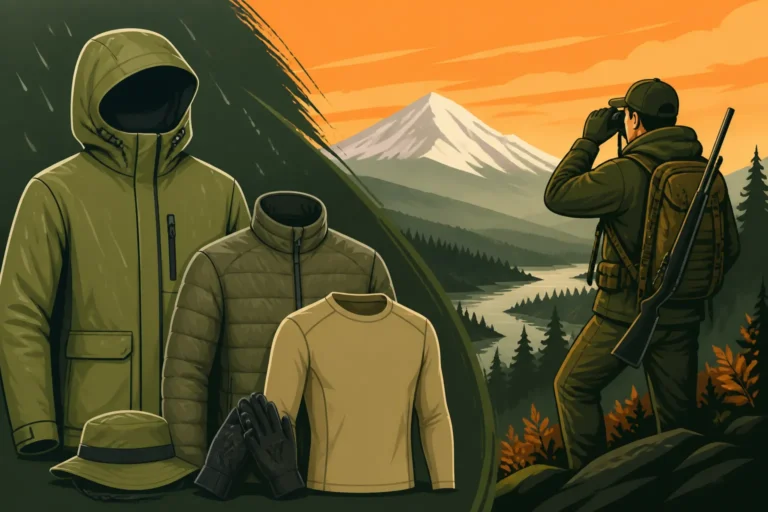
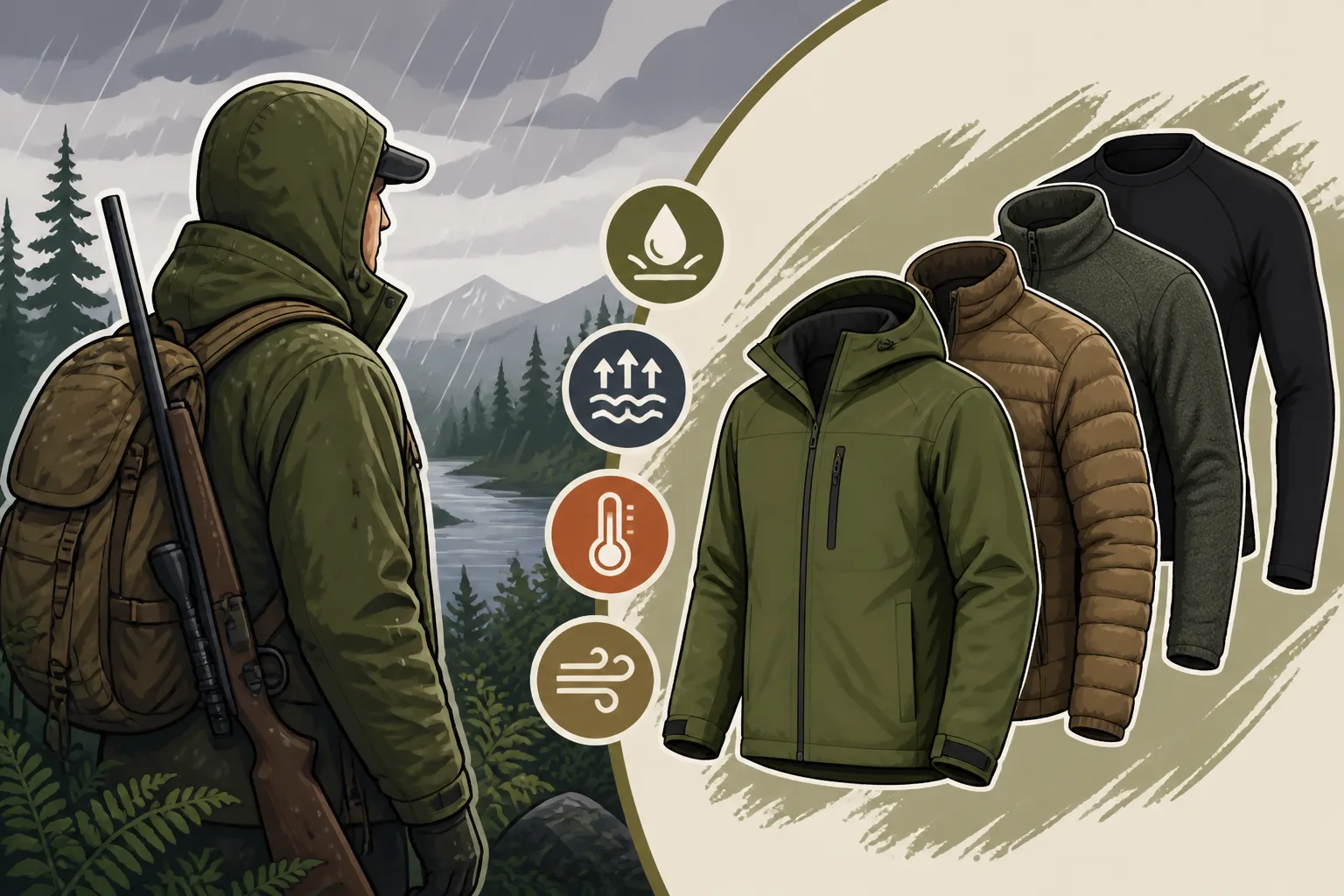
The core principle of layering is simple: instead of one heavy, bulky garment, you use multiple thinner layers that trap air for insulation and can be adjusted as conditions or your activity level change. This three-part system—base, mid, and outer—is your best friend in Washington's fickle weather.
The Base Layer: Your Second Skin
Think of your base layer as your first line of defense against both external cold and internal moisture. Its primary job isn't so much to insulate heavily, but to wick sweat away from your skin, keeping you dry. A dry hunter is a warm hunter. If your base layer gets soaked with sweat and then you stop moving, that moisture will rapidly cool your body, leading to a quick chill.
For fifty-degree, wet conditions, you're looking for something that moves moisture efficiently. Light to medium-weight options are generally best. Avoid cotton at all costs; it absorbs moisture like a sponge and takes forever to dry, essentially turning into a cold, wet rag against your skin. This is why you'll often hear veteran hunters preach "cotton kills" – it's no joke in damp environments.
The Mid-Layer: The Insulation Engine
This is where you build warmth. Mid-layers are designed to trap air, providing the bulk of your insulation. Depending on the exact temperature and your activity level, you might use one or multiple mid-layers. The beauty of multiple thinner mid-layers is that you can adjust your insulation precisely, shedding one if you're hiking uphill and putting it back on when you stop.
Materials here need to be warm even when damp, and ideally, quick-drying. Fleece is a popular choice for its affordability and performance, while down offers incredible warmth-to-weight but struggles severely when wet. Synthetic insulation is a fantastic compromise, maintaining much of its warmth even if it gets a bit damp and drying faster than down. You might consider a lightweight fleece vest over a grid-fleece quarter-zip for maximum versatility.
The Outer Layer: Your Weatherproof Shell
This is the armor that protects everything beneath it from the elements. Your outer layer needs to be windproof and, most critically for Washington, waterproof. It's the barrier that keeps the rain, snow, and wind out, allowing your inner layers to do their job of keeping you warm and dry.
A good outer layer needs to be breathable enough to allow some internal moisture (sweat vapor) to escape, preventing you from getting soaked from the inside out. This is where high-quality waterproof/breathable membranes come into play. Look for jackets and pants that can stand up to a sustained downpour, not just a light drizzle. Features like pit zips and full-length side zips on pants are incredibly valuable for ventilation during strenuous activity, preventing overheating and internal sweat buildup. This is a critical component for Rain Gear That Survives a Washington Westside Season.
Choosing the Right Materials for Each Layer
The success of your layering system hinges entirely on the materials you choose. Not all fabrics are created equal, especially when you're battling persistent dampness.
Base Layer Materials: Merino Wool and Synthetics
These are your two champions for base layers in wet conditions.
- Merino Wool: Ah, merino! It's a hunter's best friend. Merino wool is incredible at wicking moisture, but even better, it retains a significant amount of its insulating properties even when wet. It's naturally odor-resistant, which is a huge bonus on multi-day hunts when showers aren't an option. While it can be pricier than synthetics, its comfort and performance are often worth the investment. It feels soft against the skin, not scratchy like traditional wool.
- Synthetics (Polyester, Polypropylene): These fabrics are engineered for performance. They excel at wicking moisture away from your skin and are very quick to dry. Synthetics are generally more durable and less expensive than merino wool. Modern synthetics also come with antimicrobial treatments to help with odor control, though they typically don't match merino in that department. They are an excellent, high-performing choice for active hunting in damp weather.
| Layer Type | Best Material Options | Key Benefit in Wet, 50-Degree Conditions |
|---|---|---|
| Base | Merino Wool, Synthetic (Polyester) | Wicks moisture, insulates when damp |
| Mid | Fleece (Grid or Lofted), Synthetic Insulation (e.g., PrimaLoft) | Traps air for warmth, performs when damp |
| Outer | Waterproof/Breathable Membrane (e.g., GORE-TEX, eVent) | Blocks wind and rain, allows some breathability |
Mid-Layer Materials: Fleece and Synthetic Insulation
For your insulating layers, focus on materials that offer warmth without excessive bulk and can handle a bit of moisture.
- Fleece: From lightweight microfleece to heavier grid-fleece, this synthetic material is a staple for mid-layers. It's warm, relatively inexpensive, dries quickly, and maintains some insulating power even when wet. Grid-fleece, with its waffle-like pattern, is particularly good at trapping air while remaining breathable. You can easily layer different weights of fleece for adaptable warmth.
- Synthetic Insulated Jackets/Vests: These garments use synthetic fibers (like PrimaLoft or Coreloft) that mimic the loft of down but are far superior in wet conditions. They continue to insulate even when thoroughly soaked, making them ideal for the Washington environment. They compress well for packing and provide serious warmth for their weight. This type of jacket is often a go-to for Layering for Wet Cold.
Outer Layer Materials: Waterproof/Breathable Membranes
This is non-negotiable for Washington. You need a dedicated waterproof and windproof shell.
- Laminates (GORE-TEX, eVent, etc.): These are fabrics with a waterproof and breathable membrane bonded to the outer fabric. They offer excellent protection from rain and wind while allowing sweat vapor to escape, reducing that clammy feeling. Look for jackets with a good DWR (Durable Water Repellent) coating on the outer face fabric, which helps water bead up and roll off rather than soaking in. While often an investment, a high-quality rain shell is worth every penny. You'll want one that also features sealed seams to truly keep the water out. Don't skimp here; a cheap rain jacket will eventually wet out and leave you miserable. When considering your Rain Gear for Westside Hunting, prioritize these technical fabrics.
Putting It All Together: A Practical Layering Strategy
Now that we've covered the components, let's talk about how to actually use them in the field. This isn't just about putting on clothes; it's about dynamic management of your body temperature.
Before the Hunt: Planning is Key
Your layering strategy starts long before you ever step foot in the woods. Use resources like GoHunt to research the specific GMU you're targeting and its historical weather patterns. Check the detailed forecast for your hunt dates, paying close attention to temperature, wind, and precipitation chance. Are you expecting sustained rain or intermittent showers? Is it going to be windy? All these factors influence your layer choices. Also, consider your activity level: a still-hunt through thick timber requires different layering than sitting motionless on a vantage point glassing for Mule Deer Numbers in Eastern Washington.
The Dynamic Duo: Base and Outer Layer Constants
For most Washington hunts in fifty-degree wet conditions, your base layer and outer shell will be relatively constant players. Your base layer will be on from the start, working to manage sweat. Your outer shell should always be within easy reach, if not already on, especially if there's any chance of rain or wind. If you're hiking hard uphill and it's not actively raining, you might have your shell packed, but it should be the first thing you grab when you stop or the weather turns.
The Mid-Layer Dance: Adjusting on the Fly
This is where the real "layering" happens.
- Start Cold: A common mistake is to overdress at the trailhead. When you start hiking, your body will generate a lot of heat. It's usually better to start a little bit cool, knowing you'll warm up quickly once you start moving. If you start too warm, you'll sweat profusely, soaking your base layers and setting yourself up for a chill later.
- Add/Remove as Activity Changes: As you hike, shed mid-layers. If you're busting uphill, you might be down to just a base layer and a light vest, even if it's cool. When you stop to glass, call, or sit in a stand, immediately add those mid-layers back to trap warmth. Don't wait until you're already cold. This proactive approach is crucial.
- Ventilation is Your Friend: Use pit zips on your jacket, side zips on your pants, and unzipping your mid-layers or base layer to dump excess heat and moisture without fully removing a garment. This allows you to regulate your temperature more finely.
Footwear and Headwear: Often Overlooked
Don't forget your extremities!
- Boots: Waterproof boots are non-negotiable. For fifty-degree wet weather, you might not need heavily insulated boots, but they must keep your feet dry. Look for options with a waterproof membrane and ensure they are well-broken in before your hunt. Layering socks (a thin liner sock to wick moisture, and a thicker merino or synthetic outer sock for warmth) can also make a huge difference. Think about Boots for Washington's Eastside Rock and Westside Mud but adjust for the persistent wet.
- Headwear: A significant amount of heat can be lost through your head. A good merino or fleece beanie under your hood (or a waterproof hat with a brim) will keep your head warm and dry. Your outer shell should have a functional hood that fits well and doesn't restrict your vision, crucial for staying comfortable while glassing or Reading Clearcuts and Reprod for Blacktail Bucks in the rain.
Remember, the goal isn't just to stay warm, but to stay comfortably warm and dry. This means avoiding both overheating (which leads to sweat and subsequent chill) and getting drenched. With a strategic layering system tailored to Washington's specific challenges, you'll be much better equipped to enjoy your hunt, no matter what the weather throws at you.
Disclaimer
This article is for general informational purposes only and does not constitute professional advice. Laws, prices and regulations vary by location and change over time. Consult a qualified professional for guidance on your specific situation.