Warranty Policies Worth Paying For
There’s nothing worse than being deep in Washington’s rugged backcountry, miles from the trailhead, and having a crucial piece of gear fail on you. Maybe your binoculars fog up permanently, a zipper blows out on your expensive rain jacket, or your pack frame cracks under a heavy load. When these things happen, the frustration isn't just about the immediate inconvenience; it's about the significant investment you made in that gear. This guide is all about understanding warranty policies for hunting gear, helping you discern which ones genuinely offer protection and peace of mind, and which are practically useless when you need them most.
Why a Good Warranty is Critical for Washington Hunters
Hunting in Washington isn't a stroll through a manicured park. It's often a brutal test of endurance, both for us and for our equipment. From the soaking wet, dense timber of the western side to the jagged basalt and sagebrush of the east, our gear takes a beating. That's why a robust warranty isn't just a nice-to-have feature; it's an absolute necessity.
The Harsh Realities of Washington's Environment
Think about the conditions we face out here. Western Washington is synonymous with rain. Not just a sprinkle, but relentless, soaking rain that can penetrate even the most supposedly waterproof fabrics. Gear is constantly exposed to moisture, dense brush like salal and devil's club that can rip and tear, and endless steep, muddy terrain. East of the Cascades, you're dealing with different extremes: scorching summer heat, freezing cold snaps, abrasive volcanic rock, and sagebrush that seems designed to snag and shred. Your boots, packs, rain gear, and optics are constantly subjected to stress far beyond what everyday items experience. Without a solid warranty, a single season can leave you replacing expensive equipment out of pocket.
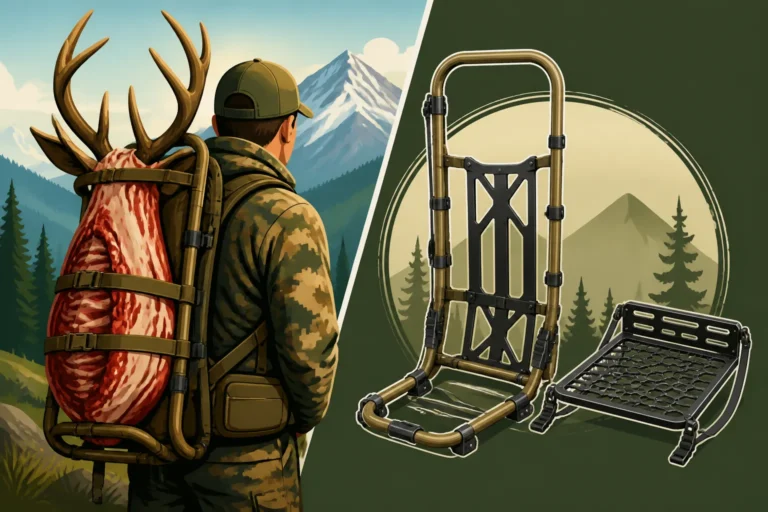
When you're packing out a Washington Elk Herds and Where They Live bull from a steep canyon, every stitch, buckle, and strap on your pack is under immense pressure. If something gives, it's not just an annoyance; it can jeopardize getting your hard-earned meat out of the woods safely and efficiently. The environment demands durability, and a good warranty backs up that claim of durability, ensuring that if the gear does falter under these expected, harsh conditions, you're covered.
The Investment in Quality Gear
Let's be honest: quality hunting gear isn't cheap. We save up, do our research, and often stretch our budgets to buy those high-performance items that promise to stand up to the rigors of a Washington season. We invest in optics that perform in low light, rain gear that actually keeps us dry, and packs that can comfortably haul hundreds of pounds. This isn't disposable equipment; it's an investment in successful, safe, and comfortable hunting experiences.
When you spend a significant amount on a riflescope or a pair of high-end binoculars, you're not just buying a product; you're buying confidence. You expect that gear to perform for years, not just a single season. A strong warranty protects that financial investment, acting as an insurance policy against manufacturing defects or premature failure under normal, intended use. It ensures that your hard-earned money isn't wasted if the gear doesn't live up to its promise, allowing you to focus on the hunt, not worrying about your gear.
Peace of Mind in the Backcountry
Beyond the financial aspect, a good warranty offers invaluable peace of mind. When you're solo hunting in the Pasayten Wilderness Hunting Access or chasing Blacktail Deer Hunting in Western Washington Timber, you need to trust your gear implicitly. You don't want to be constantly fretting about whether your rangefinder will crap out or if your tent will leak during an unexpected downpour. Knowing that a reputable company stands behind its products, ready to repair or replace them if they fail through no fault of your own, allows you to concentrate on the hunt itself.
This psychological comfort is especially important for critical items. Imagine your primary water filter failing miles from any potable source, or your satellite messenger conking out when you need to send an "I'm okay" message back home. Satellite Messengers for Solo Washington Hunts are a prime example of gear where a robust warranty gives you confidence in an emergency. A company that confidently offers a strong warranty often indicates a belief in the quality and reliability of its manufacturing, which translates directly to a greater sense of security for you, the hunter.
Types of Warranty Policies and What They Cover
Understanding the nuances of different warranty types is crucial. Not all "lifetime" warranties are created equal, and limited warranties can vary wildly in what they actually protect.
Lifetime Warranties: True vs. Limited
The term "lifetime warranty" sounds like the ultimate guarantee, right? But the devil is often in the details. A truly great lifetime warranty, often called a "no-questions-asked" or "VIP" warranty, means the company will repair or replace the product for free, for any reason, for as long as you own it. This often covers accidental damage, normal wear and tear, and manufacturer defects. Companies like some optics manufacturers are famous for these kinds of policies, where they'll fix your dropped binoculars or replace a torn pack strap, no matter how it happened. This is the gold standard we all hope for, especially for high-value items that see heavy use.
However, many "lifetime" warranties are actually limited lifetime warranties. This means they cover the product for its "expected lifespan" or for the lifetime of the original purchaser, but only against manufacturing defects. They explicitly exclude normal wear and tear, accidental damage, misuse, or cosmetic issues. So, if your backpack's zipper busts because you overloaded it, or your rain jacket delaminates after years of hard use, a limited lifetime warranty might not cover it. It's absolutely vital to read the fine print to understand what "lifetime" truly means to that specific manufacturer. Don't assume; clarify.
Limited Warranties: Duration and Exclusions
Most hunting gear comes with a limited warranty, typically for a period of one, three, five, or ten years. These warranties almost universally cover manufacturing defects in materials and workmanship. This means if a seam comes undone because it wasn't sewn correctly, or a component fails due to a flaw in its production, the company will usually take care of it. However, they are very specific about what they don't cover.
Common exclusions include normal wear and tear (a worn-out sole on a boot after hundreds of miles), accidental damage (dropping your rifle scope), misuse (using a tent as a ground tarp for your truck), cosmetic damage, and alterations or repairs made by anyone other than the manufacturer. For items like Rifle Setup for Washington Elk and Deer, understanding what parts of the scope or rifle are covered is crucial. The longer the duration of a limited warranty, and the clearer its terms, the better, but always manage your expectations about what it will cover. These are not insurance policies against user error or the inevitable effects of hard use.
Repair or Replacement Policies
When you make a warranty claim, what happens next? Most companies will first attempt to repair the item. This is often the quickest and most cost-effective solution for them, and for you if it gets your gear back in working order. If the item cannot be repaired, or if the cost of repair is prohibitive, they will typically offer a replacement. This replacement might be the exact same model, or if that model is discontinued, a comparable item of equal or greater value.
Some companies also offer a pro-rated replacement, especially for items with an expected lifespan, where they'll give you a discount on a new item based on the remaining "life" of your old one. It's good to know what to expect. Do they offer quick turnaround times for repairs? Will they replace it with a brand new item or a refurbished one? These are questions worth asking, or researching through user reviews on sites like GoHunt, before you commit to a brand. A seamless repair or replacement process can turn a frustrating situation into a positive customer experience.
Red Flags and Green Lights: What to Look For and Avoid
Navigating the world of warranties can feel like deciphering an ancient text. But there are clear indicators that signal a company's commitment to customer satisfaction versus those that are just trying to get by.
Understanding the Fine Print
This is where many hunters get tripped up. We often skim the warranty card or click "agree" without truly understanding the terms. A major red flag is vague language or excessive jargon that makes it hard to understand what's covered. If a warranty requires a lawyer to interpret, that's a problem. Look for clear, concise statements about what is and isn't included. Pay particular attention to clauses regarding "normal wear and tear" and "accidental damage." Some companies are very strict, while others are more lenient.
For example, a boot warranty that specifically excludes sole wear is common, but one that also excludes seams separating after a few months of legitimate use in Boots for Washington's Eastside Rock and Westside Mud terrain would be a red flag. Always check the duration and what precisely constitutes a "defect" in the manufacturer's eyes. Don't be afraid to call customer service and ask for clarification if something isn't clear. Their willingness to explain the policy can be a good indicator of their overall service.
Researching Company Reputation
A warranty is only as good as the company backing it. Before making a significant purchase, especially for big-ticket items like premium optics or a new pack, do your homework on the company's reputation for honoring warranties. Online forums, social media groups, and dedicated hunting communities like those found by searching on GoHunt are invaluable resources. Look for reviews from other hunters who have actually used the warranty service.
Did the company respond promptly? Were they fair and helpful? Or did they drag their feet, make excuses, or try to deny claims based on minor technicalities? A company with a history of excellent customer service and a reputation for standing behind its products is a green light. Conversely, a pattern of complaints about warranty denials or poor service is a huge red flag, regardless of how good their written policy sounds. You want to choose brands that have proven they will support you when something goes wrong.
What a Good Policy Looks Like
A genuinely good warranty policy is characterized by several key elements. First, it should be clear and easy to understand. You shouldn't need a magnifying glass and a law degree to figure out what's covered. Second, it should offer generous coverage for manufacturing defects for a reasonable period, if not a true lifetime. This means covering the core function and integrity of the product. Third, the company should have a track record of friendly, efficient, and fair customer service when claims are made.
Some companies even go a step further, offering warranties that cover accidental damage or offer a low-cost replacement even if the issue is user-caused. While these are less common, they represent the pinnacle of customer support. When you see a company proudly touting their warranty and hear consistent positive feedback from actual users, that's a strong green light. For items like Rain Gear That Survives a Washington Westside Season where failures can truly ruin a hunt, this kind of robust coverage is a massive bonus.
Here's a quick comparison of common warranty types:
| Warranty Type | Typical Coverage | Common Exclusions | Ideal for |
|---|---|---|---|
| True Lifetime | Manufacturing defects, wear and tear, accidental damage (often) | Usually very few; sometimes specific misuse is excluded | High-end optics, premium packs, critical survival gear |
| Limited Lifetime | Manufacturing defects for the product's expected life | Normal wear and tear, accidental damage, misuse, cosmetic | Most quality hunting clothing, specific tools |
| Fixed Term (e.g., 1-10 years) | Manufacturing defects for a set period | Normal wear and tear, accidental damage, misuse, expiration | Electronics, entry-level gear, some accessories |
Making a Warranty Claim: Tips for Success
Even with the best warranty, the process of making a claim can sometimes feel daunting. But with a little preparation and persistence, you can ensure a smoother experience.
Document Everything
The moment you discover a defect or damage that you believe is covered by your warranty, start documenting. Take clear photos or videos of the issue. Show the specific part that failed, the overall condition of the item, and any relevant angles. Make sure to keep your original proof of purchase (receipts, order confirmations, transaction IDs). Some companies may not require proof for true lifetime warranties, but it's always better to have it.
Also, note down the date you purchased the item and the date the issue occurred. If you've communicated with the company previously, keep records of those conversations, including dates, names of representatives, and what was discussed. Having a robust file of documentation will make your claim process much smoother and provide undeniable evidence if there are any disputes. Think of it like being prepared for an audit; the more evidence you have, the better your chances.
The Communication Process
When you're ready to make a claim, contact the manufacturer's customer service department. Many companies have online forms, email addresses, or dedicated phone lines for warranty service. Clearly and concisely describe the problem. Be honest about what happened, but stick to the facts. Avoid emotional language or making demands. State what you believe is covered under the warranty and what resolution you are seeking (repair, replacement, etc.).
Patience and persistence are key. While some companies have lightning-fast service, others can take weeks or even months, especially during peak hunting seasons. Follow up politely if you don't hear back within their stated timeframe. If you're not getting a satisfactory response from one representative, don't be afraid to ask to speak with a supervisor. Remember, you're looking for a reasonable resolution based on the terms of the warranty. Sites like GoHunt often have discussion boards where users share experiences and tips on dealing with specific company's warranty departments, which can be incredibly helpful.
Common Pitfalls to Avoid
There are several ways a warranty claim can go south, often due to actions taken by the user. First, avoid making any unauthorized repairs or modifications to the gear. If you try to fix a torn Packs Sized for a Washington Elk Quarter yourself with non-manufacturer parts, or tamper with an optic, it can often void the warranty entirely. Always let the manufacturer assess the damage first.
Second, be mindful of "misuse" clauses. Using a product in a way it wasn't intended (e.g., leaving a lightweight backpacking tent out in a severe windstorm that it's not rated for) can be grounds for denial. Third, neglecting regular maintenance can sometimes void a warranty. For instance, if you don't clean and lubricate your hunting knife (though a good Knives and Sharpeners for Field Work usually won't require warranty service if well-maintained), and it rusts through, that's generally not a manufacturer defect. Lastly, always register your product if the manufacturer requires it for warranty activation. Missing this step is a common and easily avoidable error. By understanding these pitfalls, you can significantly increase your chances of a successful warranty claim.
Disclaimer
This article is for general informational purposes only and does not constitute professional advice. Laws, prices and regulations vary by location and change over time. Consult a qualified professional for guidance on your specific situation.