Choosing Archery Over Modern Firearm
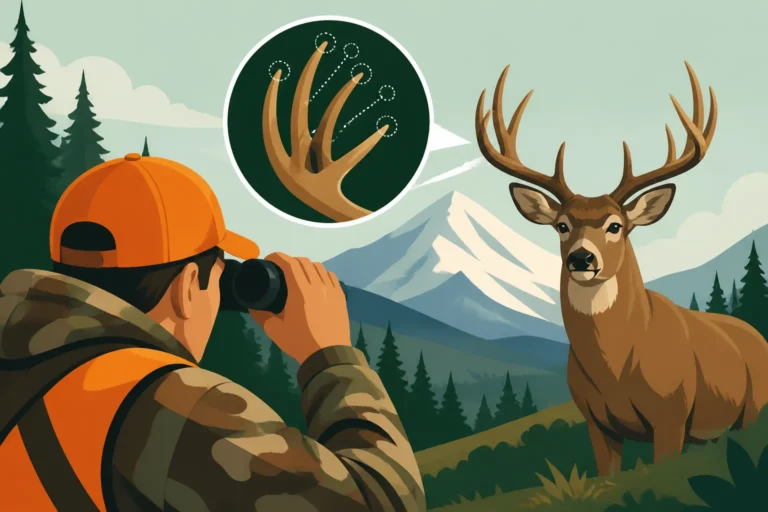
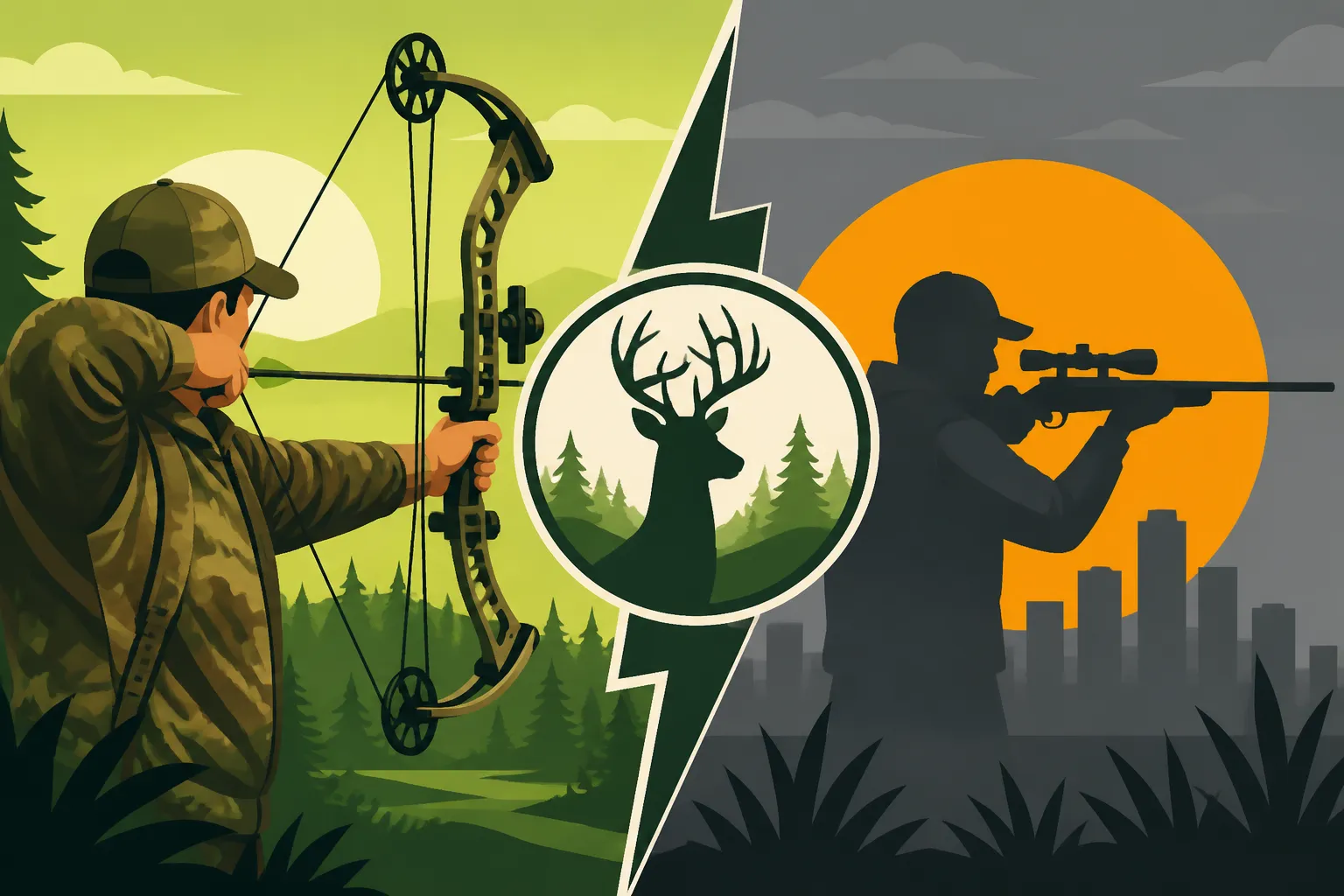
Deciding which weapon to carry into the Washington wilds is a deeply personal choice, but for many hunters who have long relied on modern firearms, the thought of switching to archery can feel daunting, even impossible. The challenges seem to multiply: closer shot distances, shorter effective ranges, and the intense physical and mental commitment required. This guide aims to demystify the journey from rifle to bow, exploring the unique opportunities and demanding realities of archery hunting in Washington.
The Allure of Archery Hunting in Washington
There's a special kind of hunter drawn to the bow and arrow. It's not just about harvesting an animal; it's about the deep, immersive experience that comes with truly earning your quarry. For those accustomed to the reach and relative ease of a modern firearm, stepping into the world of archery is like discovering a whole new dimension of hunting. It's often sparked by a desire for a greater challenge, a longer season, or a different connection to the pursuit.
For many, the biggest draw is the extended season. Archery seasons in Washington often open weeks before general modern firearm seasons, especially for elk. This means cooler weather, less hunting pressure, and, critically, the chance to chase bugling bulls in September. Imagine the thrill of hearing a bull roar through a dewy morning fog, responding to your calls, and then seeing him step into a shooting lane at 40 yards. That kind of close-quarters interaction is what archers live for, and it's a profound departure from spotting a distant buck across a canyon. This early start also offers unique opportunities for Washington Archery Deer and Elk Dates.
Then there's the intense personal satisfaction. When you draw back on an animal with a bow, knowing you've closed the distance, read the wind, and executed a silent, precise shot, the feeling of accomplishment is unparalleled. It demands a higher level of woodsman-ship, animal knowledge, and physical conditioning. You become intimately familiar with the animal's habits, their feeding patterns, and their escape routes because you have to get close. This pursuit fosters a profound respect for the animal and the environment, often deepening the hunter's connection to the wild in ways a rifle hunt rarely does.
Of course, it's not without its frustrations. Archery success rates are notoriously lower than those for modern firearms. You will blow stalks, you will get busted, and you will miss shots that feel agonizingly close. It's a mental game as much as a physical one, requiring immense patience and resilience. But for those who embrace the struggle, the rewards are immeasurable.
Understanding Washington's Archery Regulations and Seasons
Before you even string a bow, you need to understand the rules of the game in Washington. The Washington Department of Fish and Wildlife (WDFW) has specific regulations for archery equipment and seasons that differ significantly from modern firearm rules. Ignoring these details can quickly turn a potential hunt into a disappointing violation. This is where resources like GoHunt become incredibly useful for cross-referencing GMU-specific regulations and draw odds, ensuring you're always up-to-date.
Archery Equipment Requirements
Washington has very clear guidelines for what constitutes legal archery equipment for big game. Your bow must have a minimum draw weight, and your arrows a minimum weight and broadhead size. For elk and deer, the current rules state your arrow or bolt (if using a crossbow under specific conditions) must weigh at least 350 grains, and broadheads must have at least seven-eighths of an inch cutting width. It's important to differentiate between fixed-blade and mechanical broadheads; while mechanical broadheads are generally legal, they must still meet the minimum cutting width when deployed.
These regulations are in place to ensure a humane kill, providing sufficient kinetic energy and cutting diameter for quick, ethical harvests. Don't cheap out on broadheads or skimp on arrow weight. A light arrow with a flimsy broadhead might fly fast, but it won't penetrate effectively on a big bull elk. Always refer to the current WDFW hunting pamphlet for the most up-to-date and specific rules on Washington's Legal Equipment Rules by Weapon. This pamphlet is your bible for all things hunting regulations in the state.
Season Differences and Opportunities
One of the biggest advantages of archery hunting is the expanded season structure. Generally, archery seasons open earlier than modern firearm seasons, offering prime opportunities, especially for elk. This often places you in the field during the tail end of summer or early fall, when the weather can be more temperate, and animals are still in their summer patterns.
For elk hunters, the early archery season often coincides with the peak of the rut, allowing you to use bugles and cow calls to interact directly with bulls. Imagine a roaring bull storming into your setup in thick timber – it’s an adrenaline rush like no other. While modern firearm hunters might get a later general season tag, the archery tag gives you a completely different experience. These early archery seasons also frequently extend into areas that have shorter, or no, general firearm seasons, effectively opening up more hunting ground.
Deer hunters also benefit from earlier archery seasons, often finding bucks still in bachelor groups or more predictable summer feeding patterns. While the full rut might come later, these early windows allow for targeting animals before they become heavily pressured. For hunters interested in maximizing their time in the field, exploring a Washington Multi-Season Tags and Three Chances approach can offer even more flexibility, allowing you to hunt across different weapon types in certain units. Always check the specific GMU regulations in the WDFW pamphlet, as seasons and opportunities vary wildly across the state. Using detailed mapping tools, such as those offered by GoHunt, can help you visualize these season dates against specific unit boundaries.
Preparing for the Archery Hunt: Gear, Practice, and Mindset
Transitioning from modern firearm to archery isn't just about picking up a new weapon; it's about adopting a whole new approach to hunting. It demands a different level of physical and mental preparation, as well as a thoughtful selection of specialized gear tailored to Washington's diverse and often challenging environment.
Archery-Specific Gear Considerations
Your rifle might handle wet conditions, but a bow requires even more attention to detail, especially in Western Washington. Water can wreak havoc on strings, sights, and even arrow fletching. Consider materials and coatings that repel moisture. For instance, a quality Bow Choice for Wet Coastal Hunting will often feature durable, weather-resistant components.
Beyond the bow itself, focus on broadheads that are proven penetrators and hold up to impact. While fast arrows look impressive, proper penetration is paramount for an ethical harvest. Many Washington archers swear by heavy fixed-blade broadheads for their reliability and cutting power on tough animals like elk. A good rangefinder with angle compensation is also crucial for steep, broken terrain, as judging distance accurately is far more critical at bow range.
Don't forget the essentials for your body either. Investing in quiet, waterproof rain gear is non-negotiable, especially for early season hunts on the Westside. You'll be moving through wet brush, sitting in damp conditions, and stalking in rain. Rain Gear and Layering for Washington Hunts will prevent you from being miserable and keep you in the field longer.
The Importance of Consistent Practice
For modern firearm hunters, "practice" might mean a few trips to the range before the season to confirm zero. For archers, practice is a year-round commitment. You need to be proficient and confident at a wide range of distances, not just the static yardage markers. This means shooting from different positions – standing, kneeling, even from a tree stand if that's part of your strategy.
Crucially, practice in the conditions you'll hunt in. If you're hunting Western Washington, shoot in the rain. Shoot with your hunting layers on, even your pack, to understand how they affect your anchor points and form. Shooting a perfectly still target on a sunny range is one thing; making a perfect shot on a moving animal in a driving rain is another. Consistency is key. You should be able to group arrows tightly enough to confidently hit a pie plate at your maximum ethical range, every single time. This is also where you refine your Shot Placement on a Quartering Elk or deer, understanding exactly where your arrow needs to go to achieve a lethal pass-through.
Developing an Archery Hunter's Mindset
Archery hunting demands a profound shift in mindset. You're no longer relying on the hundred-yard-plus reach of a rifle. Instead, you're embracing the challenge of getting within 20-60 yards of a wild animal, often in dense cover. This requires extreme patience, a deep understanding of animal behavior, and an almost obsessive attention to wind direction.
You will likely experience more failures than successes, especially when starting out. You'll spend hours stalking only to have a twig snap at the wrong moment. You'll call in a bull, only for him to hang up just out of range. This is part of the experience. Learning to manage these frustrations, stay positive, and learn from every encounter is critical. It's about developing the mental toughness to keep going, to refine your strategy, and to enjoy the process as much as the outcome. The mental game often separates successful archers from those who give up.
The Journey from Firearm to Bow: Skills and Expectations
Making the switch from modern firearm to archery is a transformative journey. It reshapes your understanding of hunting, hones a different set of skills, and fundamentally alters your expectations of what a successful hunt entails. It’s not just a change of weapon; it’s an evolution in your hunting philosophy.
Mastering the Art of the Close Stalk
With a rifle, you might spend hours glassing vast landscapes, identifying animals from a distance, and then planning an approach. While glassing is still valuable in some archery scenarios, especially in Eastern Washington’s open country, the true art of archery lies in the close stalk. This means moving slowly, deliberately, and quietly through the woods, often through thick brush like salal and devil's club, trying to get within ethical bow range.
You'll quickly learn the importance of terrain features for concealment, using every dip, rise, and patch of timber to your advantage. Wind direction becomes your absolute master; a sudden shift can instantly unravel hours of careful stalking. You'll also learn to distinguish between the rustle of leaves and the sound of a deer chewing, or the snapping twig of a feeding elk versus a nervous stomp. This hyper-awareness of your surroundings is paramount. When things go wrong, and they often will, knowing how to conduct a thorough Blood Trailing in Salal and Devil's Club effort becomes a critical skill.
For those hunting the dense timber of Western Washington, the pace of your hunt will slow down dramatically. Instead of covering miles, you might spend an entire day still-hunting a small basin, moving just a few yards at a time, scrutinizing every shadow for an antler tip or a flicker of an ear. This deliberate pace cultivates an incredible intimacy with the forest.
Different Measures of Success
When you're a modern firearm hunter, success is often measured by a filled tag. While that remains the ultimate goal for archers too, the definition of a "successful hunt" expands considerably. A close encounter, a perfectly executed stalk that ends with the animal just out of range but unaware of your presence, or even just calling in a bull to within a stone's throw can be considered a profound success.
The focus shifts from simply pulling a trigger to engaging in a prolonged, strategic dance with the animal. You're constantly learning, adapting, and refining your skills. The lessons learned from a blown stalk or a missed opportunity become invaluable, building character and knowledge that no trophy photo can convey. Many experienced archers talk about the "non-kill" hunts that were more memorable and impactful than some of their successful rifle hunts, simply because of the sheer intensity of the interaction.
The Physical and Mental Demands
There's no sugarcoating it: archery hunting is physically demanding. Carrying a bow, a quiver of arrows, and all your gear up steep Washington mountains is hard work. Stalking quietly for hours on end, often off-trail, pushes your endurance. And if you are successful, Packing an Elk Out of Washington's Backcountry is an athletic feat unto itself. This isn't a passive sport; it's active, strenuous, and often exhausting. GoHunt's fitness resources are excellent for hunters looking to prepare their bodies for these demanding conditions.
Beyond the physical, the mental demands are immense. The pressure of knowing you have one ethical shot, often at a rapidly closing distance, can be intense. The frustration of repeated failures can wear you down. But overcoming these challenges, pushing your limits, and ultimately achieving your goal creates a deep sense of resilience and accomplishment. It's about embracing the grind, enduring discomfort, and maintaining focus in the face of adversity. This grit will serve you well, whether you're Field Dressing in Warm Early-Season Weather or dealing with an unexpected change in the hunt plan.
Conclusion: Embracing the Archery Challenge
The decision to choose archery over a modern firearm for Washington hunting is a significant one, marking a clear pivot towards a more challenging, intimate, and ultimately, profoundly rewarding hunting experience. It's a commitment to longer seasons, closer encounters, and a deep immersion in the natural world. While the journey demands meticulous preparation, consistent practice, and an unwavering mindset, the rewards—measured not just in filled tags but in personal growth and unforgettable moments in the wild—are truly priceless. If you're looking to elevate your hunting experience and forge a deeper connection with Washington's incredible big game, picking up a bow might just be the most fulfilling decision you make.
Archery vs. Modern Firearm: A Quick Comparison
| Feature | Archery Hunting (General) | Modern Firearm Hunting (General) |
|---|---|---|
| Season Length | Often longer, with earlier opening dates | Shorter, later seasons, often with higher hunting pressure |
| Effective Range | Typically 20-60 yards | Often 100-400+ yards, depending on caliber and hunter skill |
| Physical Demand | High (stalking, close quarters, packing out) | Moderate to High (less close-quarters stalking, but still requires fitness) |
| Success Rates | Generally lower | Generally higher |
| Gear Complexity | High (bow tuning, broadhead selection, precise shot execution) | Moderate (rifle zeroing, cartridge selection) |
| Noise | Silent | Loud, requires hearing protection |
| Ethical Shot | Requires extreme precision, knowledge of anatomy | Requires precision, but offers more margin of error due to bullet energy |
| Experience Focus | Close-range stalking, animal interaction, intense personal challenge | Glassing, long-range accuracy, efficiency |
Disclaimer
Hunting is an inherently dangerous activity. Always prioritize safety, understand and adhere to all Washington Department of Fish and Wildlife (WDFW) regulations, and never take unnecessary risks. This guide provides general information and recommendations but does not substitute for personal research, professional training, or on-the-ground experience. Conditions and regulations can change, so always consult the most current WDFW hunting pamphlet before heading into the field.