Washington Wilderness Rules on Motorized Carts
It's incredibly frustrating when you're planning a hard-earned hunt into the backcountry, picturing a smoother way to get that game out, only to run headfirst into a wall of regulations. Many hunters, especially those looking at Washington's vast wilderness, wonder if modern conveniences like motorized carts or electric game haulers are an option to lighten the grueling pack-out load. This guide is going to walk you through exactly what Washington's wilderness rules say about motorized carts, why these rules are in place, and what it truly means for your hunting plans in these wild spaces.
Understanding Washington's Wilderness Areas
When we talk about hunting in Washington's wilderness, it's essential to first grasp what "wilderness" truly means in the eyes of the law and land management agencies. These aren't just remote, rugged areas; they are specifically designated federal lands with a unique set of protections that profoundly impact how you can access and utilize them.
What Constitutes a Wilderness Area
Federally designated wilderness areas in the United States operate under the Wilderness Act of 1964. This isn't just a suggestion; it's a foundational law designed to preserve specific tracts of federal land in their natural condition. The Act defines wilderness as "an area where the earth and its community of life are untrammeled by man, where man himself is a visitor who does not remain." In Washington, we're fortunate to have incredible wilderness areas like the Pasayten Wilderness, the Alpine Lakes Wilderness, the Glacier Peak Wilderness, and parts of the Wenaha-Tucannon Wilderness in the Blue Mountains. These are places set aside not just for their scenic beauty, but for their ecological integrity and the primitive, unmechanized experience they offer. The rules here are stringent precisely because the intent is to maintain an environment where human influence is minimized and the landscape feels truly wild.
The Core Philosophy of Wilderness Management
The philosophy behind wilderness management is deeply rooted in preserving an "untrammeled" character. This means minimizing human impact, especially from modern technology and machinery. It’s about ensuring future generations can experience these lands in a condition similar to how they existed before extensive human development. For hunters, this translates directly into restrictions on travel and equipment. The idea is to promote self-reliance and primitive skills, fostering a sense of challenge and connection to the wild that is fundamentally different from hunting in areas with road access or mechanized support. The quiet of these areas, free from the hum of motors, is a deliberate choice, intended to enhance solitude and the natural soundscape. This core philosophy is what drives the blanket ban on anything with a motor, wheels, or even a bicycle.
The Ban on Motorized Carts and Vehicles
This is where the rubber doesn't meet the road, quite literally. The rules regarding motorized and even wheeled non-motorized equipment in designated wilderness are clear and uncompromising. It can be a hard pill to swallow, especially when you’re facing a long haul, but understanding the letter and spirit of the law is crucial for avoiding costly fines and respecting these special places.
Explicit Rules on Mechanized Transport
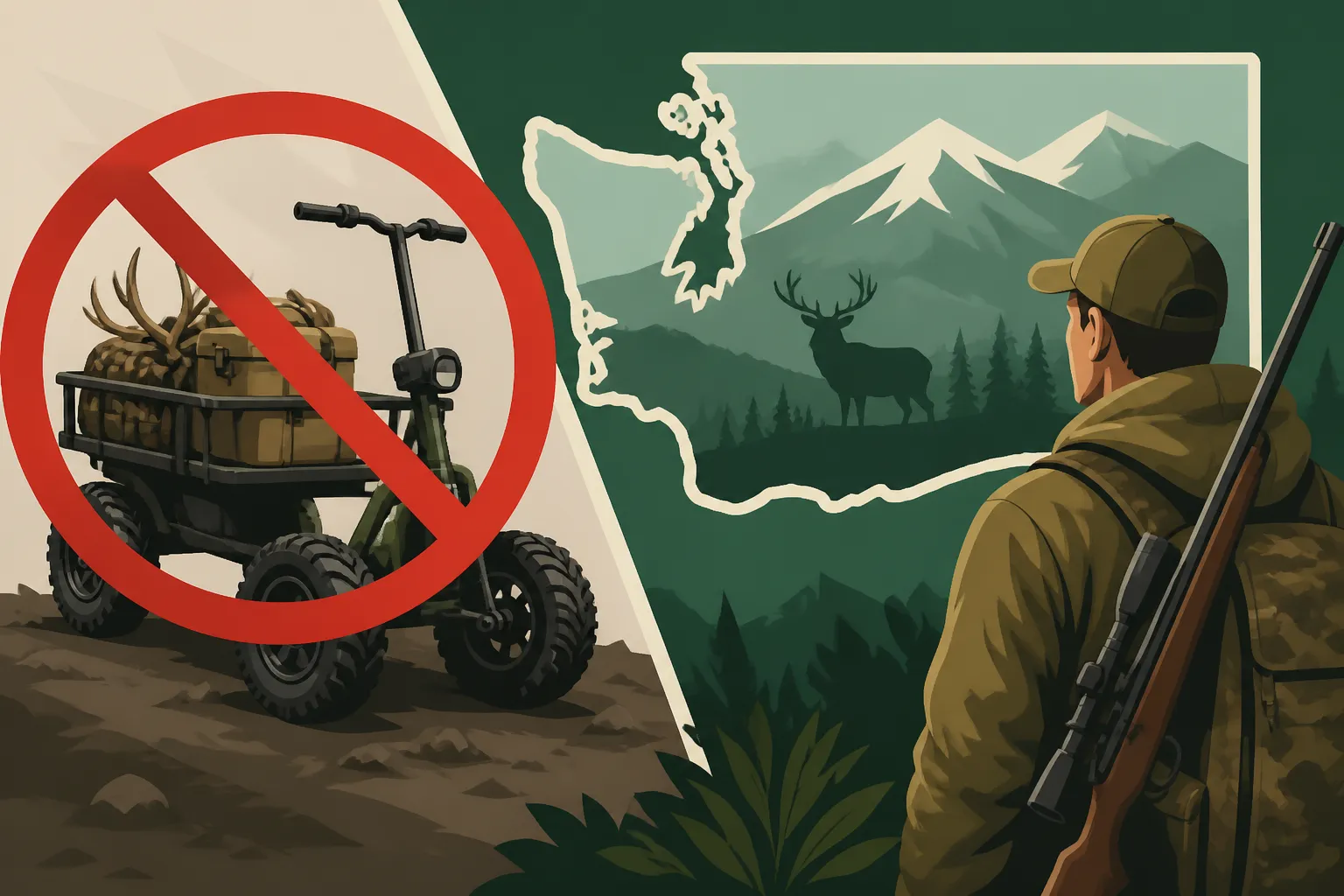
Within any federally designated wilderness area in Washington, the use of motorized vehicles is strictly prohibited. This includes ATVs, dirt bikes, and yes, any form of motorized cart or game hauler. The prohibition extends beyond just motors, though. The Wilderness Act explicitly forbids "mechanical transport," which is interpreted broadly by the U.S. Forest Service and other managing agencies. This means anything with wheels, even if it's hand-powered, like mountain bikes, wagons, wheelbarrows, or traditional game carts designed to roll on the ground, is generally not allowed.
Think about it: the intention is to keep the wilderness free from the tracks of wheels, the noise of engines, and the potential for increased erosion that vehicle use can bring. While you might see a game cart as a personal convenience, the cumulative effect of many carts could alter the primitive character of the trail and the overall wilderness experience for others. It's a tough reality when you're dreaming of a quick pack-out, but these rules are consistently enforced across all federal wilderness areas. If you're using a mapping system like GoHunt, you'll see these wilderness boundaries clearly marked, serving as a critical reminder of these prohibitions.
What About E-Bikes and Battery-Powered Devices?
In recent years, the rise of electric bicycles (e-bikes) and other battery-powered personal transport devices has created some confusion. It's a common question: "If I'm pedaling, but it has a motor assist, is it still allowed?" The answer, unequivocally, is no. Within federally designated wilderness areas, any device that uses a motor for propulsion, regardless of whether it also has pedals or is primarily human-powered, is considered a motorized vehicle.
This means e-bikes, electric skateboards, battery-powered unicycles, and even electric-assist game carts are all prohibited. The "motorized" aspect is the key disqualifier. Even if the motor is small, quiet, or only provides assistance, it fundamentally changes the nature of travel from purely human-powered to mechanized. This might seem overly strict to some, especially as these technologies become more prevalent, but the intent is to maintain the untrammeled character of the wilderness. The rule aims to prevent the incremental introduction of technology that could, over time, erode the very essence of what makes these areas unique. So, while an e-bike might be a great tool for covering ground outside of wilderness boundaries, leave it at the trailhead when venturing into those protected spaces.
Practical Implications for Hunters
So, if motorized carts and even simple wheeled game carts are out, what does that mean for you as a Washington hunter aiming for those deep backcountry spots? It means a return to fundamentals, a reliance on physical endurance, and smart planning.
Packing Out Game Without Wheels
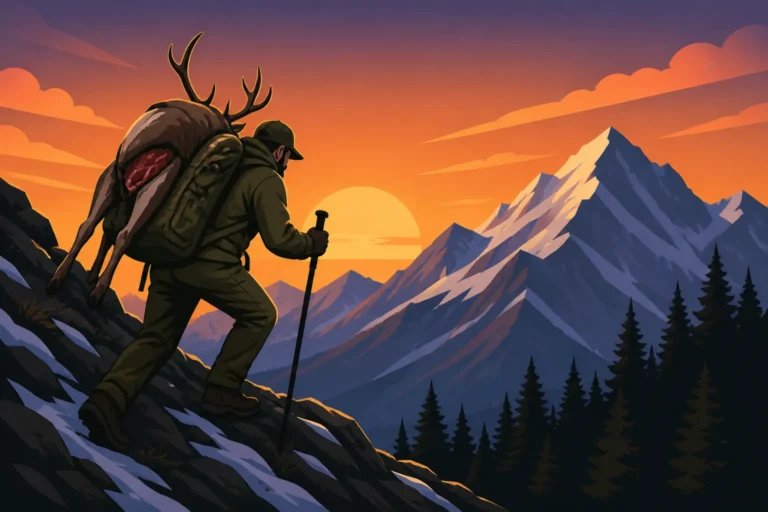
This is often the most physically demanding part of any wilderness hunt, and it's where the rubber meets your boots (or your pack frame). Without the aid of wheels, you're looking at packing everything out on your back, animal quarters included. For an elk, this almost always means multiple trips, especially if you're hunting solo. The gutless method becomes your best friend, allowing you to quickly quarter an animal and get the meat cooled and off the bone, ready for transport. You'll want sturdy pack frames designed for heavy loads, and good quality game bags are non-negotiable, especially for Field Dressing in Warm Early-Season Weather to protect the meat from flies and dirt.
Consider a large Roosevelt bull elk from western Washington; the sheer volume and weight of meat can be daunting. You might need to make three or even four trips, covering significant distances over rugged terrain, sometimes after dark. This is why thorough preparation, physical conditioning, and understanding how to effectively execute Quartering and Packing an Elk Solo are so critical. The physical toll is immense, and it’s a major reason why many hunters choose not to venture deep into wilderness areas without a strong plan and good companions. It’s not just about the kill; it’s about the retrieval, and in the wilderness, that’s often the hardest part.
Alternatives to Motorized Carts
While motorized carts are out, other non-motorized forms of transport are often permitted in Washington wilderness areas, though always check specific area regulations. The most common and effective alternatives involve pack stock.
- Horses and Llamas: For many serious backcountry hunters, using horses or llamas to pack in gear and pack out game is the ultimate solution. These animals can carry significantly heavier loads than a human and can navigate difficult terrain surprisingly well. However, this also comes with its own set of responsibilities and regulations. You'll need to know how to properly care for and handle pack animals, and you must adhere to rules such as using Certified Weed-Free Feed Rules to prevent the spread of invasive species. This option requires significant investment in time, training, and equipment, or hiring a professional outfitter. For hunters exploring Horse and Llama Packing in Washington, there are specific considerations, including how many animals you can have and where you can camp with them, often outlined in Wilderness Group Size Limits in Washington and Stock Use in Washington Wilderness.
- Traditional Sleds: In late-season hunts with sufficient snow, a simple, non-wheeled sled can be an incredibly effective tool for dragging out game. These are generally considered acceptable as they don't involve a motor or rotating wheels, and their impact on the ground is minimal in snow. This often becomes an unexpected blessing for those daring enough to face Late-Season Hunting in Washington Snow.
- Specialized Pack Systems: Beyond standard pack frames, some hunters experiment with custom-built carrying systems, often involving a second person or specialized rigging to distribute weight, but these remain human-powered and without wheels. The focus is always on minimal impact.
Navigating Regulations and Planning Your Hunt
The key to a successful and legal wilderness hunt in Washington lies in meticulous planning and a thorough understanding of the regulations. You don't want to get caught unprepared or, worse, on the wrong side of the law.
How to Identify Wilderness Boundaries
Before you even set foot in the field, you need to know exactly where wilderness boundaries lie. Relying solely on a general map can lead to serious trouble. Modern mapping applications are invaluable tools here.
Services like onX Hunt, for example, offer detailed public land layers that clearly delineate federal wilderness areas, often right down to the trail. This allows you to plan your routes, potential kill zones, and pack-out strategies with precision. Another excellent resource is the WDFW Hunt Planner Map Layers for Washington, which can also help visualize these boundaries. Always cross-reference with official U.S. Forest Service maps for the specific wilderness area you plan to enter. These maps are the ultimate authority and will show trailheads, designated campsites, and specific regulations that might apply to that particular wilderness. It’s crucial to know this information not just for motorized cart rules, but for understanding other restrictions, like Backpack Camps in Washington Wilderness protocols or fire restrictions.
A casual glance at a map on your phone won't cut it. Take the time to study the terrain and the boundaries. The GoHunt platform, much like onX, provides mapping capabilities that allow hunters to identify land ownership and wilderness boundaries with high accuracy. This preparation prevents accidental trespass into prohibited areas with the wrong gear and helps ensure a smooth, compliant hunting experience. It's often the difference between a successful trip and a citation.
Where Carts Are Permitted
It's important to differentiate wilderness areas from other public lands where rules may be less restrictive. While motorized carts are a definite no-go in wilderness, they might be permitted in other areas, depending on specific land management rules.
For instance, on some U.S. Forest Service or DNR lands outside of designated wilderness, you might find trails or logging roads where wheeled game carts are allowed. Similarly, areas managed under Washington Green Dot Road Systems often have specific rules about vehicle access, but these roads are generally outside of wilderness boundaries. Even here, it's not a blanket permission slip; you still need to check local rules for the specific GMU or forest district you're hunting.
The critical takeaway is that the "wilderness" designation carries the strictest prohibitions against mechanized and wheeled transport. If you're hunting in a general forest area that isn't designated wilderness, and you're sticking to established roads or trails where such use is explicitly allowed, a game cart could be a huge asset. However, the moment you step into a wilderness boundary, those rules change immediately and dramatically. Always know before you go, and always default to human power when in designated wilderness.
Disclaimer
The information provided in this guide is for general informational purposes only and does not constitute legal advice. Hunting regulations in Washington can change, and it is the hunter's responsibility to consult the most current Washington Department of Fish and Wildlife (WDFW) regulations pamphlet and the specific land management agency rules for the area they plan to hunt. Always verify current laws and restrictions before engaging in any hunting activity.