Packing In With Horses or Llamas
There's nothing quite like the dream of a deep-woods Washington hunting trip, far from the roads and the crowds. But when you start to map it out, the reality of getting into those remote zones – and especially getting a big elk or deer out – can quickly turn that dream into a logistical nightmare. This guide is all about tackling that challenge head-on by exploring the invaluable role of pack stock, like horses and llamas, to make those remote hunts a reality, allowing you to venture deeper and pack heavier with less physical strain.
The Undeniable Advantages of Pack Stock for Washington Hunters
Let's face it, your back can only take so much, and your two feet can only carry you so far, especially when you're trying to haul a hundred pounds of gear in, and then several hundred pounds of meat and antlers out. This is where pack stock truly shines, transforming what might be an impossible trip into an achievable adventure.
Reaching Remote Backcountry
Washington state boasts an incredible amount of public land, from sprawling national forests to designated wilderness areas. Many of the most productive hunting grounds, particularly for elk and big mule deer, are miles off the beaten path, accessible only by foot or, you guessed it, by pack animal. Trying to backpack into these areas with enough gear for a week, plus the anticipation of packing out an animal, can be utterly exhausting before you even nock an arrow or chamber a round.
Imagine an area like the Pasayten Wilderness, or parts of the Olympic National Forest where the Roosevelt elk roam deep in the timber. With pack stock, you can push past the day-trippers and the weekend warriors, establishing a base camp in pristine, unpressured territory. This isn't just about convenience; it's about hunter effectiveness. Being able to ride in, or lead your animals, means you arrive at your hunting grounds fresh and ready, rather than burnt out from a grueling pack-in. It allows you to explore units that you might previously have written off due to access difficulties, opening up a whole new world of opportunity. The ability to navigate tough terrain and put miles behind you without wearing yourself down physically is a massive advantage, letting you focus on the hunt itself. For those serious about reaching the best animals, going deep is often the answer, and pack stock provides the means to do just that.
Hauling Heavy Loads with Ease
This is arguably the number one reason hunters consider pack stock: the sheer, undeniable reality of packing out a large animal. A mature Washington bull elk can yield 200-300 pounds of boned-out meat, plus the hide and antlers. Even a decent blacktail buck can be 70-100 pounds of meat. Trying to pack that out in multiple trips, often over rough terrain, against the clock to keep the meat cool, is a monumental task for even the fittest hunter. I've spent plenty of long nights making multiple trips on foot, and it's a grind that can sap the joy from a successful hunt.
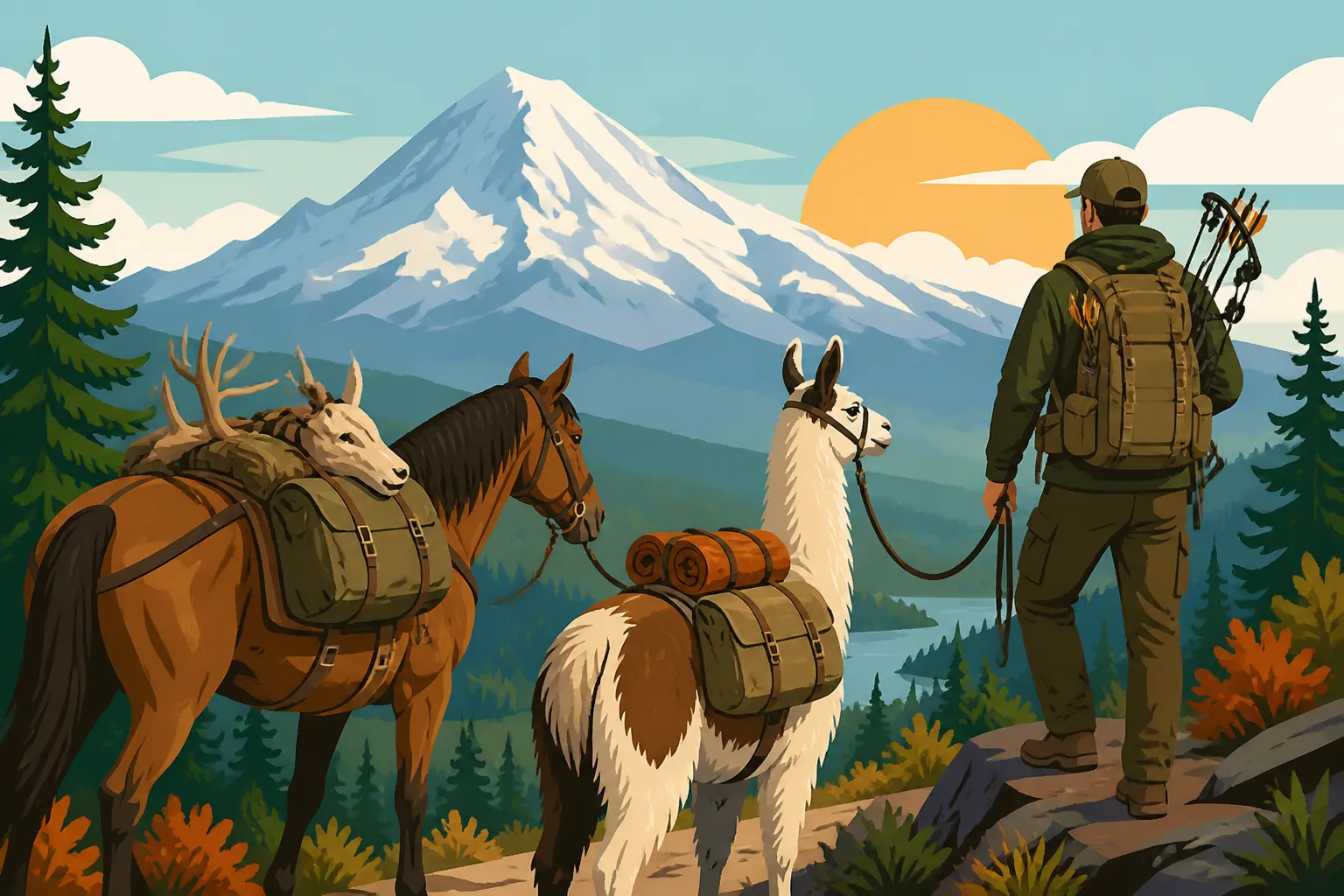
A well-conditioned pack horse can comfortably carry 150-200 pounds, sometimes more, depending on the animal and the terrain. A sturdy llama, while carrying less than a horse, can still manage 60-80 pounds with relative ease. This means an entire elk, quartered and boned out, can often be packed out in one or two trips with a couple of horses or llamas, as opposed to four to six grueling trips for a single hunter. This saves immense amounts of time and energy, allowing you to get the meat off the mountain quickly and efficiently, minimizing spoilage. When you're successful, the job isn't done until the meat is in the cooler, and pack stock are invaluable partners in that final, crucial stage.
Comfort and Gear for Extended Hunts
When you're packing everything on your back, every ounce counts. This often means sacrificing comfort items for essentials. You might be sleeping on a thin foam pad, relying on dehydrated meals, and foregoing a change of clothes to save weight. With pack stock, the equation changes entirely. All of a sudden, that bulky but comfortable sleeping pad, a heavier tent, even a small camp stove, becomes a viable option.
For longer hunts, especially when setting up Backcountry Camps in Washington Wilderness, having pack animals allows you to bring in a true spike camp experience. Think about it: a more robust tent, a cot, a proper sleeping bag for those frosty Washington nights, and enough diverse food to actually enjoy your meals. You can bring extra fuel, more comprehensive first-aid supplies, and even specialized gear that would otherwise be too heavy. This elevated level of comfort isn't just about luxury; it contributes directly to hunter performance. A well-rested, well-fed hunter is more alert, more patient, and ultimately, more successful in the field. Having a better quality of life in camp also makes those longer, deeper hunts more enjoyable and sustainable, encouraging you to stay out longer and really immerse yourself in the hunting experience.
Choosing Your Pack Stock: Horses vs. Llamas
When it comes to selecting the right pack animal, there are two main contenders that hunters typically consider: traditional equine options like horses and mules, and the increasingly popular llamas. Each has its own distinct set of advantages and considerations, and the best choice for you will largely depend on your experience, budget, the terrain you plan to hunt, and your personal preferences.
The Enduring Appeal of Horses and Mules
Horses and their hardy cousins, mules, have been the backbone of backcountry travel for centuries. They are the quintessential pack animal for many Western hunters, and for good reason. They are incredibly strong, capable of carrying substantial loads, often upwards of 150-200 pounds per animal, sometimes even more if they are well-conditioned and experienced. This capacity is a game-changer when you're planning on Packing an Elk Out of Washington's Backcountry or needing to haul a significant amount of camp gear deep into the wilderness.
Mules, in particular, are renowned for their sure-footedness and intelligence, making them exceptional choices for navigating Washington's steep, rocky, and often treacherous mountain trails. They tend to be more resilient than horses in rough terrain and generally possess a calm, steady temperament when properly trained. Both horses and mules can cover ground quickly, which is invaluable for getting into and out of remote areas efficiently. However, they also come with a significant learning curve and commitment. Owning and caring for horses or mules requires substantial knowledge, time, and financial investment. They need consistent feed, veterinary care, farrier services, and regular exercise to stay in hunting shape. Plus, managing them in the backcountry requires specialized skills like tying proper hitches, understanding horse behavior, and being prepared for potential injuries or issues miles from the nearest road. If you're considering horses, you'll need to develop these skills long before opening day.
The Rise of Llamas as Pack Animals
In recent decades, llamas have emerged as a surprisingly effective and often more accessible alternative to horses and mules for many backcountry hunters. While they can't carry quite as much weight as a large horse, their unique attributes make them highly suitable for Washington's varied hunting grounds. A healthy pack llama can comfortably carry 60-80 pounds, which is still a huge step up from what a human can manage.
One of the biggest advantages of llamas is their calm and docile temperament. They are generally quiet, gentle, and have a much lower "flight" response than horses, making them easier to handle for those with less stock experience. They are also incredibly agile and sure-footed, able to navigate narrow trails, rocky slopes, and dense brush with remarkable grace. Llamas have soft, padded feet, which means they have less impact on trails than hooved animals, and they are generally easier on the environment. They also require significantly less feed than horses, often content to browse on native vegetation or require only a small amount of supplemental feed, which can be a major logistical advantage on longer hunts. Llamas are also less prone to spooking from gunshots or strange scents, though proper desensitization is still important. Many find their quiet nature and inquisitive personalities a pleasure to have in camp. For hunters new to pack stock, or those looking for a lower-maintenance option for lighter loads and less challenging terrain, llamas are an excellent choice.
Comparing Pack Stock Attributes
To help you visualize the differences, here's a quick comparison of key attributes for horses/mules versus llamas as pack animals for hunting.
| Feature | Horses/Mules | Llamas |
|---|---|---|
| Carrying Capacity | High (150-200+ lbs) | Moderate (60-80 lbs) |
| Speed/Coverage | Faster, cover more ground | Slower, steady pace |
| Maintenance | High (feed, farrier, vet, extensive gear) | Low (less feed, no shoeing, simpler gear) |
| Impact on Trails | Higher (hooves, more weight) | Lower (padded feet, less weight) |
| Temperament | Can be spooky, require skilled handling | Calm, quiet, generally docile |
| Training | Extensive, specialized knowledge | Easier to train, more intuitive |
| Cost (Ownership) | Very High (purchase, feed, vet, equipment) | Moderate (purchase, less ongoing cost) |
| Cost (Rental/Outfitter) | Generally higher | Generally lower |
| Terrain Suitability | Excellent for all terrain, especially open | Excellent for steep, brushy, rocky, narrow trails |
| Eating Habits | Graze extensively, require dedicated feed | Browse, eat less, lower impact on vegetation |
Essential Preparations and Regulations for Pack Stock Hunting
Before you even think about hitting a trailhead with your pack animals, there's a significant amount of preparation, planning, and regulatory understanding that needs to happen. Failing to prepare can lead to a miserable, unsuccessful, or even illegal hunt.
Understanding Washington's Certified Weed-Free Feed Rules
This is not a suggestion; it's a critical regulation you absolutely must follow, especially when utilizing public lands in Washington. Many national forests, state wildlife areas, and particularly designated wilderness areas, including places like the Wenaha-Tucannon Wilderness or the Goat Rocks Wilderness, require that any feed brought in for pack stock be certified as weed-free. The goal is to prevent the introduction and spread of invasive plant species that can outcompete native vegetation, destroy wildlife habitat, and degrade ecosystems.
What does this mean for you? It means you can't just throw a bale of hay from your local feed store onto your trailer. You need to purchase feed that has been inspected and certified by an authorized agency, confirming it does not contain seeds of noxious weeds. This typically applies to hay, straw, and cubes. Look for products with specific certification tags or labels. You can usually find certified weed-free hay at specialty feed stores or directly from certified producers. If you're sourcing feed out of state, ensure it meets Washington's standards. Ignorance of this rule is no excuse, and violating it can result in significant fines and the potential for your hunt to be shut down. Always double-check the specific regulations for the Game Management Unit (GMU) or land management agency you plan to hunt in. Sites like GoHunt often have resources that point to these regulations, but ultimately, the WDFW and U.S. Forest Service are your primary sources. Ensuring you have the right feed sorted out well in advance of your hunt is a foundational step.
Planning Your Route and Camp with Stock in Mind
Planning a hunting trip with pack stock requires a different mindset than a purely human-powered trip. Your route selection, pace, and camp location will all be influenced by the needs of your animals. When you're E-Scouting Washington GMUs Before the Draw or doing your Public Land Scouting in Washington Before Opening Day, you'll need to specifically look for suitable trails and water sources.
- Trail Conditions: Not all trails are created equal for stock. Steep, rocky, narrow trails with significant blowdowns can be challenging or even impassable for horses and llamas, especially when loaded down. You'll need to check trail reports and maps for grades, obstacles, and recent maintenance. Are there stream crossings? How deep are they?
- Water Sources: Animals need water, often more frequently than you might think, especially if they are working hard. Plan your route to ensure regular access to reliable water sources for your stock. This is particularly crucial in drier eastern Washington units.
- Forage and Regulations: While llamas can browse, and horses graze, relying solely on natural forage in the backcountry is risky and often restricted. Even if you bring certified feed, you'll want to assess natural forage potential. More importantly, you must check specific wilderness and forest regulations regarding stock use. Some areas have restrictions on where you can graze or picket animals, and Group Size Limits in Wilderness can apply to the total number of people and stock combined. You need to understand rules like "stock use is prohibited within 200 feet of lakes, streams, and established campsites" common in some wilderness areas.
- Camp Location: Selecting a campsite needs to factor in enough flat, open space to safely secure your animals. You'll need an area to set up a highline or picket lines away from your sleeping quarters, to prevent animals from getting into your gear or disturbing your sleep. Consider access to water and if there's enough room to safely prepare your game. When considering Backcountry Camps in Washington Wilderness, always ensure your chosen spot adheres to all regulations, including those on stock and campfires.
Stock-Specific Gear and Training Considerations
Just like your Rifle Setup for Washington Elk and Deer or your archery gear, your pack stock requires specialized equipment, and you, the handler, need specialized skills. This isn't just about loading a cooler on a horse; it's about animal welfare, safety, and efficiency.
- Gear: For horses and mules, you'll need sturdy pack saddles (like Decker or Sawbuck) fitted with secure panniers (side bags), possibly a top pack, and appropriate rigging like breast collars and breeching to keep the load stable on hills. For llamas, specialized pack saddles are also available, designed to fit their unique anatomy, paired with durable panniers. Don't forget halters, leads, hobbles, and durable rope for highlines or picket systems. You'll also want protective gear for your animals, such as bell boots for horses or chaps for llamas if they're prone to rubs. A comprehensive stock first aid kit is just as important as your human one.
- Training and Conditioning: This cannot be overstressed. Untrained or unconditioned animals are a danger to themselves, to you, and can ruin a hunt. Your stock needs to be:
- Trail-Worthy: Accustomed to diverse terrain, crossing water, dealing with blowdowns, and navigating narrow paths.
- Pack-Trained: Comfortable with being loaded, having weight on their back, and moving with a shifting load. They need to understand packing in balance.
- Calm Under Pressure: Desensitized to loud noises (like gunshots), strange smells (like blood or game meat), and sudden movements. A spooked horse can scatter your gear or injure itself or you.
- Human-Trained: Respectful of humans, accustomed to being handled, tied, and led.
- Handler Skills: You need to know how to properly fit saddles, load panniers for balance, tie secure hitches (like a diamond hitch), set up a safe highline, read animal behavior, and manage potential issues on the trail. If you're new to stock, invest in lessons or spend time with experienced packers. GoHunt, among other resources, often highlights clinics or articles on preparing stock for hunting season. Rushing this aspect is a recipe for disaster.
On the Trail and In Camp with Pack Stock
Once you’ve put in all the hard work of preparation, the real adventure begins. Navigating Washington’s diverse landscapes and managing your animals in a backcountry camp requires skill, patience, and constant awareness.
Navigating Washington's Diverse Terrain with Animals
Washington's hunting grounds are anything but flat. From the dense, wet forests of the west side to the steep, rocky, and sage-covered canyons of the east, you'll encounter a myriad of challenging terrains. Leading or riding pack stock through these environments demands a keen eye and careful decision-making.
- Steep Climbs and Descents: Animals, especially loaded ones, can struggle on extreme inclines and declines. Zig-zagging up steep slopes can ease the burden, and careful footing is paramount. Allow them to pick their own pace. On descents, ensure their loads are secure and don't shift forward, which can cause rubs or loss of balance. Pay close attention to trails where heavy rains have created deep ruts or slick mud, which can be treacherous.
- River and Stream Crossings: Washington has countless waterways. When crossing, assess the depth, current, and bottom conditions. Unclip lead ropes if necessary so animals aren't dragged if they stumble. Some animals are naturally good swimmers, others less so; know your stock's capabilities.
- Downed Timber and Brush: Blowdowns are common in many Washington units, especially after winter storms. For horses, large logs might require you to cut a path or find a detour. Llamas, being more agile, can often pick their way through tighter spots. Dense brush, like salal or devil's club, can snag panniers and wear down animals; again, choose your path carefully.
- Narrow Trails and Exposure: Some high-country trails are narrow, with sheer drop-offs. Keep animals on the inside, away from the edge, and maintain a calm, steady demeanor. When encountering other trail users – hikers, mountain bikers, or other stock users – communicate clearly and move to the side to allow safe passage. This is also where you might encounter wildlife, and it's essential your animals are somewhat desensitized to deer, elk, or even bears to prevent a dangerous spook. Remember, slow and steady often wins the race in challenging terrain.
Highlining and Keeping Stock Secure in Camp
Once you reach your chosen camp spot, setting up a safe and secure area for your pack stock is just as important as pitching your tent. A loose animal can wander off, injure itself, or get into your provisions, ruining a hunt. One of the most common and effective methods for securing stock in camp is the use of a highline.
- Proper Highlining Technique: A highline involves stringing a sturdy rope or cable between two robust trees, high enough that the animals cannot get their legs over it. Attach shorter lead ropes (often with a swivel) from the highline to the animals' halters. This allows them to move a bit, lie down, and browse within a restricted area, minimizing impact on the immediate camp surroundings. Ensure the trees you choose are healthy and strong enough to withstand the pull of your animals. Always check your highline regularly for fraying ropes or stressed anchor points. For detailed instructions, refer to guides on Highlining Stock at Camp.
- Picket Lines and Hot Wires: In more open country, or where suitable trees for a highline are scarce, picket lines (staking an animal with a long lead rope) or portable electric "hot wire" fences can be used. Ensure picket stakes are driven deep and firmly, and check them regularly. Hot wire systems are excellent for containment but require a power source and careful setup to prevent escape.
- Protecting Your Camp and Your Stock: Animals are curious and will investigate anything that smells interesting – especially your food. Secure all food and scented items in bear-resistant containers or hung from a tree, away from your stock. Regularly check your animals for rubs, scrapes, or injuries caused by their packs or the terrain. Provide them with fresh water and their certified weed-free feed. The well-being of your stock is paramount; happy, healthy animals are safe and efficient partners.
Packing Out Game Efficiently
The moment you've been working for arrives: you've successfully harvested an animal. Now, the final, critical task is getting that meat off the mountain. This is where your pack stock earn their keep and truly shine, but proper technique is still essential. Whether you used the gutless method or traditional field dressing, the principles of packing out are similar.
- Quartering and Boning: For large animals like elk, you'll almost certainly be quartering the animal, and often boning out the meat to reduce weight and size. Guides like Quartering and Packing an Elk Solo offer excellent advice on how to do this efficiently. The goal is to get the meat into game bags that are breathable but protective, keeping the meat clean and cool.
- Load Distribution: This is absolutely critical for the comfort and safety of your pack animals. Loads must be balanced. Aim for equal weight on both sides of the animal's pack saddle. Uneven loads can cause rubs, soreness, injury, and can make the animal unstable, especially on uneven terrain. Use a scale if possible to weigh your game bags. If you have multiple animals, distribute the load strategically based on each animal's carrying capacity and conditioning.
- Securing the Load: Once the game bags are in the panniers, ensure they are tightly secured to prevent shifting. Use additional straps or a top pack if needed. A shifting load is an unhappy animal, and a potentially dangerous situation. The load should feel like it's a part of the animal, not an independent, wobbly mass.
- Keeping Meat Cool: Even with pack stock, the clock is ticking, especially in early season hunts or warmer weather. Get the meat into breathable game bags immediately. Consider packing in some frozen water bottles in your panniers if temperatures are warm. Plan the quickest route out to get the meat cooled as soon as possible. Getting Meat Off the Mountain Before Dark is always the goal, and pack stock significantly increase your chances of achieving it. Upon reaching your vehicle, transfer the meat to coolers packed with ice, or immediately transport it to a game processor.
The Financial and Time Investment of Pack Stock Hunting
Before you fully commit to the idea of acquiring pack stock, it’s crucial to understand that this isn’t a small undertaking. It involves both significant financial outlay and a substantial commitment of your time. This investment is often the biggest barrier for hunters dreaming of using horses or llamas.
Costs of Owning vs. Renting Pack Stock
Let's be realistic: owning pack animals is expensive. It's not just the initial purchase price, which can range from a few thousand dollars for a basic, trained llama or horse, to tens of thousands for high-end, experienced stock. The ongoing costs are where things really add up:
- Feed: Horses and mules eat a lot. Daily hay, grain, and supplements can cost hundreds of dollars a month per animal. Llamas eat less, but still require regular feed.
- Veterinary Care: Routine vaccinations, dental care, deworming, and emergency vet visits can quickly become very expensive.
- Farrier Services: Horses and mules need their hooves trimmed and often shod every 6-8 weeks. This is a recurring cost of around $50-$150 per animal per visit. Llamas typically don't need shoeing but may need occasional nail trims.
- Shelter and Boarding: Do you have land with a barn or shelter? If not, boarding at a facility can cost several hundred dollars a month.
- Equipment: Pack saddles, panniers, leads, halters, ropes, blankets, and a trailer to haul them – all of this gear is expensive and needs to be maintained or replaced over time.
- Fuel & Vehicle Maintenance: Hauling animals and a trailer to distant trailheads will significantly increase your fuel costs and put more wear and tear on your truck.
Given these expenses, many hunters opt for alternatives:
- Hiring an Outfitter: This is often the most straightforward and least time-intensive option, especially for a single, deep-woods hunt. You hire an experienced outfitter who provides the animals, the expertise, and often guides you and packs out your game. This can range from several hundred to a few thousand dollars per trip, depending on duration and services, but it removes all the ownership headaches.
- Renting Pack Stock: Some individuals or businesses offer trained pack horses or llamas for rent. This still requires you to have the skills to handle and pack the animals yourself, but you avoid the ownership costs. It can be a good middle-ground to gain experience before investing in your own. The costs will vary, but expect to pay a daily rate per animal. GoHunt is a good place to look for outfitters or rental services often listed in conjunction with specific hunting units.
The Time Commitment for Training and Maintenance
Beyond the financial aspect, the time commitment to owning and maintaining pack animals is substantial. These are living, breathing creatures that require daily attention, 365 days a year, not just during hunting season.
- Daily Care: Feeding, watering, cleaning pens, checking for injuries – this is a daily routine that cannot be skipped.
- Training: Animals are not born knowing how to pack or handle themselves in a hunting scenario. They require consistent training, starting from a young age or when first acquired. This includes desensitization to sounds, smells, and movements, learning to lead, load, and accept a pack. An untrained animal is a liability.
- Conditioning: Just like you need to be in shape for a grueling hunt, your animals need to be fit. This means regular exercise – riding, leading, or packing practice loads – to build stamina and muscle, especially for Washington's steep terrain. You can't just pull them out of a pasture a week before the hunt and expect them to perform.
- Maintenance: Tack cleaning, saddle fitting, veterinary appointments, farrier visits – these all take time to schedule and execute.
This level of dedication means that owning pack stock is truly a lifestyle choice, not just a hunting tool. For some, the bond formed with their animals and the opportunity to spend more time outdoors is well worth the effort. For others, the time commitment might be too high, making hiring an outfitter or renting a more sensible option. The key is to be realistic about what you can commit before bringing animals into your life.
Disclaimer
Please remember that hunting regulations and land access rules in Washington State can change. Always consult the most current Washington Department of Fish and Wildlife (WDFW) regulations pamphlet and specific land management agency rules (e.g., US Forest Service, DNR) before planning any hunting trip involving pack stock. This information is for educational purposes and should not be considered legal advice. Stay safe and hunt ethically.