First Aid Kit for a Remote Hunt
There's a specific kind of dread that washes over you when you're miles deep in Washington's wilderness, maybe seven ridges from the truck, and someone in your group (or worse, you) takes a nasty tumble or suffers a deep cut. Emergency services are hours, if not days, away, and relying on luck simply isn't an option. This guide is all about equipping you with the knowledge to build a robust first aid kit specifically designed for the challenges of a remote Washington hunt, ensuring you're prepared for whatever the mountains throw at you.
Why a Robust First Aid Kit Isn't Optional in Washington's Backcountry
When you venture into Washington's vast public lands, whether it's the dense timber of the Olympic Peninsula or the rugged, broken country of the Blue Mountains, you're signing up for an adventure where self-reliance is paramount. It’s not just about getting a tag or finding the right gear; it’s about being ready for the unexpected. A simple slip on a wet log or a misstep on scree can turn a fantastic hunt into a desperate survival situation in a heartbeat. The reality is, help isn't just a phone call away in many of these remote areas, and even if you have a satellite messenger, extracting an injured person takes time and resources that you simply don't have if you're not prepared to manage the immediate aftermath yourself.
Understanding the True Remote Nature of Washington Hunts
Washington is a state of incredible contrasts, from the sea-level rainforests of the west to the high desert and mountain ranges of the east. What unifies many of our best hunting spots, however, is their sheer remoteness. You might find yourself several hours' hike from the nearest forest service road, let alone a paved highway or cell service. Imagine being deep in the Gifford Pinchot National Forest, pursuing Roosevelt elk, and twisting an ankle. Or perhaps you're glassing for mule deer in the Okanogan-Wenatchee National Forest, a day's walk from your rig, and you cut yourself badly field-dressing an animal. Cell service is notoriously spotty or nonexistent in these rugged drainages and thick timber. Even with a modern satellite communication device, calling for help doesn't mean instantaneous arrival. Rescue operations can be complex, weather-dependent, and take many hours to mobilize, especially if they involve specialized mountain rescue teams. This critical time gap is where your first aid kit becomes your lifeline. It’s not just about minor scrapes; it’s about stabilizing a serious injury to prevent it from becoming life-threatening while you await help. If you're planning a trip into areas like the Pasayten Wilderness or other roadless tracts, understanding these delays is crucial for your Solo Hunting Safety Precautions.
Common Injuries and Ailments You Will Face
Hunting in Washington exposes you to a myriad of potential injuries, far beyond what you might encounter on a casual day hike. You're carrying heavy loads, traversing uneven and often steep terrain, and handling sharp tools like knives and broadheads. Blisters are almost a given on multi-day hunts, especially when navigating steep inclines in your Boots for Steep Eastside Country. Minor cuts from brush or accidental nicks while Field Dressing in Warm Early-Season Weather are also frequent. More serious concerns include sprains, particularly ankles and knees, which are common when navigating blowdowns or loose rock. Deep lacerations from knives, broadheads, or even a fall onto a sharp branch can lead to significant blood loss. Fractures, though less common, are a real possibility from a fall, and managing one remotely requires specialized supplies. Then there are environmental factors: allergic reactions to insect stings, poison oak/ivy exposure (especially westside), dehydration in dry eastside country, or, conversely, Hypothermia Risk on a Wet Hunt if you get soaked on the westside and can’t get warm. These aren't just hypotheticals; they're very real scenarios that play out every hunting season.
Essential Components of a Washington Remote Hunt First Aid Kit
Building a first aid kit for a remote Washington hunt means going beyond the basic pre-packaged kits you find at most outdoor stores. Those are fine for car camping, but not for situations where you might be your own primary medical responder for hours. Think about the types of injuries you're most likely to encounter and the amount of time it might take to get professional medical help. Every item should have a purpose and be robust enough for backcountry use. Before you even pack your first bandage, spending time e-scouting with resources like GoHunt can help you assess the remoteness of your chosen unit, informing the specific contents you'll need.
Wound Care and Bleeding Control
This is often the most critical section of a remote hunting first aid kit. Deep cuts, punctures, or even a self-inflicted broadhead wound can be catastrophic without immediate intervention.
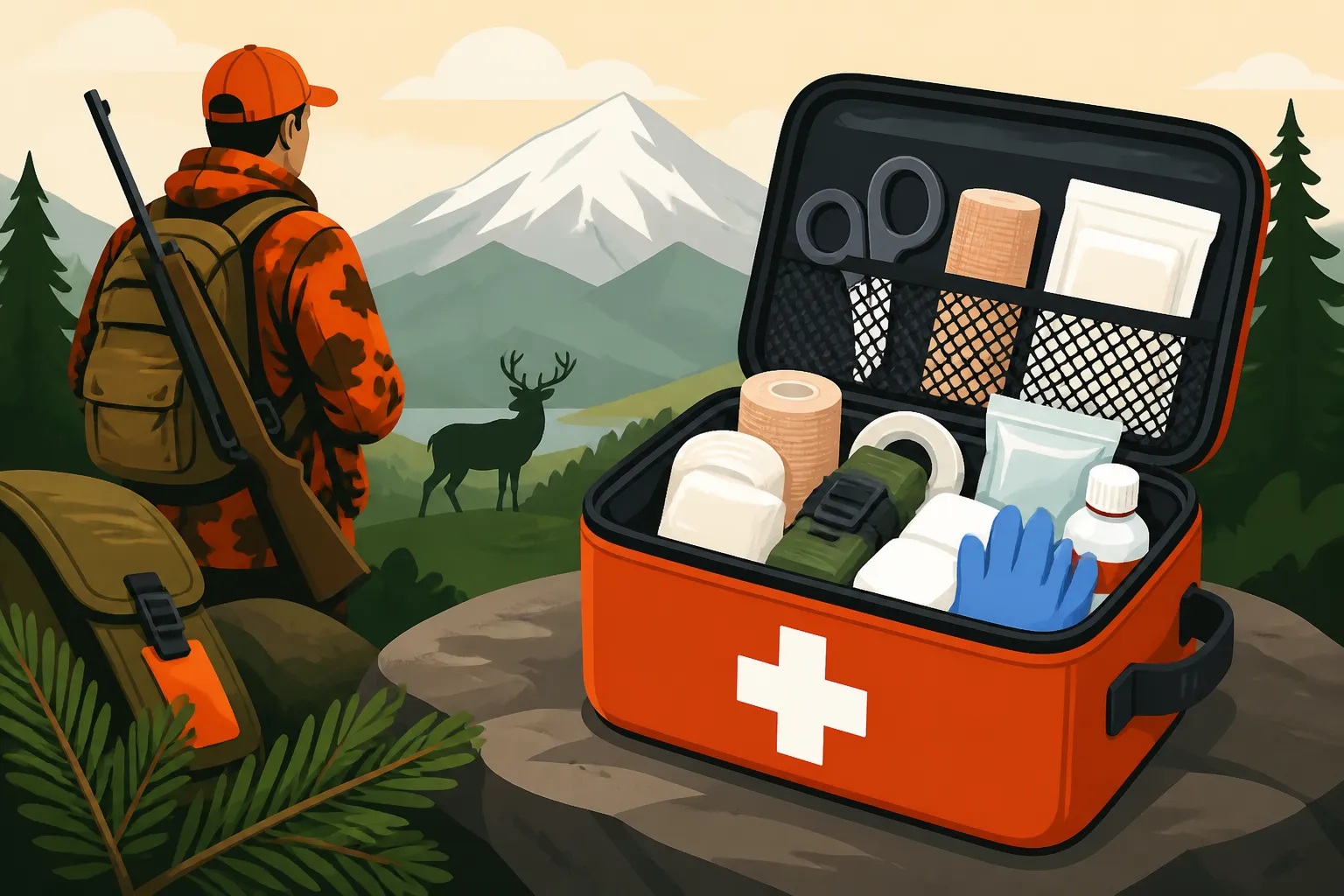
- Trauma Dressings: Israeli bandages or similar compression bandages are excellent for stopping significant bleeding and providing sustained pressure. Keep at least two.
- Hemostatic Gauze: Products like QuikClot or Celox are impregnated with agents that accelerate clotting. These are invaluable for severe, uncontrolled bleeding that direct pressure alone isn't stopping. Know how to pack a wound with it.
- Tourniquet: A high-quality tourniquet (like a CAT or SOF-T Wide) is non-negotiable for arterial bleeding on a limb. Practice applying it with one hand on yourself. It can save a life, but remember, it’s a last resort and should be used only for severe, life-threatening hemorrhage.
- Sterile Gauze Pads: Various sizes (2×2, 4×4) for cleaning and dressing wounds.
- Non-Adherent Dressings: For covering wounds without sticking, especially burns or abrasions.
- Medical Tape: Durable, waterproof tape to secure dressings.
- Antiseptic Wipes/Solution: Povidone-iodine wipes or a small bottle of Betadine to clean wounds before dressing.
- Irrigation Syringe: A 10-20ml syringe to flush dirt and debris from wounds with clean water or saline.
- Closure Strips/Superglue: For smaller, clean lacerations to help hold edges together, preventing infection and promoting healing.
- Nitrile Gloves: Protect yourself and the injured person from infection. Pack several pairs.
Pain Relief and Medications
Discomfort can quickly turn into agony in the backcountry, making movement or clear thinking difficult. Having effective pain management is essential.
- Over-the-Counter Pain Relievers: A generous supply of ibuprofen (Advil/Motrin) for inflammation and pain, and acetaminophen (Tylenol) for general pain and fever.
- Prescription Pain Medication: If you have chronic pain or anticipate a severe injury, consult your doctor about carrying a small, secure supply of stronger pain medication. This is a personal decision and requires careful planning and legal compliance.
- Anti-diarrhea Medication: Imodium or similar. A bad case of diarrhea can quickly lead to dehydration and sap your strength, making a pack-out miserable.
- Antihistamines: Benadryl for allergic reactions, insect stings, or rashes. Consider an EpiPen if anyone in your group has severe allergies.
- Anti-nausea Medication: For motion sickness or stomach upset, especially if you're Packing an Elk Out of Washington's Backcountry and feeling unwell.
- Blister Treatment: Moleskin, athletic tape, and hydrocolloid bandages (like Compeed) are absolute must-haves. Address hot spots before they become crippling blisters.
- Topical Ointments: Antibiotic ointment for cuts and scrapes, and hydrocortisone cream for itching or rashes.
Sprain and Fracture Management
An immobilized limb can make a world of difference in comfort and preventing further injury during a long, painful egress.
- SAM Splint: A versatile, lightweight, and waterproof splint that can be molded to any limb or joint. It's incredibly effective for stabilizing sprains, dislocations, or fractures. Pack at least two.
- Elastic Bandages (Ace Wraps): Multiple sizes for sprains, compression, or securing splints.
- Triangular Bandages: Incredibly versatile – they can be used as slings, improvised bandages, or to secure splints.
- Cravats: Similar to triangular bandages but often more robust, excellent for slings or stabilizing injured limbs.
- Duct Tape: The ultimate multi-tool. Can be used for securing splints, repairing gear, or even taping blisters.
General Ailments and Preventative Measures
Beyond direct injuries, simply feeling unwell can derail a remote hunt.
- Eye Wash/Saline: For flushing debris from eyes, which happens more often than you'd think in dusty or windy conditions.
- Sunscreen and Lip Balm: Even in Washington, sunburn can be an issue, especially at higher elevations or in exposed eastside country.
- Insect Repellent: To ward off mosquitoes and ticks, which can carry diseases.
- Water Purification Tablets/Filter: While not strictly first aid, access to clean water is foundational to preventing illness and aiding recovery.
- Headlamp/Spare Batteries: Essential for any nighttime first aid, tracking, or simply navigating around Backcountry Camps in Washington Wilderness.
Survival and Communication Additions
While these aren't directly "first aid" items, they are crucial extensions of your safety net when an injury occurs.
- Fire Starter: Waterproof matches, a lighter, or a ferro rod. Being able to build a fire for warmth or signaling is critical.
- Emergency Blanket/Bivy: A lightweight, reflective emergency blanket or bivy sack to prevent hypothermia if you're forced to spend an unexpected night out, especially important if you're injured and unable to move. This ties directly into Staying Dry in a Spike Camp.
- Whistle: For signaling for help; much more effective than yelling.
- Mirror: For signaling aircraft.
- Satellite Messenger: Devices like the Garmin inReach or Zoleo are game-changers for communicating from areas without cell service. They allow you to send SOS messages, check in with family, and provide your exact location to rescuers. This is indispensable, especially if you're relying on Satellite Messengers for Solo Washington Hunts.
- Two-Way Radios: For group communication, especially if you split up. Make sure you understand Two-Way Radio Use While Hunting and legal channels.
- Printed Maps and Compass: Never rely solely on electronics. Always have a physical map of your hunting unit and a compass, and know how to use them, especially if your primary navigation device is damaged. Tools like GoHunt's map features are excellent for planning, but paper is reliable.
Customizing Your Kit for Washington's Diverse Environments
A first aid kit isn't a one-size-fits-all solution; it needs to be adapted to the specific challenges of your hunt. Washington's landscape demands a tailored approach, considering everything from the dampness of western forests to the arid conditions of the eastern plains. Thinking through these variables ensures you're not carrying unnecessary weight while also having what you truly need.
Westside Rainforest Versus Eastside Sagebrush
Hunting on the west side of the Cascades, especially in units like the Olympic National Forest or the Coweeman, means dealing with persistent moisture. Your first aid kit needs to reflect this. Think about waterproofing everything thoroughly. Wounds will take longer to heal in damp conditions and are more prone to infection. You'll want extra antiseptic wipes and perhaps more robust wound dressings that can withstand moisture. Rain Gear for Westside Hunting is critical, but so is keeping your medical supplies dry. Additionally, insect repellent might be more of a priority for mosquitoes and ticks in dense, wet vegetation.
Conversely, heading east into areas like the Beezley Unit in the Columbia Basin or the Wenaha-Tucannon Wilderness means dealing with drier, dustier, and often rockier terrain. Dehydration becomes a greater concern, so electrolytes and extra water purification options might be more prominent. Cuts and abrasions from basalt or sharp sagebrush are common, so prioritize durable wound dressings. Sun protection becomes more vital, including sunscreen, lip balm, and maybe even a small tube of aloe vera for unexpected burns. The risk of wildfire can also be higher in these areas, so being extra cautious with fire and having basic burn care supplies might be a consideration.
Solo Hunt Versus Group Expedition
The size of your hunting party dramatically impacts your first aid strategy. If you're on a Solo Hunting Safety Precautions mission, your kit needs to be entirely self-sufficient. This means packing redundancy where possible (e.g., two SAM splints instead of one) and definitely investing in a reliable satellite messenger. You are the only person who can administer aid, so your knowledge and preparedness must be top-notch.
When hunting with a group, you can distribute some of the load and leverage collective skills. While each person should still carry a basic personal first aid kit, a larger, more comprehensive group kit can be shared. This allows for more specialized items that might be too heavy for one person, like a larger volume of saline or a more extensive trauma kit. In a group, you also have the advantage of multiple people who can render aid, go for help, or assist in patient care during an extraction. Communication within the group, perhaps using Two-Way Radio Use While Hunting, also becomes a first aid extender, allowing you to quickly alert others to an injury.
Duration and Seasonality
A day hunt requires a much lighter, more compact first aid kit than a multi-day backcountry expedition. For a quick morning sit for whitetail deer near Spokane, you might just need blister care, a few bandages, and pain relievers. But for a week-long elk hunt deep in the Colockum or Blue Mountains, you need to scale up significantly. More of everything is the rule: more wound dressings, more medications, and certainly more durable and versatile tools like splints and communication devices.
Seasonality also plays a huge role. Early season hunts can be warm, meaning you need to prioritize quick cooling of meat but also consider the risk of heat-related illnesses and insect activity. Later seasons bring the cold, increasing the risk of Hypothermia Risk on a Wet Hunt and frostbite. Your first aid kit should include hand warmers, an emergency bivy, and perhaps even some extra high-calorie snacks to help warm an injured person. Think about what conditions you'll face and pack accordingly. For example, if you're preparing for Late-Season Hunting in Washington Snow, you'll want to ensure your first aid kit includes items to combat the extreme cold.
Packing and Maintaining Your Kit for Reliability
Having the right gear is only half the battle; knowing how to pack it, keep it accessible, and maintain its readiness is just as crucial. A well-stocked kit does you no good if it's buried at the bottom of your pack, soaking wet, or contains expired medications.
Organization and Accessibility
Your first aid kit should be easily identifiable and accessible, preferably in a bright, water-resistant bag that stands out. Many hunters keep a smaller, quickly accessible 'personal' kit on their person or in a top lid, with a larger, more comprehensive 'group' or 'base camp' kit in their main pack. Use clear Ziploc bags or small stuff sacks to organize items by category (e.g., wound care, medications, sprains). Label them clearly so you can quickly grab what you need in an emergency. For instance, imagine a sudden, uncontrolled bleed – fumbling through a disorganized pack for a tourniquet or hemostatic gauze is time you don't have. Keeping your trauma items separate and instantly retrievable is critical. Remember, seconds count when dealing with severe injuries.
Regular Checks and Replenishment
A first aid kit isn't a "set it and forget it" item. It needs regular attention. Before and after every hunting season, or at least every six months, perform a thorough inventory.
Markdown Table: First Aid Kit Maintenance Checklist
| Item Category | Check Frequency | Action Item | Notes |
|---|---|---|---|
| Medications | Every 6 Months | Check expiration dates. | Replace expired pills; ensure adequate supply. |
| Sterile Dressings | Every 6 Months | Check for tears, moisture, and sterility. | Replace compromised packaging. |
| Topical Ointments | Every 6 Months | Check expiration dates and consistency. | Replace dried-out or expired tubes. |
| Adhesive Bandages/Tape | Every 6 Months | Check adhesion; ensure seals are intact. | Replace if sticky backing is gone or packaging is open. |
| Gloves | Every 6 Months | Check for holes or degradation. | Replace if brittle or damaged. |
| Tourniquet/SAM Splint | Annually | Inspect for wear, tears, and functionality. | Practice deployment; ensure no cracks or damage. |
| Batteries (Headlamp/Comms) | Every Hunt | Check charge and carry spares. | Replace if low; consider lithium for cold weather. |
| Waterproofing | Every Hunt | Inspect dry bags, Ziplocs for integrity. | Replace if torn or compromised. |
| Personal Items | Before Each Hunt | Refill personal prescriptions, special allergy meds (EpiPen). | Ensure all group members have their critical personal meds. |
Replace any items that are expired, used, damaged, or wet. If you use something, replace it as soon as you get home. It’s also wise to update your kit based on previous hunt experiences – did you wish you had more blister treatment? More gauze? Adjust accordingly.
Training and Knowing How to Use It
The most perfectly stocked first aid kit is useless if you don't know how to use its contents. Invest time and effort into learning basic wilderness first aid. Courses like Wilderness First Aid (WFA) or even Wilderness First Responder (WFR) for those spending extensive time in the backcountry are invaluable. These courses teach you not just what to pack, but how to assess injuries, stop bleeding, splint fractures, manage shock, and make critical decisions in remote environments. Practice applying tourniquets, improvising splints, and dressing wounds. Discuss emergency scenarios with your hunting partners and practice communication strategies, including how to use a Satellite Messengers for Solo Washington Hunts or Two-Way Radio Use While Hunting effectively. Before any remote trip, ensure you've filed a Leaving a Trip Plan at Home with a trusted contact, detailing your route, expected return, and who to call if you don't check in.
Disclaimer
The information provided in this guide is for informational purposes only and does not constitute medical advice. Always consult with a qualified medical professional before making any decisions about your health or medical care. In an emergency, always seek immediate professional medical attention. Wilderness first aid training is highly recommended.