Washington Hunter Education and Licensing
The world of Washington hunting regulations can feel like a dense thicket, full of twists, turns, and sometimes, outright confusion. From figuring out if you even need a hunter education card to navigating the annual licensing process and understanding all the different tag options, it’s enough to make even a seasoned outdoors person scratch their head. This comprehensive guide is here to untangle that complexity, walking you through every step of Washington's hunter education and licensing requirements so you can hit the woods with confidence and compliance.
Understanding Washington's Hunter Education Requirement
For many new hunters, the first hurdle isn't scouting a productive ridge or mastering a call; it's simply understanding what it takes to legally pick up a weapon and head afield. Washington State, like most places, has specific requirements for hunter education, designed to ensure safety and responsible stewardship of our wildlife resources. It can feel like a bit of a classroom chore when all you want to do is be out there, but trust me, the knowledge gained is invaluable and prevents far more headaches than it causes.
Who Needs Hunter Education in Washington
If you were born after January 1, 1972, you're generally required to show proof of hunter education completion to purchase your first Washington hunting license. This isn't just a suggestion; it's a hard rule. The Washington Department of Fish and Wildlife (WDFW) wants to ensure that everyone participating in hunting understands firearms safety, wildlife identification, hunting ethics, and the state's specific regulations. It’s about building a foundation of responsible behavior, not just passing a test.
There are a few important exceptions, of course, because rules always have nuances. If you’re a nonresident who has completed hunter education in another state or province, your certification will usually be recognized here. Always carry proof of that certification, like your card number or a copy of the certificate itself. Also, active duty military personnel or veterans who can show proof of honorable discharge might have certain exemptions, but it’s crucial to confirm this with WDFW directly before assuming anything. The bottom line is, if you're new to hunting in Washington and don't fit one of these clear exceptions, plan on taking the course.
Online vs. In-Person Course Options
When it comes to completing your hunter education, you have choices, each with its own pros and cons. The most common modern route is the online course, which offers incredible flexibility. You can typically work through the material at your own pace, from the comfort of your home, fitting it around work and family commitments. This is a huge benefit for busy individuals who might not have a full weekend to dedicate to a traditional classroom setting. Many approved online providers offer engaging modules that cover everything from projectile ballistics to field dressing basics.
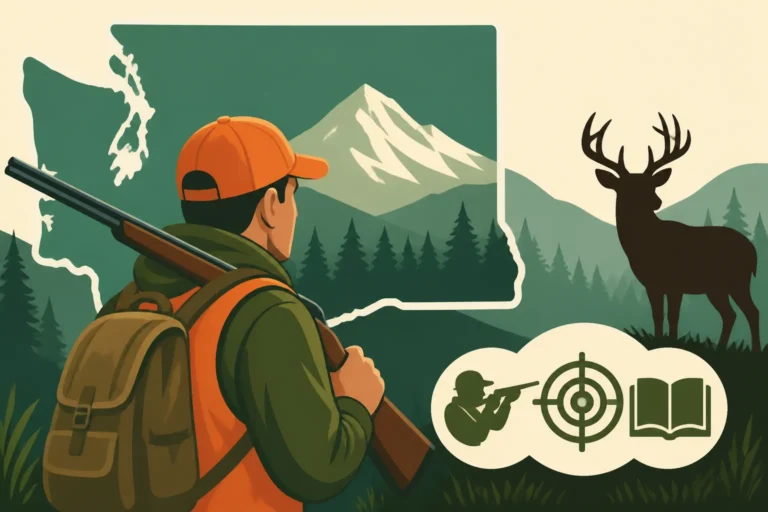
However, the online course isn't a complete solution on its own. It's usually paired with a mandatory "field skills day." This is where the rubber meets the road, quite literally. During this in-person session, typically lasting a few hours, certified instructors guide you through practical exercises. You'll handle firearms safely, demonstrate safe shooting positions, practice basic compass and map reading, and often participate in a live-fire exercise. This blend of online theory and hands-on application ensures you not only understand the concepts but can perform them safely in the field. This hybrid approach caters to different learning styles while upholding safety standards.
For those who prefer a more traditional learning environment or who struggle with self-paced online courses, a fully in-person course might be a better fit. These courses are often taught over a weekend or a series of evenings. They provide direct interaction with instructors, opportunities for immediate questions, and a more structured learning environment. The camaraderie with fellow students can also be a big plus, fostering a sense of community even before you step into the hunting grounds. Finding these courses might require a bit more planning, as they are scheduled at specific times and locations, but the comprehensive instruction can be invaluable.
Field Skills Day Explained
The field skills day is an absolutely critical component for anyone taking the online hunter education course. It’s where you solidify all that theoretical knowledge with practical application. Think of it as your final exam for real-world scenarios. You can study all the diagrams of safe shooting zones you want, but actually being on a range, demonstrating those principles under the watchful eye of an experienced instructor, is a different beast entirely. It’s about building muscle memory and confidence in safe firearm handling, something an online module just can’t replicate.
These sessions typically cover a range of practical skills. You'll likely practice the various carry methods for firearms, learn how to safely cross fences with a loaded or unloaded weapon, and identify proper zones of fire with other hunters present. Instructors will also emphasize ethical considerations, such as proper shot placement and blood trailing, even if it's just in a simulated environment. The live-fire portion is often where many new hunters gain their first real experience shooting a rifle or shotgun, teaching them proper stance, sight picture, and recoil management. It's not just about hitting a target; it's about doing it safely and responsibly, understanding the capabilities of your weapon, and always being aware of your surroundings. The instructors are there to guide you, correct any unsafe habits, and make sure you leave feeling competent and ready. For more details, you can find specific requirements for your Washington Hunter Education Field Skills Day on the WDFW website.
| Hunter Education Option | Format | Key Benefits | Requirements |
|---|---|---|---|
| Online Course + Field Day | Self-paced online modules, then 1-day in-person practical | Flexibility, convenience, practical skill assessment | Must complete approved online course and attend WDFW Field Skills Day |
| Traditional In-Person | Multi-day classroom and field instruction | Direct instructor interaction, structured learning, peer camaraderie | Attend all sessions, pass written exam and practical exercises |
| One-Time Deferral | None (temporary exemption) | Allows first-time adult hunters to try hunting with supervision | Must hunt with a licensed, experienced hunter (21+), cannot defer for a second time |
Navigating the Washington Licensing System
Once you've got your hunter education squared away (or confirmed your exemption), the next step is diving into the actual licensing system. This is where many new hunters, and even some veterans, can get bogged down. Washington’s system, while comprehensive, can be a maze of different licenses, tags, and special permits. It requires attention to detail, especially when it comes to deadlines and specific declarations. Missing a crucial step here can mean missing out on an entire season, which is a frustrating experience nobody wants to endure.
Your WILD Account and Its Importance
The centerpiece of Washington's licensing system is your WILD account. This isn't just a login portal; it's your digital hunting identity. Every licensed hunter in Washington needs one. Through your WILD account, you can purchase licenses, apply for special permits, report your harvest, and manage all your personal information related to hunting and fishing. It centralizes everything, which, once you get the hang of it, actually simplifies things quite a bit.
Setting up your WILD account is usually one of the first things you'll do after completing hunter education. You'll link your hunter education certificate to this account, ensuring WDFW has a complete record of your compliance. It’s also where you'll receive important notifications about draw results, season dates, and regulatory changes. Keep your contact information, especially your email address, up to date. Many hunters use their WILD account to review their past hunt choices and see their success rates, which can be invaluable when planning for future seasons. It truly is the hub for all your interactions with WDFW.
Buying Licenses Online and In-Person
When it comes to actually purchasing your licenses and tags, Washington offers a couple of convenient options. The most popular method these days is buying online through your WILD account. It’s fast, efficient, and you can do it anytime, anywhere. You simply log in, select the licenses and tags you need (we'll dive into the specifics of those next), pay with a credit card, and often you can print temporary copies of your licenses right then and there. Your official hard-copy licenses and tags are usually mailed to you within a few business days, so plan accordingly and don't wait until the last minute if you prefer the physical tags.
Alternatively, you can purchase licenses and tags in-person at hundreds of authorized license dealers across the state. These dealers are often sporting goods stores, tackle shops, or even certain general stores in smaller towns. This can be a great option if you have questions, need immediate assistance, or just prefer the human touch. The staff at these locations are usually very knowledgeable and can help you navigate the options. It’s also a good way to support local businesses that cater to hunters. Just remember that dealer hours may vary, and they might be particularly busy right before major hunting seasons, so factor that into your timing.
The Annual Licensing Cycle and Deadlines
Understanding Washington's annual licensing cycle and its various deadlines is perhaps one of the most crucial, and often frustrating, aspects of hunting in the state. Unlike some states with simpler systems, Washington has multiple important dates that hunters need to keep track of. The general hunting license year runs from April 1 to March 31 of the following year. This means you’ll typically buy your annual license (which includes the base hunting license fee) in the spring, even if you plan to hunt in the fall.
The most critical deadlines revolve around special permit applications. If you dream of hunting a quality elk unit or drawing a coveted multi-season tag, you absolutely cannot miss the application window. For most big game species like deer, elk, moose, sheep, and goat, the application period typically runs from late April to late May. Missing this window means you're out of luck for those specific draw hunts for the entire year. It’s not uncommon for hunters to use tools like GoHunt to keep track of these dates and assess their odds, especially when planning out their application strategy. General season tags, on the other hand, can usually be purchased over the counter right up until the season starts, but for special permits, you have to be on the ball. Staying on top of these dates is essential for any serious hunter in Washington.
Types of Washington Hunting Licenses and Tags
So, you're ready to buy your license. But what kind of license do you need? Washington offers a variety of options, depending on what you plan to hunt and where. It’s not a one-size-fits-all approach, and understanding the differences between a general license, a combination package, and special tags is key to ensuring you're legal for your chosen pursuit. The choices can sometimes feel overwhelming, but breaking them down helps.
Big Game Combo Licenses
For most big game hunters, the "Big Game Combination License" is the most straightforward and cost-effective option. This single purchase usually includes your base hunting license, a Western Washington or Eastern Washington deer tag, and an elk tag for either side of the Cascades. This simplifies things immensely, as it covers the common species most people pursue. When purchasing, you'll be prompted to declare your initial choice for deer (East or West Side) and elk (East or West Side). This declaration is important, as it determines which general season units you're eligible to hunt for that particular tag. You can later purchase an additional deer or elk tag if you want to hunt both sides of the state or multiple species, but the combo license gets you started with the primary options.
The combo license also typically includes eligibility for bear and cougar tags, though you’ll need to purchase those specific tags as add-ons. It's a comprehensive package designed to make it easier for hunters to get their basic needs met without having to buy a dozen individual items. Just remember, while the combo license provides the opportunity to hunt these species, you still need to understand the specific season dates, GMU regulations, and weapon restrictions for each animal and area. For a detailed breakdown of costs, check out Washington Big Game Licence and Tag Costs.
Small Game, Upland, and Migratory Bird Permits
If your passion lies with smaller quarry, Washington has separate licensing structures for small game, upland birds, and migratory birds. A "Small Game License" is typically required for species like rabbit, coyote, and various furbearers. This license often comes with different validity periods and regulations than big game licenses, so be sure to check the specific pamphlet. You might pursue small game after your big game seasons close, offering an extended opportunity to get out in the woods.
Upland bird hunting, which includes species like grouse, pheasant, quail, and chukar, generally requires a small game license along with any specific bird permits, like a "Pheasant License" for hunting on WDFW release sites. The excitement of chasing chukar up a rocky canyon or flushing a ruffed grouse in the timber is a different kind of thrill, and the licensing reflects that. Migratory birds, such as ducks, geese, and doves, have even more specific requirements. In addition to a small game license, you'll need a federal duck stamp, a Washington Migratory Bird Permit, and often a Harvest Information Program (HIP) endorsement. These federal and state requirements are due to international treaties and the need for accurate harvest data on migratory populations. Always double-check these specific requirements, as they can sometimes change annually.
Special Permit Applications and the Draw
This is where the dreams (and sometimes heartbreaks) of many Washington hunters lie: the special permit draw. Unlike general season tags that you can buy over the counter, special permits are for limited entry hunts in specific Game Management Units (GMUs) or for particular weapon types, and they are allocated through a random draw system. These permits offer opportunities for higher quality hunts, antlerless opportunities in specific areas, or multi-season tags that allow you to hunt across various weapon seasons. To learn more about how to apply, refer to Washington Special Hunt Permits and How to Apply.
The application process requires careful planning. You'll typically submit your application choices through your WILD account during the designated application period. Washington usually allows you to choose up to four hunt choices for many species, ranked by preference. For quality deer and elk hunts, the number of choices might be limited to two. This is where researching draw odds, success rates, and unit characteristics becomes paramount. Many hunters use tools from companies like GoHunt to analyze data and make informed decisions about their application strategy, especially for high-demand units. Remember, there are no preference points in Washington, meaning every applicant has an equal chance each year, which can be both exciting and maddening! When considering how these permits fit into your overall strategy, it's useful to understand the differences between Washington General Season Versus Special Permit Hunts.
Special Considerations for Youth, Seniors, and Disabled Hunters
Hunting in Washington is a pursuit for all ages and abilities, and the state's licensing system reflects this with specific provisions for youth, seniors, and hunters with disabilities. These considerations aim to make hunting more accessible, affordable, and inclusive, encouraging participation from a diverse range of individuals. It's important to understand these specific programs, whether you fall into one of these categories or are mentoring someone who does.
Youth Hunting Opportunities and Mentored Hunts
Washington actively encourages young people to get involved in hunting, recognizing that they are the future of conservation. There are specific youth hunting weekends for deer and elk, which provide dedicated opportunities for junior hunters before the general seasons open. These early seasons offer less crowded conditions and can be fantastic opportunities for success and building confidence. Youth licenses are also significantly cheaper, making the sport more affordable for families.
The mentored hunt program is another excellent initiative. It allows a first-time adult hunter (or youth who has not completed hunter education) to hunt without a hunter education card, provided they are accompanied by a licensed, experienced hunter (21 years or older). This is an incredible opportunity for new hunters to gain hands-on experience under direct supervision, learning the ropes from someone knowledgeable. However, it's a one-time deferral, meaning you can only use it once. After that first experience, you must complete your hunter education if you plan to continue hunting. This program is designed as an introduction, not a permanent bypass of education requirements.
Senior and Disabled Hunter Discounts
Washington values its senior hunters and those with disabilities, offering reduced-price licenses and tags to help keep them active in the field. Eligibility for senior discounts typically begins at a certain age, often 70 years old, but it’s always best to check the current WDFW regulations or the annual Big Game Hunting Seasons and Regulations pamphlet for the precise age cutoff and specific benefits. These discounts can make a substantial difference, especially for those on fixed incomes, helping to offset the rising costs associated with hunting.
Similarly, hunters with qualifying disabilities may be eligible for reduced fees on licenses and tags. This often requires providing documentation of the disability to WDFW. The state recognizes the physical challenges some hunters face and strives to minimize financial barriers. These programs ensure that a lifetime of hunting doesn't have to end just because age or physical limitations make it harder to participate.
Disability Hunting Permits
Beyond fee reductions, Washington also offers specific disability hunting permits designed to provide reasonable accommodations for hunters with permanent physical disabilities. These permits can grant certain privileges, such as the ability to hunt from a vehicle (where legally permissible and safe), use specialized adaptive equipment, or receive assistance from a designated helper. The exact nature of these permits and the accommodations they allow depend on the specific disability and its impact on hunting activities.
Applying for a disability hunting permit involves a detailed application process through WDFW, often requiring medical verification of the disability. It’s not a blanket pass for all rules, but rather a thoughtful approach to ensuring that individuals with disabilities can continue to enjoy hunting in a safe and ethical manner. These permits embody the spirit of inclusion, allowing more people to connect with nature and participate in Washington's rich hunting heritage.
The Importance of Harvest Reporting
Harvest reporting might seem like a bureaucratic chore, something to do quickly after a successful hunt and then forget. But for Washington's wildlife managers, it's one of the most vital pieces of data they collect. It provides a real-time snapshot of harvest success, population trends, and hunter effort, all of which are absolutely crucial for making informed decisions about future hunting seasons and wildlife management strategies. Ignoring this step isn't just a minor oversight; it has significant implications for the long-term health of our game populations.
Why Harvest Reports Matter
Every time you fill out a harvest report, you're contributing directly to the scientific management of Washington's deer, elk, bear, cougar, and other game animals. WDFW biologists use this data to estimate harvest rates, gauge the health and size of herds, and understand how different regulations or environmental factors impact populations. For example, if harvest reports show a significant decline in success in a particular GMU, it might signal an issue with the herd or an over-pressured area, prompting managers to adjust tag allocations or season lengths in future years.
Without accurate harvest data, biologists would essentially be flying blind. They wouldn't know if a specific hunt was sustainable, if population goals were being met, or if certain areas needed more protection or management intervention. Your report, whether you harvested an animal or not, helps paint a complete picture. It's a fundamental part of a hunter's responsibility to conservation, acting as a citizen scientist every time you submit that report. It's truly a feedback loop that directly influences the quality and sustainability of our hunting opportunities.
How to Submit Your Report
Submitting your harvest report in Washington is quite straightforward, thanks to the online WILD account system. After a successful hunt, you'll log into your WILD account, navigate to the harvest reporting section, and enter the required information. This typically includes the date of harvest, the GMU where the animal was taken, the species and sex, and the weapon used. You might also be asked for other details depending on the species, such as antler points for deer or elk.
Even if you didn't harvest an animal, you are still required to submit a "no harvest" report for certain tags, especially big game. This "no harvest" data is just as important as successful harvest data for calculating hunter effort and overall success rates. Imagine if only successful hunters reported; the perceived success rate would be artificially inflated, leading to skewed management decisions. So, whether you punched your tag or came home empty-handed, make sure to report! You can find specifics on the Washington Harvest Report Deadline in the annual regulations pamphlet.
Penalties for Non-Compliance
It's easy to forget about harvest reporting after the excitement of a hunt, but failing to submit your report can lead to significant penalties. WDFW takes harvest reporting seriously, and for good reason—without this data, effective wildlife management becomes much harder. The most common penalty for failing to report a big game or multi-season tag is a fine, but it can also include being barred from applying for special permits in future years or even having your hunting privileges suspended.
These aren't just minor slaps on the wrist; they can severely impact your ability to hunt in Washington for years to come. The message is clear: reporting your harvest is a mandatory part of hunting in the state, not an optional one. It’s far simpler and less stressful to take a few minutes to complete the report online than it is to deal with the consequences of non-compliance. Don't let a simple oversight derail your future hunting plans; make harvest reporting a mandatory part of your post-hunt routine. If you didn't fill your tag, remember to submit a Reporting an Unfilled Washington Tag report.
Staying Informed About Washington Hunting Regulations
The world of hunting regulations is rarely static. Seasons change, boundaries are adjusted, and new rules are implemented based on wildlife populations, environmental factors, and public input. For hunters in Washington, staying current with these changes isn't just good practice; it's essential for legal and ethical hunting. Relying on outdated information can quickly lead to unintentional violations and a ruined hunt.
The WDFW Big Game Pamphlet
Your absolute bible for Washington hunting regulations is the WDFW Big Game Hunting Seasons and Regulations pamphlet. This is the official document that outlines all the seasons, bag limits, weapon restrictions, GMU boundaries, and special permit rules for the current year. It's released annually, typically in the spring, and it's your responsibility as a hunter to read and understand it thoroughly. You can pick up a physical copy at license dealers or WDFW offices, but it's also readily available as a PDF download on the WDFW website.
Many experienced hunters will pore over this pamphlet as soon as it's released, marking key dates, GMU descriptions, and changes from previous years. It's not light reading, but every single detail is important. Pay particular attention to the front matter, which often contains general regulations, definitions, and important updates that apply statewide. Then, dive into the specific sections for the species and GMUs you plan to hunt. Don't just skim it; treat it like an instruction manual for your hunting season.
Online Resources and Rule Changes
While the printed pamphlet is crucial, the WDFW website is your most up-to-date resource for any rule changes, emergency closures, or in-season adjustments. Sometimes, due to factors like wildfires, disease outbreaks, or exceeding harvest guidelines, WDFW may implement emergency closures or modify seasons on short notice. These changes are always announced and posted on their website. It’s a good habit to check the WDFW site regularly, especially in the weeks leading up to and during your planned hunts.
Beyond WDFW, many online hunting forums, social media groups, and independent platforms (like GoHunt) provide valuable discussions and interpretations of regulations. While these can be great for community and insight, always cross-reference any critical information with the official WDFW pamphlet or website. Unofficial sources, while well-intentioned, can sometimes contain inaccuracies. Think of them as supplemental resources, not primary authorities. Tools like GoHunt can be particularly helpful for understanding historical draw odds and harvest success, aiding in permit application decisions.
Commission Meetings and Public Input
For hunters who want to be more involved in the regulatory process, attending or providing input to Washington Fish and Wildlife Commission meetings is an option. The Commission is the decision-making body that sets WDFW policy and approves hunting regulations. These meetings are open to the public, and there are often opportunities to provide written or oral comments on proposed rule changes. This is where you can make your voice heard on issues that are important to you, whether it's advocating for specific season dates, expressing concerns about herd health, or proposing new management strategies.
WDFW also engages in a "three-year rule package cycle," meaning major changes to hunting rules often follow a multi-year process of review, public input, and refinement. Being aware of this cycle and participating in public comment periods is how hunters can truly shape the future of hunting in Washington. It's a much more engaged form of citizenship than just reading the pamphlet, and it allows you to influence the very rules that govern our outdoor passions.
Common Pitfalls and How to Avoid Them
Washington's hunting regulations, while logical in their framework, do have their share of nuances and complexities that can trip up even experienced hunters. It's easy to make an honest mistake, but unfortunately, ignorance of the law is rarely an excuse in the eyes of wildlife enforcement. Understanding these common pitfalls and actively working to avoid them is just as important as knowing where to find your game.
Missing Deadlines
One of the most disheartening mistakes a hunter can make is missing a critical deadline. This is particularly true for special hunt permit applications. The application window is typically quite specific, often a few weeks in April and May. If you miss that window, you’ve lost your chance to apply for those coveted draw hunts for the entire year. It’s not a system with extensions or do-overs. This can be incredibly frustrating, especially if you’ve spent months scouting a particular unit or dreaming of a specific elk tag.
To avoid this, treat deadlines like sacred dates on your calendar. Set multiple reminders on your phone, mark it on a physical calendar, and consider joining email lists or using hunting apps that send out notifications. It's also wise to complete your application well before the absolute last day. Technology can be unpredictable, and waiting until the final hours to apply could lead to technical glitches that prevent submission. Plan ahead, act early, and safeguard your opportunities.
Misunderstanding GMU Rules
Washington is divided into numerous Game Management Units (GMUs), each with its own specific regulations that can vary wildly. What's legal in one GMU might be illegal in an adjacent one. This can include different season dates, bag limits, antler point restrictions (e.g., three-point minimum units), or even weapon restrictions (e.g., some areas might be shotgun-only or modern firearm restricted). Simply knowing the general season dates for a species isn't enough; you must know the specific rules for the GMU you are hunting in.
This pitfall often arises when hunters assume rules are uniform across a region or fail to precisely identify GMU boundaries. Always confirm the exact GMU you're in, whether by using a GPS device, a mapping app like onX Hunt, or a physical WDFW GMU map. Study the regulations pamphlet for that specific GMU carefully. Don’t rely on hearsay or what a buddy told you about a different unit. The boundaries can sometimes follow obscure features like logging roads, power lines, or drainage divides, making precise location awareness critical.
Not Declaring Weapon Choices Correctly
When purchasing a big game tag, particularly for elk, you’ll be asked to declare your weapon choice (e.g., archery, muzzleloader, modern firearm) and often the general area (East Side or West Side). This declaration is critically important, as it dictates the seasons you are eligible to hunt. For instance, if you declare an archery elk tag for the West Side, you are generally restricted to archery seasons in West Side GMUs, even if a modern firearm season might be open nearby. You can't just pick up a rifle and hunt during a modern firearm season with an archery-declared tag.
Making a mistake in this declaration can effectively render your expensive tag useless for your intended hunt. It's not possible to easily switch weapon choices after the fact without purchasing a new tag or navigating a complex exchange process, which often involves fees and deadlines. Think carefully about your primary hunting method and the areas you intend to focus on before making your declaration. If you’re considering hunting the same unit across multiple weapon seasons, you might want to look into Washington Multi-Season Tags and Three Chances. Understanding Washington's Weapon Choice Rule for Deer and Elk is fundamental to avoiding this mistake.
Beyond the Basics: Advanced Opportunities
For hunters who have mastered the fundamentals and are looking for more ways to contribute to conservation, engage in challenging hunts, or simply broaden their involvement, Washington offers several advanced programs and opportunities. These go beyond the typical general season hunt and often require a higher level of commitment, skill, or specialized knowledge.
Washington's Master Hunter Program
The Washington Master Hunter Program is an elite group of ethical, highly skilled hunters who commit to upholding the highest standards of sportsmanship and conservation. Admission to the program is competitive and requires extensive training, including advanced hunter education, wildlife identification, landowner relations, and community service. Master Hunters often assist WDFW with specialized hunts, depredation control, and mentoring new hunters.
Becoming a Master Hunter isn't just about personal prestige; it's about being a leader in the hunting community. These individuals serve as ambassadors for the sport, demonstrating responsible hunting practices and helping to address complex wildlife management issues. It's a significant time commitment, but for those passionate about conservation and public service, it offers unparalleled opportunities to make a real difference and engage in unique hunting experiences. You can learn more about Applying to Washington's Master Hunter Permit on the WDFW website.
Damage Hunt Opportunities
Sometimes, wildlife populations, particularly deer and elk, can cause significant damage to agricultural crops, timberlands, or private property. In such instances, WDFW may issue "damage hunt" permits to help alleviate the problem. These hunts are often very specific, occurring outside of regular seasons, in limited areas, and targeting specific animals (e.g., antlerless elk). They are not general hunting opportunities but rather management tools to address specific conflicts between wildlife and human interests.
Damage hunts are usually offered to a small pool of qualified hunters, often including Master Hunters, who are willing to respond quickly and follow strict guidelines. While they can provide an opportunity to fill the freezer, the primary purpose is wildlife control. Participating in a damage hunt requires flexibility, a willingness to adhere to precise instructions, and a focus on the management objective rather than just bagging an animal.
Landowner Hunting Permits
In certain situations, private landowners in Washington may receive permits from WDFW to address wildlife issues on their property. These "landowner permits" might allow for the harvest of specific game animals to mitigate damage or manage local populations. Sometimes, landowners then invite hunters to help fill these permits. This can create unique hunting opportunities on private land that might otherwise be inaccessible.
Accessing these opportunities often depends on personal connections, reputation, or direct outreach to landowners. It emphasizes the critical role of landowner relations in hunting. Treating private property with respect, communicating clearly, and following all instructions are paramount. These permits are another example of how hunting can be integrated into broader wildlife management strategies, balancing conservation needs with private property interests. For hunters seeking access, understanding Getting Written Permission on Private Land is key.
Disclaimer
Please remember that hunting regulations in Washington State can change. While this guide provides comprehensive information, it is not a substitute for the official Washington Department of Fish and Wildlife (WDFW) hunting regulations pamphlet and website. Always consult the most current WDFW resources before planning or engaging in any hunting activities to ensure full compliance with all state laws and regulations.