Washington Multi-Season Elk Tag Odds
The dream of hunting Washington elk across multiple seasons – bow, muzzleloader, and modern firearm – is a powerful one, offering incredible flexibility and extended time in the field. But for many, the reality of drawing one of these coveted Multi-Season Elk tags can feel like hitting the lottery, with the odds often appearing astronomically low. This guide is here to unravel the complexities of those odds, explain what you’re up against, and give you realistic strategies to improve your chances in the Washington special permit draw.
Understanding the Washington Multi-Season Elk Tag
Before we dive into the odds, it's really important to grasp what the Multi-Season Elk tag actually is and why it's so desirable. It's not just another elk tag; it's a golden ticket that offers unparalleled opportunity within Washington's hunting framework.
What Makes the Multi-Season Tag Unique
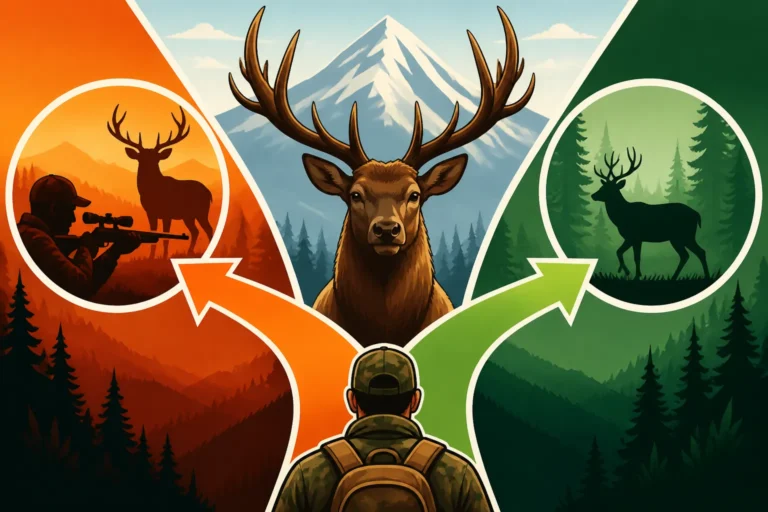
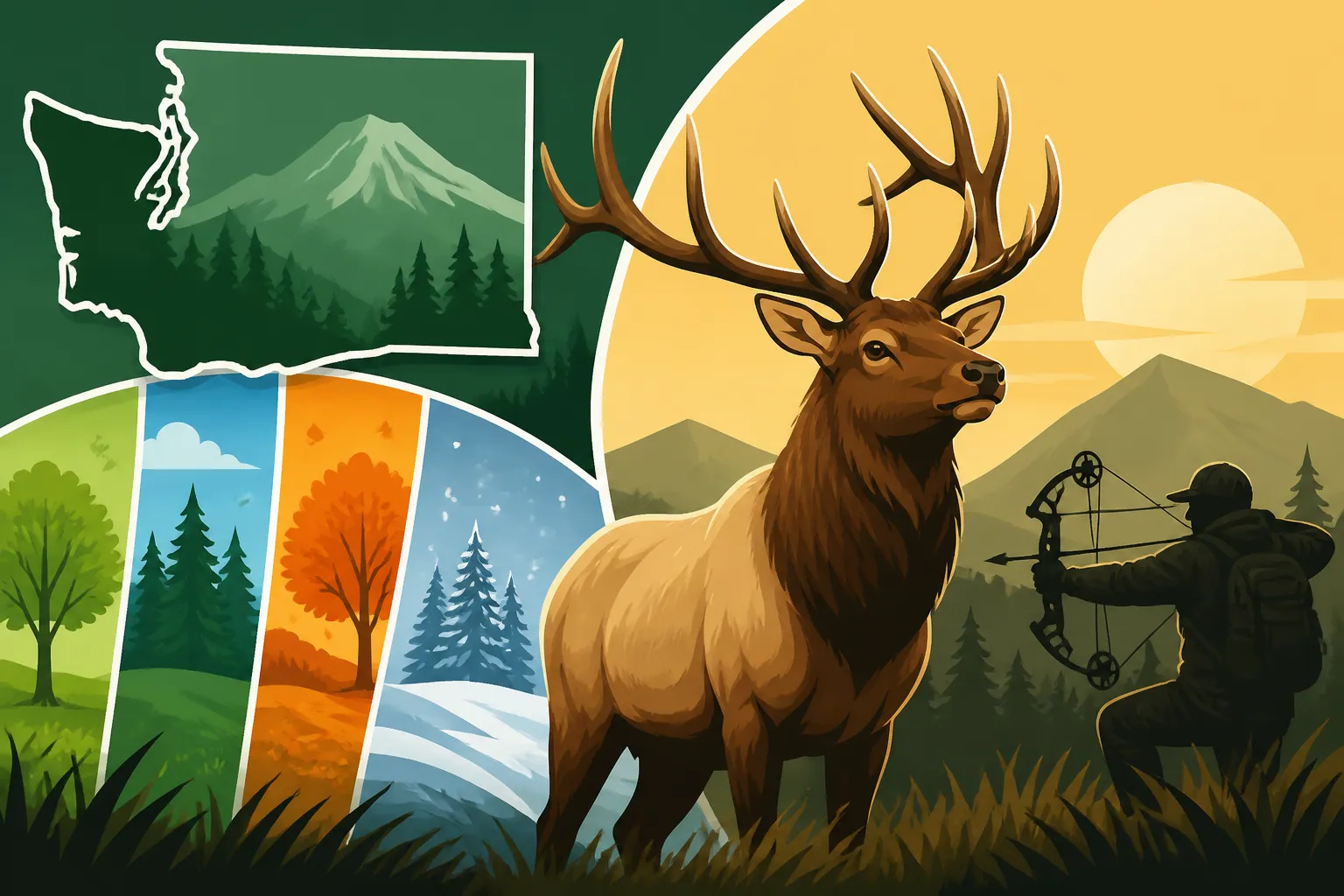
Unlike a standard general season tag, which locks you into a specific weapon type (archery, muzzleloader, or modern firearm) and set dates, the Multi-Season Elk tag allows you to participate in all three general hunting seasons for elk in Washington. Imagine starting your season with a bow in September, then picking up your muzzleloader in October, and finally heading out with your rifle in November or even later if you haven't filled your tag. This flexibility is a game-changer for many hunters. It means you can adapt to changing weather conditions, elk movements, and your own schedule much more easily. If the archery season gets rained out, or the elk are just not cooperating, you still have two more chances with different equipment. It's about maximizing your time and opportunity in the field, year after year. This kind of flexibility can dramatically improve your chances of success, purely by giving you more windows to encounter animals.
The Trade-Off: Limited Availability and High Demand
With such incredible flexibility, it's no surprise that the Multi-Season Elk tag is one of the most sought-after permits in Washington. The Washington Department of Fish and Wildlife (WDFW) offers a very limited number of these tags each year, making them incredibly difficult to draw. This isn't a tag you can simply walk into a license dealer and buy over the counter. It's allocated through a highly competitive random drawing, similar to the process for other special hunt permits. Because of its unique advantages, many hunters apply for it annually, leading to a massive pool of applicants vying for very few tags. This high demand is the primary driver behind the low draw odds we're about to explore, creating a challenging landscape for hopeful elk hunters across the state.
Breaking Down the Odds: What the Numbers Really Mean
When you look at the draw odds for the Washington Multi-Season Elk tag, it can be pretty disheartening. But understanding how those numbers are generated and what factors influence them can give you a clearer picture and help you manage your expectations.
The Random Draw System Explained
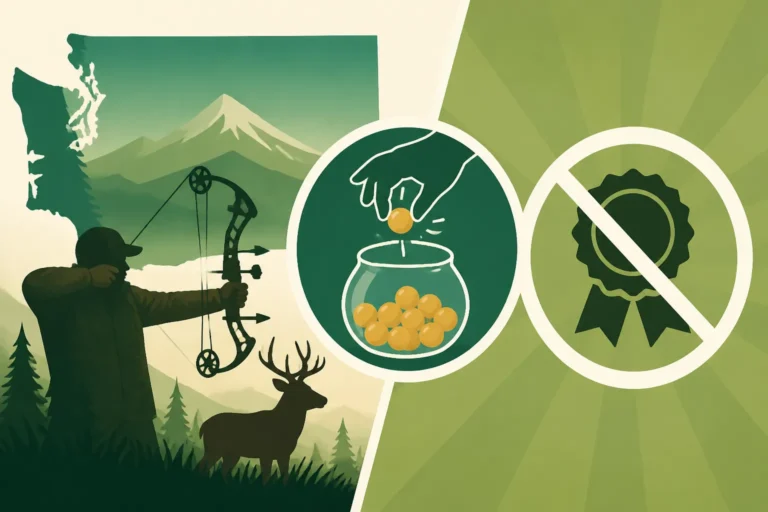
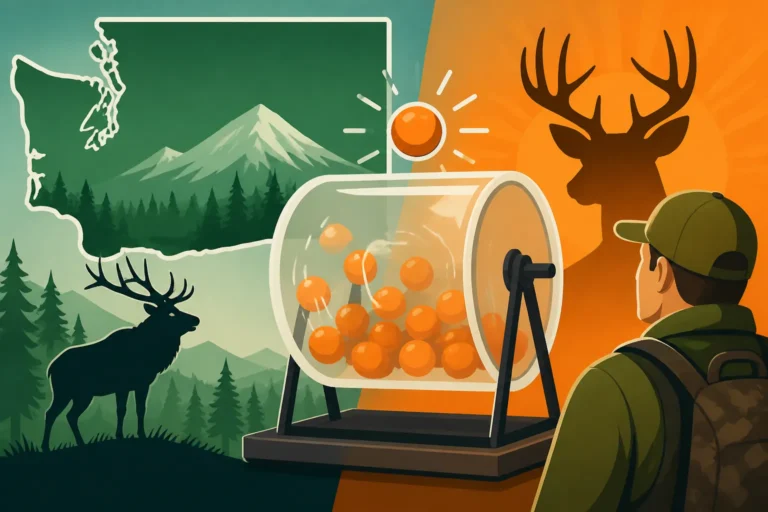
First and foremost, it's crucial to understand that Washington operates on a truly random draw system for its special permits, including the Multi-Season Elk tag. There are no preference points or bonus points that accumulate over time, unlike in many other Western states. Every applicant, whether it's their first time applying or their twentieth, has an equal chance in the draw each year. This means that while consistency in applying certainly doesn't hurt, it doesn't build any advantage either. You could draw it your first year, or you could apply for a decade and never see success. This can be both frustrating and liberating – frustrating because your loyalty isn't rewarded, but liberating because anyone genuinely has a chance, every single year. This also means that historical odds are exactly that: historical. They can give you a general idea, but they don't predict future outcomes with any certainty, as the applicant pool changes annually. You can learn more about this system by looking into Washington's Random Draw and No Preference Points.
Where to Find the Odds and Interpret Them
The official draw odds are released by WDFW, typically in their annual Big Game Hunting Seasons and Regulations pamphlet, which comes out well before the application period. Many reputable third-party hunting intelligence platforms, like GoHunt, also compile and analyze this data, often presenting it in user-friendly formats that can help you strategize. When you look at these numbers, you'll often see percentages that are shockingly low – frequently in the single digits, and sometimes even fractions of a percent, especially for popular units or any-bull opportunities.
For example, you might see "0.8% draw odds for Eastside Any-Bull Multi-Season Elk" or "2.5% for Westside Spike Multi-Season Elk." What does this really mean? It means that out of 1000 applicants, only 8 (or 25, respectively) were successful in drawing that tag. It's a stark reminder of the intense competition. These percentages fluctuate year to year based on the total number of applicants and the number of tags WDFW decides to issue, which can change slightly depending on herd health objectives. Understanding these numbers is the first step in crafting a realistic application strategy, and resources like GoHunt can make that data much more accessible.
Factors Influencing Multi-Season Elk Tag Odds
Several factors come into play when those odds are calculated, and understanding them can shed light on why certain tags are harder to draw than others.
- Total Number of Applicants: This is the biggest factor. The more people who apply for a specific Multi-Season tag, the lower the individual odds become. The allure of extended hunting opportunity drives this applicant number sky-high.
- Number of Tags Available: WDFW allocates a very limited number of Multi-Season Elk tags. These numbers are determined annually, taking into account herd populations, management goals, and harvest objectives for both Roosevelt and Rocky Mountain elk herds in Washington. A slight increase or decrease in available tags can significantly swing the odds, especially when the total number of tags is already small.
- Resident vs. Non-Resident Status: Like most states, Washington generally allocates a higher percentage of special permits to resident hunters. While non-residents can certainly apply, their odds are typically even lower than residents, reflecting this prioritization. This is an important consideration for out-of-state hunters eyeing Washington's elk opportunities.
- Eastside vs. Westside: Washington's elk populations are divided by the Cascade Mountain Range, with Roosevelt elk on the west side and Rocky Mountain elk on the east side. Often, tags are split between these regions, and draw odds can vary depending on the perceived quality or popularity of hunting in a particular region.
- Antler Restrictions (Any-Bull vs. Spike-Only): Multi-Season tags can sometimes be differentiated by antler restrictions. An "any-bull" tag will almost always have significantly lower odds than a "spike-only" tag because it offers broader harvest potential. Researching Washington Spike-Only Elk Units might reveal slightly better odds, though still challenging.
To give you a clearer picture, here's a hypothetical table illustrating how odds might vary:
| Tag Category | Region | Typical Odds Range |
|---|---|---|
| Multi-Season Any-Bull | Eastside | <1% – 3% |
| Multi-Season Spike-Only | Eastside | 2% – 7% |
| Multi-Season Any-Bull | Westside | <1% – 4% |
| Multi-Season Spike-Only | Westside | 2% – 8% |
(Note: These are illustrative ranges based on historical trends and should not be taken as exact current odds. Always consult the latest WDFW regulations and draw statistics.)
Strategies to Potentially Boost Your Chances
Given the low odds, you might feel like there's nothing you can do. While the random draw means there's no magic bullet, there are definitely smart strategies you can employ to make the most of your application and maximize your overall hunting opportunities.
Consistency is Key: Apply Every Year
This might sound obvious, but you absolutely cannot draw a Multi-Season Elk tag if you don't apply. The random draw system means that every year is a fresh slate. Many hunters get discouraged after a few unsuccessful attempts and stop applying. However, if you consistently apply during the Washington Special Hunt Application Deadline, you give yourself the only guaranteed chance you have. Think of it as investing in your hunting future; each application keeps that dream alive. While it doesn't build preference, it ensures you're in the running for that one lucky pull. The application period usually opens around When Washington Special Hunt Applications Open, so mark your calendars!
Leverage Data and Analytics for Informed Choices
While there are no "preference points" in Washington, you can still be strategic with your choices. This is where tools from companies like GoHunt truly shine. They aggregate WDFW data, provide historical draw odds, and sometimes even offer insights into units that might have slightly higher (though still low) success rates or lower application numbers in previous years.
- Analyze Past Odds: Look at the odds for various Multi-Season Elk tags over the last few years. Has one specific region or antler restriction category consistently had slightly better odds? While no guarantee for the future, it can inform your choices.
- Explore Other Elk Opportunities: Sometimes, hunters get tunnel vision for the "any-bull" tag. However, if your primary goal is to get a Multi-Season tag, consider applying for spike-only options. These often have slightly higher odds because they're less competitive. You might also want to explore Washington Draw Odds for Quality Elk for other special permits to broaden your understanding of the draw landscape.
- Consider Combination Tags: Washington offers various tags, and sometimes considering how the Multi-Season tag interacts with other options, like a multi-season deer tag, might inform your strategy. Understanding Washington Multi-Season Deer Tag Odds can give you perspective on other challenging draws.
Using these tools won't guarantee you a tag, but it allows you to make the most informed decision possible based on available data, rather than just guessing.
Maximize Your General Season Opportunities
Drawing a Multi-Season Elk tag is a long shot, so it's vital not to put all your eggs in that basket. Most years, you'll likely be hunting during the general seasons. Therefore, parallel to applying for the Multi-Season tag, you should also be planning for a successful general season hunt.
- Buy a General Season Tag: If you don't draw the Multi-Season tag, you still have the option to purchase a regular general season tag for either archery, muzzleloader, or modern firearm. Make sure you understand Washington Big Game Licence and Tag Costs and choose your weapon season carefully.
- Focus on Scouting and Preparation: Your time spent E-Scouting Washington GMUs Before the Draw or physically scouting your chosen general season unit will pay dividends regardless of the draw outcome. Understanding elk behavior for Archery Elk Hunting in Washington's September Season or general Washington Elk Hunting Tactics by Weapon Season will be more impactful on your success than stressing over draw odds.
- Embrace the Challenge: The true spirit of hunting lies in the pursuit and the experience. Whether you're targeting a bull in the late season with a rifle or during Hunting the Same Unit Across Three Weapon Seasons if you get lucky, the dedication to understanding the animal and its habitat is what leads to success.
By focusing on these actionable steps, you're not just hoping for a lucky draw; you're actively building a more robust and flexible hunting strategy that increases your overall chances of success, even without the coveted multi-season tag.
Managing Expectations and The Broader Hunting Picture
Let's be real: drawing a Washington Multi-Season Elk tag is hard. The odds are generally low, and it's important to approach the application process with a healthy dose of realism. But that doesn't mean it's not worth pursuing, nor does it diminish the incredible hunting opportunities Washington still offers.
The Reality of Low Odds
It's easy to get caught up in the excitement and hope, but consistently applying for a Multi-Season Elk tag in Washington often means facing repeated disappointment. Many hunters go years, even a decade or more, without drawing one. This is simply the nature of a random draw system for a highly sought-after permit. It's a tough pill to swallow, especially when you're dedicating your time and money to the application each year. Acknowledge this reality, prepare for it, and don't let it sour your entire hunting season if it doesn't pan out. The goal isn't just to draw a tag; it's to enjoy the process, the anticipation, and the time spent outdoors.
Focusing on What You Can Control
Since the draw is a lottery, you can't control the outcome. But you can control almost everything else that contributes to a successful hunt, regardless of whether you have a Multi-Season tag or a general season tag.
- Physical Conditioning: Washington's elk country, whether the steep slopes of the Westside or the vast expanses of the Eastside, is demanding. Being in top physical shape will allow you to cover more ground, pack out an animal more efficiently, and simply enjoy your hunt more.
- Gear Preparation: Ensure your gear is solid, from your boots to your optics to your weapon. Knowing your Rifle Setup for Washington Elk and Deer, practicing your Archery Practice for Wet Coastal Conditions, or mastering your Muzzleloader Loading and Ignition in Rain will make a real difference when the opportunity arises.
- Developing Hunting Skills: Hone your skills in scouting, tracking, calling, and shot placement. Understanding Elk Behavior in Deep Snow in the late season or how to Bugling and Cow Calling in Washington's Archery Elk Season can turn a mediocre hunt into a memorable one. These skills are invaluable for any tag you hold.
- Mindset and Resilience: Hunting is full of challenges and setbacks. Cultivating a resilient mindset will serve you far better than dwelling on low draw odds. Focus on the adventure, the learning, and the simple joy of being in Washington's incredible wild spaces.
The Value of the Application
Even if the odds are slim, there's genuine value in applying for the Multi-Season Elk tag. Each application contributes to wildlife conservation efforts in Washington, helping WDFW manage game populations and habitats across the state. Furthermore, the dream itself fuels passion. It gives you something exciting to look forward to, something to plan for, and a constant reminder of the incredible opportunities that exist.
So, go ahead and apply for that Multi-Season Elk tag. Understand the odds, make informed choices, and cross your fingers. But most importantly, dedicate yourself to becoming a better hunter in every other aspect. That way, whether you draw the golden ticket or a general season tag, you'll be ready to make the most of your time in Washington's elk country.
Disclaimer
The information provided in this article is for general guidance and informational purposes only. Hunting regulations, season dates, and draw odds in Washington are subject to change by the Washington Department of Fish and Wildlife (WDFW). Always consult the most current official WDFW hunting regulations pamphlet and relevant WDFW websites before planning any hunting activity or submitting applications.