Washington Second Deer Tag Availability
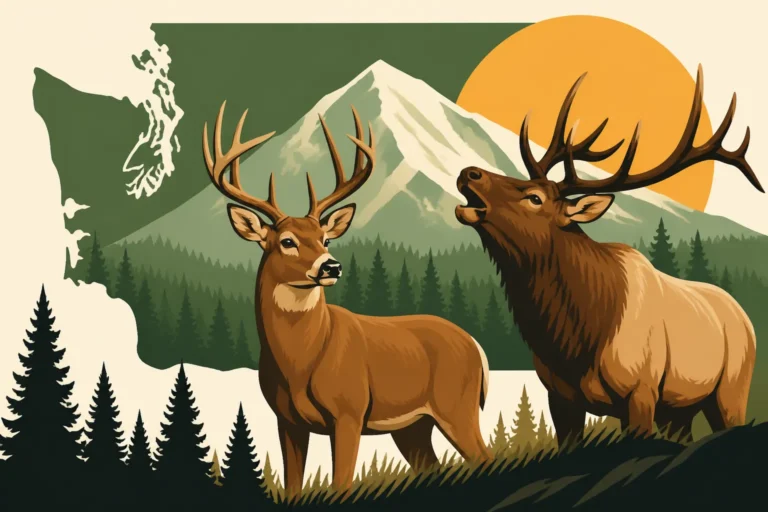
If you're anything like me, you probably find yourself staring at the calendar after your first deer hunt, already wishing for more time in the field. Washington’s general deer seasons, while fantastic, can feel incredibly short, leaving many of us longing for another crack at a buck or a doe. The good news is, for those of us who just can't get enough, Washington offers opportunities for a second deer tag, extending our season and giving us another chance to fill the freezer or chase a trophy. This guide will walk you through everything you need to know about getting and using one of these coveted tags.
Understanding Washington's Second Deer Tag System
Hunting in Washington is a fantastic experience, but navigating the regulations can sometimes feel like trying to track a mature buck through a blowdown. Many hunters assume once their general season tag is punched, or even if they didn't harvest anything, their deer season is over. But that's not always the case! The Washington Department of Fish and Wildlife (WDFW) strategically uses second deer tags as a management tool to balance herd populations and provide additional recreation for hunters.
What Exactly is a Second Deer Tag?
Simply put, a second deer tag is an additional license that allows a hunter, who has already purchased their initial deer tag (often part of a big game combo license), to harvest another deer within specific regulations. It’s not just a free-for-all; these tags are tied to particular Game Management Units (GMUs), weapon types, and often late-season dates, or sometimes even specific antlerless hunts. Think of it as a bonus round, but with its own set of rules you absolutely need to understand. For instance, while your initial general season tag might cover a broad range of GMUs and dates, a second tag often narrows that focus considerably, guiding hunter effort to areas where it's needed most for population management, or simply to offer more hunting opportunity in specific, often less-pressured, times or locations.
Eligibility and Restrictions
So, who qualifies for a second deer tag, and what are the strings attached? Generally, any hunter who holds a valid Washington hunting license and has purchased their initial deer tag is eligible. This usually means you’ve already invested in your annual Washington Big Game Licence and Tag Costs. The primary restriction is that these second tags are almost always for general season hunts, not special permit hunts. This is a crucial distinction. If you drew a coveted special permit for a quality unit, that’s your first deer, and typically, you won't be able to layer a second general season tag on top of it.
The availability of these tags is often unit-specific and heavily influenced by herd management goals. For example, WDFW might issue second tags for antlerless deer in areas with high agricultural damage or overpopulation concerns. In other GMUs, you might find late-season buck opportunities, often with specific antler restrictions like a three-point minimum. Always double-check the current year's hunting pamphlet for the most up-to-date and specific rules for each GMU and hunt code. Without doing your homework, you could easily end up accidentally violating regulations, and no one wants that.
The Rationale Behind Second Tags
Why does WDFW bother with second deer tags in the first place? It's all about effective wildlife management and hunter opportunity. On the management side, these tags help achieve specific harvest objectives. If a particular deer population is above carrying capacity or causing significant landowner conflicts, offering additional antlerless tags can help bring numbers down in a controlled manner. It’s a tool to balance deer populations with habitat availability and human tolerance.
From a hunter's perspective, it's a huge bonus. It extends the hunting season, provides more opportunities to put venison in the freezer, and allows hunters to explore different GMUs or experience hunting in conditions they might have missed during the main season. Imagine getting another chance at a blacktail in the wet coastal timber or chasing a late-season whitetail when the snow starts to fall. It adds a whole new dimension to the hunting year and allows us to further hone our skills.
Navigating Availability: When and Where to Find Second Tags
Finding these second deer tag opportunities requires a bit of research, but the rewards can be well worth the effort. They aren't always widely advertised, and they definitely won't be available in every GMU. It’s about knowing where to look and understanding the nuances between regions.
General Season Versus Late Season Opportunities
The vast majority of second deer tag opportunities in Washington pop up either during the tail end of the general seasons or, more commonly, in dedicated late-season hunts. For instance, while the main modern firearm general season for deer might wrap up in late October, you might find specific GMUs offering additional late-season hunts extending into November or even December. These late hunts often target specific deer types or antlerless animals.
Consider the Washington Deer Season Opening Day and its immediate aftermath. Many hunters focus their efforts then. However, later in the year, particularly after the rut for blacktails in Western Washington or as cold weather pushes mule deer down in the East, new opportunities can open up. These often include late-season antlerless hunts, or sometimes even late buck hunts in specific areas where harvest objectives haven't been met or where a robust population exists. This is especially true for whitetails in the northeastern part of the state.
Eastside vs. Westside Differences
Washington's landscape is incredibly diverse, and so are its deer populations. This means that second deer tag availability will differ significantly between the Eastside and Westside of the Cascades.
- Eastside (Mule Deer & Whitetail): Eastern Washington, with its expansive sagebrush, timbered breaks, and agricultural lands, primarily hosts mule deer and a healthy population of white-tailed deer, especially in the northeast. Second tags here often focus on antlerless whitetail opportunities, particularly in areas like the Spokane or Pend Oreille counties where whitetail numbers are strong and can impact farming. Sometimes, late-season buck tags for either species might pop up if harvest quotas weren't met or if specific management needs arise. Given the open country, hunting conditions can be tough with late-season snow, but also incredibly rewarding. If you're looking for more white-tailed deer hunting, keep an eye on these opportunities in regions with higher Whitetail Numbers in Northeast Washington.
- Westside (Blacktail Deer): Western Washington is home to the elusive Columbian blacktail deer, thriving in the dense timber, clearcuts, and rain-soaked forests. Second tags on the Westside are less common for general buck hunts but do appear for antlerless deer, particularly in GMUs with increasing populations or where landowners are experiencing damage. These hunts often occur later in the fall or even into early winter, providing a unique challenge as the weather turns colder and wetter. Understanding Blacktail Rut Timing in Western Washington can help you time your second tag application to potential late-season opportunities, though these are more often antlerless.
Resources for Identifying Opportunities
Don't just stumble upon these opportunities; actively seek them out! The best starting point is always the official WDFW Big Game Hunting Seasons & Rules pamphlet. This document, released annually, details all available hunts, including second tags. Pay close attention to the "Deer" section and look for specific hunt codes or GMU descriptions that allow for a second deer.
Beyond the pamphlet, several digital tools can make your life much easier:
- WDFW Website and Online Hunt Planner: The WDFW website has an excellent online hunt planner that allows you to filter hunts by species, weapon, and GMU. Use this to search for late-season or antlerless opportunities.
- GoHunt: This is where platforms like GoHunt really shine. GoHunt is a popular subscription service that provides incredibly detailed draw odds, unit analyses, and application strategies across multiple states. For Washington, GoHunt compiles and visualizes WDFW data, making it much easier to identify specific GMUs and hunt codes that offer second deer tag availability. Their tools can save you hours of sifting through dense regulations, helping you quickly spot late-season general tags that might have gone unnoticed. You can use their filters to search for extended seasons or available tags that align with your weapon choice.
- Online Forums and Social Media: Hunting communities online can be a good source of information, though always cross-reference anything you hear with official WDFW sources. Hunters often share insights on areas where they’ve found success or heard about additional tag availability.
Remember, the key is vigilance. These opportunities can change year to year, so staying updated with the latest regulations is crucial.
The Application and Purchase Process
Securing a second deer tag isn't quite the same as drawing a special permit, but there are still specific steps and timelines you need to follow. It’s less about luck and more about being prepared and acting quickly.
Key Dates and Deadlines
Unlike special permit draws that have a rigid application window in spring, second deer tags usually become available for purchase later in the summer or early fall, often right before or during the general seasons. There isn't a "draw" for them; they are typically available over-the-counter or online until quotas are met or the season closes.
The crucial thing to remember is that while some second tags might be available for purchase at the same time as your primary license in July, many only become available much closer to the hunt dates. You need to check the WDFW regulations pamphlet for the specific purchase start dates. Sometimes, these tags for late hunts don't become purchasable until after the early general seasons are already underway. If you procrastinate, you might find that the specific GMU or hunt type you were eyeing has sold out, especially in popular areas, or for desirable antlerless hunts.
Online vs. In-Person Purchase
Washington makes purchasing hunting licenses and tags fairly convenient through its WILD system.
- Online via the WILD System: This is arguably the easiest and most common method. Log into your WDFW WILD account, navigate to the license purchase section, and look for available second deer tags. You can print your tag at home or have it mailed to you. This is especially handy if you’re already out scouting or don't live near a license vendor.
- In-Person at License Vendors: You can also purchase second deer tags at any authorized WDFW license vendor across the state. These include sporting goods stores, some grocery stores, and other retail outlets. This can be a good option if you have questions or prefer to handle your license in person. Just make sure the vendor understands you are purchasing a second deer tag, and clarify which GMU and hunt type you are targeting.
Always verify the tag details before completing the purchase. Make sure the GMU, weapon type, and season dates match the hunt you intend to pursue.
Cost Implications
Adding a second deer tag to your hunting arsenal does come with an additional cost, though it's typically much less than a full, separate big game license package. The price for a second tag is usually a fixed fee, distinct from your initial general season deer tag which is bundled into your big game combo license. For example, a resident second deer tag might cost around $25-$30, while a non-resident might pay more. These costs can add up, so factor them into your overall hunting budget. It's also worth noting that these fees contribute directly to wildlife management and conservation efforts in Washington. It's not just about an extra hunting opportunity; it's also about supporting the wildlife you love to pursue.
Maximizing Your Chances with a Second Deer Tag
Having a second deer tag in your pocket is one thing; successfully filling it is another. Just like any hunt, it requires strategy, preparation, and a good understanding of the deer and the terrain.
Strategic GMU Selection
This is where your research truly pays off. Don't just pick any GMU that offers a second tag. Look for units that historically have higher deer populations, especially for the species you're targeting. For blacktails, this might mean focusing on GMUs with a good mix of dense timber, recent clearcuts, and consistent rainfall. For mule deer, think about units with ample winter range or agricultural interfaces. And for whitetails, heavily timbered river bottoms and agricultural areas in northeastern Washington are prime.
Tools like GoHunt, WDFW's harvest reports, and even older Washington GMU Boundaries maps can provide insights into deer densities and success rates in different units. Pay attention to GMUs that allow for antlerless harvests, as these tags tend to have higher success rates due to less selective hunting. If you're chasing a late-season buck, look for units with specific antler restrictions like a Washington's Three-Point Rule and What Counts, as these often indicate a healthier buck-to-doe ratio or a management strategy aimed at growing older bucks.
Scouting and Preparation for a Second Hunt
Even if you’ve hunted the unit during the general season, a late-season second hunt often presents entirely different conditions. Deer patterns shift dramatically with colder weather, dwindling food sources, and increased hunting pressure.
- E-Scouting is Your Best Friend: Utilize satellite imagery and mapping apps like onX or even WDFW's online layers to identify potential bedding areas, travel corridors, and remaining food sources. Look for south-facing slopes that might hold snow less, offering more forage, or dense thermal cover where deer might seek refuge from the elements. E-Scouting a Washington GMU From Home can save you countless hours of boots-on-the-ground scouting.
- Weather Conditions: Late-season hunts often mean colder temperatures, rain, and potentially snow. This impacts deer movement, your gear, and access. Deer will typically move less in severe weather but might hit food sources hard immediately before or after a storm. Layer your clothing appropriately, and ensure your gear, especially your boots and rainwear, is up to the task.
- Adapt Your Tactics: If you're chasing blacktails in late November, the rut might be winding down, and deer will be more focused on feeding. Still-hunting slowly through dark timber or spotting and stalking in fresh snow can be incredibly effective. For mule deer and whitetails on the Eastside, glassing open country at first and last light, or tracking in fresh snow, are often productive strategies.
Ethical Considerations and Bag Limits
With the privilege of a second deer tag comes the responsibility of ethical hunting. Always know your target and be absolutely certain of what you're shooting at. Misidentifying an antlerless deer for a spike, or vice-versa, can lead to serious legal consequences.
Ensure you understand the specific bag limits and regulations for your second tag. It's one deer per tag, and you cannot exceed the total number of deer allowed per hunter in a given year, which is usually two (your general season tag plus one second tag). Once you harvest your deer, the same rules for field dressing, transport, and crucially, Washington Harvest Reporting Requirements apply. Timely and accurate harvest reporting is vital for WDFW to manage deer populations effectively and ensure future hunting opportunities. If you plan to pursue a second deer, it's always a good idea to confirm your current season's total bag limit and whether the specific second tag contributes to that limit.
No matter which GMU you choose, securing a second deer tag is a fantastic way to extend your time in the beautiful Washington wilderness. It's a testament to good wildlife management and a boon for dedicated hunters looking for more adventure. Good luck out there!
| Second Deer Tag Type | Typical Location | Common Weapon Types | Primary Target | Key Considerations |
|---|---|---|---|---|
| Late Season Antlerless | Eastern & Western WA | Archery, Muzzleloader, Modern Firearm | Does | Often in agricultural interface, higher success rates. |
| Late Season Buck (3-pt+) | Eastern WA (limited) | Modern Firearm | Mature Buck | Specific GMUs, often lower odds, but rewarding. |
| Extended General Season | Western WA (limited) | Archery, Muzzleloader | Any legal deer | May overlap with general season, often for blacktails. |
| Post-Rut Whitetail | Northeast WA | Modern Firearm, Muzzleloader | Bucks or Does | Focus on specific units, often with snow. |
Disclaimer
Please remember that hunting regulations, season dates, and tag availability can change annually. Always consult the official Washington Department of Fish and Wildlife (WDFW) hunting regulations pamphlet and website for the most current and accurate information before planning any hunt or purchasing any tags. This content is for informational purposes only and does not constitute legal advice.