Washington Upland Bird Licence
Navigating the ins and outs of Washington's hunting regulations can feel like trying to untangle a fishing net after a particularly wild day on the water. It’s easy to get confused by the different licenses, tags, and endorsements required for various game species. This guide will clarify everything you need to know about the Washington Upland Bird Licence, ensuring you’re properly equipped and legal for your next hunt.
What is the Washington Upland Bird Licence and Why Do You Need It?
Washington State offers a rich diversity of hunting opportunities, from towering elk in the Cascades to wily whitetails in the northeast. However, the system for obtaining the legal documentation to pursue these animals can often baffle even seasoned hunters. Before you can even think about chasing chukar up a steep canyon or flushing pheasants from a stubble field, you need to understand the foundational licenses and then add the specific endorsements.
Understanding the Basics of Washington Hunting Licenses
Many new hunters, and even some who have been at it for years but primarily focus on big game, often assume that a general hunting license covers everything. Unfortunately, that's rarely the case. Washington, like many states, has a tiered licensing structure. First, you need a basic hunting license, which is your entry ticket into the world of hunting. This general license confirms you've met the state's hunter education requirements and allows you to purchase specific tags and endorsements. Think of it as your driver's license; it lets you operate a vehicle, but you still need a special endorsement for a motorcycle or a commercial truck.
The Washington Department of Fish and Wildlife (WDFW) categorizes game species into several groups: big game (elk, deer, bear, cougar), small game (rabbits, hares, coyotes), migratory birds (ducks, geese, doves), and upland birds (pheasant, quail, chukar, grouse). Each of these categories often requires its own specific tag, permit, or endorsement layered on top of your basic hunting license. This system is designed to help WDFW manage harvest numbers for specific populations and fund conservation efforts directly related to those species. It can be a bit of a maze, but understanding these distinctions is crucial to avoiding an unintentional violation.
Without the correct, specific endorsements, even if you hold a valid general hunting license and a big game tag, you are not legally permitted to hunt upland birds. This is a common pitfall for hunters who might be out chasing a late-season deer and happen upon a covey of quail; the temptation might be there, but the law is clear. It’s always better to be fully prepared and legal than to risk a citation.
Specifics of the Upland Bird Licence
So, what exactly does that "Upland Bird Endorsement" get you? Simply put, it's the official permission slip to pursue and harvest specific non-migratory bird species found in various habitats across Washington state. This endorsement is mandatory for anyone planning to hunt these feathered game animals, regardless of whether you’re a resident or non-resident, or if you already hold other hunting licenses.
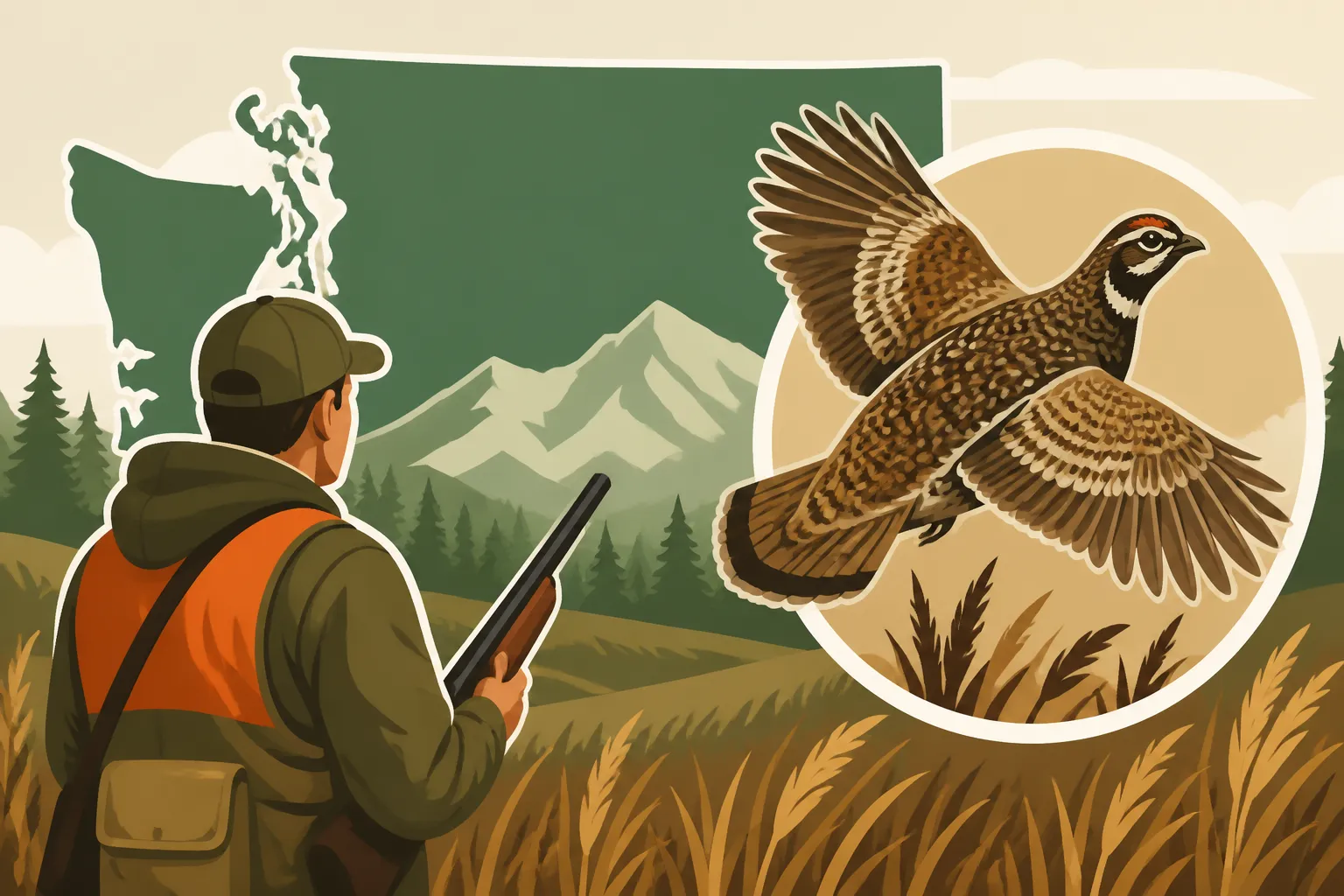
The Washington Upland Bird Licence specifically covers a range of popular game birds: pheasants, California quail, Mountain quail, Bobwhite quail, chukar, and all species of grouse found in Washington, including Ruffed, Blue (Dusky/Sooty), Spruce, Sharp-tailed, and Sage grouse. Each of these birds offers a unique hunting experience, from the explosive flush of a pheasant to the relentless climb for chukar in rocky canyons. Knowing which birds fall under this endorsement is key to planning your hunt. For a broader overview of the species you can pursue, you might want to look into the information provided in "Washington Upland Birds and Waterfowl".
It’s imperative to understand that this endorsement is not optional. If you head afield targeting upland birds without it, you're breaking the law. This isn't just a technicality; it's a fundamental requirement for ethical and legal hunting in Washington. The funds generated from these endorsements directly support WDFW's upland bird programs, including habitat enhancement, pheasant stocking, and population surveys, all of which contribute to better hunting opportunities for everyone. So, while it might feel like another hurdle, it's an essential part of maintaining healthy game bird populations.
How to Purchase Your Washington Upland Bird Licence
Getting your hands on a Washington Upland Bird Licence isn't overly complicated, but like many things with WDFW, knowing the specific steps and requirements beforehand can save you a lot of headache and frustration. Nobody wants to arrive at their hunting spot only to realize they're missing a crucial piece of paperwork.
Step-by-Step Purchase Process
The most common way to purchase your upland bird endorsement is through the WDFW's online licensing system, often referred to as the WILD system. This portal allows you to manage all your licenses, tags, and permits from the comfort of your home. You simply log in to your account, select the general hunting license you need (if you don't already have one), and then add the "Upland Bird Endorsement" to your cart. The process is fairly intuitive, guiding you through each step.
Alternatively, if you prefer a more traditional approach, you can visit one of the many authorized license vendors located throughout the state. These vendors include sporting goods stores, some grocery stores, and various outdoor retailers. They have direct access to the WILD system and can process your purchase on the spot. Just make sure to bring your identification and proof of hunter education. Speaking of which, before you can purchase any hunting license in Washington, you must complete a certified hunter education course, unless you meet specific exemption criteria. For detailed information on this requirement, check out "Washington Hunter Education and Licensing".
Once you've navigated the online system or dealt with the vendor, you'll receive a receipt and usually a physical card or paper printout of your license and endorsement. Always keep this with you when you're hunting. Law enforcement officers may request to see it, and having it readily available prevents any delays or issues while you're afield.
Cost and Validity
The cost of the Washington Upland Bird Licence is generally quite reasonable, especially when compared to big game tags. For residents, it's typically an add-on to the small game license or an annual combination package. Non-residents will find the cost slightly higher, which is standard practice across most states. These fees contribute directly to the management of upland bird species and their habitats, so your dollars are going towards preserving the very resource you're enjoying.
It's important to be aware that WDFW occasionally adjusts fees, so what you paid last year might not be the exact price this year. For instance, there was a significant discussion around "Washington's 2025 Fee Increase and What Changed", which impacted various licenses and permits. Always consult the most current WDFW hunting pamphlet or their official website for the exact figures before planning your purchase. Websites like GoHunt also often provide up-to-date licensing information and can be a valuable resource for cross-referencing details.
Your upland bird endorsement is typically valid for the entire state hunting license year, which runs from April 1st through March 31st of the following year. This aligns with most other general hunting licenses and small game permits, making it easy to remember. However, always double-check the exact validity dates printed on your license. Unlike some big game tags that are specific to a single season or GMU, the upland bird endorsement generally covers all open upland bird seasons statewide, allowing you flexibility to chase different species as their seasons open and close.
Common Questions and Important Considerations for Upland Hunters
Once you've got your Washington Upland Bird Licence in hand, you're well on your way to enjoying some fantastic hunting opportunities. However, there are still a few key details to keep in mind to ensure a legal and successful hunt. The devil, as they say, is in the details, and with hunting regulations, that couldn't be truer.
What Species Are Covered (and What Aren't)?
Let's re-emphasize the species explicitly covered by the Washington Upland Bird Licence to avoid any confusion. This endorsement is your ticket to pursuing pheasants, the various species of quail (California, Mountain, Bobwhite), chukar, and all types of grouse found within the state (Ruffed, Blue/Dusky/Sooty, Spruce, Sharp-tailed, and Sage grouse). These birds offer diverse hunting experiences across Washington's varied landscapes, from the dense cover of western Washington for grouse and pheasant, to the arid, rocky slopes of eastern Washington for chukar and quail.
Crucially, it's just as important to know what this endorsement doesn't cover. Turkeys, for example, are not considered upland birds under this license; they require a separate turkey tag. If you're planning to hunt spring or fall turkeys, you'll need to purchase that specific tag in addition to your general hunting license. You can find more information on this in "Washington Turkey Seasons and Tags". Similarly, migratory birds such as ducks, geese, and doves require a separate migratory bird permit and often federal stamps. Details for these can be found under "Washington Migratory Bird Permit". Always verify the specific requirements for each species you plan to hunt.
While the upland bird endorsement covers most common species, it's worth noting that certain rarer species, like Sharp-tailed Grouse and Sage Grouse, often have extremely limited seasons or may require special draw permits in specific Game Management Units (GMUs) due to conservation efforts. These are usually outlined in the annual WDFW hunting pamphlet. Always check the pamphlet for any unique regulations, bag limits, or harvest reporting requirements specific to these less common species, as they can change year to year based on population health.
Pairing Your Upland Licence with Habitat Access
Having the correct license is only half the battle; the other half is knowing where you can legally hunt. The Washington Upland Bird Licence grants you the right to hunt, but it doesn't automatically grant you access to all lands. You'll need to understand land ownership and access rules before you head out.
Washington offers a wealth of public land opportunities for upland bird hunting. WDFW Wildlife Areas are prime locations, specifically managed for wildlife and often providing excellent access for hunters. National Forests and Department of Natural Resources (DNR) lands also offer extensive acreage, though access can vary, and some areas may have specific rules or closures. For detailed information on hunting on state-managed lands, refer to "Washington DNR Land Open to Hunting". These public lands are a fantastic resource for hunters, but they often require diligent scouting to find prime bird habitat.
Private land presents another option, but always remember that hunting on private property requires explicit permission from the landowner. Washington has several programs designed to facilitate private land access, such as "Washington Feel Free to Hunt Properties" or lands that require written permission. Always look for signage or consult WDFW resources to identify these properties and understand their specific access rules. Many hunters also use mapping applications like GoHunt to clearly identify land ownership boundaries, which is an invaluable tool for ensuring you stay on legal ground and respect private property. A little research with these tools can prevent a lot of headaches in the field.
Preparing for Your Washington Upland Hunt
Beyond securing your licence and understanding where to hunt, effective preparation is crucial for a successful and enjoyable upland bird hunt in Washington. From your choice of gear to your approach to safety, these considerations will significantly impact your experience.
Essential Gear and Planning
Your shotgun is, naturally, a primary piece of gear. Most upland bird hunters opt for a 12-gauge or 20-gauge shotgun, with a preference for lighter loads and open chokes like Improved Cylinder or Modified to handle fast-flushing birds at closer ranges. Carry enough ammunition, but don't overpack; a common mistake is bringing too much, adding unnecessary weight. If you're hunting with a bird dog, ensure they are well-trained, conditioned for the terrain, and equipped with a bell or GPS collar for safety.
Footwear is paramount, especially when you consider the varied and often rugged terrain where upland birds thrive. Chasing chukar can be a true test of endurance, demanding sturdy, ankle-supporting boots that can handle steep, rocky slopes. If you're venturing into prime chukar country, you'll appreciate insights from resources like "Chukar Country Fitness and Footwear". For pheasants in wetter lowlands or grouse in timber, waterproof boots are often more critical. Layered clothing is also key, as Washington weather can be unpredictable. A good game vest with ample pockets for shells, water, and harvested birds will be your best friend.
Finally, detailed planning is non-negotiable. Always check the specific regulations for the GMU you plan to hunt, including season dates, bag limits, shooting hours, and any special restrictions. The annual WDFW hunting pamphlet is your authoritative source, but online tools like GoHunt can also provide quick access to season dates and regulation summaries. Knowing "Washington Small Game Season Dates" will ensure you're hunting legally within the open periods. Remember, scouting before the season, even with satellite imagery and topo maps, can significantly increase your odds of locating productive habitat.
Safety and Ethics in Upland Hunting
Hunting, especially in varied terrain and often with fast-moving targets, demands unwavering attention to safety. A refresher on hunter safety rules before each season is always a good idea. Always treat every firearm as if it's loaded, keep the muzzle pointed in a safe direction, keep your finger off the trigger until you're ready to shoot, and be absolutely certain of your target and what lies beyond it. When hunting with others, maintain safe spacing and communicate clearly to avoid swinging on birds in unsafe directions.
Ethical considerations extend beyond simply following the law. It means respecting the land, wildlife, and other outdoor users. Always ask for permission on private property and adhere strictly to any conditions set by the landowner. Practice "Leave No Trace" principles, packing out everything you pack in, including spent shotgun shells. Make clean, ethical shots to ensure a quick harvest, and be prepared to track and retrieve any bird you shoot. This might involve navigating thick cover or steep slopes, so being physically prepared is important.
Lastly, contribute to wildlife management by diligently completing your harvest reports. "Washington Harvest Reporting Requirements" are in place for a reason: the data collected helps WDFW assess population health, adjust seasons, and manage resources effectively. Whether you fill your limit or come home empty-handed, reporting your hunt provides valuable information that ultimately benefits future hunting opportunities for everyone. It's a small but significant way to give back to the resource that provides so much enjoyment.
Upland Bird Species and Season Types in Washington
| Species | Primary Habitat | Typical Season Type | Common Hunting Method | Notes |
|---|---|---|---|---|
| Pheasant | Agricultural fields, riparian zones, brush | General Season | Dog work, pushing cover | Often stocked on WDFW lands |
| California Quail | Sagebrush, scrublands, riparian thickets | General Season | Dog work, still-hunting draws | Can be found in large coveys |
| Mountain Quail | High-elevation brush, timber edges | General Season | Dog work, still-hunting dense cover | Less common, often solitary or small groups |
| Bobwhite Quail | Grasslands, brushy riparian, private land | General Season | Dog work, pushing field edges | Limited range, mainly private lands |
| Chukar | Arid, rocky, steep canyons, cheatgrass slopes | General Season | Spot-and-stalk, dog work, pushing | Very physically demanding hunt |
| Ruffed Grouse | Deciduous and mixed forests | General Season | Still-hunting, dog work (flushers) | Often found near water, dense cover |
| Blue (Dusky/Sooty) Grouse | High-elevation conifer forests, mountain slopes | General Season | Still-hunting, dog work | Roost in trees, may hold tight or flush far |
| Spruce Grouse | Dense conifer forests, subalpine | General Season | Still-hunting, walking logging roads | Known for being less wary, often in remote areas |
| Sharp-tailed Grouse | Grasslands, shrub-steppe, open sagebrush | Limited/Draw Permit | Dog work, spot-and-stalk | Primarily in NE Washington, sensitive populations |
| Sage Grouse | Sagebrush steppe, eastern Washington | Limited/Draw Permit | Dog work, spot-and-stalk | Federally protected, highly restricted permits |
Disclaimer
The information provided in this guide is for general informational purposes only and is not intended as legal advice. Hunting regulations can change frequently, and it is the hunter's responsibility to consult the current Washington Department of Fish and Wildlife (WDFW) hunting regulations pamphlet and other official sources before hunting. Always verify all season dates, bag limits, and specific GMU rules.