Washington Cougar Tag Rules
Figuring out the exact rules for hunting cougars in Washington can feel like trying to solve a puzzle with half the pieces missing. Between understanding tag requirements, season dates that can close unexpectedly, and the specific regulations for how you can even pursue these elusive big cats, it's easy to get overwhelmed and worried about making a mistake. This guide is here to break down the Washington cougar tag rules, helping you navigate the system so you can hunt legally and confidently.
Understanding the Washington Cougar Tag System
Hunting cougars in Washington isn't like heading out for deer or elk with a general season tag you just pick up over the counter. There's a specific set of regulations and a season structure that can be a bit… dynamic, shall we say? It’s crucial to grasp these fundamentals before you even think about stepping into the woods, because an improperly acquired or misunderstood tag can land you in a world of trouble.
Acquiring Your Cougar Tag
First things first: you need a valid hunting license to even purchase a cougar tag in Washington. This isn't just about showing up at a local vendor or logging onto the Washington Department of Fish and Wildlife (WDFW) website. You'll need to have completed your Washington Hunter Education and Licensing requirements. Once that's squared away, you can then purchase your Big Game Combination license, which often includes a cougar tag as part of the package. If you're buying a la carte, or as an add-on, you'll specifically look for the cougar tag option.
The cost of a cougar tag, much like other Washington Big Game Licence and Tag Costs, can vary for residents and non-residents, and it's always a good idea to check the current WDFW regulations pamphlet or their website for the most up-to-date fee schedule. These tags are generally available over the counter, meaning you don't have to go through a special draw like you would for moose or mountain goat. However, availability can sometimes be tied to the overall Big Game Combo license, so planning ahead is key. For many, the simplest way is to buy the annual combo license, which often bundles deer, elk, bear, and cougar tags all together, offering a convenient one-stop shop.
General Season and Harvest Guidelines
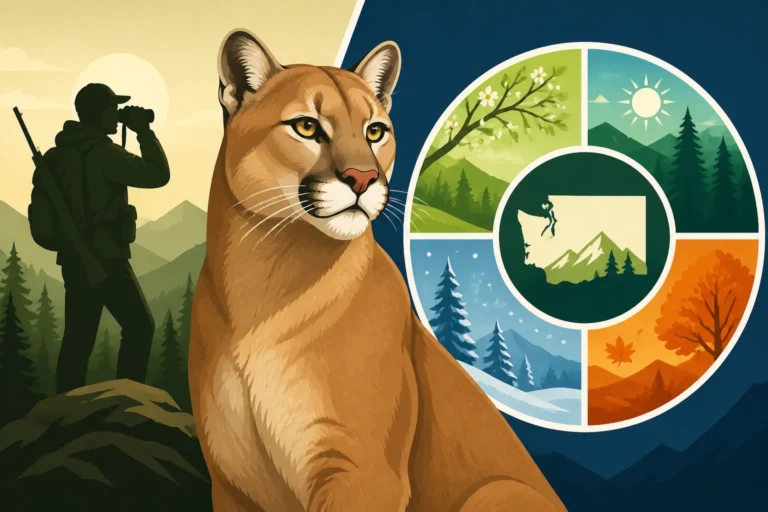
This is where things get particularly interesting for cougar hunters in Washington: the season isn't just a fixed set of dates. While there are general season dates for cougars, typically running from September 1st through December 31st (and sometimes extending into the spring in certain areas), these seasons are subject to specific "harvest guidelines" for each Game Management Unit (GMU).
What does that mean for you? It means that once a certain number of cougars have been harvested in a particular GMU, that unit’s season will close, often with very little notice. The WDFW maintains a real-time (or near real-time) cougar harvest reporting system online. As a hunter, it’s your responsibility to check this system daily, or even several times a day, if you’re actively hunting. Imagine you’re deep in the Gifford Pinchot National Forest, tracking a fresh cougar sign, and you've spent days getting ready. You finally get an opportunity, make a clean shot, and then check the WDFW site later that evening only to find your GMU closed hours ago. That’s a violation, even if unintentional. It’s a frustrating reality for many, requiring constant vigilance.
The harvest guidelines are set to manage cougar populations sustainably, aiming to keep them healthy and within acceptable limits, particularly in areas with high deer and elk populations or human-wildlife conflicts. These guidelines are dynamic, based on current population estimates, previous year's harvest data, and other biological factors. It can feel like playing a game where the rules change mid-play, but it's a critical part of Washington's cougar management strategy. You can typically find a full breakdown of these seasons and harvest guidelines in the annual hunting pamphlet or on the WDFW website, under Washington Cougar Season and Harvest Guidelines.
Key Regulations for Cougar Hunting in Washington
Beyond just having the right tag and knowing the season dates, cougar hunting in Washington comes with a unique set of regulations regarding methods of take and reporting. It’s vital to understand these nuances to ensure a legal and ethical hunt, especially given some of the historical changes to cougar hunting in the state.
Legal Methods of Take
One of the most significant changes to cougar hunting in Washington occurred years ago with the passage of Initiative 655, often referenced when discussing What I-655 Banned for Cougar Hunters. This initiative banned the use of hounds for cougar hunting, a method still legal in many other states. This means that if you're hunting cougars in Washington, you cannot use dogs to track, tree, or bay a cougar. Period. This change drastically altered cougar hunting tactics, shifting the focus almost entirely to still-hunting, calling, and incidental encounters.
So, what is allowed?
- Still-Hunting: This involves slowly moving through cougar habitat, looking for tracks, scat, or other signs. It's a game of patience and observation, much like Still-Hunting Blacktails in Wet Washington Brush.
- Calling: Predator calls, especially those mimicking a fawn in distress or a rabbit, can be very effective. This method is often employed by hunters specifically targeting cougars or by those who might happen upon fresh sign while Calling Cougars Without Dogs in Washington. Hunters will set up in an area with good visibility and call for extended periods, hoping to draw in a curious cougar.
- Spot and Stalk: In areas with open terrain or fresh snow, spotting a cougar at a distance and making a careful stalk is a possibility, though cougars are incredibly stealthy.
- Incidental Harvest: Many cougars are taken by hunters who are actually pursuing other game, like deer or elk, and happen to encounter a cougar. If you have a valid cougar tag, you can take it, provided all other regulations are met.
It's also important to note weapon restrictions. Generally, any legal big game weapon (rifle, bow, muzzleloader) that meets minimum caliber/draw weight requirements for big game in Washington is acceptable for cougars. For example, Washington's legal equipment rules by weapon state a minimum .24 caliber for rifles on big game, and similar rules apply to archery. Be sure your gear aligns with these regulations.
Harvest Reporting Requirements
After you’ve successfully harvested a cougar, your responsibility doesn't end. In fact, it enters a critical phase. Washington has strict Washington Harvest Reporting Requirements for all big game, and cougars are no exception. For cougars, the reporting requirements are even more immediate and detailed due to the harvest guidelines mentioned earlier.
Here's a breakdown of what you need to do:
- Immediate Notification: Within 24 hours of harvest, you must report your cougar kill to the WDFW. This is typically done through their online harvest reporting system or by calling a designated WDFW office during business hours. This immediate reporting is vital because it allows the WDFW to update the harvest data and potentially close GMUs that have met their quota. Failure to report within the timeframe is a serious offense.
- Tagging: Immediately after harvest, you must attach your cougar tag to the animal. This tag must remain with the carcass until it is processed.
- Skull and Hide Inspection: This is a crucial step for cougars. Within 5 days of harvest (excluding the date of kill), you must present the hide and skull, with evidence of sex clearly visible, to a WDFW representative for inspection. This typically involves making an appointment with a local WDFW biologist or enforcement officer. They will collect biological data, verify the sex, and seal the hide. This sealing process is mandatory, and you cannot transport an unsealed cougar hide or skull out of state or retain it for processing without this official seal. This step ensures proper data collection for population management and helps deter illegal harvesting.
Failing to meet these reporting and sealing requirements can result in significant penalties, including fines, loss of hunting privileges, and even confiscation of the harvested animal. It’s not just a suggestion; it’s a strict legal obligation.
Researching and Preparing for Your Cougar Hunt
Hunting cougars successfully requires a lot of homework, patience, and often, a little bit of luck. Since you can't rely on hounds to find them, your ability to scout, understand their habitat, and react quickly to changing season closures becomes paramount.
Identifying Productive Areas
Cougars are found throughout Washington, from the dense rainforests of the Olympic Peninsula to the dry, rocky breaks of Eastern Washington. However, their density varies, and finding an area with a healthy population is your first step. These cats follow their food sources, so areas with robust deer and elk populations are often prime cougar country.
When E-Scouting Washington GMUs Before the Draw, or even for general season hunts, consider using tools like GoHunt or other mapping applications to overlay WDFW game management unit boundaries with public land designations. Look for:
- Dense Cover: Cougars are ambush predators and prefer areas with thick timber, brush, and broken terrain where they can stalk prey undetected. Areas with extensive blacktail deer habitat in Western Washington, or mule deer winter range in Eastern Washington, often harbor cougars.
- Water Sources: Like all wildlife, cougars need water. Look for drainages, streams, and springs, especially in drier regions.
- Prey Concentration: Focus your efforts where you see abundant deer and elk sign. This could be wintering areas, calving grounds, or migratory corridors.
- Recent Activity: Fresh tracks in the snow or mud, scat, and even old kill sites are clear indicators of cougar presence. Learning to identify and Reading Cougar Sign in the Snow is an invaluable skill.
Understanding Washington Game Management Units Explained is also critical. Each GMU has its own harvest guidelines, and what’s open in one unit might be closed in another just a few miles away. Using online resources from WDFW will show you which units historically see higher cougar activity and where harvests have occurred.
Essential Gear and Tactics
Given the nature of cougar hunting in Washington, your gear and tactics will differ significantly from a traditional hound hunt.
Gear Considerations:
- Optics: Good quality binoculars (10×42 or 12×50) are essential for scanning vast areas or picking apart dense cover. A spotting scope might be overkill unless you're specifically glassing wide-open cougar habitat in Eastern Washington.
- Calling Equipment: A variety of predator calls, both mouth calls and electronic calls (where legal and applicable for cougars – always check specific rules for electronic calls for predator hunting), can be highly effective. A fawn distress call is a perennial favorite.
- Good Boots and Layers: You'll be covering a lot of ground, often in challenging terrain. Comfortable, waterproof boots and appropriate layering for Washington’s unpredictable weather are a must.
- Navigation: A GPS unit or a robust GPS app on your phone (like Gaia GPS or onX Hunt) with downloaded offline maps is crucial for staying found and understanding property boundaries.
- Communication: A satellite messenger (like a Garmin inReach or Zoleo) is highly recommended, especially if you’re hunting alone in remote areas, for emergency communication.
Tactical Approaches:
- Patience is a Virtue: Cougars are incredibly elusive. You might spend days covering ground and calling without seeing one. Persistence is key.
- Wind Direction: Always hunt into the wind. Cougars have an exceptional sense of smell, and a single whiff of human scent will send them packing.
- Silent Movement: Whether still-hunting or stalking, move slowly and deliberately, paying attention to every sound and movement. The more silently you move, the less likely you are to spook your quarry.
- Check the Harvest Board Frequently: I cannot stress this enough. Have the WDFW harvest reporting page bookmarked on your phone and check it constantly when you are in the field. This constant vigilance is the only way to ensure you're hunting legally within an open unit.
By combining thorough research, diligent scouting, and adherence to Washington's specific cougar tag rules and hunting regulations, you can increase your odds of a successful and legal cougar hunt in the Evergreen State.
Understanding Penalties and Staying Legal
It's natural to feel frustrated with complex rules, especially when season closures can happen quickly. However, ignorance of the law is no excuse. Washington takes its wildlife management seriously, and violating cougar hunting regulations can lead to severe consequences.
Potential Penalties for Violations:
- Fines: Monetary penalties can range from hundreds to thousands of dollars depending on the severity of the offense.
- Loss of Hunting Privileges: You could face a temporary or permanent suspension of your hunting license, meaning no more hunting in Washington for a specified period.
- Confiscation of Equipment: Weapons, vehicles, or other gear used in the commission of a violation may be seized.
- Jail Time: For serious offenses, particularly those involving poaching or intentional disregard for regulations, jail time is a possibility.
- Civil Penalties: Beyond criminal penalties, you may also face civil penalties for the replacement value of the animal, which can be substantial for a cougar.
You can learn more about Washington Wildlife Violation Penalties to understand the full scope of potential consequences. It's always better to err on the side of caution. If you're unsure about a rule, contact WDFW directly for clarification before you act.
Reporting Violations:
Ethical hunters are often the first line of defense against poaching and illegal activities. If you witness a suspected violation, Reporting Poaching in Washington is crucial. The WDFW encourages anyone with information about wildlife crimes to report it. You can do this anonymously through the WDFW poaching hotline or online reporting system. This helps protect the resource for all legal and ethical hunters.
| Cougar Tag Rule Aspect | Key Details | Hunter Responsibility |
|---|---|---|
| License & Tag Acquisition | Valid hunting license required; cougar tag often part of Big Game Combo or available separately. No draw needed. | Ensure valid license and cougar tag are purchased before hunting. Check current WDFW fee schedules. |
| Season Structure | General season dates (e.g., Sept 1 – Dec 31), but subject to GMU-specific harvest guidelines. Seasons close when quotas are met. Extended seasons may exist in specific areas. | Daily check of WDFW harvest reporting system is mandatory for your GMU. Stop hunting immediately if your GMU closes. |
| Legal Methods of Take | Still-hunting, calling, spot-and-stalk, incidental harvest. No hounds allowed (due to I-655). Legal big game weapons (rifle .24 cal min, bow, muzzleloader) that meet Washington's Washington's Legal Equipment Rules by Weapon. | Understand and adhere strictly to legal hunting methods. Ensure all equipment meets minimum state requirements. |
| Harvest Reporting | Within 24 hours of harvest: Report kill to WDFW online or by phone. Within 5 days of harvest: Present hide and skull (evidence of sex intact) to WDFW for inspection and sealing. Tag must be affixed immediately after harvest. | Report immediately. Schedule and attend inspection within the timeframe. Failure to comply leads to serious penalties. |
| Ethical Considerations | Respect for wildlife and regulations. Ensure clean kill shots, responsible meat salvage, and prevention of waste. | Practice ethical hunting at all times. Be prepared for shot placement, Blood Trailing in Salal and Devil's Club, and proper field dressing. |
This table summarizes the core responsibilities. Navigating Washington's cougar tag rules might seem like a lot of hoops to jump through, but each regulation is in place to ensure a healthy, sustainable cougar population and responsible hunting practices. By staying informed, being diligent about reporting, and understanding the unique aspects of cougar hunting in the Evergreen State, you can have a rewarding experience chasing these incredible animals.
Disclaimer
The information provided in this guide is for general informational purposes only and does not constitute legal advice. Hunting regulations can change frequently. It is the individual hunter's sole responsibility to consult the most current Washington Department of Fish and Wildlife (WDFW) hunting regulations pamphlet and WDFW website for the official, up-to-date rules and laws before engaging in any hunting activity. Failure to do so may result in penalties.