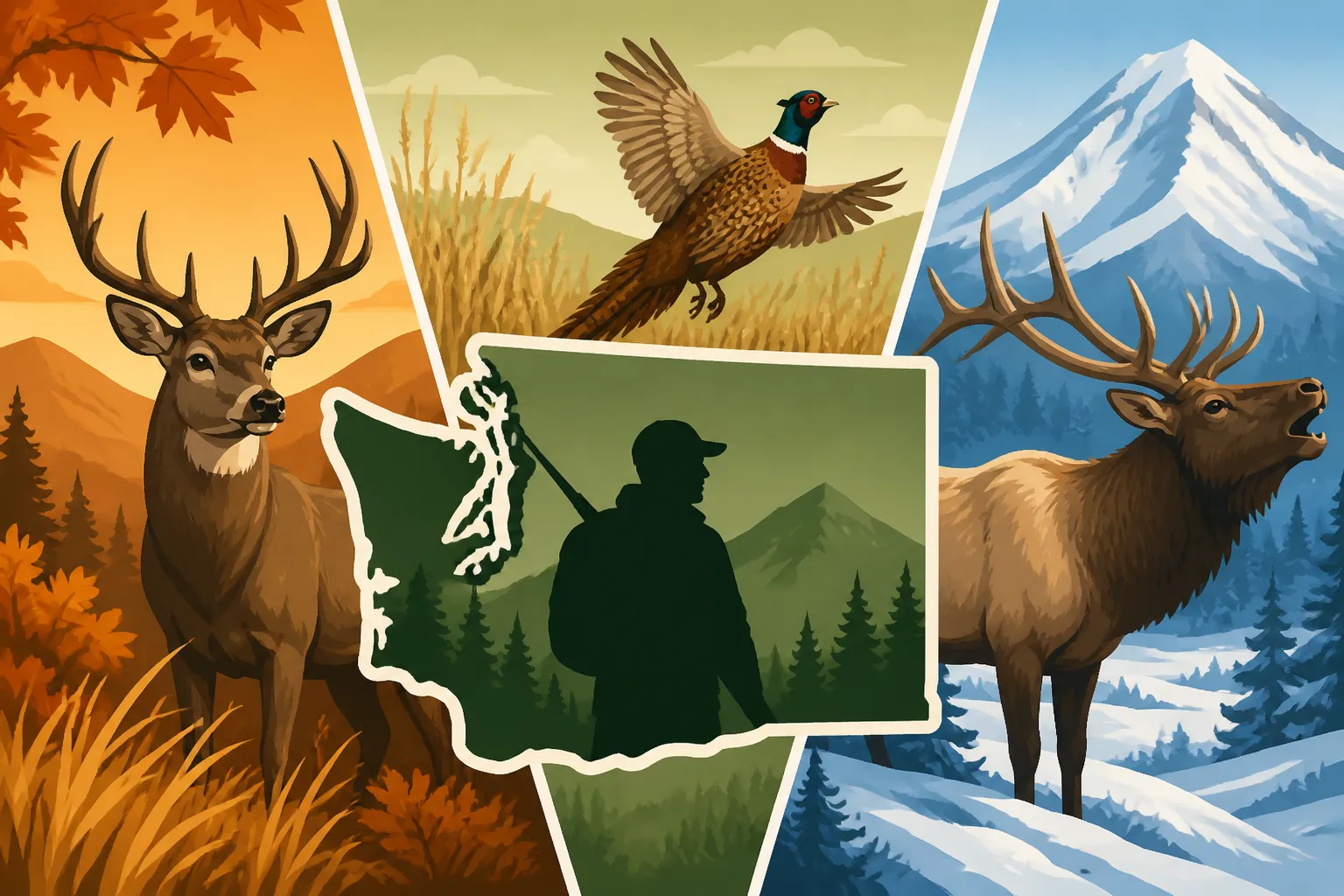
Hunting Three Seasons on One Washington Tag
The frustration of a short hunting season is real. You spend months scouting, practicing, and dreaming, only for it to be over in a blink. Many hunters feel the pressure to make every moment count, especially when a coveted tag means a limited window of opportunity. This guide is all about how you can maximize your time afield, understand the unique opportunity of hunting three seasons on one Washington tag, and strategically approach a longer, more flexible hunt.
Understanding the Washington Multi-Season Tag
Let's cut right to it: a Washington Multi-Season tag is probably one of the most intriguing, yet often misunderstood, opportunities for big game hunters in our state. It's not a tag that allows you to harvest three animals; rather, it’s a special permit that, if drawn, allows you to pursue one deer or one elk during any of the general archery, muzzleloader, or modern firearm seasons in your chosen region (East or West of the Cascades), as long as you haven't harvested your animal yet. Think of it as a pass that keeps you in the game, adapting to different conditions and weapon choices, until you fill that one tag.
This special permit is applied for during the spring application period, just like other special hunt permits. Unlike a general season tag, which is bought over the counter and tied to a specific weapon season, the multi-season tag adds a layer of flexibility. You're essentially pooling your chances across multiple weapon types, vastly extending your time in the field for that single deer or elk. It's a game-changer for those who cherish every moment spent out in Washington's wild places, allowing for a much more immersive and adaptive hunting experience. The goal here is simple: more opportunities to connect with an animal, all while operating under the umbrella of a single harvest limit.
The Strategic Advantage of Multiple Seasons
Why would anyone want to hunt three seasons on one tag? The answer is multifaceted and deeply practical for the dedicated Washington hunter. It's not just about spending more time outdoors, though that's certainly a huge perk. It's about strategic flexibility, adapting to the unpredictable nature of hunting, and ultimately, potentially increasing your chances of success.
First off, more time in the field is a massive benefit. General seasons can feel incredibly short, especially when life throws unexpected curveballs like family events, work commitments, or sudden weather changes. A multi-season tag gives you multiple bites at the apple. If your initial archery hunt is hampered by an early heatwave that pushes elk into high, inaccessible timber, you're not out of luck entirely. You get to regroup, reassess, and come back for the muzzleloader season, or even the modern firearm season, with fresh eyes and a new strategy. This extended opportunity reduces the immense pressure often felt during a fleeting general season. You can truly learn a unit across different environmental conditions, which makes you a more knowledgeable and effective hunter in the long run.
Secondly, this flexibility allows for adapting to shifting conditions and animal behavior. Think about the difference between early September archery season and late October modern firearm season. In September, elk might be vocal during the rut, responding to calls. By October or November, with colder weather and potentially the first snows, their behavior shifts dramatically. They're often quieter, focused on feeding, and beginning their migration to lower elevations. A multi-season tag means you can adjust your tactics to match these changes. You might start by focusing on Archery Elk Hunting in Washington's September Season tactics, trying to bugle a bull in. If that doesn't work, you might switch to still-hunting dark timber during muzzleloader season, or concentrate on tracking game in fresh snow during the modern firearm season, as you would when Hunting Migration Timing in November. This ability to pivot your approach based on real-time conditions is a powerful advantage that a single-weapon tag simply doesn't offer.
Finally, while it doesn't guarantee success, a multi-season tag can increase your overall odds of filling your tag. With more opportunities to be out there, observing animals, learning their patterns, and adapting to the conditions, you naturally enhance your chances. It gives you room to make mistakes, learn from them, and try again without having to wait a whole year for the next opportunity. For many, it transforms the hunt from a hurried sprint into a patient, deliberate chess match with nature, making the experience far more rewarding, regardless of the outcome.
Navigating the Draw and Rules for Multi-Season Tags
Acquiring a multi-season tag in Washington isn't as simple as picking up a general tag at a sporting goods store. It involves a draw process, and understanding the nuances of the rules is paramount to making the most of this unique opportunity.
First, let's talk about the application process. You must apply for a multi-season permit during the special hunt permit application period, typically from mid-April to late May. This is a crucial window, and missing it means missing out for the year. It's a separate application from your general big game license and tags, though you'll need those purchased or at least planned for, as well as a valid hunting license, to make use of the multi-season privilege if you draw it. There's no preference point system in Washington, so every applicant has an equal chance in the random draw. While the Washington Multi-Season Deer Tag Odds and Washington Multi-Season Elk Tag Odds can sometimes feel long, the potential reward of extended hunting time makes it worth the shot for many. Tools like GoHunt can provide valuable insights into past draw odds and help you strategize your application.
Once you draw a multi-season tag, the rules around its use are straightforward but must be adhered to strictly. The most important rule is that you can only harvest one animal – either one deer or one elk, depending on the multi-season tag you drew. As soon as you successfully harvest an animal, your multi-season tag is fulfilled, and you can no longer hunt that species using that tag for the remainder of the year, regardless of how many seasons are left. This requires immediate and accurate harvest reporting to WDFW.
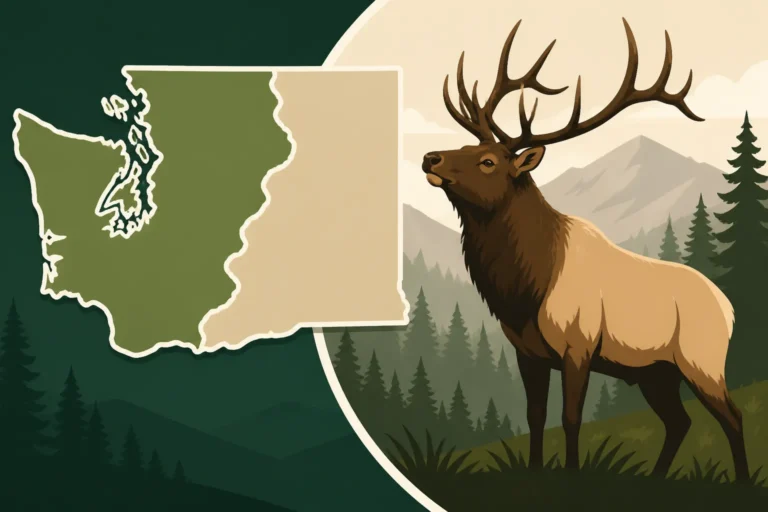
When Declaring East or West Side on a Washington Elk Tag or deer tag, your multi-season permit will correspond to the general seasons within that declared region. You must always abide by the specific weapon season rules of the specific hunt you are participating in. For instance, during the archery season, you must use legal archery equipment, adhering to broadhead width rules and arrow weight minimums. During muzzleloader season, you must use a legal muzzleloader with open sights or a 1x magnification scope, and the correct caliber. During modern firearm season, standard rifle regulations apply. There's no mixing and matching; you operate within the parameters of the season you're in. This means you need to be proficient and properly equipped for all three weapon types if you intend to pursue an animal through the entire multi-season window.
Remember, the multi-season tag allows you to hunt during the general seasons. It does not grant access to any special permit hunts or specific quality units that might have different season dates or weapon restrictions. Always consult the current Washington Hunting pamphlet for precise dates, GMU regulations, and legal equipment for each general season before heading afield. GoHunt's resources can also help you keep track of these regulations and plan your hunts effectively.
Tactics for Success Across Weapon Seasons
Hunting successfully across three distinct weapon seasons on one Washington tag requires a versatile approach and a deep understanding of animal behavior, seasonal changes, and equipment. It's not just about showing up with a different weapon; it's about adapting your entire strategy.
One of the foundational elements of success is thorough and adaptive scouting. Your pre-season preparation needs to consider how the landscape and animal patterns change from early fall to late fall. What might be a prime feeding area in September could be a barren, frozen landscape by November. Engaging in practices like Public Land Scouting in Washington Before Opening Day is critical. Don't just scout for archery season; consider what areas animals will move to as pressure increases, forage diminishes, and temperatures drop. Look for potential bedding areas that offer shelter in colder weather, and identify migration corridors that become active later in the year. Using mapping tools like onX or even WDFW's online resources can help you identify varied terrain and potential animal movements throughout the seasons.
Next, you need to be proficient with all three weapon types and prepared to switch gears. If you're starting with archery, ensure your Archery Practice for Wet Coastal Conditions is thorough, especially if you're hunting western Washington. You need to be comfortable with bowhunting in potentially damp, thick timber. If that first attempt doesn't yield a filled tag, your focus shifts. You might transition to muzzleloader hunting, which demands a different skill set, including understanding Muzzleloader Loading and Ignition in Rain and being comfortable with its more limited range. Finally, for the modern firearm season, you need a reliable Rifle Setup for Washington Elk and Deer, properly sighted in for the range and conditions you expect to encounter. The table below outlines key considerations for each season:
| Weapon Season | Typical Conditions | Animal Behavior | Primary Tactics | Key Gear Considerations |
|---|---|---|---|---|
| Archery | Early fall, mild to warm, potentially wet (west side) | Pre-rut/Rut for elk (vocal), deer feeding heavily | Calling (bugling/cow calls), spot-and-stalk, still-hunting | Quiet rain gear, scent control, rangefinder, fast-drying layers |
| Muzzleloader | Mid-fall, cooler, potential light snow/rain | Post-rut, transitioning to feeding patterns, less vocal | Still-hunting, tracking, glassing edges, targeting bedding areas | Waterproof ignition system, optics for low light, gaiters, warm layers |
| Modern Firearm | Late fall/early winter, cold, significant snow, rain | Migration, focused feeding, thermal bedding, tight groups | Glassing large areas, tracking in snow, still-hunting, road hunting | Insulated waterproof boots, heavy outer layers, dependable rifle/scope |
Finally, be ready to adjust your hunting strategy based on conditions and animal behavior. For example, if you're targeting elk, early archery might be all about Bugling and Cow Calling in Washington's Archery Elk Season. But if that doesn't pan out, your muzzleloader hunt might involve more passive tactics like still-hunting through bedding areas or focusing on fresh sign, similar to strategies for Still-Hunting Blacktails in Wet Washington Brush. Come modern firearm season, especially if snow arrives, your focus might entirely shift to finding Elk Behavior in Deep Snow and tracking them to their winter range. Deer hunters might observe Blacktail Rut Timing in Western Washington and employ rattling or grunting during archery, but switch to glassing clearcuts in later seasons, or tracking deer after a Tracking a Buck After a Fresh Snow during rifle season. The multi-season tag isn't just about longer hunting; it's about becoming a truly adaptable, all-around hunter.
Disclaimer
Hunting is an inherently dangerous activity. Always prioritize safety, understand and follow all Washington Department of Fish and Wildlife (WDFW) regulations, and consider local conditions before heading into the field. This guide provides general information and should not replace official WDFW regulations or professional instruction. Be prepared for emergencies, carry appropriate gear, and inform others of your hunting plans.