Washington Elk Season Dates East of the Cascades
It’s a common frustration for Washington hunters: trying to decipher the complex web of elk season dates, especially when you’re looking at the vast and varied landscapes east of the Cascades. The rules can feel like they shift with the wind, leaving you scrambling to understand when and where you can chase a bull. This guide is dedicated to untangling the specifics of Washington elk season dates east of the Cascades, helping you pinpoint those crucial hunting windows and navigate the nuances of weapon types and GMU-specific regulations.
Understanding the Eastside Elk Season Framework
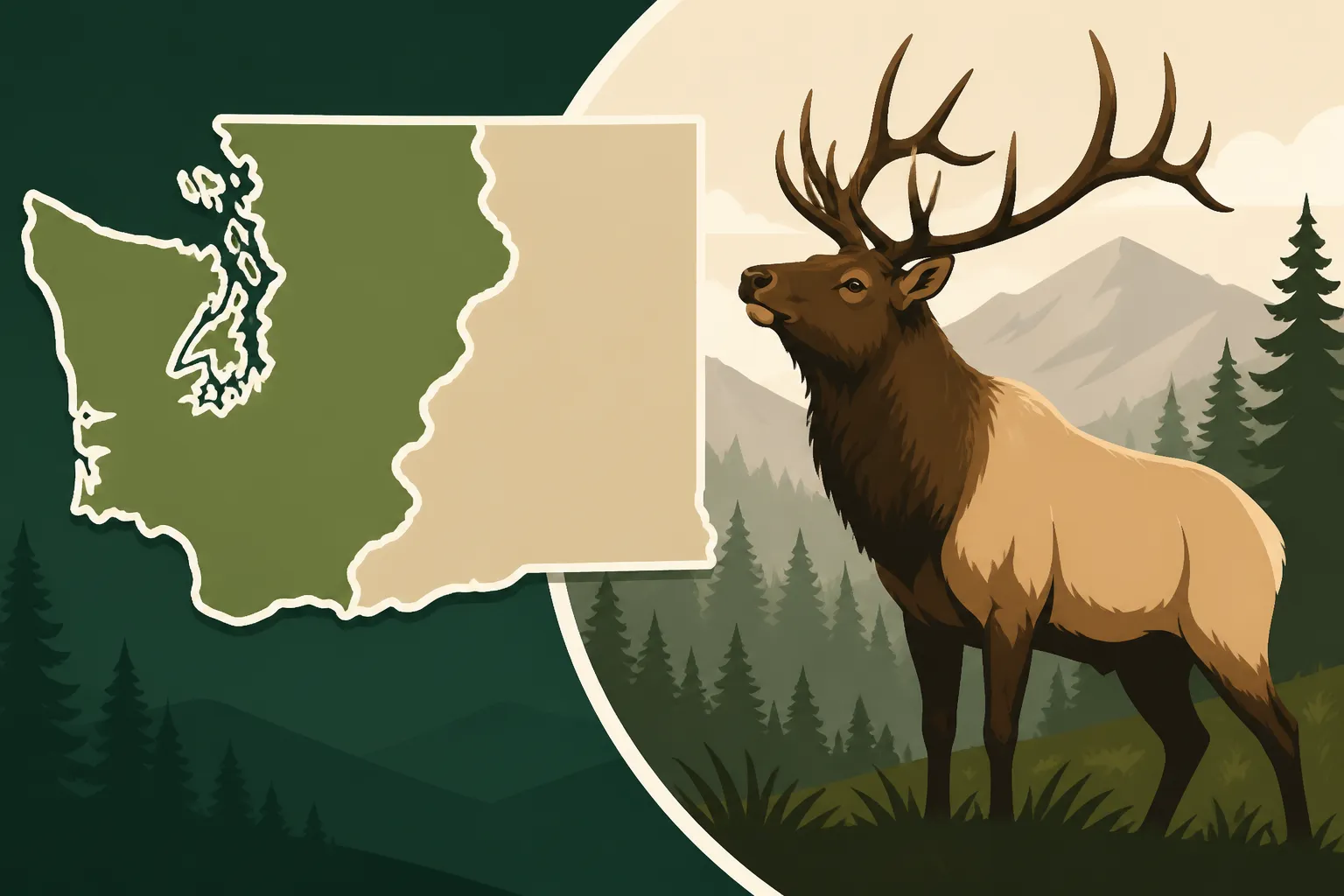
Hunting elk east of the Cascade Mountains in Washington is a different beast entirely compared to the west side. The terrain is often more open, the weather systems are distinct, and most importantly, the season structures and herd management strategies reflect the unique characteristics of Rocky Mountain elk. You're not dealing with the same dense rainforests or the same antler configurations as the Roosevelts; instead, you're often looking at vast sagebrush, pine forests, and agricultural lands. This means the Washington Department of Fish and Wildlife (WDFW) sets up seasons that cater to these differences, which can be a real head-scratcher if you're used to how things run on the west side.
The overarching framework for Eastside elk seasons generally divides opportunities by weapon type: modern firearm, archery, and muzzleloader. Each of these has its own general season dates, but it's absolutely crucial to remember that these are just starting points. The real devil is in the details of individual Game Management Units (GMUs), which can have wildly different opening and closing dates, antler restrictions, and even specific permit requirements. You might think you've got a handle on the statewide archery dates, only to find your chosen GMU has an early closure or is designated for special permit holders only. This is why just grabbing the statewide dates isn't enough; you need to dig into the specific GMU you plan to hunt.
When you're trying to figure out these complex regulations, a resource like the WDFW hunting pamphlet is your first stop, but even that can be dense. Many hunters find tools like GoHunt invaluable for breaking down regulations by GMU and understanding draw odds for special permits. It pulls all that scattered information into one place, making it a lot easier to see the full picture. The general season dates tend to fall within predictable windows year after year, but changes, however minor, do occur. Always double-check the latest regulations each year, because an assumption based on last season could lead to a costly mistake or a missed opportunity.
Diving Deeper into Weapon-Specific Eastside Dates
Once you understand the general framework, it’s time to zero in on the specific weapon types. Each method offers a unique experience and often a different set of challenges and opportunities. The seasons are designed to manage harvest pressure and provide diverse hunting experiences, but for the hunter, it means careful planning is essential.
Modern Firearm Season Dynamics
The modern firearm elk season east of the Cascades is arguably the most popular and often the most crowded. Typically, this season unfolds in October, frequently split into two distinct periods. You'll often see an early October hunt and a late October hunt, each with specific dates that can vary by GMU. For example, some units might offer a "spike-only" hunt during the first week, followed by an "any elk" opportunity later in the month, or vice-versa. Other units might be "branch-antlered bull" only, requiring you to count points carefully, especially if you're in one of Washington's three-point minimum units.
The competition during modern firearm season can be intense, particularly in accessible areas or units known for higher success rates. Roads can be lined with vehicles, and prime glassing spots can feel like a gathering. This means scouting and having backup plans are absolutely critical. Knowing how to utilize public land effectively and where to find less-pressured areas will give you a significant advantage. If you're looking for strategies to improve your odds in these busy times, check out our guide on Washington Elk Hunting Tactics by Weapon Season to prepare for the unique challenges of modern firearm elk hunting.
Archery Season Opportunities
Archery season for elk in eastern Washington is a coveted time, typically running through much of September. This timing often places archers squarely in the middle of the elk rut, a period of heightened activity, bugling, and increased visibility for bulls. The allure of calling in a screaming bull during the crisp fall mornings is a powerful draw for many. However, early September on the Eastside can also bring uncomfortably warm and dry conditions, which means paying close attention to meat care and hydration is paramount. Knowing how to efficiently field dress and cool a carcass in warm weather is a skill every Eastside archer needs.
While the general September window is fairly consistent, specific GMUs might have slightly different start or end dates, and some may have harvest quotas that can lead to early closures. It’s vital to consult the current regulations for your chosen unit. Archery hunting also comes with specific equipment rules regarding broadhead width and arrow weight, which you can read more about in our article on Washington Archery Equipment Rules. Many archers use tools like GoHunt to sift through historical harvest data and identify GMUs with better success rates or higher concentrations of bulls during the rut. If you're hoping to experience a truly exhilarating hunt, timing your trip with the peak rut activity can make all the difference, and understanding Bugling and Cow Calling in Washington's Archery Elk Season will certainly help.
Muzzleloader Season Specifics
Muzzleloader season in eastern Washington often provides a quieter, more solitary hunting experience compared to modern firearm, tucked into late September and early October. This season can be a fantastic opportunity to pursue elk when the initial rush of archery season has passed, but before the full modern firearm onslaught begins. However, the trade-off is often more restrictive equipment requirements. Washington has specific rules regarding projectile type, ignition method, and optics for muzzleloaders, meaning your setup must comply strictly with WDFW guidelines.
For instance, you'll need to use open sights or a specific type of low-magnification scope, and often non-saboted projectiles. This limits your effective range, requiring hunters to focus on stalking and getting much closer to their quarry. While challenging, this can be incredibly rewarding. The weather can also be a factor; early fall can still be dry, but late season muzzleloader hunts might bring the first hints of colder weather. Ensuring your muzzleloader is prepped for varying conditions, including Muzzleloader Loading and Ignition in Rain, is key. Many hunters find success by combining careful scouting with a deep understanding of Washington's Muzzleloader Equipment Rules to leverage these unique season dates.
Navigating GMU Variations and Special Permits
The broad brushstrokes of general season dates only tell part of the story when it comes to eastern Washington elk hunting. The true complexity, and often the best opportunities, lie within the individual Game Management Units (GMUs) and their specific regulations, especially concerning special permits. This is where your planning truly needs to shine, moving beyond just knowing the general season to understanding the granular details that can make or break a hunt.
The Granular World of GMU Regulations
Unlike some regions where seasons are relatively uniform across large areas, eastern Washington GMUs often have highly individualized regulations. What might be an "any elk" unit in one GMU could be a "spike-only" or "branch-antlered bull" unit right next door. These distinctions are critical, and harvesting the wrong animal can lead to severe penalties. Spike-only units, common in areas aiming to protect younger, genetically valuable bulls, require careful observation and judgment before pulling the trigger. Counting points on a live animal, especially if it's far away or moving, is a skill that takes practice, and mistakes can be costly.
Furthermore, some GMUs might have different season lengths for various weapon types or even different daily bag limits. Always refer to the most current WDFW regulations pamphlet for your specific GMU before heading into the field. Resources like the WDFW's online GMU maps and layers on GoHunt's platform are indispensable for breaking down these boundaries and understanding the particular rules for an area. This is also where you'll find details on specific access requirements, such as whether a unit is part of the Washington Register to Hunt Properties or requires special permits for certain timber company lands.
The Allure of Washington Special Hunt Permits
Beyond the general seasons, Washington offers a significant number of special hunt permits for quality elk opportunities. These permits are highly sought after and are awarded through a random drawing, rather than a preference point system. Applying for a special permit can unlock access to less-pressured areas, units with higher bull-to-cow ratios, or extended season dates that offer prime hunting conditions. The application period typically runs from mid-April to late May, with results usually posted in June. For a deep dive into this process, our guide on Washington Special Hunt Permits and How to Apply is a must-read.
The draw odds for these quality permits can be incredibly low, especially for trophy units like the Colockum or Yakima herds. Many hunters use sophisticated tools, including those found on GoHunt, to analyze historical draw odds, harvest success rates, and population data when selecting their hunt choices. It’s a strategic game of balancing desire for a trophy unit with realistic chances of drawing a tag. Even if you don't draw a premier permit, some special permits offer additional late-season opportunities or antlerless hunts that can increase your overall chances of filling the freezer, particularly when facing the complexities of Washington Winter Range Closures That End Late Hunts.
Here's a general overview of typical Eastside elk season dates by weapon type. Please remember, these are general ranges and specific GMU dates will vary. Always consult the current WDFW regulations for your chosen unit.
| Weapon Type | Typical Season Start | Typical Season End | Common Restrictions / Notes |
|---|---|---|---|
| Modern Firearm | Early to Mid-October | Late October | Often split into two periods; can be spike-only, branch-antlered, or any-elk depending on GMU. Crowds can be significant. |
| Archery | Early September | Late September | Prime rut timing; may have warm weather. Specific broadhead and arrow weight rules apply. |
| Muzzleloader | Late September | Early October | Less pressure than modern firearm; restrictive equipment rules (open sights/specific scopes, projectile types). |
| Special Permits | Varies widely | Varies widely | Exclusive dates, locations, or animal types (e.g., antlerless, quality bulls). Drawn through application. Check Washington Special Hunt Permits and How to Apply. |
Key Considerations for a Successful Eastside Hunt
Beyond just knowing the dates, a truly successful elk hunt east of the Cascades hinges on a combination of meticulous planning, adapting to the unique environment, and staying constantly informed. The Eastside presents its own set of challenges, from vast landscapes to fluctuating weather, that demand specific preparations.
Scouting and Understanding Your GMU
The importance of thorough scouting cannot be overstated for eastern Washington elk. With many GMUs covering huge, diverse areas, simply knowing the boundaries isn't enough. You need to understand the terrain, identify water sources, locate traditional feeding and bedding areas, and pinpoint potential travel corridors. This is especially true for the more open country where elk can be seen from a distance but are masters of disappearing into draws and timber pockets. E-scouting plays a massive role here; using satellite imagery and topographical maps to identify promising areas before you even set foot on the ground. Our guide on E-Scouting Washington GMUs Before the Draw offers excellent strategies for this.
Once you've done your digital homework, boots-on-the-ground scouting is essential. Pay attention to signs like rubs, tracks, and droppings, noting their freshness. Understanding where Rocky Mountain Elk East of the Washington Cascades prefer to spend their time during specific seasons will inform your strategy. For example, early season elk might be higher in elevation or near green forage, while late-season animals might be pushed lower due to snow or seeking winter range. Remember to also check for road closures or walk-in access regulations for your chosen unit, as these can drastically alter your hunt plan.
Gear and Environmental Adaptation
The environment east of the Cascades can be starkly different from the west side. You're often dealing with drier, rockier terrain, more extreme temperature swings, and less consistent rainfall, though sudden storms are always possible. This means your gear choices need to reflect these conditions. For instance, durable boots with good ankle support are crucial for navigating steep, broken country and covering many miles, as discussed in Boots for Washington's Eastside Rock and Westside Mud. Layering your clothing is also critical, as morning temperatures can be freezing while midday can soar, especially in early season.
Consider your optics carefully. While 10×42 binoculars are a solid all-around choice, many Eastside hunters opt for higher magnification binoculars, like 15x56s, or a spotting scope, especially when glassing expansive sagebrush flats or distant timber edges. This allows you to effectively scan vast areas, often from a distance, without constantly covering ground. When you're out there, remember the sun can be intense and dehydration a real threat, so a reliable water system and sun protection are paramount.
Staying Current with WDFW and Leveraging Information
Washington's hunting regulations, while generally stable year-to-year, can have subtle but impactful changes. Special permit numbers might shift, season dates for certain GMUs could be adjusted, or emergency closures might occur due to fire danger or wildlife health concerns. It’s not enough to just check once. Make it a habit to check the WDFW website for updates leading up to and even during your hunt. Subscribing to WDFW alerts can also keep you informed.
Beyond WDFW, utilizing hunting community resources and platforms can give you an edge. Many serious hunters rely on comprehensive tools like GoHunt to access detailed maps, historical draw odds, success rates, and regulatory summaries all in one place. These platforms can cut down significantly on the time it takes to research and plan, allowing you to focus more on scouting and actual hunting. Whether you're tracking specific herds like The Colockum Elk Herd or simply trying to ensure you're compliant with Washington Harvest Reporting Requirements, staying informed is your best defense against surprises.
Disclaimer
The information provided in this guide is for general informational purposes only and is subject to change. Hunting regulations, season dates, and GMU-specific rules are determined by the Washington Department of Fish and Wildlife (WDFW) and can be modified at any time. It is the individual hunter's responsibility to review and comply with all current WDFW regulations and obtain the necessary licenses and tags before participating in any hunting activity. Always confirm all details with the official WDFW hunting pamphlets and website.