The Colockum Elk Herd
Hunting Washington's diverse and challenging landscapes is a true test of a hunter's skill, and few areas embody that challenge quite like the Colockum. For many, figuring out where the elk are, how they move, and what the local rules even are can feel like trying to solve a puzzle with half the pieces missing. This guide aims to clear up some of that confusion, offering a deep dive into the Colockum elk herd – their world, their habits, and how you might just connect with a bull or cow in this rugged country.
The Unique Geography of the Colockum Elk Herd
The Colockum is more than just a place on a map; it's a dynamic, rugged landscape that shapes every aspect of the elk herd living within it. Understanding this geography is the first step to truly "reading" the land and finding where these animals prefer to be throughout the year.
Defining the Colockum Unit Boundaries
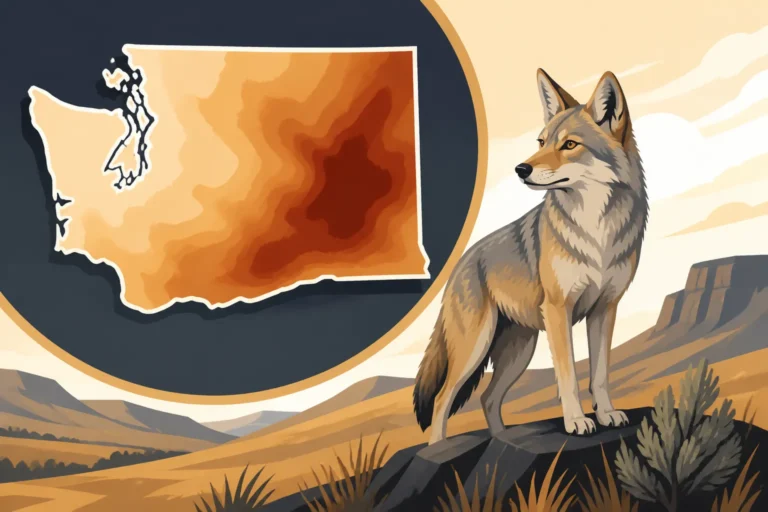
The Colockum elk herd primarily inhabits Game Management Units (GMUs) 346, 335, and portions of 340, with some spillover into adjacent units depending on the season. This expansive area stretches from the agricultural fields and orchards along the Columbia River near Wenatchee in the north, south towards Ellensburg and the Yakima River, and east from the Cascade foothills. To the west, its boundary is roughly defined by the west side of the Columbia River, extending to the foothills of the Cascade Mountain Range. It's a huge piece of country, dominated by a mix of public and private lands, crisscrossed by roads both maintained and primitive. Unlike the more distinct boundaries of The Yakima Elk Herd, the Colockum's range feels more fluid, influenced heavily by forage and snowpack.
This vastness means incredible diversity, but also presents significant challenges for hunters trying to cover ground. One moment you might be in open sagebrush flats and the next you're navigating dense timber pockets or steep, rocky canyons. Understanding these exact GMU boundaries is critical, as season dates, weapon restrictions, and even specific tag requirements can vary significantly between units. Many hunters struggle initially because the "Colockum" often refers to a broader region rather than a single, perfectly defined unit, leading to confusion when cross-referencing maps and regulations.
The terrain itself is a defining characteristic. The Colockum Pass, an iconic feature, carves its way through the central part of the range, offering some main travel arteries but also separating vast swathes of roadless country. You’ll find everything from the rolling hills and deep canyons of the Quilomene and Whiskey Dick Wildlife Areas to the higher elevation timbered ridges and plateaus. It's a place where a good set of legs and a willingness to explore beyond the pavement are absolute necessities.
Habitat Diversity and its Influence on Elk Behavior
The Colockum's habitat is a tapestry woven from various ecosystems, each playing a vital role in the elk's annual cycle. At lower elevations, particularly closer to the Columbia River, you'll encounter extensive sagebrush steppe and grasslands. These areas provide crucial early-season forage and can hold elk during milder winters or in the early mornings before they retreat to cover. As you gain elevation, these open areas transition into more arid shrub-steppe, eventually giving way to scattered groves of ponderosa pine, then denser forests of Douglas fir and grand fir higher up.
This ecological stratification directly influences how and where elk live. During the hot summer months, elk seek the cooler, shaded cover of the higher elevation timber. North-facing slopes and dense stands of trees offer refuge from the sun and predators, while abundant forage in these moister environments helps them build condition. Conversely, in the harsh winter, when deep snow blankets the high country, elk are forced to migrate down to the lower, south-facing slopes. Here, the snowpack is often shallower, and residual grasses, bitterbrush, and other browse plants become their primary food source.
Historically, fire has also shaped the Colockum landscape. Wildfires, both natural and prescribed, create mosaics of burned and unburned areas, promoting new growth that elk readily exploit. Logging, too, has left its mark, creating clearcuts that, after a few years, provide excellent browse and bedding cover in the young saplings. These disturbed areas can be goldmines for hunters willing to navigate the thick, regenerating brush. Access to reliable water sources is another critical factor, especially during dry periods. Ponds, springs, and creeks, though sometimes seasonal, concentrate elk activity and are key features to identify during your Public Land Scouting in Washington Before Opening Day.
Population Health and Management Challenges
Understanding the current state of the Colockum elk herd is essential for anyone hoping to hunt this challenging region. Population numbers aren't just statistics; they dictate management strategies, hunting opportunities, and ultimately, your chances of success.
Current Herd Size and Population Trends
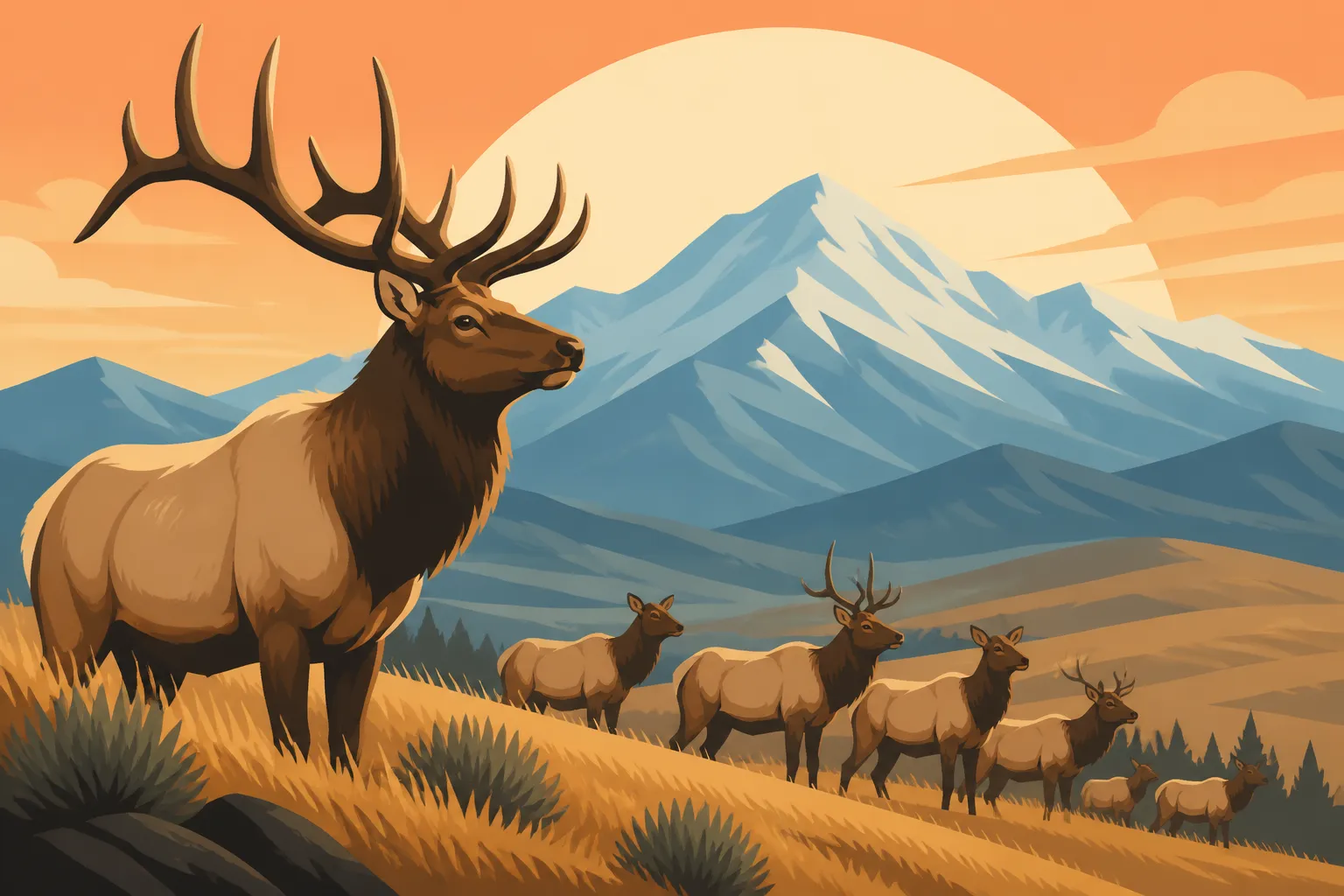
The Colockum elk herd is one of Washington's larger and more iconic Rocky Mountain elk populations, providing significant hunting opportunities east of the Cascades. According to recent WDFW estimates, the herd has generally been stable, sometimes showing slight fluctuations year to year. While specific numbers vary with each survey, the Colockum typically supports several thousand elk. These figures are crucial for setting harvest quotas and designing special permit opportunities, aiming to balance hunting pressure with herd health and population goals.
Counting elk in a landscape as vast and rugged as the Colockum is no easy feat. WDFW biologists use a combination of aerial surveys, composition counts (counting bulls, cows, and calves), and hunter harvest data to get an accurate picture. These surveys are often conducted from helicopters during winter when elk are concentrated on lower elevations and visible against the snow. However, even with modern technology, dense timber, steep canyons, and unpredictable weather can make comprehensive counts challenging, so estimates always come with a degree of uncertainty. Unlike The Yakima Elk Herd which can also be quite spread out, the Colockum's extensive timber pockets can make aerial counts particularly difficult in certain years.
These population trends directly impact hunters. A healthy, stable or growing herd generally translates to more general season opportunities and potentially better odds for drawing special permits. Conversely, a declining trend might lead to reduced tag numbers or more restrictive seasons to allow the herd to recover. Hunters should always consult the latest WDFW big game regulations pamphlet for the most up-to-date information on herd status and management objectives. Tools like GoHunt's Insider platform are invaluable for researching these trends and understanding the implications for draw odds.
Key Factors Affecting Colockum Elk Health
Maintaining a healthy elk herd in the Colockum involves a delicate balance of habitat, predation, and human impacts. Habitat quality is paramount. Elk need a mix of nutritious forage to thrive and dense cover for security and thermal regulation. This means a landscape that supports diverse vegetation—from the rich grasses and forbs of old burns and clearcuts to the mature timber that provides bedding and shade. Overgrazing by domestic livestock in certain areas can compete with elk for forage, potentially impacting their condition, especially during critical times of the year like calving or rut.
Predation is another significant factor. Cougars are always present in the Colockum, preying on elk, especially calves, and keeping herd numbers in check. While not as dominant as in other parts of the state, wolf presence is also a reality in some eastern Washington areas, and their impact on elk populations is continuously monitored by WDFW. Understanding these predator dynamics is part of grasping the full picture of herd health.
Disease can also play a role, though the Colockum herd has generally been robust. While Elk Hoof Disease Symptoms have been more prevalent in western Washington, disease outbreaks can occur in any herd, affecting individual animals and, in severe cases, overall population health. WDFW continually monitors for signs of disease, and hunters play a vital role in reporting any sick or diseased animals they encounter. The data collected from Washington Harvest Reporting Requirements also provides crucial insights into the health, age structure, and overall productivity of the herd, helping managers make informed decisions.
Seasonal Elk Movements and Migration Strategies
Elk in the Colockum are constantly on the move, driven by the seasons, forage availability, and weather. Understanding these migration patterns is perhaps the single most important piece of information for consistent hunting success in this region.
Summer Range and High Country Exploitation
As the snow recedes from the higher elevations in late spring and early summer, the elk begin their upward migration. They seek out the lush, green forage that explodes in the high country, providing the rich nutrients needed for antler growth in bulls and milk production for cows with calves. During this time, the Colockum's higher timbered ridges, subalpine basins, and north-facing slopes become prime elk country. These areas offer cooler temperatures, abundant water from melting snow or springs, and critical security cover in the dense forests.
For hunters, identifying these summering areas is key for early season archery hunts or for planning future rifle seasons. E-Scouting Washington GMUs Before the Draw allows you to pour over satellite maps, looking for dark timber pockets, natural benches, and historical bedding areas at higher elevations. Glassing these upper reaches from distant vantage points can reveal hidden pockets of elk activity. It's a physically demanding style of hunting, requiring you to get deep into rugged terrain, often carrying Boots and Packs for Washington Backcountry designed for heavy loads and challenging trails.
Bulls, in particular, will spend their summer growing antlers in bachelor groups, often in remote, high-elevation sanctuaries. These areas offer peace and quiet, allowing them to put all their energy into maximizing antler growth. By September, as the rut approaches, these bulls will begin to move, eventually converging with cows in more accessible areas. However, knowing their summer haunts gives you a starting point for understanding their general distribution before the chaos of the hunting season begins.
Wintering Grounds and Migration Corridors
As autumn progresses and the first significant snows blanket the high country, the elk begin their downward migration to their traditional wintering grounds. This critical movement is a matter of survival, as deep snow makes foraging difficult and exposes them to harsh weather conditions. The primary winter ranges in the Colockum are typically at lower elevations, often on south-facing slopes, in areas like the Quilomene and Whiskey Dick Wildlife Areas, and private lands along the Columbia and Yakima river drainages. These areas typically have less snow, more accessible browse, and crucial thermal cover.
These migration corridors are well-established routes that elk have used for generations. Identifying these pathways can be hugely beneficial for Late-Season Hunting in Washington Snow, as elk may be concentrated in transition zones. Hunters need to be acutely aware of Washington Winter Range Closures That End Late Hunts. These closures are implemented to protect vulnerable wintering elk from disturbance, ensuring they conserve energy during the leanest months. Violating these closures can lead to significant penalties and negatively impact the herd.
The journey to winter range can be slow or rapid, depending on the severity of the weather. During this time, elk are often more visible as they move through open country, but they are also more vulnerable. Conservation efforts focus heavily on protecting and enhancing these critical winter habitats, as their availability directly impacts the herd's ability to survive the winter and contribute to population growth in the spring. Understanding this seasonal ebb and flow of elk movement is a cornerstone of hunting success in the Colockum.
Hunting the Colockum: Strategy and Access
Hunting the Colockum requires more than just a hunting license; it demands strategy, perseverance, and a deep understanding of both elk behavior and local regulations. It's a place where a smart hunter can find success, but only if they're prepared for the challenges.
General Season Tactics and Challenges
The general season in the Colockum, particularly for modern firearm hunters, can be a crowded affair. Roads that were quiet during archery season suddenly become busy, and hunter pressure, especially on public lands with easier access, can be intense. Many hunters lament the sheer number of vehicles and orange vests they see, making it feel like the elk have simply vanished. This is a common frustration, but it doesn't mean success is impossible; it just means you need to adjust your tactics.
To counter the pressure, the most effective strategy is to get away from the roads and the crowds. This often means walking miles into roadless areas, climbing steep ridges, or dropping into canyons that most hunters avoid. Public Land Scouting in Washington Before Opening Day isn't just about finding elk; it's about finding unpressured elk. Look for terrain features that naturally funnel animals or provide security cover away from human activity. The Colockum offers vast tracts of rugged country where a hunter willing to put in the effort can still find solitude and unmolested elk.
Understanding Washington Game Management Units Explained within the Colockum is also critical. Some units might have different antler restrictions (e.g., spike-only, three-point minimum) or specific season dates that vary slightly. Using high-quality Optics for Washington Elk and Deer Hunting is non-negotiable in the Colockum. A good pair of 10×42 binoculars, and often a spotting scope for long-distance glassing across the expansive breaks, will save you countless steps and help you pick apart distant hillsides for hidden elk. Glassing early and late in the day from a high vantage point, focusing on shaded timber edges or secluded draws, is often far more effective than simply walking aimlessly through the woods.
Special Permit Opportunities and Application Insights
For those seeking a potentially less pressured and higher-quality hunting experience, the Colockum offers various special permit hunts. These permits are typically for branch-antlered bulls, offering a chance at a mature animal, or for antlerless elk, which are crucial for herd management. The advantage of a special permit hunt is often significantly reduced hunter density and, in some cases, season dates that coincide with unique elk behaviors, such as the peak of the rut or late-season migration.
Applying for Washington Special Hunt Permits and How to Apply is a yearly ritual for many dedicated hunters. The application window typically opens in April, and hunters can apply for up to four choices, though some quality hunts may limit you to fewer. The Colockum's quality elk hunts are highly coveted, and draw odds can be challenging, but the potential reward of a low-pressure hunt for a mature bull makes it worth the effort for many. Websites and apps like GoHunt offer invaluable data on past draw odds, success rates for specific units, and season statistics, helping you make informed decisions when filling out your application. They can also help you identify trends in unit performance over time.
These special hunts can span different weapon seasons, from early archery in September when the bulls are bugling, to late-season rifle hunts in November that might coincide with heavy snow pushing elk down into accessible areas. Researching the specific permit you're applying for, including its unit, season dates, and weapon restrictions, is paramount. Often, these hunts allow access to areas that see less pressure during general seasons, or they target specific segments of the herd (like antlerless animals) to achieve management goals. A successful application can open up a unique and memorable hunting opportunity in the Colockum.
Navigating Public and Private Land in the Colockum
One of the biggest hurdles for any hunter in Washington, especially in the Colockum, is understanding land ownership and access. The landscape is a mosaic of different ownerships, each with its own rules and access challenges.
Accessing Public Lands (WDFW, Forest Service, DNR)
The good news is that the Colockum offers substantial amounts of public land, primarily managed by the Washington Department of Fish and Wildlife (WDFW), the Okanogan-Wenatchee National Forest (US Forest Service), and the Department of Natural Resources (DNR). WDFW wildlife areas like the Quilomene and Whiskey Dick are key components of the Colockum's public hunting landscape, providing critical habitat and access points. These areas are typically well-marked and offer specific Washington Wildlife Area Rules that hunters must adhere to, including parking requirements (often requiring a Discover Pass or WDFW Vehicle Access Pass).
National Forest lands, particularly in the higher elevations, also provide extensive hunting grounds. While these areas are generally open to hunting, access can be complicated by Washington Green Dot Road Systems. These WDFW-managed roads have specific rules regarding vehicle use, often closing certain routes seasonally or year-round to protect wildlife or prevent resource damage. Learning to read Green Dot maps, which can be found online or at WDFW offices, is non-negotiable for Public Land Hunting in Washington: Forest, DNR and BLM. Ignoring these rules can lead to fines and habitat degradation.
DNR lands also contribute to the public access matrix. Some DNR lands are open under the Discover Pass program, while others may have more restrictive access due to timber operations or conservation efforts. It's crucial to consult updated DNR maps and regulations to determine what's open. The key to successful public land hunting in the Colockum is meticulous map scouting, identifying legal access points, and being prepared to walk significant distances to get away from road access.
Understanding Private Timber and Agricultural Access
While public land forms the backbone of hunting in the Colockum, a significant portion of the landscape is privately owned, ranging from agricultural fields in the valleys to large tracts of commercial timberland on the slopes. Navigating these private holdings requires diligence and respect for private property rights. Ranchers and farmers in the valleys often lease out hunting access or require Getting Written Permission on Private Land well in advance of the season. Always approach landowners politely, with plenty of time before your hunt, and be prepared for potential rejections or fees.
Large timber companies also own vast amounts of land in and around the Colockum. While some companies may allow walk-in access, many, like Weyerhaeuser or Hancock, often require hunters to purchase permits for motor vehicle access. These Weyerhaeuser and Hancock Permits in Washington can be expensive and often sell out quickly, but they provide access to extensive timberlands that see less pressure than purely public ground. The specific rules for these private timber lands can change annually, so checking their websites for updated information is crucial.
The patchwork nature of land ownership means that hunters must be constantly aware of their location. An onX Hunt or similar GPS app, with updated land ownership layers, is an indispensable tool in the Colockum. It prevents accidental trespass, helps you identify public land "islands" surrounded by private property, and ensures you're always hunting legally. While securing private land access can be challenging, the rewards of less pressure and potentially higher animal quality often make the extra effort worthwhile for serious hunters.
Conservation Efforts and Management
The Colockum elk herd is a valuable resource, and its continued health relies on ongoing conservation efforts and thoughtful management by state agencies and local communities. It's a complex endeavor, balancing the needs of the animals, hunters, and other land users.
WDFW Management Strategies
The Washington Department of Fish and Wildlife (WDFW) is the primary agency responsible for managing the Colockum elk herd. Their strategies are multifaceted, designed to maintain a healthy, viable population while providing sustainable hunting opportunities. This involves a continuous cycle of population monitoring through aerial surveys and ground counts, habitat assessments, and careful regulation of harvest. WDFW biologists use herd composition data (bull-to-cow ratios, calf recruitment) to gauge the health and productivity of the herd, adjusting tag allocations and season structures accordingly.
Habitat improvement is another cornerstone of WDFW's work in the Colockum. This includes projects like prescribed burning to rejuvenate forage, noxious weed control, and protecting critical winter range from development. WDFW also works to minimize elk damage to private agricultural lands through various programs, which can be a point of tension between landowners and wildlife. By understanding the science behind WDFW's decisions, hunters can appreciate the complexities of managing a large, free-ranging elk herd.
The agency also plays a vital role in addressing disease concerns and monitoring predator populations. While the Colockum hasn't experienced major disease outbreaks in the past, vigilance is constant. Predator management, particularly for cougars, is also part of the broader strategy to ensure elk populations remain within established objectives. All of these efforts are underpinned by research and adaptive management, continually adjusting plans based on new data and changing environmental conditions.
Community Involvement and Challenges
Managing a herd like the Colockum doesn't happen in a vacuum; it requires cooperation and understanding from various stakeholders. Local communities, landowners, recreational users, and hunters all have a vested interest in the elk and the landscape. Landowners, in particular, often bear the brunt of elk impacts on crops and fences, making their participation in management efforts critical. WDFW often engages with these groups through public meetings and advisory committees to gather input and address concerns.
Challenges to conservation efforts are numerous. Increasing human population and development pressure can lead to habitat fragmentation and loss, particularly on crucial winter range. Climate change also presents long-term challenges, with potential impacts on forage availability, snowpack, and seasonal migration patterns. Poaching, though hopefully rare, remains a threat to wildlife populations and ethical hunting. Reporting suspicious activity to WDFW's enforcement division is a responsibility every hunter should take seriously.
Ethical hunting practices are also a key component of conservation. Hunters are often the first line of defense against illegal activity and serve as ambassadors for wildlife. By adhering to regulations, practicing fair chase, and respecting the land, hunters contribute positively to the perception and reality of wildlife management. The Colockum elk herd is a testament to successful conservation, but its future health depends on continued dedication from all who cherish this iconic animal and its rugged home.
Disclaimer
Please be aware that hunting regulations, season dates, and access rules can change frequently. Always consult the most current Washington Department of Fish and Wildlife (WDFW) hunting regulations pamphlet and relevant land management agency websites (e.g., US Forest Service, DNR, private timber companies) before planning any hunting trip. This guide is for informational purposes only and should not replace official sources.