Where to Report a Washington Hunt
Trying to figure out where and how to report your hunt in Washington State can feel like navigating a maze, especially after a long, successful (or even unsuccessful) season when all you want to do is decompress. The Washington Department of Fish and Wildlife (WDFW) has specific requirements for reporting your harvest and even your unfilled tags, and missing these steps can lead to penalties and, more importantly, can hinder crucial wildlife management efforts. This guide is here to walk you through exactly where to report your Washington hunt, whether you filled your tag or not, ensuring you stay compliant and contribute positively to the future of hunting in our beautiful state.
Understanding the Washington WILD System for Reporting
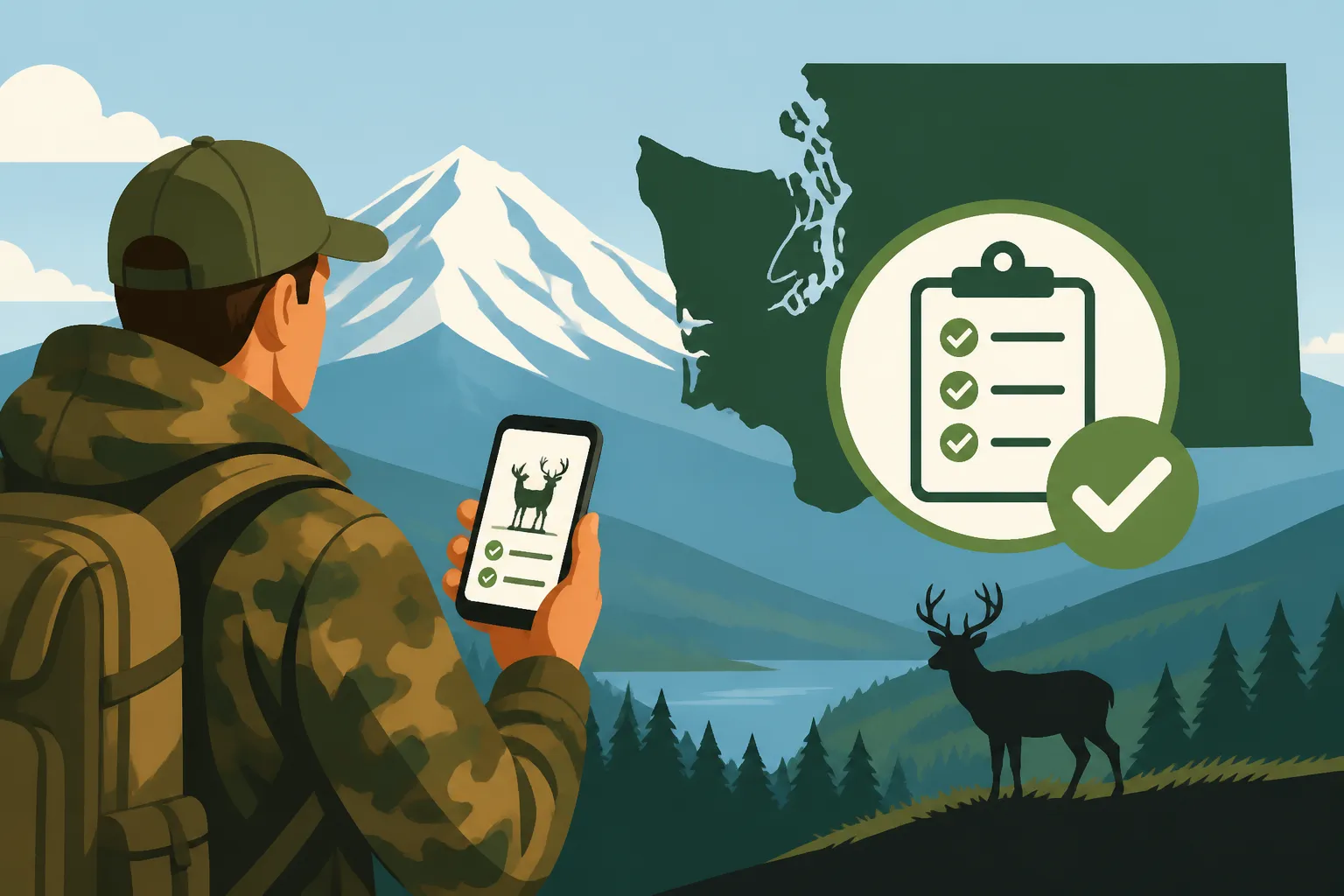
The cornerstone of Washington's hunting license and reporting system is the Washington Integrated Licensing Data (WILD) system. This isn't just a place to buy your Washington Big Game Licence and Tag Costs; it's the official repository for all your hunting-related information, including harvest reports. Many hunters find the online portal the most convenient way to fulfill their reporting obligations, offering 24/7 access from anywhere with an internet connection. However, if online isn't your thing, there are other avenues available to you.
The WILD system is where WDFW collects vital data on harvest success, species distribution, and hunter effort. This data is absolutely essential for wildlife biologists to make informed decisions about setting future seasons, adjusting tag allocations, and managing specific game management units (GMUs). Without accurate reporting from hunters like us, the WDFW is essentially flying blind, making it harder to ensure healthy wildlife populations and sustainable hunting opportunities. This is why neglecting to report, even an unfilled tag, can have a ripple effect far beyond just your personal hunt.
Beyond the convenience of online reporting, you can also report your hunt by calling WDFW directly or visiting a licensed dealer in person. While most hunters prefer the digital route, having these alternatives ensures that everyone can comply, regardless of their internet access or comfort with technology. When planning your hunt, resources like GoHunt can be incredibly useful for researching specific GMUs and understanding their regulations, which often include reporting details specific to that area. Getting familiar with the WILD system before the season even starts is a smart move, much like how you would prepare for your Washington Hunter Education and Licensing course.
Step-by-Step Guide to Reporting Your Washington Hunt
Reporting your hunt, whether successful or not, follows a fairly straightforward process through the WILD system. It’s critical to complete this within the specified deadlines, which typically vary depending on the species and season. For most general seasons, you'll need to report by January 31st following the end of the calendar year your hunt took place. For special permit hunts, the deadline might be much sooner, usually within 10 days of harvest or the season closing date. Always double-check the current Washington Harvest Reporting Requirements in the WDFW hunting pamphlet for the most accurate dates.
Accessing the WILD System
To get started, you'll need your WDFW customer ID, which is usually printed on your license or previous tags. If you've lost it or can't find it, you can often retrieve it through the WILD system by entering your personal information. Once you log in, navigate to the "Report a Hunt" or "Harvest Reporting" section. If you're using a resource like GoHunt to plan your future hunts, you'll find that having all your WDFW information readily accessible makes cross-referencing regulations and reporting much smoother.
- Online: The most common and recommended method. Visit the WDFW licensing website, log in with your WILD ID, and follow the prompts for harvest reporting. This is often the quickest way to get it done.
- Phone: You can call the WDFW Licensing Division directly. Have your customer ID and hunt information ready. This is a good option if you have questions or encounter issues with the online system.
- Licensed Vendor: Some local hunting and fishing license vendors are equipped to assist with harvest reporting. It’s wise to call ahead to ensure they offer this service and understand what information you need to bring.
Reporting a Successful Harvest
If you were fortunate enough to harvest an animal, congratulations! Now comes the crucial step of reporting it. The system will ask for specific details about your hunt. Be prepared to provide:
- Date of Kill: The exact day you harvested the animal.
- GMU: The specific Washington Game Management Units Explained where the animal was harvested. This is incredibly important for WDFW's data collection.
- Species and Sex: For example, "bull elk" or "doe deer."
- Antler Points (for antlered game): If it was an antlered deer or elk, you’ll need to report the number of points on one side. This helps WDFW track herd health and age structures.
- Weapon Used: Whether you used archery, muzzleloader, or modern firearm.
- County: The county where the harvest occurred.
Filling out these fields accurately is paramount. Imagine if thousands of hunters reported the wrong GMU; the WDFW's understanding of game distribution would be completely skewed, potentially leading to mismanaged seasons in the future. After submitting, you'll usually receive a confirmation number. It's a good idea to record this for your records, just in case any questions arise later.
Reporting an Unfilled Tag
This is a step many hunters overlook, but it's just as important as reporting a successful harvest. Even if you didn't fill your tag, WDFW needs to know about your hunting effort. This data helps them understand hunter pressure, success rates, and can indicate issues with game populations or access. The process for Reporting an Unfilled Washington Tag is very similar to reporting a harvest:
- Log into your WILD account.
- Navigate to the "Report a Hunt" section.
- Select the specific tag you used (e.g., General Season Deer, Special Permit Elk).
- Indicate that no animal was harvested.
- Confirm and submit.
Again, there will be a deadline for reporting unfilled tags, often the same as for successful harvests. Missing this deadline can lead to the same penalties as not reporting a successful harvest. Think of it as a commitment to the overall health of the resource; every piece of data helps complete the puzzle.
Why Harvest Reporting is So Important and What Happens If You Don't
Harvest reporting isn't just a bureaucratic hoop to jump through; it's a fundamental pillar of modern wildlife management. The data collected from your reports directly influences the seasons, tag numbers, and management strategies for various species across Washington. When hunters consistently report their outcomes, WDFW gains a clearer, more accurate picture of wildlife populations, success rates, and overall hunter participation. This allows them to manage game species sustainably, ensuring that future generations have the same, if not better, hunting opportunities.
The Impact on Wildlife Management
Consider the Yakima elk herd, for instance. If hunters consistently underreport their success or fail to report their efforts in specific GMUs within the Yakima area, WDFW might misinterpret the population dynamics. They might think the herd is healthier than it is, leading to an over-allocation of tags, or conversely, believe the population is struggling and reduce tag numbers unnecessarily. This real-world impact is why organizations like GoHunt emphasize the importance of understanding and following all regulations, including reporting, as part of responsible hunting.
The data you provide helps WDFW answer critical questions:
- Are current harvest levels sustainable for the population?
- Are hunting seasons adequately distributed to meet management goals?
- How are specific Washington Elk Herds and Where They Live or deer populations responding to environmental changes or predation?
- What is the overall hunter effort for a particular species or area? This helps determine interest and pressure, which can inform decisions about Washington General Season Versus Special Permit Hunts.
Without this information, WDFW's management plans are based on incomplete data, which could harm wildlife populations or limit hunting opportunities in the long run. Harvest data also contributes to broader research efforts, such as understanding disease prevalence (related to Washington Wildlife Disease Surveillance) or analyzing long-term population trends, contributing to How WDFW Counts Big Game.
Penalties for Non-Compliance
It's crucial to understand that failing to report your hunt, whether successful or not, is a violation of Washington state law. The Penalty for Missing a Washington Harvest Report can include:
- Fines: You could face monetary fines.
- Suspension of Future Hunting Privileges: Potentially, you might be prevented from purchasing hunting licenses or tags in subsequent years. This is a serious consequence that can impact your ability to apply for Washington Special Hunt Permits and How to Apply or even buy general season tags.
- Ineligibility for Special Permits: You might be deemed ineligible to apply for special permits until all outstanding reports are submitted.
The WDFW takes these reporting requirements seriously because of their direct impact on sound wildlife management. It’s not just about compliance; it’s about upholding ethical hunting practices and contributing to the health of the resource. Don't let the excitement of the hunt or the disappointment of an empty tag prevent you from fulfilling this simple, yet vital, responsibility. Always make sure to check your WILD account regularly to verify your report status and to Checking Washington Results in a WILD Account for any drawn permits. If you've purchased Washington Multi-Season Tags and Three Chances, remember that each season you hunt under that tag needs to be reported, regardless of success.
| Hunt Type | Reporting Requirement | Typical Deadline | Where to Report |
|---|---|---|---|
| Successful Harvest | Date, GMU, species, sex, antler points (if applicable), weapon | General Season: January 31st (following year) | WDFW WILD System Online, Phone, or Vendor |
| Unfilled Tag | Declare no harvest for specific tag and season | General Season: January 31st (following year) | WDFW WILD System Online, Phone, or Vendor |
| Special Permit Hunt | Date, GMU, species, sex, antler points (if applicable), weapon | Within 10 days of harvest or season closure (whichever is first) | WDFW WILD System Online, Phone, or Vendor |
| Deer/Elk Damage Tag | Specifics as requested by WDFW for damage control | As instructed by WDFW | WDFW WILD System Online, Phone, or Vendor |
Disclaimer
The information provided in this guide is for general informational purposes only and is subject to change. Always consult the official Washington Department of Fish and Wildlife (WDFW) regulations pamphlet for the most current rules, seasons, and reporting requirements. It is the hunter's responsibility to know and abide by all applicable laws and regulations.