Once-in-a-Lifetime Rules in Washington
It's easy to get caught up in the yearly scramble for general season deer and elk tags here in Washington, figuring out which GMU to hunt or which weapon season best suits your schedule. But for many dedicated hunters, there’s another layer of dreams, those elusive "once-in-a-lifetime" opportunities that whisper of truly unique experiences. The rules around these permits can be incredibly confusing, leaving folks wondering if they'll ever get a shot at a coveted moose, bighorn sheep, or mountain goat tag. This comprehensive guide is designed to demystify Washington's once-in-a-lifetime rules, clarify what these special tags truly mean for your hunting career, and help you navigate the application process.
What Are Washington's Once-in-a-Lifetime Species?
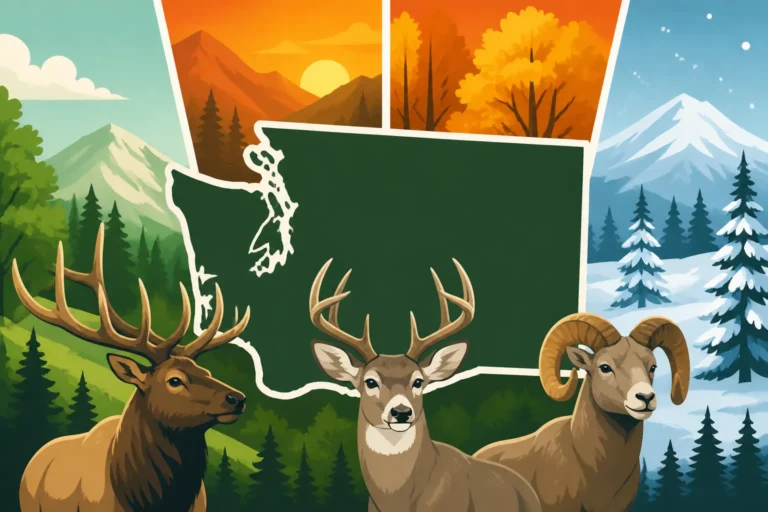
When we talk about "once-in-a-lifetime" tags in Washington, we're not just speaking metaphorically about a fantastic hunt. The Washington Department of Fish and Wildlife (WDFW) has specific regulations that designate certain big game species as truly once-in-a-lifetime opportunities for individual hunters. This means if you are fortunate enough to draw one of these tags, you generally won't be able to draw another for that specific species again in Washington. It's a system designed to spread the limited opportunities among as many hunters as possible.
Identifying the Big Three: Moose, Bighorn Sheep, and Mountain Goat
The magnificent creatures that fall under this stringent "once-in-a-lifetime" designation in Washington are moose, bighorn sheep, and mountain goat. Each of these species offers a hunt unlike any other, often in some of the most remote and challenging terrain our state has to offer. The sheer rarity of these tags makes them the holy grail for many.
Let's start with moose. Washington's moose population is primarily concentrated in the Selkirk Mountains of the northeast corner of the state, though their range has been expanding. These animals are truly massive, and a moose hunt is an epic undertaking, demanding considerable preparation and effort. The number of permits issued each year is incredibly small, reflecting the careful management of the Moose Population Growth in Washington and the desire to maintain a healthy, stable herd. Hunters dreaming of a moose often spend years, even decades, applying.
Next, we have bighorn sheep. Washington is home to both Rocky Mountain bighorns (primarily in the Blue Mountains) and California bighorns (scattered across central and eastern Washington). These iconic animals inhabit steep, rugged country, and a successful bighorn hunt is often considered the pinnacle of sheep hunting. The herds face various challenges, including disease outbreaks like Bighorn Pneumonia Die-Offs in Washington, which necessitates extremely conservative permit allocations. Drawing a bighorn tag is perhaps the most difficult of all, with Washington Bighorn Sheep Permit Numbers often in the single digits statewide.
Finally, there are mountain goats. These incredible animals thrive in Washington's highest, most unforgiving alpine environments. A mountain goat hunt is less about antlers and more about the unparalleled challenge of pursuing an animal in truly vertical terrain. Conservation efforts, including Washington Mountain Goat Translocations in Washington, have aimed to bolster populations and expand their range. Like bighorns, the permits are few and far between, reflecting the species' specialized habitat and sensitivity.
Why These Species Are Special and Restricted
The reason WDFW places such tight restrictions on moose, bighorn sheep, and mountain goat hunting isn't to be exclusive; it's a critical component of conservation and opportunity management. Unlike abundant species like deer or even elk, these "Big Three" have much smaller, often localized populations. They typically have slower reproductive rates, meaning their populations can't rebound as quickly from harvest pressure.
Consider the immense demand from hunters across Washington and beyond, all vying for a chance at these unique animals. If WDFW didn't implement a "once-in-a-lifetime" rule, a small subset of lucky or persistent hunters could potentially draw these tags multiple times, effectively shutting out thousands of others who might never get a chance. The restriction is fundamentally about fairness and maximizing the number of individual hunters who can experience these incredible hunts over the long term. It ensures that the limited harvest quota is distributed as widely as possible, allowing more people to connect with these magnificent species in their natural habitats while maintaining robust populations for future generations.
The "Once-in-a-Lifetime" Clause Explained
Understanding that these hunts are rare is one thing, but grasping the precise implications of the "once-in-a-lifetime" clause is crucial for any hunter hoping to participate. It's not just a catchy phrase; it's a hard and fast rule embedded in Washington state hunting regulations. This clause profoundly impacts your future eligibility once you've been successful in the draw.
What Happens After You Draw a Tag
The moment you draw a special permit for a moose, bighorn sheep, or mountain goat in Washington, that's it for that species. You've officially used your "once-in-a-lifetime" opportunity for that particular animal. This means you will not be eligible to apply for another special permit for that species in Washington State, ever again. It's a truly significant milestone in any hunter's journey.
It's important to clarify that this restriction generally applies the moment you draw the tag, not necessarily upon harvest. If you draw a moose tag, for example, and then for unforeseen circumstances cannot go on the hunt, or you simply choose not to harvest an animal, you have still used your once-in-a-lifetime chance for a Washington moose. The system is designed around the allocation of the permit, which is the rare commodity.
This can be a bittersweet moment for many. On one hand, the excitement of drawing such a prestigious tag is immense – a dream realized! On the other, there's the realization that this specific door is now closed. This is why thorough preparation, both physically and mentally, is so vital for these hunts. You only get one shot at it, so every decision, from scouting to shot placement, carries immense weight. Remember to check the current Washington Harvest Reporting Requirements after your hunt, whether successful or not, as failing to report can lead to penalties, and it’s a good habit regardless.
Applying Again for Different Once-in-a-Lifetime Species
Now, here's where it gets a little less restrictive, which is good news for ambitious hunters! While drawing a tag for one of the "Big Three" eliminates you from future draws for that specific species, it does not affect your eligibility to apply for the other once-in-a-lifetime species.
For example, if you were lucky enough to draw a mountain goat tag this year and successfully harvested a billy in the Pasayten Wilderness, you could still apply for a moose permit next year. And if you drew that moose tag and filled it, you'd still be eligible to apply for a bighorn sheep tag in the years that follow. This means that, theoretically, a truly dedicated and incredibly fortunate hunter could achieve the grand slam of Washington's once-in-a-lifetime animals, taking one of each over the course of their hunting career. It's a long shot, yes, but it’s a shot nonetheless.
This nuanced rule allows for a long-term strategy for those with patience and a passion for these unique species. Many hunters will systematically apply for all three each year, hoping to tick them off their bucket list one by one. Resources like the GoHunt Insider are invaluable for tracking permit numbers, draw odds, and harvest success rates across all these species, helping you refine your long-term application strategy year after year.
Here’s a quick overview of Washington’s Once-in-a-Lifetime Species:
| Species | Primary Range in Washington | Typical Permit Numbers (Approx. Annually) | Key Conservation Concerns | Rarity of Draw (1-5, 5 being highest) |
|---|---|---|---|---|
| Moose | Selkirk Mountains (Northeast WA), expanding into other areas | 50-100 | Habitat loss, vehicle collisions | 4 |
| Bighorn Sheep | Blue Mountains (SE WA), Central/Eastern Cascades | 5-20 | Pneumonia, habitat fragmentation, predation | 5 |
| Mountain Goat | High Cascades, Olympic Mountains (translocated populations) | 20-50 | Habitat disturbance, human interaction | 4 |
Note: Permit numbers are estimates and can vary significantly year to year based on WDFW population surveys and management objectives. Always consult the current WDFW hunting regulations pamphlet for exact figures.
Strategies for Applying for These Coveted Tags
Given the incredibly rare nature of these permits, many hunters wonder if there’s a secret to drawing them. Unfortunately, there's no magic bullet, but understanding Washington’s draw system and adopting a consistent approach can certainly help manage expectations and form a coherent application strategy.
Understanding Washington's Random Draw System
Perhaps the most crucial piece of information for any hunter eyeing a once-in-a-lifetime tag in Washington is this: Washington does not use a preference point or bonus point system for its special permit draws. This stands in stark contrast to many other Western states, where accumulated points significantly increase your odds of drawing a premium tag over time. Here in Washington, every single applicant for a special permit, regardless of how many years they’ve applied or how many times they’ve been unsuccessful, starts with an equal chance in the random draw each year.
This means that whether it's your first time applying for a moose tag or your thirtieth, your name goes into the digital hat with the same probability as everyone else. While this can be frustrating for those who feel their long-term dedication isn't "rewarded," it also means that a brand-new hunter has just as much of a chance as a seasoned veteran. It truly is a lottery, offering a glimmer of hope to everyone who applies. This system also means there's no need to apply just to build points, as some do in other states; you only apply when you genuinely want the tag. If you're wondering about general special hunts, you can learn more about Washington Special Hunt Permits and How to Apply and the details of Washington's Random Draw and No Preference Points.
Maximizing Your Chances Without Preference Points
Since Washington's system is a true random draw, there's no way to "game" it with points. However, there are still ways to approach your applications strategically and ensure you're doing everything possible to be in the running for these coveted tags.
First and foremost, consistency is key. If you want a once-in-a-lifetime tag, you simply have to apply every single year. These tags are drawn from a pool of thousands of applicants, and the only way to eventually be among the lucky few is to ensure your name is in that pool annually. Don't skip a year, especially for species with such low Washington Moose Draw Odds or Washington Mountain Goat Permit Numbers. The Washington Special Hunt Application Deadline typically falls in May, so mark your calendar well in advance. The application window usually runs from Washington's April 20 to May 27 Application Window each year.
Secondly, do your research. While all units for these species have low odds, some may have slightly different permit numbers or harvest success rates. Tools like the GoHunt Insider provide incredibly detailed breakdowns of draw odds, harvest statistics, and unit-specific information, allowing you to make the most informed choices for your application. You can explore historical data, current population trends, and even habitat conditions for specific GMUs where these animals are found. This kind of deep dive can help you prioritize your limited choices, even if the overall odds remain slim. Understanding Washington Application Fees by Species is also part of this research, as costs can add up if you're applying for multiple species.
Finally, manage your expectations. These tags are called "once-in-a-lifetime" for a reason. Many hunters apply for decades and never draw one. Embrace the dream, enjoy the process of learning about these incredible animals and their habitats, and know that every year you apply, you have a legitimate, albeit small, chance at an extraordinary experience. Make sure you have your Washington Big Game Licence and Tag Costs covered before you apply for any special permits. Good luck out there!
Disclaimer
Please note: Hunting regulations and permit processes are subject to change. Always consult the official Washington Department of Fish and Wildlife (WDFW) regulations pamphlet for the most current and accurate information before planning your hunt or submitting applications.