Cougar Predation on Washington Deer Herds
It’s a tale as old as time in hunting camps across Washington: you’re seeing fewer deer, and the first question that pops into mind is often, “Where are all the cougars?” It’s a valid concern, especially when you’ve invested time and effort into scouting a unit only to find sign of big cats, but little evidence of a robust deer population. This comprehensive guide aims to shed light on the complex relationship between cougar predation and Washington’s deer herds, separating myth from reality and exploring the various factors at play.
Understanding Washington's Cougar Population and Distribution
The idea of cougar numbers impacting deer populations is a constant topic among hunters, and it’s natural to wonder just how many of these elusive predators roam our state. Estimating their exact numbers is a challenging endeavor, even for wildlife biologists.
How Cougar Numbers are Estimated in Washington
Unlike deer or elk, which often congregate and can be counted through aerial surveys in certain terrains, cougars are solitary, secretive, and masters of camouflage. The Washington Department of Fish and Wildlife (WDFW) relies on a combination of methods to estimate cougar populations. They often use harvest data from hunters, which provides valuable insights into local populations and age structures. Beyond that, specialized studies might involve tracking surveys, where biologists follow cougar tracks in snow to identify individuals and estimate density in a specific area. Remote camera traps also play a crucial role, capturing images of individual cougars, sometimes identifiable by unique markings, to help gauge local population dynamics. It's not an exact science, but these methods allow WDFW to maintain a general understanding of population trends and density across the state. This helps inform management decisions, even if an precise statewide headcount remains an elusive goal. Understanding Washington Cougar Population and Density is critical for effective management.
Where Cougars Live Across Washington's Diverse Landscapes
Cougars, also known as mountain lions or pumas, are incredibly adaptable animals, capable of thriving in a wide range of habitats throughout Washington. You'll find them almost anywhere there's ample prey, from the dense, wet forests and clearcuts of Western Washington, home to species like Blacktail Deer, to the rugged, arid river breaks and pine forests of Eastern Washington, where Mule Deer and White-tailed Deer roam. The Cascade Mountains, with their vast wilderness and diverse prey, provide prime cougar habitat, offering both refuge and hunting grounds. Whether it's the steep, brushy slopes of the Olympic Peninsula or the timbered edges of agricultural lands in the northeast, cougars utilize cover and topography to their advantage, always seeking out areas where they can ambush prey effectively. Their incredible adaptability means they don't stick to one type of terrain, which makes encounters with them, or their sign, possible almost anywhere a deer or elk might live. You can learn more about Cougar Territory and Movement to understand their habitat use patterns.
The Mechanics of Cougar Predation on Deer
It’s easy to imagine a cougar as a relentless killing machine, but their predation is a finely tuned act of survival, not wanton destruction. Understanding their hunting methods and prey preferences helps us grasp their role in the ecosystem.
Hunting Strategies and Prey Selection
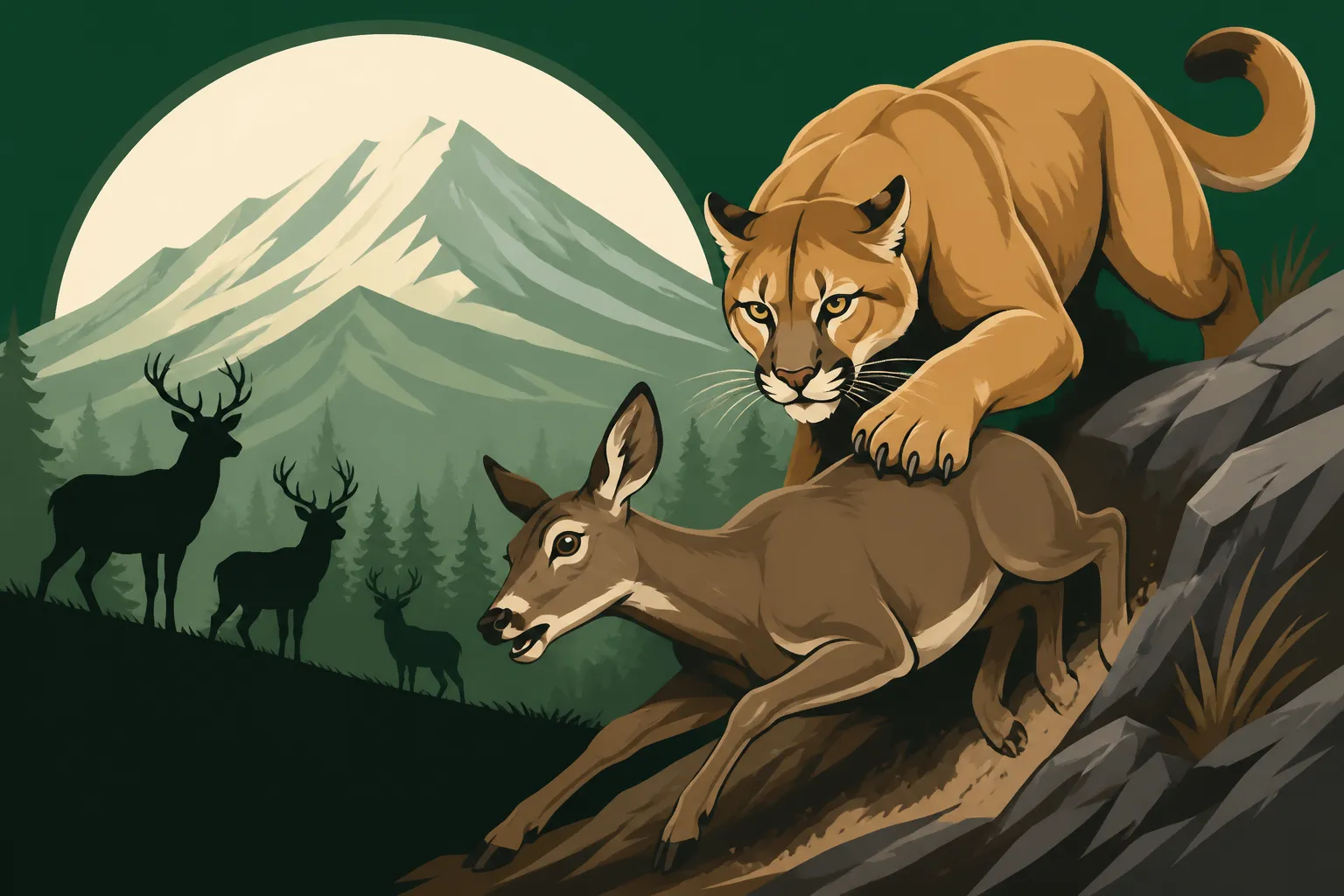
Cougars are quintessential ambush predators. They rely on stealth, powerful bursts of speed, and incredible agility to take down prey much larger than themselves. Unlike wolves, who often pursue prey over long distances in packs, a cougar's hunt is typically a short, explosive affair. They stalk, get close, and then pounce, aiming for a swift, lethal bite to the neck. Their prey selection is often strategic; they tend to target the most vulnerable animals – the young, the old, the sick, or those weakened by harsh conditions. This isn't just about ease of capture; it's a critical ecological function that helps to cull less fit individuals from a herd, strengthening the overall genetic health and resilience of the prey population. While healthy, prime-age deer can and do fall victim, a significant portion of a cougar's diet often consists of deer that might not have survived long anyway. This natural selection process is often overlooked when hunters only focus on "lost" deer.
The Role of Whitetails and Mule Deer in Cougar Diets
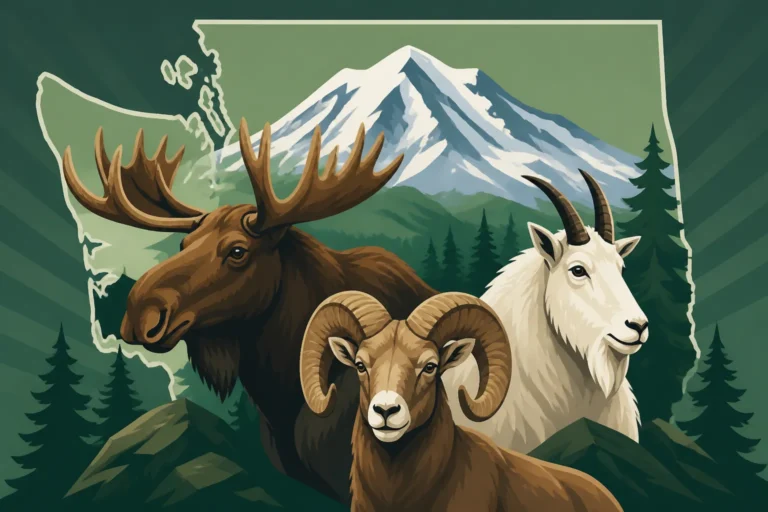
Deer, specifically Columbian Blacktails in Western Washington, Mule Deer in the central and eastern regions, and White-tailed Deer predominantly in the northeast, form the cornerstone of a cougar's diet across Washington. However, their diet isn't exclusive to deer. Cougars are opportunistic predators and will take whatever is most available and easiest to catch. In areas where elk calf numbers are high, especially during the spring drop, young elk can become a significant food source. Similarly, bighorn sheep lambs, mountain goats, and even smaller mammals like coyotes or raccoons can supplement their meals.
The specific deer species that dominates a cougar's diet will largely depend on the local ecosystem. In the dense conifer forests of northeast Washington, where White-tailed Deer populations are strong, whitetails are a primary target. Further west, in the sagebrush and timber country, Mule Deer are common prey. On the Olympic Peninsula and along the western slopes of the Cascades, Blacktail Deer bear the brunt of cougar predation. A single cougar can kill a significant number of deer each year. While there's no precise annual kill count, estimates for What a Cougar Kills in a Year typically range from 30 to 50 large prey animals, with deer being the most frequent target. This consistent predation pressure helps regulate deer numbers and ensures that strong, healthy individuals contribute to future generations.
Impact on Washington Deer Herds: Fact Versus Perception
It's natural for hunters to worry about cougars when deer numbers seem down. We spend countless hours in the field, observing changes, and it can feel like a direct correlation. However, the reality of cougar impact is often more nuanced than a simple equation of "more cougars equals fewer deer."
How Predation Affects Deer Numbers Regionally
Cougar predation absolutely affects deer populations, but its impact is rarely uniform across the entire state. In some localized areas, particularly those with high cougar densities and already stressed deer populations (perhaps due to poor habitat, disease, or harsh winters), predation can certainly be a limiting factor, potentially slowing herd growth or even causing declines. A hunter might spend days glassing a specific basin and notice significantly fewer mule deer than in previous years, attributing it directly to cougar activity. And sometimes, they’d be right.
However, statewide, cougar predation is typically just one piece of a much larger puzzle. WDFW biologists look at numerous factors: habitat quality (is there enough forage, escape cover, and fawning areas?), weather patterns (are winters severe, causing high mortality?), human hunting pressure (are too many does being harvested?), and disease outbreaks (like Blue Tongue Outbreaks in Washington Deer). When deer herds are otherwise healthy and habitat is good, they can often absorb the losses to cougars without a significant long-term impact on the overall population trend. The specific influence of predation is highly regional and dependent on these other variables.
Deer Herd Resilience and Compensatory Mortality
Deer are remarkably resilient animals, and their populations have evolved over millennia to cope with natural predators like cougars. This resilience is often understood through the concept of "compensatory mortality." Essentially, many of the deer taken by cougars are individuals that would likely have died anyway from other causes, such as starvation, disease, or severe weather. Cougars primarily target the weakest, and by removing these individuals, they actually help prevent the spread of disease and reduce competition for resources among the surviving, healthier deer.
For example, a fawn that is born weak or whose mother is in poor condition might struggle to survive its first winter. If a cougar takes that fawn, it’s a form of mortality, but it’s compensating for another form of mortality that might have occurred later. This doesn't mean every cougar kill is a "doomed" animal, but it does mean that predation often has a less dramatic effect on overall herd numbers than many people assume, especially in a healthy ecosystem. We see similar dynamics with Mule Deer Fawn Recruitment and Elk Calf Survival and Predation, where robust populations can often bounce back from natural losses.
The Hunter's Perspective: Seeing Fewer Deer and Blaming Predators
When you’re out in the field, putting in the miles, and not seeing the deer you expect, it’s easy to get frustrated. This frustration often leads to a natural inclination to identify a clear culprit, and cougars are frequently top of the list.
Local Observations and Hunter Frustrations
Every hunter has a story about finding a cougar kill, seeing fresh tracks everywhere, or just not seeing any deer in an area that used to be productive. These personal observations are powerful, and they understandably lead to the conclusion that cougars are overpopulating and decimating local deer herds. It’s hard to ignore the feeling that your favorite hunting grounds are becoming a cougar sanctuary rather than a deer haven. The sight of multiple cougar tracks in fresh snow in a specific drainage can definitely make you question whether there are any deer left. This feeling of declining deer numbers, coupled with increased predator sign, can be incredibly disheartening, especially for those who cherish Washington’s hunting heritage. Many hunters turn to community forums and resources like GoHunt to share these observations, discuss local deer trends, and try to make sense of what they're seeing on the ground. This sharing of information, while valuable for local insights, sometimes reinforces the perception that predation is the sole cause of declining deer.
Other Factors Influencing Deer Populations Beyond Predation
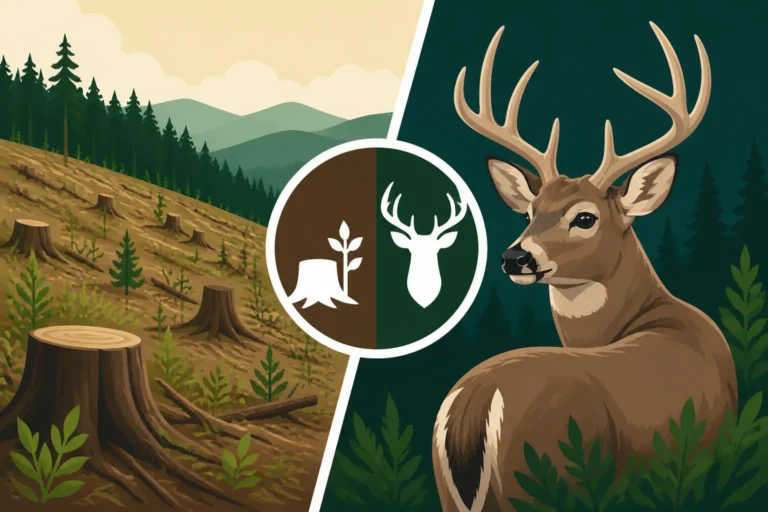
While cougar predation is a factor, it’s rarely the only, or even the primary, reason for declining deer numbers across broader landscapes. Deer populations are incredibly sensitive to a myriad of environmental conditions. Habitat loss due to development, logging practices that reduce forage and cover, and the spread of invasive species can all significantly impact deer. Severe winters, especially on the Eastside, can lead to widespread starvation and increased vulnerability to disease. For instance, Mild Winters and Washington Elk Numbers often correlate with higher survival rates, but the opposite is true for harsh winters.
Diseases like Epizootic Hemorrhagic Disease (EHD) or Blue Tongue, which often flare up in warmer, drier years, can decimate local populations quickly. Human factors also play a huge role, from increased vehicle collisions on expanding road networks to habitat fragmentation. Even hunting pressure itself, if not managed carefully by WDFW, can contribute to localized declines, especially if too many does are harvested. It’s a complex web, and focusing solely on cougar predation, while understandable from a hunter’s immediate perspective, can overshadow these other critical elements that influence deer herd health and numbers.
| Factor Affecting Deer Populations | Description & Impact |
|---|---|
| Cougar Predation | Natural culling of vulnerable deer; generally impacts local numbers more than statewide. Contributes to herd health by removing weaker individuals. |
| Habitat Quality | Availability of forage (food), water, and cover (shelter/escape). Poor habitat leads to lower deer density and reduced fawn survival. |
| Severe Weather (Winter) | Deep snow and prolonged cold can lead to starvation, increased stress, and higher mortality rates, especially for fawns and older deer. |
| Disease Outbreaks | Illnesses like EHD/Blue Tongue can rapidly reduce local populations, especially in stressed herds. |
| Human Development | Loss of habitat due to urbanization, agriculture, and infrastructure. Increases fragmentation and vehicle collisions. |
| Hunting Pressure | If not properly managed by WDFW, excessive harvest (especially of does) can impact herd growth and overall numbers. |
| Vehicle Collisions | A significant cause of deer mortality, particularly in areas with high traffic volume intersecting migration corridors. |
WDFW Management Strategies and Public Input
Balancing predator populations with prey species and human interests is a constant challenge for wildlife managers. WDFW's approach to cougars is multi-faceted, aiming to maintain healthy ecosystems while also addressing public safety and hunter concerns.
Current Cougar Management Goals in Washington
The WDFW manages cougar populations with several key objectives in mind. First and foremost is maintaining a healthy, viable cougar population throughout their natural range in Washington. Cougars are native apex predators, playing a vital ecological role, and their presence indicates a robust ecosystem. Secondly, WDFW aims to minimize conflicts between cougars and humans, which includes reducing depredation on livestock and ensuring public safety. This often involves targeted management actions in areas with high conflict. Lastly, their management considers the impact of cougars on prey populations like deer and elk, striving for a balance that allows both predator and prey to thrive. This balancing act is precisely why WDFW conducts ongoing research, collects harvest data, and adjusts management frameworks, including season lengths and harvest guidelines, based on the best available science and public input. It's not about eradication, but about sustainable coexistence. For many hunters, understanding Washington Cougar Season and Harvest Guidelines is key to participating in this management.
Hunter Harvest as a Management Tool
Hunter harvest is a crucial tool in WDFW's cougar management strategy. By issuing cougar tags, the department allows regulated hunting to help manage population levels. This is particularly important in areas where cougar densities are high, or where there are documented conflicts with livestock or a perceived negative impact on local deer and elk herds. The general cougar season often runs concurrent with other big game seasons, and additional harvest guidelines are put in place, such as those that close specific Game Management Units (GMUs) once a certain number of female cougars have been harvested. This helps prevent overharvest of breeding females, ensuring the population remains stable.
For hunters, participating in cougar season isn't just about the challenge; it's a direct contribution to wildlife management. While the use of hounds for cougar hunting was banned by Initiative 655 in 1996, strategies like calling and still-hunting remain viable methods. Knowing how to engage in Cougar Hunting in Washington After the Hound Ban means understanding these ethical and legal approaches. Hunters on platforms like GoHunt often discuss these strategies and the current WDFW regulations, playing an active role in local cougar management conversations.
Living with Predators: Coexistence and Conservation
Ultimately, cougars are a part of Washington's wild fabric. Learning to coexist, understanding their ecological benefits, and taking proactive measures are all part of being responsible inhabitants of this incredible state.
Protecting Livestock and Domestic Animals
For those living in rural areas or near cougar habitat, coexistence often means taking proactive steps to protect domestic animals. Cougars are opportunistic, and an easy meal from a pen of chickens, a goat, or even an unsupervised pet can be irresistible. Secure enclosures for livestock, often reinforced with woven wire or electric fencing, are essential, especially at night. Bringing pets indoors or securing them in robust kennels at dusk and throughout the night significantly reduces their vulnerability. Bright lights, motion-activated alarms, and even guard animals like llamas or certain dog breeds can act as deterrents. WDFW offers resources and guidance on how to minimize human-wildlife conflict, often working with landowners to implement these preventative measures. It’s about making your property less attractive or accessible to a hungry cougar, thereby reducing the chances of a negative encounter and promoting overall coexistence.
The Ecological Role of Cougars in Washington
Beyond the debates about deer numbers, it’s critical to remember the invaluable ecological role that cougars play as apex predators in Washington's ecosystems. They are nature's quality control, helping to maintain healthy ungulate populations by culling the weak, old, or diseased animals. This natural selection process not only strengthens the genetics of deer and elk herds over time but also helps prevent overgrazing, which can degrade habitat for many other species. By regulating prey numbers, cougars contribute to the overall biodiversity and health of the forest and mountain environments. Without these top predators, ecosystems can become unbalanced, leading to potential overpopulation of prey species, increased disease transmission, and habitat degradation. Their presence is a sign of a healthy, functioning wild system, and ensuring their long-term survival is a cornerstone of responsible wildlife conservation in Washington.
Disclaimer
Please note that hunting regulations, seasons, and access rules can change frequently. Always consult the latest Washington Department of Fish and Wildlife (WDFW) hunting pamphlets and regulations before planning any hunt. This guide is for informational purposes only and does not supersede official WDFW regulations.