Blue Tongue Outbreaks in Washington Deer
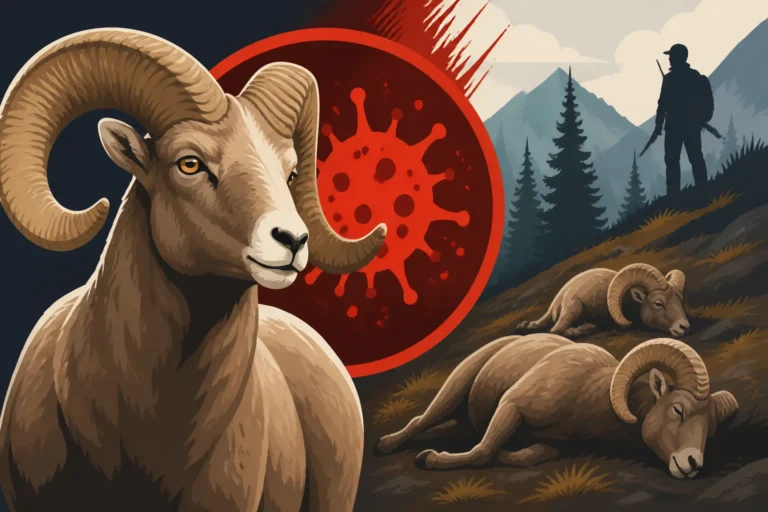
Seeing a sick or deceased deer in the field is always a gut punch, especially when you're out there trying to connect with nature and perhaps fill your freezer. It raises immediate questions: What's wrong with it? Is it safe to be around? And what does this mean for the rest of the herd and our hunting seasons? This guide aims to shed light on Blue Tongue outbreaks in Washington deer, helping you understand this disease, recognize its signs, and know what to do if you encounter it.
Understanding Blue Tongue Disease in Washington Deer
Blue Tongue, often abbreviated as BT, is a viral disease primarily affecting ruminants like deer, sheep, and cattle. While it's known to occur in domestic livestock, hunters in Washington are most concerned about its impact on our wild deer populations, particularly mule deer and white-tailed deer in the warmer, drier parts of the state. It's not a new phenomenon, but outbreaks can fluctuate in severity and location, leaving many hunters scratching their heads about what's really going on.
The disease itself isn't directly passed from deer to deer. Instead, it relies on a tiny, winged vector: biting midges, often called "no-see-ums." These little bloodsuckers pick up the virus from an infected animal and then transmit it to others when they feed. This means the disease is most prevalent when midge populations are high, usually during late summer and early fall, particularly after warm, wet springs that create ideal breeding conditions for these insects. As temperatures drop and frosts arrive, the midge population dwindles, effectively halting new transmissions. This natural cycle means outbreaks tend to be seasonal, hitting hard and then disappearing with the cold weather.
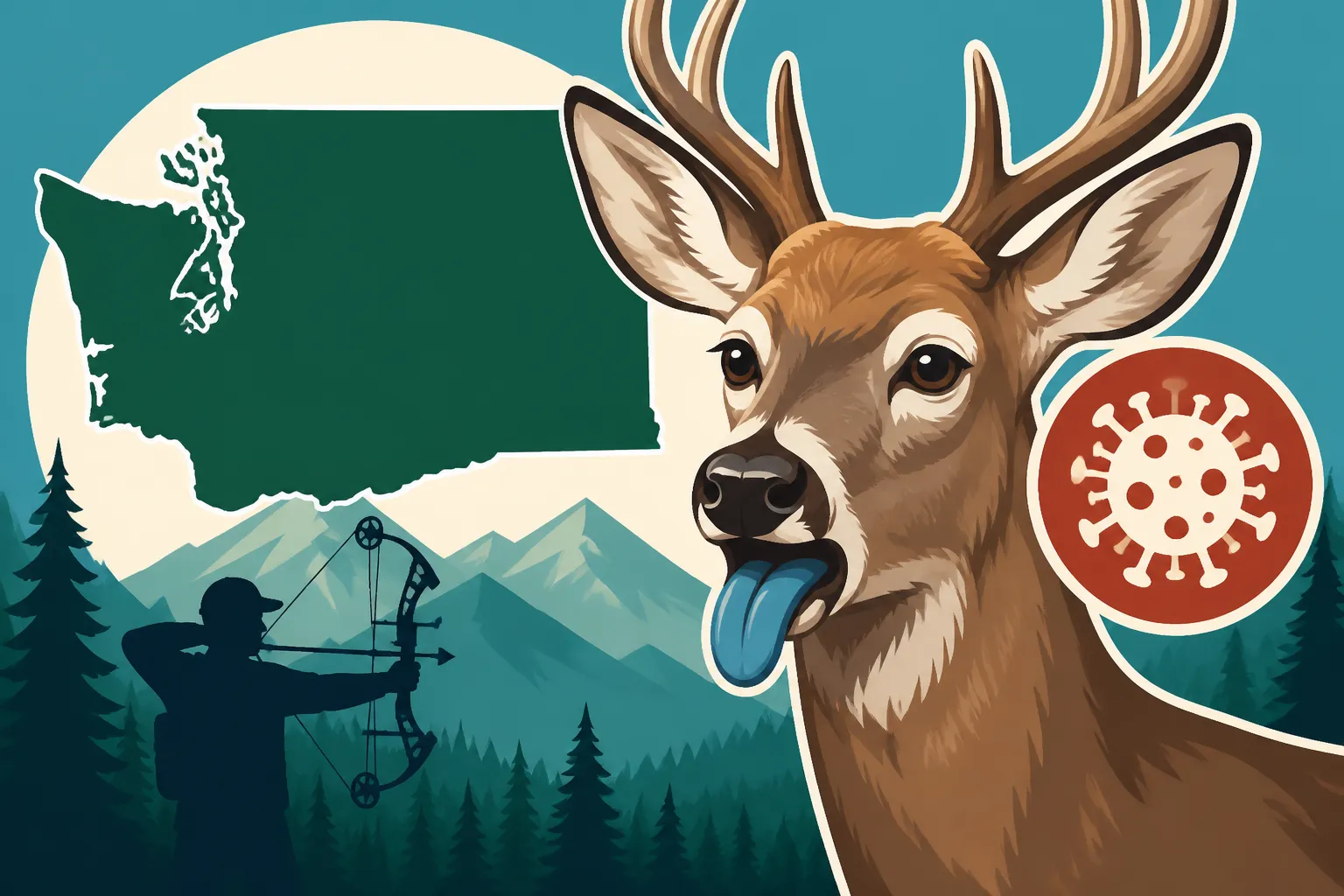
For us hunters, this seasonal nature is important. You might hear whispers of a bad year for Blue Tongue during the archery season, but by the time modern firearm seasons roll around in late October or November, the active transmission period is generally over. The deer that survived have either fought off the infection or developed immunity, and those that succumbed are long gone. It's a harsh reality of wildlife management, but understanding the mechanisms behind it helps temper some of the initial alarm when you first encounter evidence of the disease.
How Blue Tongue Affects Deer and Its Common Symptoms
Blue Tongue is particularly nasty because it attacks the lining of blood vessels. For deer, especially certain species, this can be devastating. Mule deer and white-tailed deer are highly susceptible, often showing severe symptoms and having a high mortality rate if infected. While elk can carry the virus, they typically don't show clinical signs or experience widespread die-offs from it, which is a small relief for our robust elk herds. This difference in susceptibility means that when we talk about Blue Tongue in Washington, our focus is almost entirely on the deer.
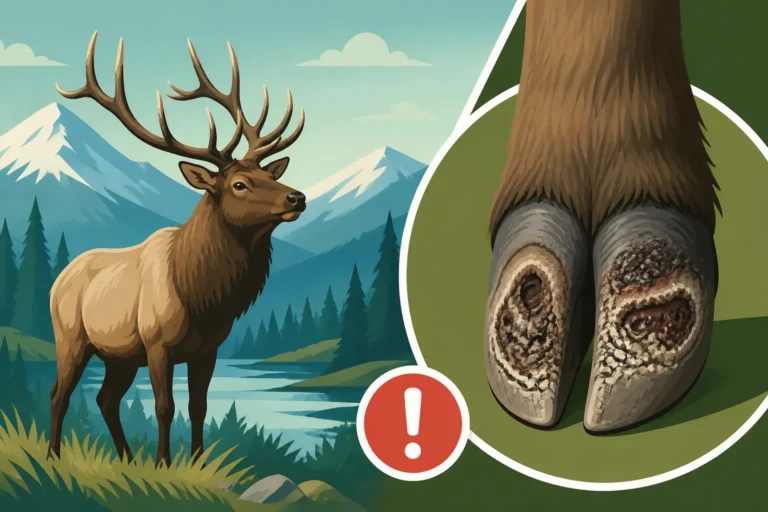
The most noticeable symptoms are often related to swelling and hemorrhaging. Deer might appear lethargic, have a high fever, and struggle to breathe. Their mouths, tongues, and noses can become swollen and appear bluish, hence the name "Blue Tongue." You might see excessive drooling or foaming at the mouth. Their eyelids can swell, making their eyes look sunken or inflamed. As the disease progresses, they might develop ulcers or sores on their mouths, tongues, and even on their feet, leading to lameness.
The Stages of Blue Tongue Progression
The disease progresses relatively quickly, often over a week or two, and can manifest in several stages, each with its own set of visual cues. It's not a pretty sight, and it can be quite distressing to see an animal suffering like this.
- Early Stage: In the beginning, a deer might just seem a bit "off." You could notice them standing alone, appearing disoriented or less alert than usual. A subtle cough or laboured breathing might be the first real clue. They might shy away from food, losing interest in grazing, even if prime forage is available.
- Acute Stage: This is when the classic, more severe symptoms appear. The swollen tongue, mouth, and face become pronounced. You might see a discharge from the nose or eyes. They'll likely be extremely weak, possibly staggering or unable to stand properly. The lameness becomes more evident as their hooves can become sore or even slough off in severe cases. They often seek water, possibly due to the fever and dehydration caused by the inability to eat or drink comfortably. This is often where hunters find them, sometimes near water sources.
- Fatal Stage: Many deer in the acute stage will succumb to the disease within days. They might die from severe organ damage, secondary infections, or simply from dehydration and starvation because they can't eat or drink. Sometimes, they simply drown if they enter water in their weakened state. For those that survive, a long recovery can follow, with some showing permanent hoof deformities or other lasting effects.
Understanding these stages can help you identify a potential Blue Tongue case in the field, not just by finding a carcass, but by observing a live, ailing animal. Always remember to maintain a respectful distance from any sick animal you encounter.
What to Do If You Encounter a Sick or Dead Deer
Finding a deer that's clearly suffering from Blue Tongue, or coming across a carcass that shows the tell-tale signs, can be unsettling. Your immediate instinct might be to help, but it's crucial to understand the proper protocols to ensure your safety and contribute to wildlife management efforts. While Blue Tongue doesn't affect humans, it's still best to approach any sick or dead wild animal with caution.
Reporting Sightings to WDFW
The most important thing you can do is report your findings to the Washington Department of Fish and Wildlife (WDFW). They track disease outbreaks to monitor herd health and understand the geographical spread and severity. Your report provides crucial data that helps them in their Washington Wildlife Disease Surveillance efforts.
- What to Report: Provide as much detail as possible. Note the exact location (GPS coordinates if you have them, or a detailed description of landmarks), the date and time of your sighting, the number of affected animals, and a description of their symptoms or the condition of the carcass.
- How to Report: WDFW usually has an online reporting tool or a regional office phone number for wildlife observations. Check their website for the most current contact information. This is where tools like GoHunt maps can be super helpful, allowing you to easily pinpoint and screenshot your exact location for the report.
- Why it Matters: Even if you think WDFW might already know about an outbreak, every report helps. It confirms the extent, allows biologists to potentially investigate further, and informs their management decisions for future hunting seasons.
Handling Carcasses and Safety Precautions
While Blue Tongue is not transmissible to humans, it's always wise to practice good hygiene when handling any wild animal, especially if it appears sick. Other diseases or bacteria could be present.
- Do Not Handle Sick Animals: Never try to capture or treat a sick wild deer. It's dangerous for both you and the animal, and stress can worsen their condition.
- No Consumption of Sick or Recently Deceased Animals: If you find a deer that has clearly died from Blue Tongue or appears actively sick, do not consume the meat. While the virus doesn't affect humans, the animal's weakened state could have led to other bacterial infections. It's simply not worth the risk. Always err on the side of caution.
- Field Dressing Healthy Animals: If you harvest a deer and then notice internal abnormalities (like hemorrhaging in the chest cavity or around organs) that resemble Blue Tongue, it's best to contact WDFW for guidance. However, if the deer appeared healthy and exhibited no external signs of illness, the meat is generally safe to consume, provided it is properly handled and cooked. Many deer exposed to the virus recover and show no lasting effects, making them perfectly fine for harvest. You can always ask WDFW about CWD Testing and Carcass Rules if you have concerns, though Blue Tongue is a different issue than CWD.
- Carcass Disposal: If you find a carcass in a location where it poses a risk (e.g., near a trail, water source, or residential area), WDFW may advise on proper disposal. Otherwise, nature will typically take its course, and scavengers will handle the remains. Avoid moving or disturbing carcasses unnecessarily.
The Broader Impact on Washington Deer Populations and Hunting
Outbreaks of Blue Tongue can certainly be disheartening for hunters and wildlife enthusiasts. When you see deer suffering, or find multiple carcasses, it's natural to worry about the long-term health of the herd and the future of hunting opportunities. However, it's important to put these events into perspective within the larger ecological picture of Washington's Ten Major Elk Herds and deer populations.
Short-Term Impacts: Localized Losses
In the short term, a severe Blue Tongue outbreak can lead to significant localized deer mortality. This is most often observed in specific areas or GMUs where conditions for the midges and susceptible deer populations align perfectly. This can lead to a noticeable drop in deer numbers in those particular areas for a season or two. For instance, if you're used to seeing a healthy population of Mule Deer Numbers in Eastern Washington or Whitetail Numbers in Northeast Washington in your favorite hunting grounds, a major die-off can be startling.
This isn't necessarily a statewide crisis, but rather a regional phenomenon. WDFW biologists monitor these local impacts closely. They use data from hunter reports, aerial surveys, and field observations (part of How WDFW Counts Big Game) to assess the severity and adjust management strategies if needed. For example, they might adjust permit numbers for Washington's Three-Point Minimum Units or antlerless tags in heavily affected units to allow the population to recover.
Long-Term Resilience: Deer Population Recovery
The good news is that deer populations are generally quite resilient. While a severe outbreak can cause a temporary dip, especially in fawn recruitment or the number of mature bucks, populations often rebound relatively quickly over a few years.
- Natural Immunity: Deer that survive an outbreak develop antibodies and immunity to the specific strain of the Blue Tongue virus, meaning they are less likely to succumb to it in future years.
- Reproductive Capacity: Deer are prolific breeders. A healthy doe can produce one to two fawns annually, allowing populations to recover numbers over a few breeding seasons, provided other factors like habitat and predation remain stable. This is especially true where Mule Deer Fawn Recruitment is strong.
- Habitat Quality: If the habitat is healthy and provides ample food and cover, the deer herd is generally stronger and better equipped to withstand disease pressures. Protecting Mule Deer Winter Range and Survival or preventing Washington Winter Range Closures That End Late Hunts are ongoing efforts that help overall deer health.
While Blue Tongue is a concern, it's often a natural, self-limiting event that our deer populations have faced for a long time. It typically doesn't wipe out entire species or herds in the way that, say, Chronic Wasting Disease (CWD) might if it ever took hold in Washington, which is why Chronic Wasting Disease in Washington remains a much higher concern for long-term herd health.
What This Means for Hunters
For us hunters, Blue Tongue outbreaks mean a few things. First, it's a reminder to be observant in the field. Not just for game, but for signs of illness. Second, it underscores the importance of reporting anything unusual to WDFW. This active participation from the hunting community is invaluable.
If you plan to hunt an area known to have had an outbreak, it's wise to check WDFW's recent reports. They often post updates on their website or in their annual hunting pamphlets. Don't be surprised if you see fewer deer than usual in a specific unit for a year or two following a severe outbreak. However, areas often recover, and the hunting can return to normal. Some hunters even find that a temporary reduction in numbers leads to less hunting pressure later on. Always use resources like GoHunt to cross-reference GMU data and look for any reported changes in herd dynamics from fellow hunters or WDFW updates.
Ultimately, Blue Tongue is a part of the natural ecosystem, and while tough to witness, it's a process our wildlife endures. Our role as ethical hunters and conservationists is to be informed, report what we see, and continue to support sound wildlife management practices that ensure the long-term health of Washington's incredible deer herds.
Disclaimer
This article is for general informational purposes only and does not constitute professional advice. Laws, prices and regulations vary by location and change over time. Consult a qualified professional for guidance on your specific situation.