Mule Deer Fawn Recruitment
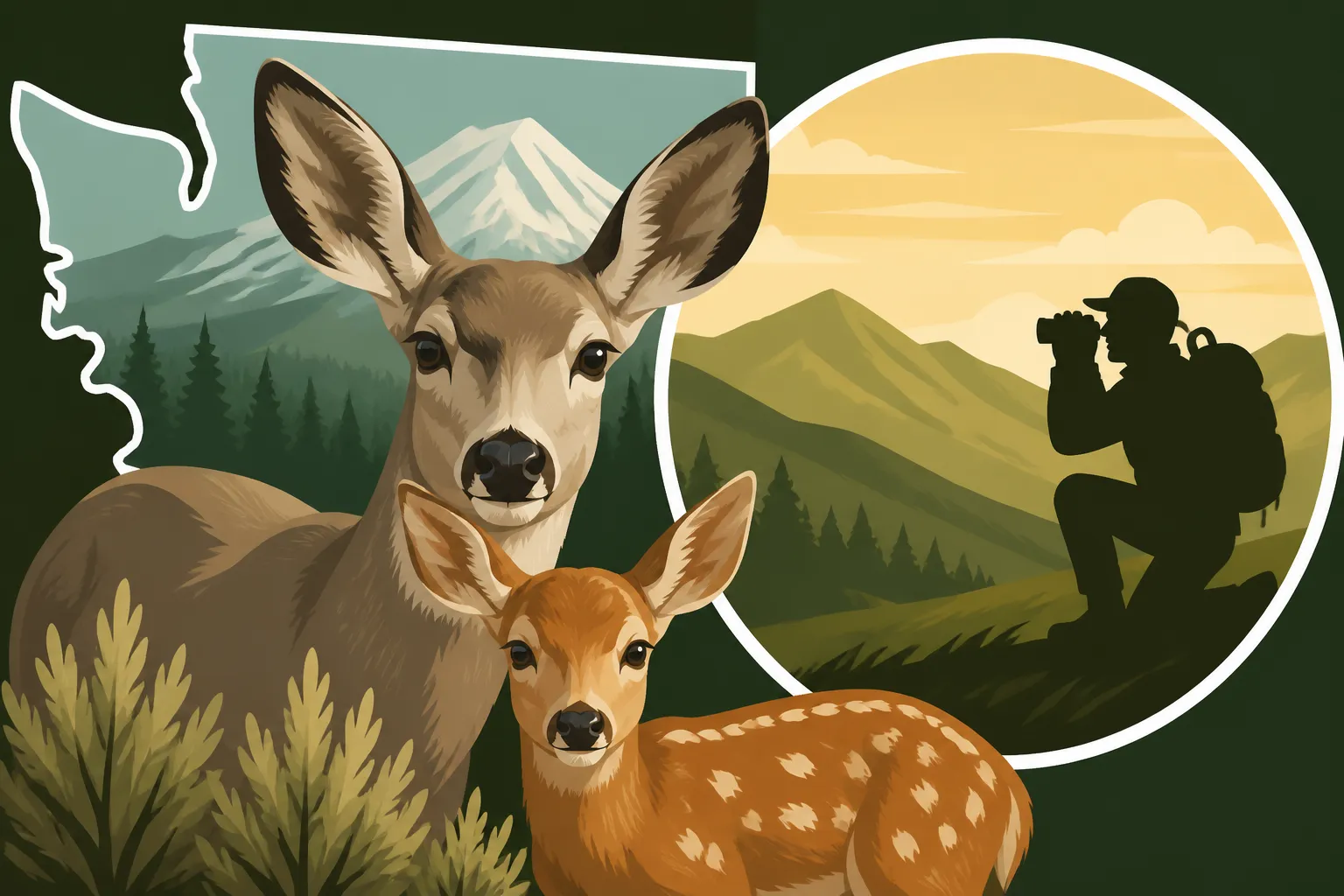
One of the most disheartening things for a Washington mule deer hunter is to scout your favorite eastern Washington draws and see a distinct lack of young deer. You know what that means: a tough season now, and even tougher ones in the years to come. Understanding mule deer fawn recruitment, or the number of fawns that survive to their first hunting season, is absolutely crucial for the health of our herds and the future of our hunting opportunities. This guide will break down what fawn recruitment means, the many challenges these little deer face, and how it all impacts your hunting experience.
What is Fawn Recruitment and Why It Matters to Hunters
When we talk about fawn recruitment, we're not just discussing how many fawns are born in a given year. That's the natality rate. Recruitment specifically refers to the proportion of fawns born that actually survive through their first few months, often up to the point they're ready to be counted as part of the deer population in late summer or early fall. Think of it as the ultimate report card for the health and resilience of a mule deer herd. A high recruitment rate means a robust, growing population, while a low rate can signal trouble on the horizon.
For hunters, this isn't just an academic number. It directly translates to the bucks you'll be pursuing in future seasons. If a certain year has poor fawn recruitment, that means fewer yearling bucks the following year, and fewer mature bucks several years down the line. It's a cyclical process, and understanding it helps us appreciate the fragility of these wild populations. We all want to see healthy, thriving herds when we're out glassing the breaks of eastern Washington, and recruitment is the pulse of that health. It’s a tangible reflection of whether the habitat is sustaining them, whether predation is balanced, and if the overall ecosystem is working in their favor. When you pour over maps on GoHunt or scout a new area, knowing the general recruitment trends for that specific unit can give you a significant edge in predicting future success.
Imagine hunting an area where you consistently see healthy does with twin fawns in July and August. That’s a good sign! It tells you that the does are well-nourished, the fawns have decent cover, and the local conditions are favorable for survival. Conversely, if you're seeing only a few fawns, or does without any young, it's a quiet alarm bell. This understanding can temper expectations for upcoming seasons and even help you prioritize which GMUs to focus your hunting efforts on. It helps us see the bigger picture beyond just what's standing in front of us right now.
Factors Influencing Mule Deer Fawn Survival in Washington
Mule deer fawns in Washington face a gauntlet of challenges from the moment they drop, and understanding these factors is key to appreciating the complexities of herd management and the challenges our deer face. It’s a delicate balance, and often, several factors interact to create a particularly tough year for the little guys.
Predation Pressure
Predators are a natural and essential part of the ecosystem, but their impact on fawn survival can be substantial. Coyotes are particularly adept at finding and preying on newborn fawns, especially in open country where cover is sparse. A large, healthy coyote population can put significant pressure on fawn numbers. Cougars also take a toll, though perhaps less on newborns and more on slightly older fawns and deer in general. In some areas, black bears will opportunistically prey on fawns, and while less common, wolves are present in certain eastern Washington regions and will certainly include fawns in their diet.
The level of predation isn't constant; it fluctuates with predator populations, habitat conditions, and the health of other prey species. For example, if small game like rabbits or rodents are scarce, coyotes might turn more attention to fawns. Hunters often feel a direct impact when predator numbers seem high in their favorite hunting spots, recognizing that every fawn lost to a predator is a potential future buck that won't make it to their crosshairs. This dynamic is a constant point of discussion among hunters, and it’s a valid concern when you're hoping for strong deer numbers.
Habitat Quality and Nutrition
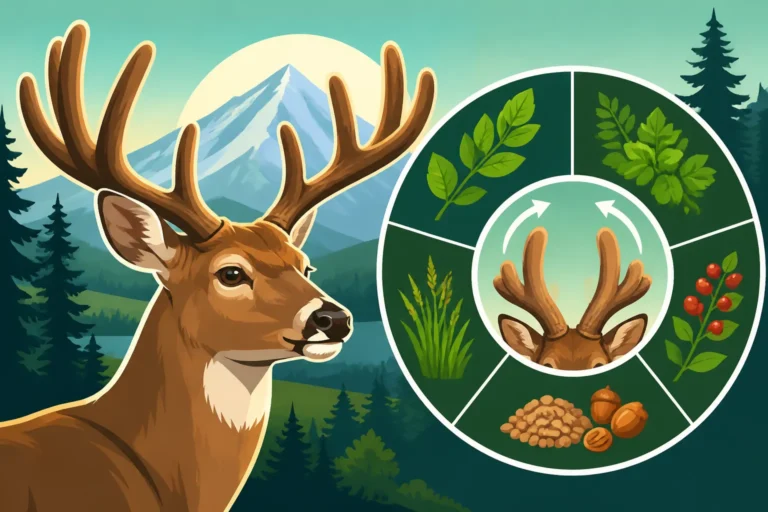
The health and nutrition of the pregnant doe are paramount to fawn survival. Does that enter winter in good condition and have access to high-quality forage throughout gestation are more likely to give birth to healthy, robust fawns, often twins, who have a better chance of survival. Conversely, a doe struggling through a tough winter or poor summer range might give birth to a single, weaker fawn, or even lose a fawn shortly after birth due to complications or inadequate milk production. The quality of Mule Deer Winter Range and Survival is especially critical.
Beyond the doe's condition, the habitat itself must provide adequate cover for fawns to hide from predators. Tall grasses, dense brush, or rocky outcroppings offer essential camouflage for the first few weeks of a fawn's life when they are most vulnerable. Areas with fragmented habitat or widespread clearcuts that lack sufficient hiding spots can see lower fawn survival rates. What a doe eats affects her milk, which directly fuels the fawns' rapid growth in their first few months, helping them get strong and fast enough to evade threats. When you're scouting or looking at satellite imagery on tools like GoHunt, pay attention to these details – the mix of browse, forbs, and secure cover tells a story about the local deer's potential.
Environmental Conditions and Weather
Mother Nature plays a huge role in fawn recruitment. Harsh winters with deep, prolonged snow can weaken does to the point where they struggle to carry fawns to term or provide sufficient care after birth. A late, cold spring can also be detrimental, as fawns are born without much fat reserves and are highly susceptible to hypothermia. Even summer conditions matter; prolonged drought can reduce the availability of succulent forage, impacting both the doe's milk production and the fawns' ability to thrive.
The timing of these events is critical. A mild winter followed by a good spring generally leads to better fawn crops. However, an unseasonably cold snap in May or June, right when fawns are most vulnerable, can decimate a year's recruitment. These weather events are completely outside of human control, and hunters often feel this frustration keenly when a promising year turns sour due to a late-season storm or an exceptionally dry summer. They are a stark reminder of how fragile life in the wild can be and why Elk Behavior in Deep Snow or even deer behavior in similar conditions is so impacted.
Disease and Human Impact
While less frequently a primary driver of widespread fawn recruitment issues compared to predation or weather, diseases like EHD (Epizootic Hemorrhagic Disease) or Blue Tongue can, in localized outbreaks, impact deer populations, including fawns directly or by weakening does. Chronic Wasting Disease (CWD), though not yet detected in Washington, is a looming threat that could impact deer health and survival across all age classes if it were to arrive.
Human activities also play a part. Road construction, housing development, and increased recreational pressure can fragment habitats, reduce crucial fawning cover, and increase fawn mortality through collisions or disturbance. While Washington's wildlife agencies work hard to mitigate these impacts, the expanding human footprint inevitably adds another layer of challenge for mule deer fawns. Understanding these broad factors helps us appreciate the complexity of wildlife management and why strong advocacy for habitat conservation is so important.
How WDFW Monitors Fawn Recruitment
It’s easy for us hunters to speculate about deer numbers based on what we see (or don't see) in the field, but the Washington Department of Fish and Wildlife (WDFW) relies on a combination of scientific methods to get a more accurate picture of fawn recruitment. This data is absolutely vital for setting hunting seasons, managing herd health, and ensuring sustainable hunting opportunities for years to come.
Aerial and Ground Surveys
One of the primary methods WDFW uses is aerial surveys. Wildlife biologists fly helicopters or fixed-wing aircraft over specific Game Management Units (GMUs), particularly in winter or early spring, to count deer. They categorize what they see into bucks, does, and fawns. From this, they calculate a fawn-to-doe ratio, which is a key indicator of recruitment. For example, if they count 60 fawns for every 100 does, that tells them a lot about the health of that specific herd. These surveys are often concentrated in winter range areas where deer congregate, making them easier to count.
However, aerial surveys aren't without their challenges. They're expensive, weather-dependent (you can't fly in heavy fog or snow), and can be impacted by deer visibility in dense cover. To supplement this, ground surveys are also conducted, often in specific study areas. Teams might drive established routes or hike through designated transects, counting deer and categorizing them. These efforts provide valuable on-the-ground confirmation and can offer more detailed observations about deer condition and habitat use.
Remote Cameras and Research Projects
Trail cameras have become an increasingly valuable tool for wildlife managers, just as they are for hunters. WDFW might deploy networks of remote cameras in specific study areas to monitor deer movement, behavior, and herd composition throughout the year. While not as precise for large-scale counts as aerial surveys, these cameras provide continuous data, documenting fawn presence and survival trends in specific locations without disturbing the animals. This can be especially useful in areas with difficult terrain or dense vegetation where direct observation is challenging.
Beyond general surveys, WDFW also conducts more intensive research projects. This might involve capturing and collaring a sample of does and their fawns to track survival rates, monitor movements, and identify causes of mortality. These detailed studies provide invaluable insights into why fawns are or aren't surviving, helping to pinpoint specific threats like a local increase in predator activity or a decline in crucial forage. By investing in these research efforts, WDFW gains a deeper understanding of the complex factors affecting mule deer. Many of these projects are detailed in WDFW's big game pamphlets, which you can easily find online or through resources like GoHunt.
Harvest Data and Long-Term Trends
While direct fawn counts are crucial, harvest data from hunters also provides indirect information about recruitment. When hunters report their harvests to WDFW, that data, over many years, helps biologists understand population trends. If harvest numbers for yearling bucks decline significantly two years after a poor recruitment year, it confirms the initial survey data. Conversely, a strong recruitment year will eventually manifest in higher buck harvests a few years down the line. That's why Washington Harvest Reporting Requirements are so important, even when you're just reporting an unfilled tag.
All this data is then used to identify long-term trends. Are fawn recruitment rates consistently low in a particular GMU? That might trigger investigations into habitat degradation or increased predator pressure, potentially leading to management actions like habitat restoration projects or adjusted hunting seasons. Understanding these fluctuations helps WDFW make informed decisions that aim to balance hunter opportunity with the long-term health of our cherished mule deer herds.
What Hunters Can Observe and Do
As hunters, we're often the boots on the ground, spending countless hours in the field. Our observations can be incredibly valuable, and we also have a role to play in supporting healthy mule deer populations in Washington.
Field Observations and Reporting
When you're out scouting in the spring and summer, keep an eye out for fawns. Are you seeing does with twins? Are the fawns robust and energetic, or do they appear small and weak? Note the proportion of does that have fawns versus those that don't. These casual observations, while not scientific surveys, collectively paint a picture. If you're consistently seeing healthy fawns in good numbers across a unit, that's a positive sign for future seasons. If you're seeing very few, it might align with lower recruitment rates reported by WDFW.
It's also important to be aware of and report any unusual observations to WDFW, such as sick or injured deer, or significant die-offs. While not directly related to recruitment, these reports contribute to the overall health monitoring of the herd. Many hunters use apps like GoHunt to mark and track their observations, allowing them to build a personal history of what they're seeing in specific areas over time. This kind of detailed record-keeping can be incredibly insightful for your own hunting strategy, helping you identify areas that consistently produce or struggle.
Supporting Habitat Improvement Efforts
Healthy habitat is the cornerstone of strong fawn recruitment. Well-nourished does produce healthy fawns, and ample cover helps those fawns survive. Hunters can actively support habitat improvement efforts by volunteering with local conservation groups, participating in habitat restoration projects, or advocating for sound land management policies. This might involve planting native forage species, helping to thin over-dense stands of timber to promote understory growth, or ensuring critical Mule Deer Winter Range and Survival areas are protected.
Even smaller actions matter. Respecting private land, minimizing disturbance to deer, and practicing ethical land stewardship while recreating all contribute to a healthier environment for deer. Hunters are often the most passionate conservationists, and channeling that passion into tangible habitat work makes a real difference in the lives of deer, right down to the tiny fawns trying to make it through their first summer. Organizations like the Mule Deer Foundation are great resources for getting involved.
Ethical Hunting Practices and Conservation Advocacy
Choosing to harvest mature animals and passing on younger, less developed bucks (where legal and applicable) can contribute to a healthy age structure in the herd, allowing more younger bucks to mature and breed. Additionally, supporting conservation organizations and purchasing hunting licenses and tags directly contributes to WDFW's funding for wildlife management, research, and enforcement. This funding is critical for everything from aerial surveys to habitat projects.
Participating in public comment periods for WDFW rule changes or engaging with your local wildlife biologists are other ways to advocate for mule deer and ensure that management decisions are well-informed and consider the long-term health of the species. As hunters, we have a vested interest in the future of Washington's mule deer, and our actions, both in the field and through advocacy, play a vital role in ensuring strong fawn recruitment and thriving herds for generations to come. When you're out Glassing Eastern Washington Breaks for Mule Deer and see those fawns thriving, you're looking at the future of our hunting heritage.
| Factor | Impact on Fawn Recruitment | Hunter's Role/Observation |
|---|---|---|
| Predation | Direct mortality of fawns, especially by coyotes and cougars. | Observe predator sign (tracks, scat), report unusual predator activity or concentrations. |
| Habitat Quality | Provides forage for does (pre- and post-birth) and fawns. Cover for hiding. | Note forage availability, cover density; support habitat projects. Use maps to assess habitat. |
| Weather | Extreme cold, deep snow, drought can weaken does or kill fawns. | Be aware of seasonal weather impacts; adjust scouting/hunting expectations. |
| Doe Health | Condition of doe directly impacts fawn birth weight and survival. | Observe doe body condition; healthy does typically have healthy fawns. |
| Disease | Localized outbreaks can reduce fawn and adult survival. | Report sick or dead deer to WDFW promptly. |
| Human Disturbance | Roads, development, recreation can impact fawning grounds. | Minimize disturbance, respect closed areas, practice Leave No Trace. |
Leveraging Tools for Better Understanding
In today's world, technology gives us powerful tools to understand our hunting grounds better. Platforms like GoHunt provide valuable insights into hunting units, including draw odds, harvest statistics, and sometimes even herd health reports. When you're considering E-Scouting Washington GMUs Before the Draw, these resources can offer a deeper dive into historical fawn recruitment trends for specific areas. While not always directly listed, a trend of stable or increasing harvest numbers, especially of younger bucks, often correlates with good recruitment in previous years.
You can also use satellite imagery to identify areas with optimal fawning cover—dense timber patches, brushy draws, or areas with good hiding spots where does might choose to drop their fawns. Knowing Where Blacktails Bed in Reprod can even give you clues about where mule deer might also seek security. Combining WDFW's official reports with your own observations and advanced mapping tools helps you become a more informed and effective hunter and a better advocate for the species. Even considering things like Coyote Calling in Open Wheat Country can be a way for hunters to directly impact fawn survival by reducing predation pressure in specific areas.
Ultimately, understanding mule deer fawn recruitment is about more than just numbers; it's about connecting with the natural world and appreciating the incredible journey these animals undertake. Every fawn that survives to become a part of the huntable population represents a triumph of nature and a testament to effective wildlife management and conservation.
Disclaimer
This article is for general informational purposes only and does not constitute professional advice. Laws, prices and regulations vary by location and change over time. Consult a qualified professional for guidance on your specific situation.