Where Washington Mule Deer Winter
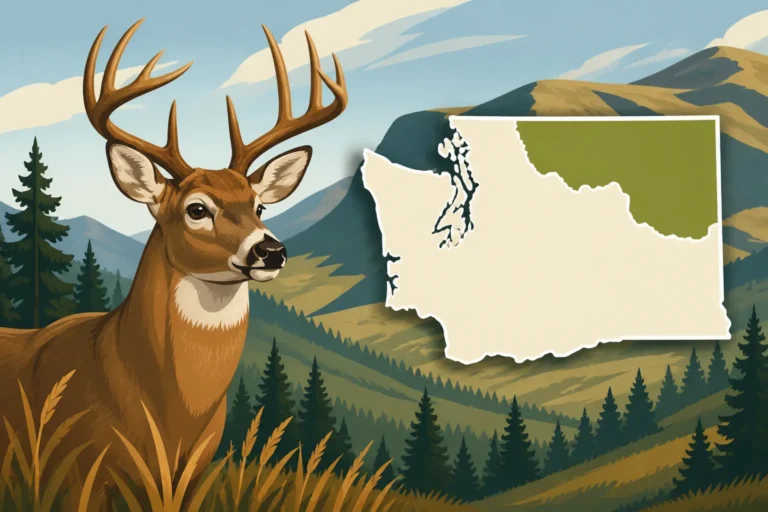
Navigating the vast landscapes of Washington for mule deer is an incredible experience, but it also comes with its unique set of challenges, especially when the seasons change. One of the biggest puzzles for many hunters is truly understanding where these magnificent animals go when the snow starts flying and the bitter winds howl. It’s not just about finding them on a map; it's about grasping the underlying behaviors and ecological factors that drive their annual movements, particularly to their critical wintering grounds. This guide aims to pull back the curtain on the mysteries of mule deer winter range in Washington, helping you understand their seasonal migrations, identify key habitats, and use this knowledge to become a more effective and ethical hunter.
The Annual Pilgrimage: Why Washington Mule Deer Move to Winter Range
When the leaves turn golden and the air takes on that crisp, biting edge, Washington's mule deer begin one of the most vital migrations of their year: the journey to their winter range. This isn't just a casual stroll; it's a deeply ingrained survival strategy, driven by instinct and the unforgiving demands of the natural world. If you've ever found yourself scratching your head, wondering where all the deer went after a heavy October snow, you're not alone. The high country that teemed with bucks during the early seasons can feel utterly devoid of life once winter sets in, and that's precisely because the deer have moved on.
Triggers for the Big Move: Snow, Cold, and Forage
The primary drivers for mule deer migration to winter range are snow depth, plummeting temperatures, and the availability of palatable forage. As snow accumulates in the higher elevations—the summer and early fall haunts of many mule deer—it progressively covers up their food sources. Imagine trying to find a decent meal when it's buried under two feet of powder! Not only does deep snow make foraging incredibly difficult, but it also expends precious energy that deer can ill-afford to lose during the lean months.
Moreover, the quality of forage changes drastically with the seasons. The lush, nutritious forbs and grasses of summer are long gone. Winter range, by its very definition, offers vegetation that is more accessible and often more digestible in colder conditions, even if it's not as protein-rich as summer browse. Bitterbrush, sagebrush, and various deciduous shrubs often become staples. This move isn't just about escape; it's about finding sustenance when options are scarce. It’s a delicate balance of conserving energy while still finding enough to eat to survive until spring.
Short Hops vs. Long Hauls: Different Migration Patterns
It's a common misconception that all mule deer undertake epic, hundreds-of-miles journeys every year. While some herds certainly do, traversing vast distances from high mountain basins to valley bottoms, many others have much shorter migration routes. Some deer might only move a few miles, dropping from a north-facing slope to a more sheltered south-facing one, or from the higher timbered ridges down to adjacent agricultural lands or river breaks.
The length and nature of the migration depend heavily on the specific geography of the Game Management Unit (GMU) and the severity of the winter. In areas with steep elevation gradients and dramatic differences in snow accumulation, deer will travel farther. In flatter or more gently rolling country, especially where food and shelter are available at various elevations, the movements might be more subtle. Understanding these localized patterns, often gained through years of observation or by studying resources like those found on E-Scouting a Washington GMU From Home, is key to predicting where deer will be at different times of the year.
Prime Winter Real Estate: Identifying Key Mule Deer Habitats
So, if they're not up in the high country, where exactly are they? Washington's mule deer winter range isn't a single type of habitat; it's a collection of areas chosen for their ability to provide critical resources during the toughest months. These locations offer a combination of accessible forage, thermal cover, and protection from harsh weather and predators. Knowing what to look for can completely change your late-season hunting success and help you pinpoint scouting locations for future seasons.
Sagebrush-Steppe and Bitterbrush Flats
Perhaps the most iconic mule deer winter habitat in Eastern Washington is the sagebrush-steppe. These expansive, often windswept landscapes, dotted with various species of sagebrush and bitterbrush, are crucial. Sagebrush retains much of its nutritional value and remains accessible above the snow, offering a consistent food source. Bitterbrush, in particular, is a favored browse, highly palatable and nutritious, especially when other options are buried.
These areas, often found in the lower elevations of the Columbia Basin, the Okanogan, and parts of the northern Blue Mountains, provide wide-open spaces where deer can move relatively freely. While they might seem exposed to the elements, the vastness allows deer to detect predators from a distance. Look for the densest patches of bitterbrush and older, healthier sage plants, especially near draws or gentle slopes that offer some windbreak. Resources like Finding Mule Deer in Wheat Stubble Edges can provide additional insights into adjacent feeding areas.
South-Facing Slopes and Open Timber
Think about standing on a cold day: where do you seek the sun? Mule deer do the same. South-facing slopes are absolute magnets for wintering deer. Why? Because these slopes receive the most direct sunlight, melting snow faster and warming the ground more effectively. This means forage becomes available sooner, and the deer can absorb radiant heat, helping them conserve precious calories. These slopes often feature a mix of open timber (Ponderosa pine or Douglas fir), bitterbrush, and various grasses, creating a mosaic of food and cover.
The open timber itself, particularly those stands with scattered trees and a relatively open understory, provides important thermal cover. It breaks the wind, intercepts snow, and can offer a slight temperature buffer. Deer will often bed down in these areas, especially where there's a good vantage point to watch for danger. When glassing, focus intensely on the sunny sides of hills and mountains, meticulously picking apart every patch of timber and every sagebrush clump. A good pair of optics, as discussed in Glassing Breaks at First Light, is indispensable here.
Riparian Zones and Agricultural Edges
River and creek bottoms, known as riparian zones, can also serve as vital wintering areas, particularly in agricultural landscapes. These areas often feature denser deciduous vegetation like willow and cottonwood, which can provide browse and thermal cover. More importantly, they are typically at lower elevations and thus experience less snow accumulation. The proximity to water is also a bonus, even if deer can get much of their moisture from snow.
The edges of agricultural fields, especially those planted with winter wheat or leftover crop residue, present another significant draw. While these aren't always traditional "winter range" in the wild sense, deer will absolutely take advantage of these readily available, high-energy food sources. Farmers often struggle with deer depredation in these areas. If you're hunting near private land, always be mindful of boundaries and respect property owners. Hunting near these transition zones, especially during late seasons, can be very productive if you have legal access. Consider leveraging tools like GoHunt's mapping features to identify these habitat types within accessible GMUs, allowing you to scout effectively.
Table: Common Mule Deer Winter Range Characteristics in Washington
| Habitat Type | Key Characteristics | Preferred Forage | Advantages for Deer | Challenges for Hunters |
|---|---|---|---|---|
| Sagebrush-Steppe | Expansive, open, windswept, low elevation | Sagebrush, Bitterbrush, junipers | Accessible forage, predator visibility, solar gain | Exposed to elements, difficult to stalk, often private land |
| South-Facing Slopes | Direct sunlight, mixed timber/brush | Grasses, browse, exposed forbs | Snow melts fast, thermal regulation, some cover | Steep terrain, scattered deer, need good glass |
| Open Timber | Scattered Ponderosa/Douglas fir, minimal understory | Pine needles (limited), lichen, browse | Thermal cover, windbreak, snow interception | Visibility can be limited, tracking in snow is key |
| Riparian Zones/Ag Edges | River bottoms, dense shrubs, crop fields | Willows, cottonwood, crops, stubble | Abundant forage, shelter, lower snow accumulation | Often private land, dense cover makes spotting hard, limited access |
Hunting the Margins: Using Winter Range Knowledge to Your Advantage
Understanding where Washington mule deer winter isn't just an academic exercise; it's a practical skill that can significantly impact your hunting and scouting strategies. Whether you're chasing a late-season buck or planning for next year's opener, knowing these patterns gives you a distinct edge.
Late-Season Opportunities: Targeting Winter Range During the Hunt
Many Washington GMUs offer late-season deer hunts, particularly for mule deer. These hunts, often held in November or December, coincide directly with the period when deer are firmly established on their winter range. This is where your knowledge truly pays off. Instead of busting through deep snow in the high country where deer used to be, you can focus your efforts on the lower elevation, south-facing slopes, and sagebrush flats you've identified.
These late seasons can be incredibly challenging due to weather, but they also offer a unique advantage: deer are often concentrated. When food and accessible habitat shrink, deer tend to gather in numbers, making them easier to locate. This doesn't mean it's easy, of course. Deer on winter range are often under stress, incredibly wary, and their survival instincts are at their peak. You'll need to move slowly, using the terrain to your advantage for concealment, and relying heavily on your optics. Remember, these are often the toughest, most resilient bucks. Articles like Tracking Bucks in Fresh Eastern Washington Snow can be invaluable for these hunts.
Scouting for Next Year: Observing Migration Corridors
Even if you're not hunting a late season, a deep understanding of winter range is crucial for long-term hunting success. Winter is a fantastic time for "post-season" scouting. With snow on the ground, you can often clearly see deer trails, beds, and feeding areas, even if the deer aren't present. By exploring potential wintering areas in January or February, you can identify key travel corridors that deer use to move between higher and lower elevations. These corridors, sometimes called "migration funnels," are often used year after year.
Mapping tools, such as those integrated into GoHunt, allow you to overlay snow depth data or historical movement patterns (if available) onto topographical maps. This helps you visualize these crucial areas from home. When you head out to physically scout, you can identify specific pinch points, hidden benches, or south-facing pockets that might not be obvious during the green months. This knowledge can then inform your hunting strategy for the following general season, helping you intercept deer as they move up or down the mountain. Don't overlook the importance of understanding Mule Deer Winter Range and Survival to inform your scouting.
Ethical Considerations and Understanding Stress
Hunting on winter range, especially during harsh conditions, comes with a significant ethical responsibility. Mule deer are at their most vulnerable during the winter. Their fat reserves are depleted, and every calorie counts towards survival. Excessive disturbance can cause them to burn critical energy, potentially leading to increased mortality. This is why many areas have specific Washington Winter Range Closures That End Late Hunts or restrictions. Always check the current regulations for the GMU you plan to hunt.
When you are hunting areas that deer use for winter range, it's paramount to minimize your impact. Avoid chasing deer unnecessarily or pushing them out of critical thermal cover. Understand that a buck you spot in late December might be struggling to survive the coming months, even if he looks healthy. Make clean, ethical shots, and focus on quick recovery to reduce stress on the animal and surrounding wildlife. This respect for the animals and their difficult struggle is a hallmark of responsible hunting.
Ultimately, mastering the art of finding Washington mule deer in winter means more than just knowing a location; it's about understanding the intricate dance between geography, climate, and the animals' survival instincts. It's about respecting their struggle, celebrating their resilience, and using your knowledge to be a more effective, and more ethical, hunter.
Disclaimer
This article is for general informational purposes only and does not constitute professional advice. Laws, prices and regulations vary by location and change over time. Consult a qualified professional for guidance on your specific situation.