Bighorn Pneumonia and Herd Loss
The majestic bighorn sheep of Washington are a true icon of our wild places, but their existence is constantly threatened by a devastating foe: bighorn pneumonia. This guide will delve deep into what this disease is, how it's ravaged our beloved herds, and the ongoing, often heartbreaking, fight to protect these incredible animals for future generations.
What is Bighorn Pneumonia and Why is it So Deadly?
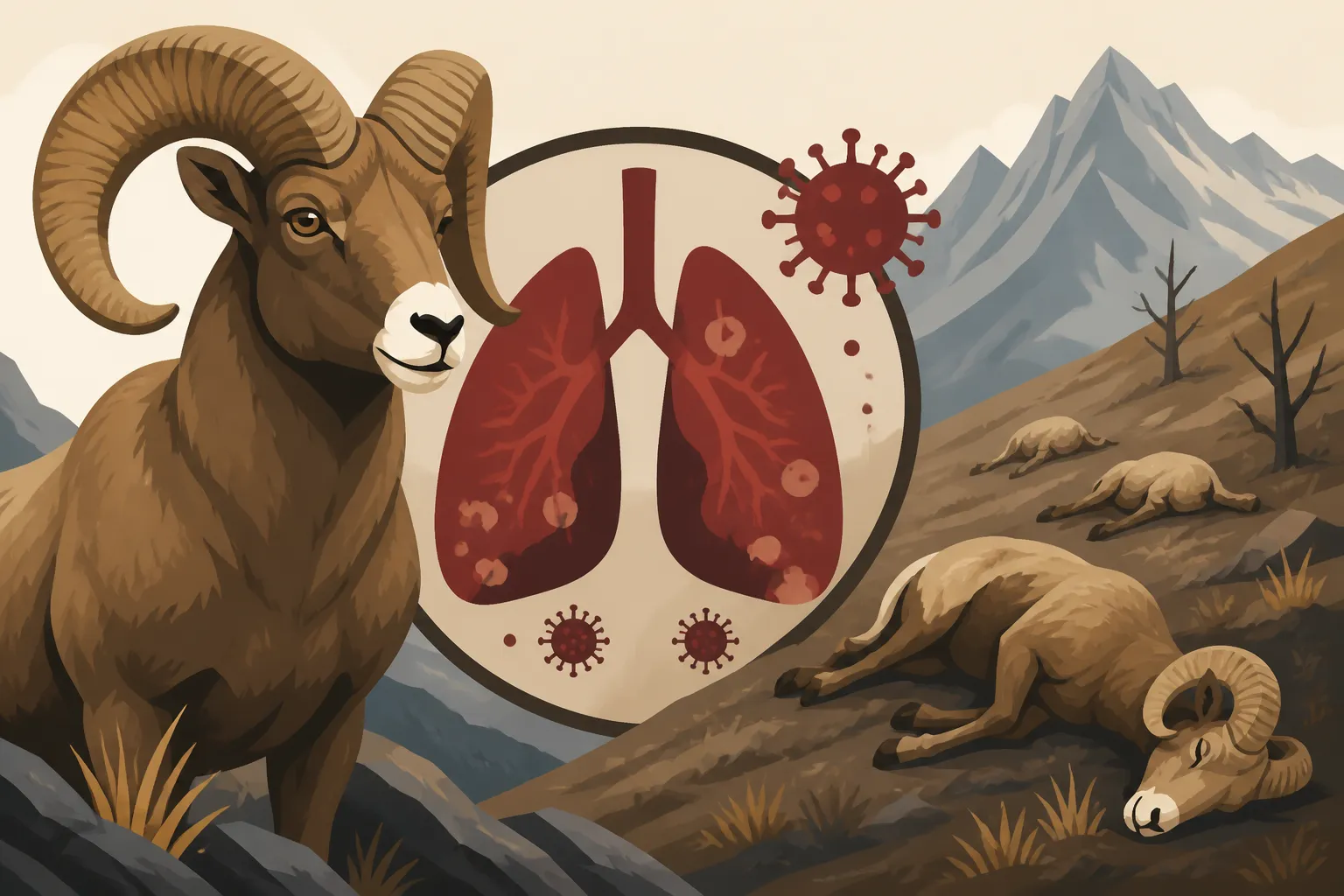
Bighorn pneumonia isn't just a simple cough or cold for these magnificent animals; it's a complex and often fatal respiratory illness that can wipe out entire populations. At its core, the disease is typically caused by a specific bacterial pathogen, Mycoplasma ovipneumoniae, often referred to as M.ovi, though other bacteria can certainly play a contributing role, either initiating or exacerbating the infection. When M.ovi takes hold, it attacks the respiratory system, leading to severe pneumonia, weakened immune responses, and ultimately, death for a significant percentage of the herd.
Imagine a highly contagious flu ripping through a tightly knit community – that's often what happens with bighorns. The symptoms can range from a persistent cough and nasal discharge to lethargy, loss of appetite, and difficulty breathing. You might see a bighorn standing apart from the group, head down, looking terribly unwell. For lambs, the disease is almost always a death sentence, leading to severe die-offs among the youngest and most vulnerable members of the herd. This high mortality in lambs can stifle population recovery for years, even decades, after an initial outbreak, creating a conservation nightmare.
The tragic vulnerability of bighorn sheep to M.ovi lies in their unique biology and herd dynamics. Unlike many other species that might develop some immunity after exposure, bighorn sheep often don't. While domestic sheep can carry M.ovi with few to no clinical signs, acting as asymptomatic carriers, it can be absolutely catastrophic when transmitted to wild bighorns. Their tightly clustered social structure, especially during winter congregation, means that once the disease enters a herd, it can spread with alarming speed. It's a cruel irony that the very behaviors that help bighorns survive harsh mountain winters—bunching together for warmth and safety—also facilitate the rapid transmission of this deadly pathogen. This makes managing and mitigating outbreaks an incredibly complex challenge for wildlife biologists and state agencies like the Washington Department of Fish and Wildlife (WDFW).
Historical and Current Impacts on Washington Herds
Washington's bighorn sheep populations have faced significant challenges due to pneumonia outbreaks over the years, leading to heartbreaking reductions in herd size and constant concern for their long-term viability. Our state is home to both Rocky Mountain bighorn sheep, primarily in the eastern part of the state, and California bighorn sheep, found in more central and northern areas. Both subspecies have experienced the devastating effects of this disease.
Historically, major die-off events have been documented across various herds, turning years of population growth into sudden, precipitous declines. These events often occur rapidly, with a large percentage of a herd succumbing to the illness within weeks or months. For instance, herds in areas like the Blue Mountains or along the Columbia River have, at different times, seen their numbers slashed dramatically following pneumonia outbreaks. When a herd experiences such a "bighorn wreck," the impact is immediate and stark. The initial adult mortality can be high, but the lingering effects on lamb survival are even more insidious. Ewes that survive may still carry the bacteria, transmitting it to their newborn lambs, resulting in extremely poor recruitment for many years afterward. This means that even if adult numbers stabilize, the lack of new lambs surviving to adulthood prevents the herd from rebuilding.
The direct result of these population fluctuations is a profound impact on hunting opportunities and the overall conservation status of these animals. When herds are struggling, WDFW must make tough decisions, often drastically reducing or even eliminating Washington Bighorn Sheep Permits for affected areas. This isn't just about limiting hunting; it's a critical management tool to protect the remaining individuals and give the herd the best possible chance to recover. Hunters, who are often some of the most passionate advocates for wildlife, understand these tough calls, even if it means missing out on a once-in-a-lifetime tag. The data on population trends, often compiled by WDFW and available through resources like GoHunt, vividly illustrates these challenges, highlighting the importance of understanding herd health before planning a hunt.
The Role of Domestic Sheep and Disease Transmission
One of the most critical and contentious aspects of bighorn pneumonia is its undeniable link to domestic sheep. It's a well-established scientific fact that domestic sheep can carry the M.ovi pathogen without showing any outward signs of illness. They act as a reservoir for the bacteria. The real problem arises when these seemingly healthy domestic sheep come into contact with wild bighorn sheep. This cross-species transmission is believed to be the primary mechanism by which M.ovi enters and devastates wild bighorn herds. Even a brief interaction, such as a wild ram exploring new territory and encountering a domestic flock, can be enough to pass the pathogen, initiating a cascade of illness and death within the bighorn population.
The devastating consequences of this transmission have led to significant efforts aimed at maintaining separation between wild and domestic sheep. This isn't a simple task, especially in vast landscapes where both species might naturally overlap in habitat or where historical grazing allotments for domestic sheep exist. Wildlife managers, often in cooperation with land management agencies like the U.S. Forest Service or Bureau of Land Management, work diligently to create buffer zones, implement fence projects, and adjust grazing plans to minimize the risk of contact. There's a constant balancing act between agricultural interests and wildlife conservation, and this issue is a prime example of the complexities involved. For more on this, you can check out resources discussing Why Domestic Sheep Threaten Bighorns. These mitigation strategies are absolutely crucial because once M.ovi is introduced to a bighorn herd, eradicating it is incredibly difficult, and the long-term impacts can be dire.
Conservation Efforts and Management Challenges
The Washington Department of Fish and Wildlife (WDFW) and various conservation groups are actively engaged in a tireless battle to protect and restore Washington's bighorn sheep. Their efforts are multi-faceted, addressing both prevention and response to outbreaks. One of the most critical ongoing initiatives is robust disease monitoring and surveillance. This involves regular surveys of bighorn populations, collecting samples from live animals or carcasses, and conducting laboratory tests to identify pathogens like M.ovi. This surveillance, often supported by data collection methods outlined in guides like How WDFW Counts Big Game, helps WDFW track the spread of disease and identify high-risk areas.
In cases of outbreaks, WDFW may implement targeted management actions. This could include selective removal of infected animals in an attempt to curb the spread, though such decisions are never taken lightly and are often controversial. Another strategy involves translocation, where healthy bighorns from disease-free herds are moved to augment struggling populations or establish new herds in suitable habitats. However, even these translocations carry risks; ensuring the donor herd is truly disease-free is paramount, as accidentally introducing M.ovi to a new area would be catastrophic. Researchers are also working on developing vaccines or other treatments, but these are complex and often still in experimental stages. GoHunt can be a great resource for hunters to stay informed on these management actions and herd status updates from WDFW.
Hunters also play a vital role in bighorn conservation and disease prevention. Beyond simply following regulations for Washington Bighorn Sheep Permits, it's crucial for hunters to be vigilant. If you're out in bighorn country and observe any sheep exhibiting signs of illness—coughing, nasal discharge, lethargy—it is imperative to report these observations immediately to WDFW. This early detection can be critical in understanding and potentially mitigating an outbreak. Furthermore, respecting closures or restrictions in certain areas, which might be in place due to disease concerns, is a responsible act of conservation. You can learn more about engaging with rule-making processes through resources like Commenting on a Washington Hunting Rule.
The future outlook for Washington's bighorn herds is a mix of hope and significant challenges. While dedicated efforts are underway to prevent new outbreaks and help affected herds recover, the inherent vulnerability of bighorns to M.ovi means constant vigilance is required. The long road to recovery for a herd devastated by pneumonia can take decades, requiring sustained conservation investment and cooperation among all stakeholders—wildlife managers, landowners, hunters, and the public. Protecting these iconic animals requires a deep understanding of the science, a commitment to sound management, and a collective responsibility to preserve Washington's wild heritage.
Bighorn vs. Domestic Sheep: Disease Impact Comparison
| Feature | Wild Bighorn Sheep (Ovis canadensis) | Domestic Sheep (Ovis aries) |
|---|---|---|
| Susceptibility to M.ovi | Highly susceptible; often leads to severe illness and death | Often asymptomatic carriers; rarely show severe symptoms |
| Disease Outcome | High mortality, especially in lambs; long-term herd decline | Typically mild or no clinical signs |
| Immunity After Exposure | Poor or inconsistent immunity; re-infection possible; carrier state in some adults | Often develop immunity; can remain carriers without illness |
| Population Impact | Catastrophic die-offs, reduced lamb survival for years, herd collapse | Minimal direct impact on domestic flock health; economic losses if wild sheep transmit disease |
| Conservation Status | Threatened by disease; focus of intensive management and recovery efforts | Widespread and managed for agricultural purposes |
Disclaimer
This article is for general informational purposes only and does not constitute professional advice. Laws, prices and regulations vary by location and change over time. Consult a qualified professional for guidance on your specific situation.