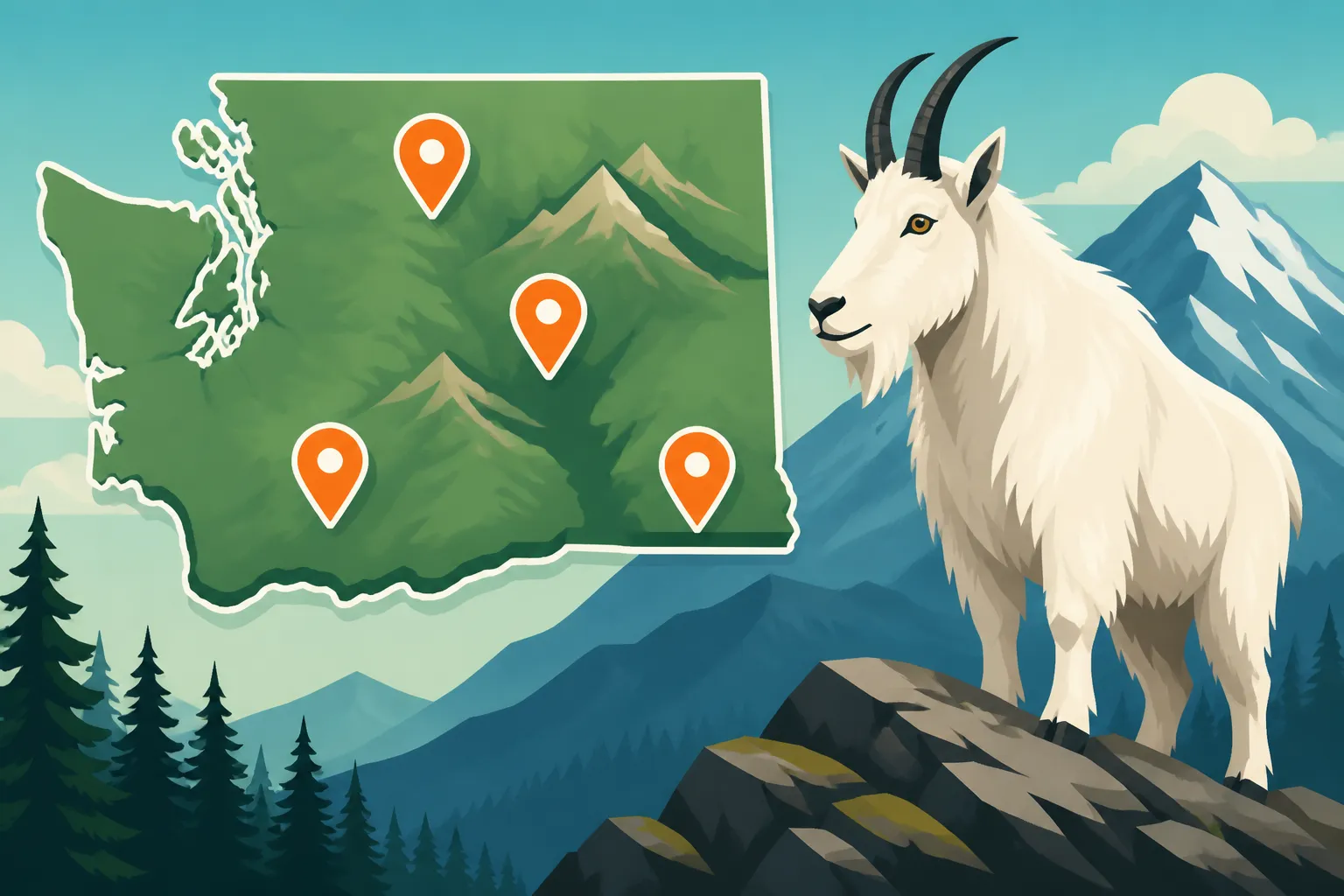
Washington Mountain Goat Herd Locations
Finding accurate, up-to-date information on where Washington's elusive mountain goats roam can feel like searching for a needle in a haystack, especially when you're trying to understand their complex habitat. This guide is designed to cut through the confusion, offering a clear picture of Washington's mountain goat herd locations, their unique challenges, and what hunters need to know about these magnificent animals.
Understanding Washington's Mountain Goat Population
When we talk about mountain goats in Washington, we're discussing a truly iconic species that embodies the rugged beauty of our high country. These aren't just any goats; they're perfectly adapted to some of the most extreme environments the state has to offer, thriving in rocky, precipitous terrain that would make most other animals—and certainly most humans—turn back. Their presence is a testament to the wildness that still exists in Washington's towering peaks.
Historically, mountain goat populations in Washington have faced various pressures, from habitat fragmentation to disease. They aren't as numerous or widespread as some of our other big game species, which is why drawing a permit to hunt one is such a rare and coveted opportunity. Their numbers fluctuate, and understanding these trends is crucial for both conservationists and those few fortunate hunters. The Washington Department of Fish and Wildlife (WDFW) dedicates significant resources to monitoring these herds, trying to get accurate counts and assess their health, which isn't easy when they live in such inaccessible places.
The Special Status of Mountain Goats
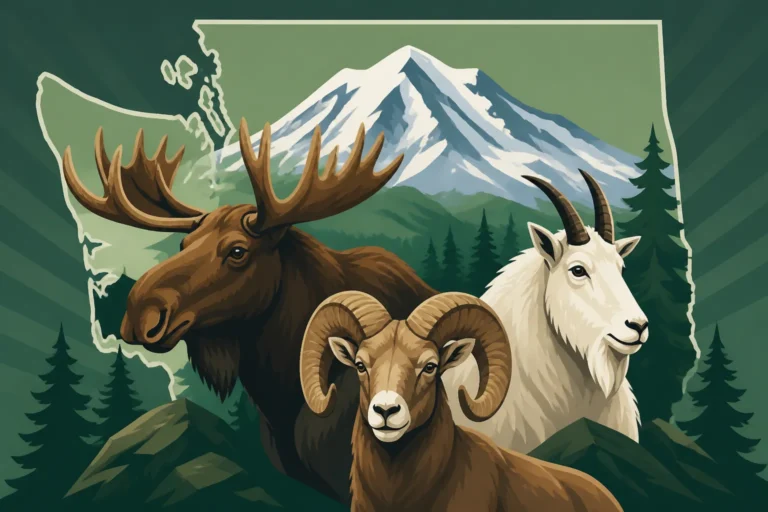
It’s important to remember that mountain goats are a "once-in-a-lifetime" species for hunters in Washington, similar to moose or bighorn sheep. This designation isn't just a marketing ploy; it reflects the limited tags available and the state's commitment to careful population management. Because their populations are smaller and more vulnerable, hunting opportunities are highly restricted, often requiring a special permit draw with extremely low odds. Washington Mountain Goat Permits are among the hardest to come by. This makes every tag drawn incredibly significant, not just for the hunter, but for the continued health of the herd.
These animals are specialists, living year-round in alpine and subalpine zones. They have thick, shaggy white coats for insulation, large, flexible hooves with rough pads for traction, and strong leg muscles that allow them to navigate seemingly impossible cliffs. Their diet consists primarily of grasses, mosses, lichens, and woody shrubs found at high elevations. This specialized lifestyle means they can't simply move to lower, gentler terrain when their preferred habitat is disturbed; they are intrinsically tied to the high peaks, which also makes them vulnerable to climate shifts and habitat encroachment.
Key Mountain Goat Herd Locations in Washington
Washington is blessed with several distinct mountain ranges, and each provides a unique home for these hardy creatures. While mountain goats are widely distributed across the state's mountainous regions, there are certainly areas where you have a better chance of spotting them, or if you're lucky enough to draw a tag, finding a huntable population. Knowing these general areas is the first step in any successful scouting or hunt planning.
The WDFW breaks down mountain goat management into specific hunt units, but for general understanding, we can categorize their distribution into our major mountain systems. When you're using resources like GoHunt, you'll be able to drill down into these specific GMUs and overlay them with habitat data to refine your search. This can be incredibly helpful for e-scouting before you even step foot in the field, helping you visualize the rugged terrain these animals call home.
The North and Central Cascades
The North and Central Cascades arguably hold the largest and most robust mountain goat populations in Washington. This vast expanse of rugged, high-elevation terrain stretches from the Canadian border down through the Alpine Lakes Wilderness. Areas like the Glacier Peak Wilderness, Pasayten Wilderness, and the peaks surrounding Mount Stuart are classic mountain goat country. These regions offer expansive alpine meadows, permanent snowfields, and sheer rock faces – everything a mountain goat needs to thrive.
In these areas, you'll find goats above tree line for much of the year, often congregating around mineral licks or on south-facing slopes that melt out early. Access can be extremely challenging, often requiring multi-day backpacking trips into remote wilderness. Planning for a hunt here means anticipating significant elevation gain and navigating truly wild, untrailed landscapes. Resources like Glacier Peak and Alpine Lakes Wilderness and Pasayten Wilderness Hunting Access can give you a better idea of the challenges and opportunities in these breathtaking, yet formidable, environments.
The South Cascades
Moving south, the mountain goat populations become a bit more fragmented but are still present in significant numbers in certain areas. Peaks within the Gifford Pinchot National Forest, particularly around Mount Adams, Mount St. Helens (outside the blast zone's restricted areas), and the Goat Rocks Wilderness, are known to support good herds. While perhaps not as vast as the North Cascades, these southern strongholds offer equally steep and challenging terrain.
The Goat Rocks Wilderness, in particular, lives up to its name, being a prime location. Here, hunters and hikers often encounter goats in the high alpine basins and along the rocky ridges. The challenges for hunters remain similar to the northern ranges: extreme physicality, unpredictable weather, and the need for meticulous planning. Even with modern tools, finding specific concentrations of goats often boils down to grinding out miles in extremely vertical landscapes. Using a platform like GoHunt can help you visualize the contours and potential bedding areas from afar, but boots on the ground are always the ultimate scout.
The Olympic Mountains (Historical Context)
The Olympic Mountains on the Olympic Peninsula present a unique and somewhat controversial story regarding mountain goats. Historically, mountain goats were not native to the Olympic Mountains; they were introduced in the 1920s. For decades, they thrived, but their population grew to a point where they began impacting the delicate alpine ecosystem, causing damage to native vegetation and eroding fragile soils. This led to significant management challenges.
In response to these ecological concerns, the WDFW, in conjunction with the National Park Service, undertook an extensive effort to remove mountain goats from the Olympic National Park. This included live capture and translocation to suitable habitat in the Cascades, as well as lethal removal. As a result, the population of mountain goats in the Olympics has been drastically reduced, and hunting opportunities there are no longer available. While you might still see an occasional goat on the periphery of the Olympics, these instances are rare, and the long-term management goal has been to restore the native ecosystem by eliminating the non-native goat population. This makes for a fascinating case study in Olympic Mountain Goat Removal.
Factors Influencing Mountain Goat Distribution
Mountain goats aren't just found anywhere; their distribution is heavily influenced by a specific set of environmental factors. These animals are highly adapted to their niche, and understanding these requirements is key to predicting where you might find them. It's not just about elevation, but also the geology, vegetation, and climate patterns of a given area.
Their specialized habitat means they're particularly sensitive to changes. Human activity, like development or increased recreational pressure, can displace them. Climate change, which affects snowpack, vegetation growth, and access to water, also poses a long-term threat. Conservation efforts often focus on protecting these specific habitat characteristics to ensure the long-term viability of Washington's herds.
The Importance of High-Elevation Terrain
The primary factor dictating mountain goat locations is, without a doubt, high-elevation, rugged terrain. They prefer steep, rocky slopes, cliffs, and cirques above timberline, typically between 5,000 and 10,000 feet in elevation. This preference isn't just for show; it's a survival strategy. The precipitous landscape provides escape terrain from predators like cougars and wolves, which struggle to navigate such vertical environments. It also offers cooler temperatures in summer, which is vital for animals with such heavy coats. Mountain Goat Numbers in the Cascades are tied directly to the availability of this type of habitat.
These high-elevation areas also provide specific forage that mountain goats rely on. While the vegetation might seem sparse to us, goats are adept at finding nutritious plants in alpine meadows and among rocky outcroppings. The combination of escape terrain, suitable forage, and relative isolation from human disturbance makes these high peaks indispensable for their survival. Without this specific type of habitat, mountain goat populations simply cannot thrive.
Mineral Licks and Water Sources
Even in the rugged high country, certain micro-habitats draw mountain goats consistently: mineral licks and reliable water sources. Mountain goats need specific minerals, particularly sodium, which are often scarce in their diet of alpine vegetation. They will travel significant distances to access natural mineral licks, which are essentially exposed rock or soil deposits rich in these vital nutrients. These licks can be absolute hotspots for goat activity, especially in late spring and summer.
While goats are well-adapted to arid conditions, they still require water. In their high-elevation habitat, this often comes from melting snowfields, small alpine tarns, or seeps in rock crevices. Locating these essential resources, especially in dryer parts of the Cascades, can be critical for predicting goat movements and concentrations. When using mapping tools like GoHunt for scouting, paying close attention to contours that suggest water collection or potential mineral deposits (though mineral licks are harder to spot from satellite imagery) can yield valuable insights into where goats might be frequenting.
Seasonal Movements and Habitat Use
Mountain goats, like many ungulates, exhibit seasonal movements, though their migrations are typically less extensive than elk or some deer species. In the summer, they are almost exclusively found in the highest, most exposed alpine and subalpine areas, enjoying abundant forage and cooler temperatures. This is when they are most visible and often form larger groups.
As winter approaches and snow begins to accumulate, goats will often move to lower, but still steep, south-facing slopes. These aspects receive more sun exposure, which helps melt snow, exposing forage and creating easier travel. They might also utilize rock overhangs or dense conifer stands for shelter from severe weather. However, they rarely descend into dense timber or valley bottoms, always staying within reach of their vertical escape terrain. Understanding these subtle seasonal shifts is crucial for anyone hoping to locate them, whether for observation or hunting, as their exact location can change with snow depth and available forage.
Conservation and Management of Washington's Mountain Goats
Washington's mountain goats are a public trust, and their management is a complex balancing act between conservation, recreational opportunities, and addressing ecological concerns. The WDFW plays a central role in this, using a combination of population monitoring, habitat protection, and regulated hunting to ensure healthy, sustainable herds for the future. The challenges are significant, but so is the dedication to preserving these unique animals.
The limited hunting permits issued each year are a testament to this conservative approach. They are not designed to significantly reduce populations but rather to provide a limited, highly regulated opportunity while generating valuable data for management. Every successful hunter provides critical biological information that helps WDFW assess herd health, age structure, and distribution.
WDFW Management Strategies
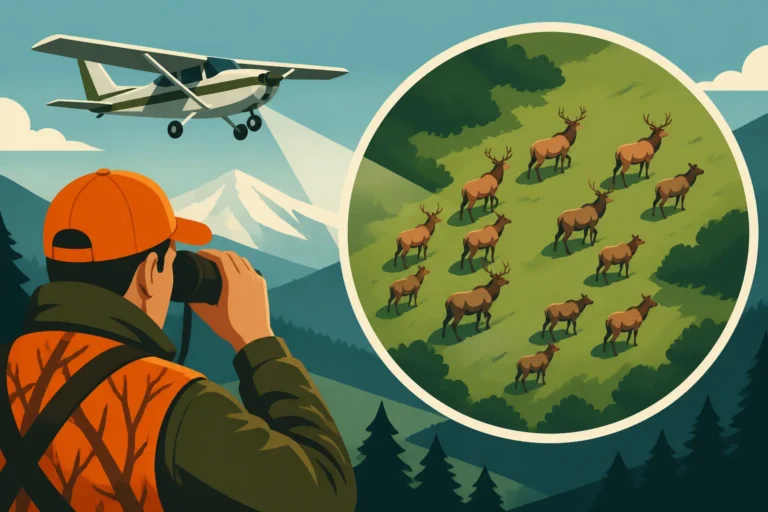
The WDFW employs a multi-faceted approach to managing mountain goat populations. This includes aerial surveys to estimate numbers and track trends, habitat assessments to identify crucial breeding and wintering areas, and genetic studies to understand herd connectivity. The goal is to maintain viable populations throughout their range, prevent local extinctions, and mitigate conflicts where they arise, such as the past issues in the Olympic Mountains. Washington Wildlife Disease Surveillance is also a key component, monitoring for any outbreaks that could devastate isolated herds.
A significant part of the strategy involves public education and engagement. Hikers, climbers, and hunters are all encouraged to report sightings and adhere to responsible backcountry practices to minimize disturbance to these sensitive animals. The permits themselves, like Washington Special Hunt Permits and How to Apply, are meticulously managed through a draw system, emphasizing fairness and controlled access rather than a free-for-all approach.
Hunter Contributions to Conservation
For the few hunters who draw a coveted mountain goat tag, their role extends beyond just the hunt itself; they become integral partners in conservation. The data collected from harvested animals—such as age, sex, and location—provides invaluable biological information that is difficult to obtain otherwise. This direct input helps WDFW make more informed decisions about herd health and management unit objectives.
Furthermore, the very nature of a mountain goat hunt often means delving into some of Washington's most remote and rugged landscapes. Hunters on these excursions often act as eyes and ears for wildlife managers, reporting unusual sightings, habitat concerns, or potential poaching incidents. The fees associated with these special permits also contribute directly to wildlife management and conservation programs, funding research, habitat restoration, and enforcement efforts across the state. In essence, while incredibly challenging, a mountain goat hunt is one of the most direct ways to engage with and contribute to the conservation of this magnificent species.
Mountain Goat Herd Locations Overview
To give you a clearer picture, here's a general overview of Washington's primary mountain goat habitats. Remember, this is a simplified view, and specific GMU boundaries and hunt regulations should always be consulted if you're planning a permit application.
| Mountain Range / Region | Primary Characteristics | Common GMUs / Areas (examples, always check current WDFW) | Access Challenge Level | General Herd Size |
|---|---|---|---|---|
| North Cascades | Vast, high-elevation wilderness, rocky peaks, permanent snowfields, diverse alpine vegetation. | 437 (Nooksack), 441 (Kittitas), 450 (Aldrich) | Extreme | Largest |
| Central Cascades | Rugged, steep, includes prominent peaks like Mount Stuart, significant wilderness areas. | 448 (Naneum), 454 (Alpine Lakes), 460 (Snoqualmie) | Very High | Medium-Large |
| South Cascades | Volcanic peaks, including Mount Adams & Goat Rocks, diverse subalpine and alpine zones. | 560 (Lewis River), 578 (West Klickitat), 582 (Toutle) | High | Medium |
| Olympic Mountains | Introduced, now significantly reduced/removed due to ecological impact. | Minimal, no longer a huntable population in park areas | N/A | Very Small/None |
This table provides a snapshot, but it's crucial to consult the official WDFW hunting regulations pamphlet and detailed GMU maps before any hunt planning. Using digital tools like GoHunt in conjunction with these official resources can help you pinpoint specific areas within these broad regions.
Final Thoughts on Washington Mountain Goats
Mountain goats represent the wild heart of Washington's high country. Their ability to thrive in such extreme environments is nothing short of incredible, and their presence adds an unparalleled mystique to our state's wilderness. While hunting opportunities are rare, the chance to pursue one of these magnificent animals is a truly once-in-a-lifetime experience that demands respect for the animal and its unforgiving habitat. Whether you're a hunter, a hiker, or just an admirer of wildlife, understanding where these goats live and the efforts being made to conserve them is vital to ensuring they remain a part of Washington's natural heritage for generations to come.
As you plan your adventures in Washington's mountains, always prioritize safety, preparedness, and ethical conduct. These mountains are wild, and the animals that call them home are resilient but vulnerable. With careful planning and respect for the regulations, you can contribute to the ongoing success of Washington's mountain goat populations.
Disclaimer
This article is for general informational purposes only and does not constitute professional advice. Laws, prices and regulations vary by location and change over time. Consult a qualified professional for guidance on your specific situation.