Wolf Impact on Elk and Deer
Alright, let's talk about something that's been on the minds of a lot of Washington hunters lately: the re-emergence of wolves and what that means for our beloved elk and deer populations. It's a topic that brings up a lot of strong feelings, and for good reason – we all want healthy game herds and a thriving ecosystem. This guide is here to break down the complex reality of wolf impact on elk and deer in Washington, helping you understand the ecological shifts and how they might influence your time in the field.
Understanding Washington's Wolf Resurgence
The presence of wolves in Washington is no longer a historical footnote; it's a current, dynamic part of our state's wild landscape. For generations, the idea of a wolf was something from old stories or distant wildernesses. Now, they are here, and their return marks a significant ecological shift that impacts everything from prey behavior to forest health.
The Return of a Top Predator
The story of wolves in Washington is one of natural recolonization. After being largely absent for decades, wolves began moving back into the state from neighboring Idaho, Oregon, and British Columbia in the early 2000s. It wasn't a reintroduction effort like some other states, but rather a testament to their resilience and ability to travel vast distances. These intelligent predators found suitable habitat and a plentiful food supply, primarily deer and elk, allowing them to establish new territories and form packs.
This return is a huge win for conservationists who champion natural processes and ecosystem balance. However, for hunters, ranchers, and rural communities, it often brings a mix of emotions, from awe at seeing such a magnificent animal to very real concerns about livestock depredation and, of course, the impact on game herds. The growth of these packs, particularly in eastern and northeastern Washington, has been steady, leading to more frequent encounters and a greater awareness of their presence across the landscape. They are a natural part of the wild, but their presence fundamentally changes the dynamics that many hunters have known their entire lives.
Where Wolves Live in Washington
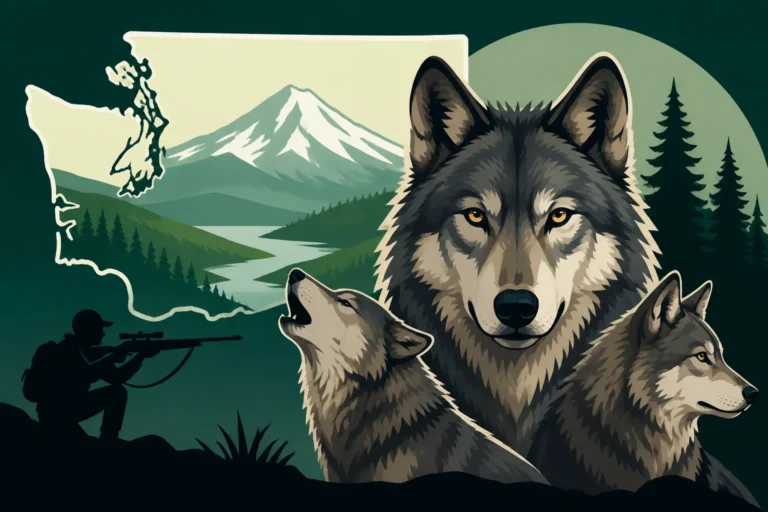
Washington's wolf population isn't evenly distributed; it tends to be concentrated in areas with suitable habitat, robust prey populations, and fewer human-related conflicts. The northeastern corner of the state, particularly Pend Oreille, Stevens, and Ferry counties, has seen some of the earliest and most consistent pack establishment. This region, with its dense forests, expansive public lands, and good numbers of white-tailed deer and elk, provides ideal conditions for wolves. Washington Wolf Pack Numbers clearly show how these populations are growing.
As wolves expand their territories, we've seen packs establish themselves in other areas as well, including parts of the Okanogan, Methow, and even venturing into the Blue Mountains. These animals are incredibly adaptable, capable of traversing varied terrain, from the rugged mountains to the fringes of agricultural lands. Understanding their primary distribution helps hunters anticipate where they might encounter wolves or observe changes in game behavior. It also means that even if your favorite hunting spot hasn't traditionally had a strong wolf presence, it's wise to stay updated on population maps and reports, perhaps using tools like GoHunt to track their expansion. Their movement and pack dynamics mean that an area that was quiet one year could be active with wolves the next.
How Wolves Affect Elk and Deer Populations
The presence of wolves fundamentally alters the lives of elk and deer, both individually and at the population level. It's not just about a predator taking down a prey animal; it's a ripple effect that reshapes the entire ecosystem.
Direct Predation and Mortality
The most obvious impact of wolves on elk and deer is direct predation. Wolves are efficient hunters, and deer and elk form the primary component of their diet, especially during winter months when other food sources are scarce. They typically target the most vulnerable animals: the old, the young, the sick, and the injured. This natural selection process is often described as "culling the weak," and in theory, it can lead to healthier, more robust prey populations over time by removing animals that might spread disease or have weaker genetics.
However, the reality on the ground can be more nuanced, especially in areas where wolf densities become high or prey populations are already under stress from other factors like harsh winters, habitat loss, or heavy hunting pressure. A growing pack can exert significant pressure, particularly on calf and fawn survival rates. For instance, in some areas of the Blue Mountains or the Colockum, where Elk Calf Survival in Washington is a critical factor, increased wolf predation can be a major hurdle for herd growth. It's not uncommon to find evidence of wolf kills – a scattering of fur, bone fragments, and tracks – which serves as a stark reminder of their active role in the ecosystem. This direct mortality is what hunters often focus on most, seeing fewer game animals in areas where wolves have established a strong presence.
Behavioral Changes in Prey
Beyond direct mortality, wolves dramatically alter the behavior of their prey. Elk and deer, instinctively wired for survival, become far more vigilant and cautious in areas with an active wolf presence. This heightened awareness manifests in several ways:
- Increased Movement: Prey animals may spend less time foraging in open areas or traditional feeding grounds, instead favoring denser cover or more rugged terrain where they feel safer. This can mean more time and energy spent moving, and less time dedicated to feeding and resting, which can impact their overall physical condition and reproductive success.
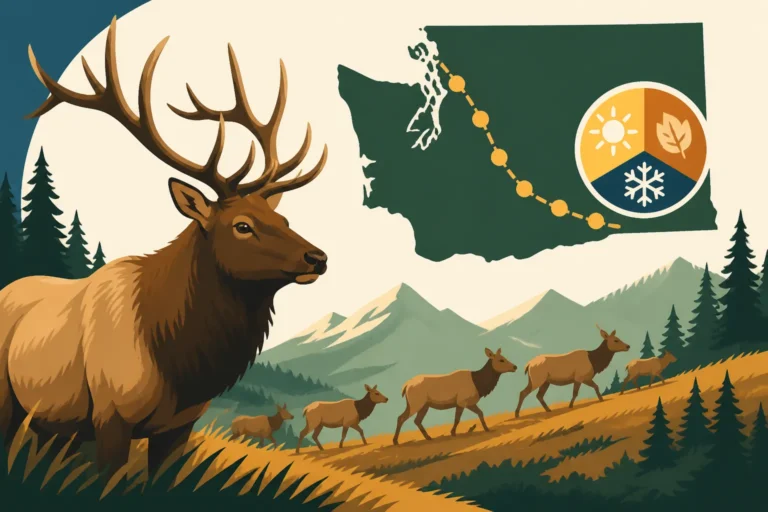
- Habitat Shifts: Elk and deer might abandon historical wintering grounds or summer ranges if wolf activity becomes too intense, seeking out "refugia" where they perceive less risk. This can lead to underutilized forage in some areas and overgrazing in others, creating an imbalance. Imagine a prime elk meadow you always used to see herds in during archery season; now, they might only filter through briefly at night, or avoid it altogether, pushing them into less ideal but safer pockets.
- Group Dynamics: Elk herds, especially, might form larger, tighter groups for safety in numbers. This can make them more conspicuous but also harder for wolves to isolate individuals. Deer, particularly whitetails, might become even more nocturnal and rely on thick cover to evade detection.
These behavioral changes are fascinating from an ecological perspective, demonstrating the powerful influence of a top predator. For hunters, it means that traditional scouting spots or calling tactics might become less effective. You might need to adjust your approach, maybe Still-Hunting Blacktails in Wet Washington Brush more meticulously or focusing on areas of thicker cover where deer feel more secure.
Indirect Ecological Effects
The presence of wolves extends far beyond just predator-prey interactions, creating a cascade of indirect ecological effects throughout the environment. These are often harder to quantify but are significant nonetheless.
One notable effect is on vegetation. When elk and deer alter their foraging patterns due to wolf presence, certain plant species that were previously heavily browsed might experience a resurgence. This phenomenon, often observed in places like Yellowstone National Park, can lead to healthier riparian zones as aspen and willow stands recover, providing better habitat for songbirds, beavers, and fish. In Washington, this might translate to areas where dense brush or young trees were once consistently browsed by deer; with wolves pushing deer into other areas, that vegetation might grow taller and thicker.
Wolves also play a crucial role in supporting scavenger populations. Their kills provide a consistent food source for a variety of scavengers, including coyotes, ravens, bald eagles, and even smaller mammals like martens and fishers. This ensures that energy from the carcasses is recycled back into the ecosystem, rather than being solely consumed by the predator. It's a reminder that nature is a complex web, and the reintroduction of a key player like the wolf affects every strand. While perhaps not directly impacting your deer or elk hunt, these changes contribute to the overall health and biodiversity of Washington's wild lands.
Current Research and Management Strategies
Managing wolf populations alongside game herds and human interests is a monumental task. It requires constant monitoring, scientific research, and adaptive management strategies to balance diverse viewpoints and biological realities.
Monitoring Wolf and Prey Numbers
Understanding the dynamics starts with good data. The Washington Department of Fish and Wildlife (WDFW), with support from various partners, invests significant effort in monitoring both wolf and prey populations. For wolves, this often involves aerial surveys, track counts in snow, remote cameras, and collaring individual animals to track their movements, pack territories, and reproductive success. These methods help determine Washington Wolf Pack Numbers and their distribution.
For prey species like elk and deer, population estimates are derived through a combination of aerial surveys, pellet counts, hunter harvest data, and modeling. This data helps biologists assess herd health, reproductive rates, and survival, including Elk Calf Survival in Washington. The challenge, however, lies in the vastness and ruggedness of Washington's landscape, making comprehensive surveys incredibly difficult and expensive. Furthermore, factors like shifting prey behavior due to wolf presence can make traditional survey methods less reliable. This constant effort to collect accurate data is crucial for informing management decisions and understanding the true impact of wolves. Staying informed through resources like GoHunt's data analysis can give you an edge in interpreting these trends.
Balancing Predator-Prey Dynamics
The goal of wolf management in Washington is to achieve a sustainable balance where wolves thrive without unduly impacting prey populations or causing excessive conflict with human activities, particularly ranching. This is easier said than done. Management involves a multi-faceted approach, often including:
- Lethal and Non-Lethal Measures: In cases of chronic depredation on livestock, WDFW may authorize non-lethal deterrents (like range riders, fladry, or noise makers) or, as a last resort, lethal removal of problem wolves. These decisions are highly contentious and follow strict protocols.
- Adaptive Hunting Regulations: For prey species, harvest quotas for deer and elk may be adjusted in areas with significant wolf presence to account for increased natural mortality. This might mean reducing tags, altering season lengths, or shifting hunt types to protect struggling herds, ensuring a balance between wolf predation and human harvest. Washington Fish and Wildlife Commission Rule Meetings are where these adjustments are debated and decided.
- Habitat Management: Improving habitat quality for elk and deer can help buffer the effects of wolf predation by providing better nutrition and cover, making prey animals healthier and more resilient.
It's a delicate dance, always adapting to new information and ecological changes. The aim is to allow wolves to play their natural ecological role while ensuring that our game herds remain robust enough to support hunting traditions and withstand environmental pressures.
Hunter Perspectives and Concerns
For many Washington hunters, the return of wolves is a significant shift, often leading to a range of concerns and questions. There's a natural worry about seeing fewer deer and elk, especially in areas where hunting has been a family tradition for generations. Hunters are keenly aware of herd health and often spend more time observing game animals than anyone else, making them valuable eyes and ears on the ground.
Common concerns include:
- Reduced Opportunities: The fear that wolf predation will lead to fewer tags, shorter seasons, or lower success rates, directly impacting their ability to pursue deer and elk.
- Changes in Game Behavior: Frustration when traditional hunting grounds become devoid of game, or when animals become incredibly skittish and hard to approach. This requires new skills and adaptability.
- Fairness and Balance: Some hunters question the balance of conservation efforts, feeling that wolf populations are prioritized over prey animals or hunter access.
It's important for hunters to voice their observations and concerns through official channels like WDFW public comments or advisory committees. Your experiences in the field provide critical data points that complement scientific studies. Engaging with organizations that advocate for sound wildlife management, and using tools like GoHunt to stay on top of unit-specific reports, can help ensure that hunter perspectives are heard and considered in the ongoing management discussions.
What This Means for Washington Hunters
The wolf's return is a permanent fixture in Washington's wildlife landscape, and as hunters, we must adapt to these changing dynamics. This isn't about giving up; it's about evolving our strategies and understanding the new challenges and opportunities.
Adjusting Hunting Strategies
If you hunt in areas with an established wolf presence, or even in units adjacent to them, you’ll likely need to adjust your approach. Here are a few ways to think about it:
- Intensified Scouting: You'll need to spend even more time scouting, not just for game sign, but for wolf sign. Look for tracks, scat, and listen for howls. Understanding where wolves are active can inform where deer and elk aren't or where they might be seeking refuge. Using apps with satellite imagery to identify areas of thick cover or remote, rugged terrain that might serve as natural sanctuaries for prey can be incredibly helpful. Public Land Scouting in Washington Before Opening Day becomes even more crucial.
- Focus on Cover and Movement Corridors: Deer and elk in wolf country often stick to dense timber, brushy draws, or steep slopes for safety. Focus your hunting efforts in these areas rather than open meadows. Pay attention to pinch points and travel corridors that provide quick access to escape cover.
- Varying Calling Tactics: Elk might be less responsive to aggressive bugling if wolves are nearby, as it could attract unwanted attention. Consider more subtle cow calls or silent approaches. For deer, still-hunting and careful glassing become even more vital as they become more wary and nocturnal. Learn how to adapt your Bugling and Cow Calling in Washington's Archery Elk Season strategies.
- Understanding Prey Behavior Shifts: If elk are moving to higher ground or deer are using specific clearcuts differently, be ready to follow their lead. This means being more flexible with your hunt plan and constantly observing animal responses to pressure.
These adjustments require patience and a willingness to learn new tactics, but they can still lead to successful hunts in challenging conditions.
The Role of Adaptive Management
Wildlife management in Washington, especially concerning controversial species like wolves, is an ongoing process of adaptive management. This means that biologists and managers are continually gathering new data, evaluating the effectiveness of current strategies, and making adjustments as needed. It's not a static plan but a living document that responds to the ecological and social landscape.
For hunters, this means staying engaged and informed. Regulations, season dates, and even permit allocations can change based on new information about wolf and prey populations. What works this year might be modified next year. Participating in public meetings, reading WDFW reports, and following reputable hunting news sources (like what you might find by regularly checking GoHunt for updates) are essential to understanding these shifts. Your role as a hunter isn't just about pursuing game; it's also about being an active and informed participant in the conservation conversation. The goal is always to find sustainable solutions that honor our wildlife resources and our hunting heritage, even as new challenges emerge.
| Impact Factor | Effect on Elk & Deer | Hunting Strategy Adjustment |
|---|---|---|
| Direct Predation | Increased mortality, especially among calves/fawns, old, or sick animals. | Focus scouting on areas with strong escape cover, adapt to lower densities. |
| Heightened Vigilance | More skittish, alert animals; increased head-up time. | Slower still-hunting, increased patience, utilize terrain to your advantage. |
| Habitat Shifts | Prey move to thicker cover, rugged terrain, or less traditional areas. | Scout new areas, focus on dense timber, steep slopes, and pinch points. |
| Nocturnal Behavior | Deer and elk may become more active at night to avoid wolves. | Concentrate efforts during low-light hours (dawn/dusk), understand bedding. |
| Group Size Changes | Elk may form larger herds; deer may become more solitary or rely on specific cover. | Adjust calling (more subtle for elk), understand deer sanctuary areas. |
| Foraging Patterns | Less time in open areas, more time in cover; potential for overgrazing in refugia. | Prioritize food sources adjacent to thick cover. |
Disclaimer
This article is for general informational purposes only and does not constitute professional advice. Laws, prices and regulations vary by location and change over time. Consult a qualified professional for guidance on your specific situation.