Blue Mountains Elk Herd Size
There's nothing quite like the immense beauty and equally immense challenge of hunting the Blue Mountains here in Washington. It's a vast landscape, and for many hunters, one of the biggest questions is always, "Where are the elk, and how many are there?" Trying to navigate such an iconic hunting ground without a solid grasp of the local elk herd's health and population size can feel like searching for a needle in a haystack. This guide is here to shed some light on the Blue Mountains elk herd, helping you understand how its size is estimated, what influences it, and how you can use this knowledge to become a more effective hunter in this truly special part of our state.
Understanding the Blue Mountains Elk Herd
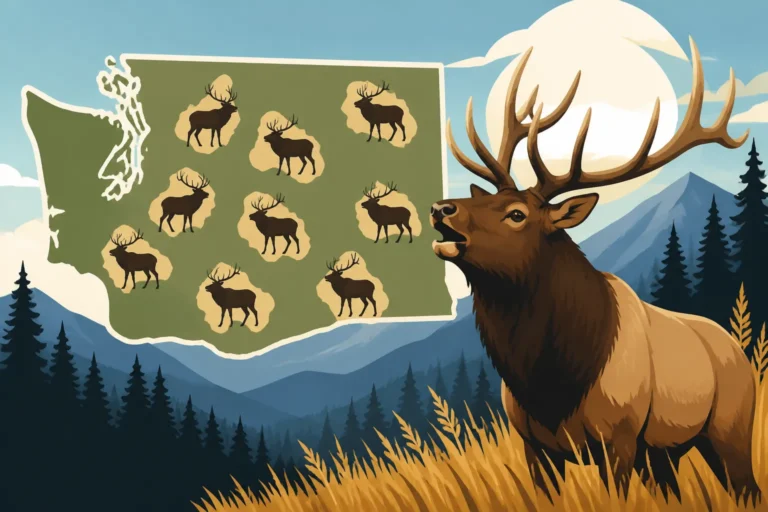
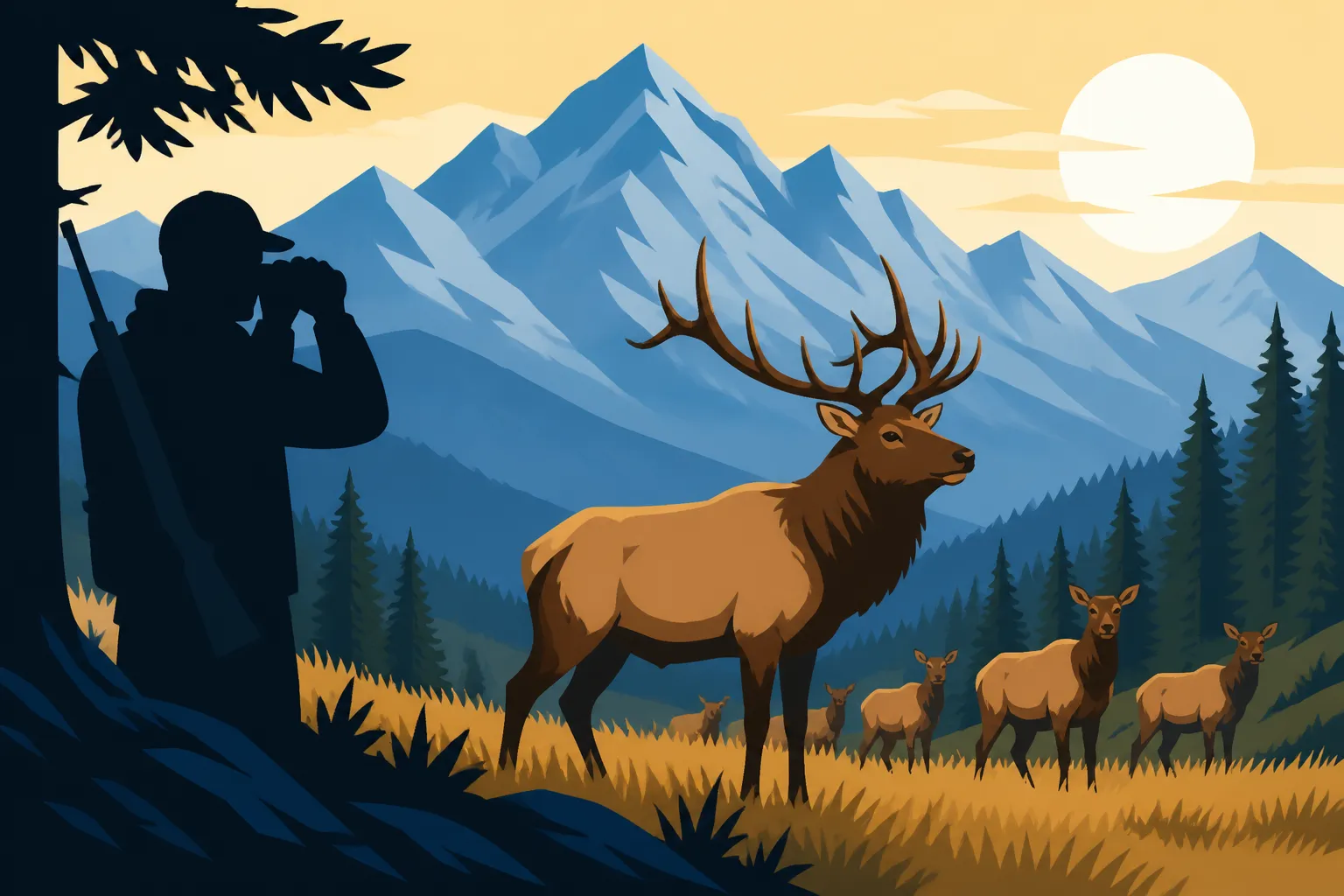
The Blue Mountains in southeast Washington are renowned for their Rocky Mountain elk population. This isn't your coastal Roosevelt elk territory; the Blues offer a different kind of hunting experience, characterized by sprawling timber, steep canyons, and high plateaus. When we talk about herd size here, we're not just throwing out numbers; we're trying to grasp the overall health, distribution, and hunting potential of these magnificent animals across a significant portion of our state.
The Unique Landscape of the Blues
The Blue Mountains stretch across southeastern Washington and into northeastern Oregon, forming a distinct ecological region. This area is characterized by vast expanses of Ponderosa pine, Douglas fir, and grand fir forests at higher elevations, transitioning to grasslands and agricultural fields in the lower valleys. This diverse habitat is what makes the Blues such a productive area for elk. They can find ample forage, cover, and water sources throughout the year, though their exact locations shift with the seasons.
Hunters often find themselves navigating deep draws and climbing steep ridges, where the timber can be dense, and visibility limited in places. However, there are also open parks and clear-cuts where glassing becomes a primary tactic. Understanding this mosaic of habitats is crucial because it directly influences where elk will be and, consequently, how WDFW counts them and how you might encounter them. The sheer scale of the landscape can be intimidating, but breaking it down by habitat type can help make sense of the herd's movements and distribution.
General Characteristics of Rocky Mountain Elk in Washington
The elk found in the Blue Mountains are primarily Rocky Mountain elk, a subspecies known for their impressive antler growth and adaptability to varying terrains. Unlike their Roosevelt cousins further west, which are often found in dense rainforests, the Rocky Mountain Elk East of the Washington Cascades tend to inhabit more open, mountainous timber and meadows. Their behavior patterns are often influenced by weather, forage availability, and hunting pressure.
These elk typically form larger herds outside of the rut, especially in winter, and can cover significant distances. Their size and resilience make them a challenging yet rewarding quarry. Understanding their general characteristics – how they feed, travel, and react to changes in their environment – is fundamental to interpreting herd size data. A thriving herd doesn't just mean more animals; it means healthy animals, often with better antler potential and more predictable movement patterns, which directly benefits the hunter.
Factors Influencing Herd Size
The size of any elk herd, including the Blue Mountains herd, isn't static. It's a dynamic number influenced by a complex interplay of environmental factors, predation, and human management. When WDFW talks about elk populations, they're always considering these forces that either help the herd grow or cause it to decline. As hunters, grasping these dynamics helps us appreciate the management efforts and provides context for the tag allocations we see year after year.
Habitat and Forage Availability
The health and availability of habitat are perhaps the most critical drivers of elk herd size. Elk are voracious grazers and browsers, requiring vast amounts of forage to sustain themselves, especially during critical periods like calving and winter. In the Blue Mountains, the quality and quantity of grasslands, shrub fields, and forest understory directly impact how many elk the land can support. Years with abundant rain and good growing seasons typically lead to better forage, which can result in healthier cows, stronger calves, and increased survival rates.
Conversely, periods of drought or severe wildfires can devastate forage resources, forcing elk to move or impacting their nutritional intake, leading to lower calf survival or reduced body condition. Timber harvest practices also play a significant role. Thoughtful logging can create new forage by opening up the canopy and encouraging new growth, while poorly managed or extensive clearcuts can fragment habitat or expose elk to increased predation. These changes in the landscape mean that elk distributions are constantly shifting, and what was a hotspot a few years ago might be less productive today.
Predation and Disease
Natural predators, particularly wolves and cougars, exert significant pressure on elk populations. While predation is a natural part of the ecosystem, changes in predator numbers can impact herd dynamics. Washington has seen an increase in wolf populations in recent years, and while their impact on specific elk herds is a subject of ongoing study, they are a factor in calf and adult elk mortality. Hunters often worry about how Washington Wolves and Big Game affect their chances, and it's a valid concern that WDFW monitors closely.
Disease can also significantly affect herd health and numbers. While the Blue Mountains herd hasn't experienced the devastating hoof disease outbreaks seen in some Western Washington Roosevelt herds, it's a constant concern for wildlife managers. Diseases can spread rapidly through dense populations, weakening animals and making them more susceptible to other threats. We've seen the severe impact of disease on other ungulate populations, such as the Bighorn Pneumonia Die-Offs in Washington, which serves as a stark reminder of how quickly disease can decimate a herd. WDFW's disease surveillance helps them understand and, where possible, mitigate these threats to ensure the long-term health of the elk.
Hunter Harvest and Management
Hunter harvest is a crucial component of elk management in the Blue Mountains, designed to keep populations within ecological carrying capacity and desired herd objectives. WDFW sets harvest quotas and issues tags to achieve specific management goals, such as balancing bull-to-cow ratios or reducing depredation on private lands. Every hunter who successfully harvests an elk plays a direct role in this management, which is why Washington Harvest Reporting Requirements are so critical. This data helps WDFW refine their estimates and adjust future tag allocations.
The type of tags issued—general season, special permits, antlerless permits—all contribute to shaping the herd. For example, increased antlerless permits can help reduce overall herd size if it's deemed too high for the available habitat, while controlling bull harvest helps maintain a healthy breeding population. Understanding the history of tag allocations in the Blue Mountains, which you can often find in past WDFW pamphlets, can offer insights into the management trends and the health of the herd over time.
How WDFW Estimates Herd Numbers
So, how do wildlife agencies actually figure out how many elk are roaming those vast Blue Mountains? It's not as simple as counting every single animal. Instead, WDFW uses a combination of scientific methods and observed data to arrive at estimates. These estimates, while not always precise down to the last elk, provide crucial information for making management decisions and setting hunting seasons. For the hunter, knowing how these numbers are derived offers a deeper appreciation for the regulations and, perhaps, a better way to approach scouting.
Aerial Surveys and Population Modeling
One of the primary tools for estimating elk populations in large areas like the Blue Mountains is aerial surveys. Wildlife biologists, often in helicopters or fixed-wing aircraft, fly over designated survey units, counting elk they see, categorizing them by sex and age (cows, calves, bulls). These surveys are typically conducted during winter months when elk are concentrated in lower elevations and are more visible against snow-covered landscapes or after deciduous leaves have dropped. The accuracy of these surveys depends heavily on weather conditions, snow cover, and elk distribution at the time of the flight.
These raw counts are then fed into complex population models. These models incorporate other data points, such as observed calf-to-cow ratios, bull-to-cow ratios, survival rates, and harvest data from previous seasons, to extrapolate a total population estimate for the entire Game Management Unit (GMU) or a broader herd area like the Blue Mountains. This process is detailed and ongoing, as discussed in "Washington's Ten Major Elk Herds" and the methods outlined in Aerial Surveys and Herd Estimates. It's a continuous cycle of data collection, analysis, and adjustment.
Limitations of Herd Estimations
It's important to be realistic about the limitations of these herd estimations. Wildlife populations are inherently difficult to count precisely. Factors like dense timber, patchy snow cover, or elk moving into less accessible areas during a survey can lead to undercounts. Elk are masters of camouflage, and even from the air, they can be missed. Plus, population models are based on assumptions and averages, which might not perfectly reflect real-world conditions every single year.
Sometimes, hunters express frustration when their on-the-ground observations don't seem to match WDFW's published numbers. This discrepancy often stems from the localized nature of a hunter's experience versus the broad, scientific approach of a survey. A hunter might spend days in a particular basin and see few elk, leading them to believe the population is low, while a survey might capture a larger aggregation of elk in an adjacent, less hunted area. It doesn't mean the data is wrong; it simply means it's an estimate, and understanding the challenges in gathering it helps us interpret the figures more effectively.
Using Public Data for Your Advantage
While WDFW herd estimates are generalized, they provide a critical baseline for your hunting strategy, especially when combined with other available information. The WDFW often releases big game pamphlets and reports that include population trends, harvest statistics, and management objectives for specific GMUs within the Blue Mountains. These resources are invaluable. Pay close attention to calf recruitment numbers, as a high calf-to-cow ratio often indicates a healthy, growing herd, while a low ratio might suggest challenges like poor forage or high predation.
Beyond official reports, online tools and communities can help you make sense of the data. Platforms like GoHunt often compile and analyze this public information, sometimes providing additional insights into draw odds and unit breakdowns based on WDFW data. While you should always verify the raw WDFW data yourself, these tools can make the process of digesting complex numbers much easier. When you're planning a hunt in the Blue Mountains, cross-referencing herd estimates with habitat maps and even historical fire data can give you an edge. You can use resources like the WDFW Hunt Planner Map Layers for Washington to overlay different data points and create a more comprehensive scouting plan, helping you decide where you might want to focus your efforts.
Interpreting Herd Size for Your Hunt
Knowing the estimated size of the Blue Mountains elk herd isn't just an interesting fact; it's a foundational piece of information that can directly influence your hunting strategy. While the numbers aren't a guarantee of success, understanding what they imply about elk density, distribution, and even trophy potential can help you make smarter decisions both before and during your hunt. This isn't about finding a secret hotspot; it's about putting yourself in the best possible position based on the available data.
What Herd Numbers Mean for Elk Density
A higher overall herd size generally implies a greater density of elk across the Blue Mountains. However, it's crucial to remember that this density isn't uniform. Elk will concentrate in areas with prime forage, good cover, and available water, and these areas can shift seasonally and annually. For instance, early season hunts might find elk scattered across higher elevation summer ranges, while late season hunts might see them congregated on south-facing slopes or lower elevation winter ranges.
When herd numbers are robust, it increases your odds of encountering elk, but it doesn't mean they'll be easy to find. It simply means there are more animals on the landscape. Conversely, if herd numbers are lower, it suggests that elk might be more dispersed or found in fewer, more isolated pockets. This requires even more diligent scouting, patience, and often a willingness to cover extensive ground. This is where tools like GoHunt, which often break down data by GMU, can help you identify specific zones within the broader Blue Mountains that might have higher concentrations even if the overall herd is down slightly.
Connecting Herd Size to Harvest Success
There's a natural correlation between herd size and hunter success rates, but it's not always a direct one-to-one relationship. In years with higher herd numbers, general season hunters might see better success because there's simply more elk to pursue. However, success also depends heavily on factors like weather, hunter pressure, and individual hunting skill. A large herd with heavy hunting pressure or in challenging weather conditions might still result in low success for many.
For special permit hunts, understanding herd size takes on a different meaning. While special permits are often designed to target specific areas or management goals (like increasing cow harvest), the underlying health and size of the herd still dictate the number of permits available and the quality of animals being produced. If you're applying for a coveted Blue Mountains special permit, reviewing historical herd data and success rates for that specific unit can provide valuable context, even though Washington's Random Draw and No Preference Points means every year is a fresh start in the application process.
Strategic Planning Based on Herd Trends
Smart hunters don't just look at a single year's herd estimate; they look at trends. Is the Blue Mountains elk herd growing, stable, or declining over several years? A declining trend might prompt you to focus on areas known for good habitat or less pressure, while a growing trend might open up new possibilities. Pay attention to the age class distribution – a healthy number of calves and younger bulls indicates a sustainable population.
Considering these trends helps you adjust your scouting and hunting tactics. If numbers are declining, you might prioritize extensive pre-season scouting, perhaps utilizing trail cameras or long-range Spotting Scopes and When You Need One to locate pockets of elk. If numbers are strong, you might focus more on refining your approach to a specific area or even experimenting with different calling techniques. No matter the numbers, persistent effort, excellent navigation, and the right gear, like sturdy Boots for Steep Eastside Country, are always key to a successful hunt in the challenging but rewarding Blue Mountains.
Blue Mountains Elk Herd Data Table
Here's a simplified look at how different factors contribute to the overall health and estimated size of the Blue Mountains elk herd. Keep in mind, these are general indicators and actual WDFW data would be far more granular.
| Factor | Impact on Herd Size | Hunter Considerations |
|---|---|---|
| Forage Abundance | High-quality feed leads to healthier, more productive cows and higher calf survival, increasing herd size. | Focus scouting on areas with diverse forage, recent burns, or younger clearcuts. Elk will follow the food. |
| Winter Severity | Harsh winters with deep snow and prolonged cold can increase mortality, especially for calves and older animals, decreasing herd size. | Late-season hunts: target lower elevations and south-facing slopes. Early-season hunts: elk may be more spread out if winter was mild. |
| Predation Levels | High predator numbers (e.g., wolves, cougars) can reduce calf recruitment and adult survival, impacting overall population growth. | Be aware of predator sign. Elk might be more skittish or change patterns in areas with high predator activity. |
| Disease Prevalence | Outbreaks (e.g., hoof disease, pneumonia) can significantly reduce herd numbers and overall health, potentially leading to rapid declines. | Report sick or limping elk to WDFW. Avoid consuming meat from visibly diseased animals. |
| Hunter Harvest Rate | WDFW manages harvest to balance herd numbers with habitat capacity and social tolerance. Can decrease herd size if overharvested, or stabilize if managed sustainably. | Check WDFW harvest reports for unit-specific success rates and bull-to-cow ratios. Your Washington Harvest Reporting Requirements are crucial to this data. |
| Human Development/Access | Increased development or road building can fragment habitat, displace elk, or increase vulnerability to poaching, potentially decreasing herd size. | Utilize maps to find secluded areas, especially when Hunting Behind Timber Company Gates or on less-traveled public lands. Understand Reading a Washington GMU Boundary. |
This table highlights that herd size is a complex equation. As hunters, understanding these variables can help us interpret WDFW reports and make more informed decisions when planning our adventures in the Blue Mountains.
Disclaimer
This article is for general informational purposes only and does not constitute professional advice. Laws, prices and regulations vary by location and change over time. Consult a qualified professional for guidance on your specific situation.