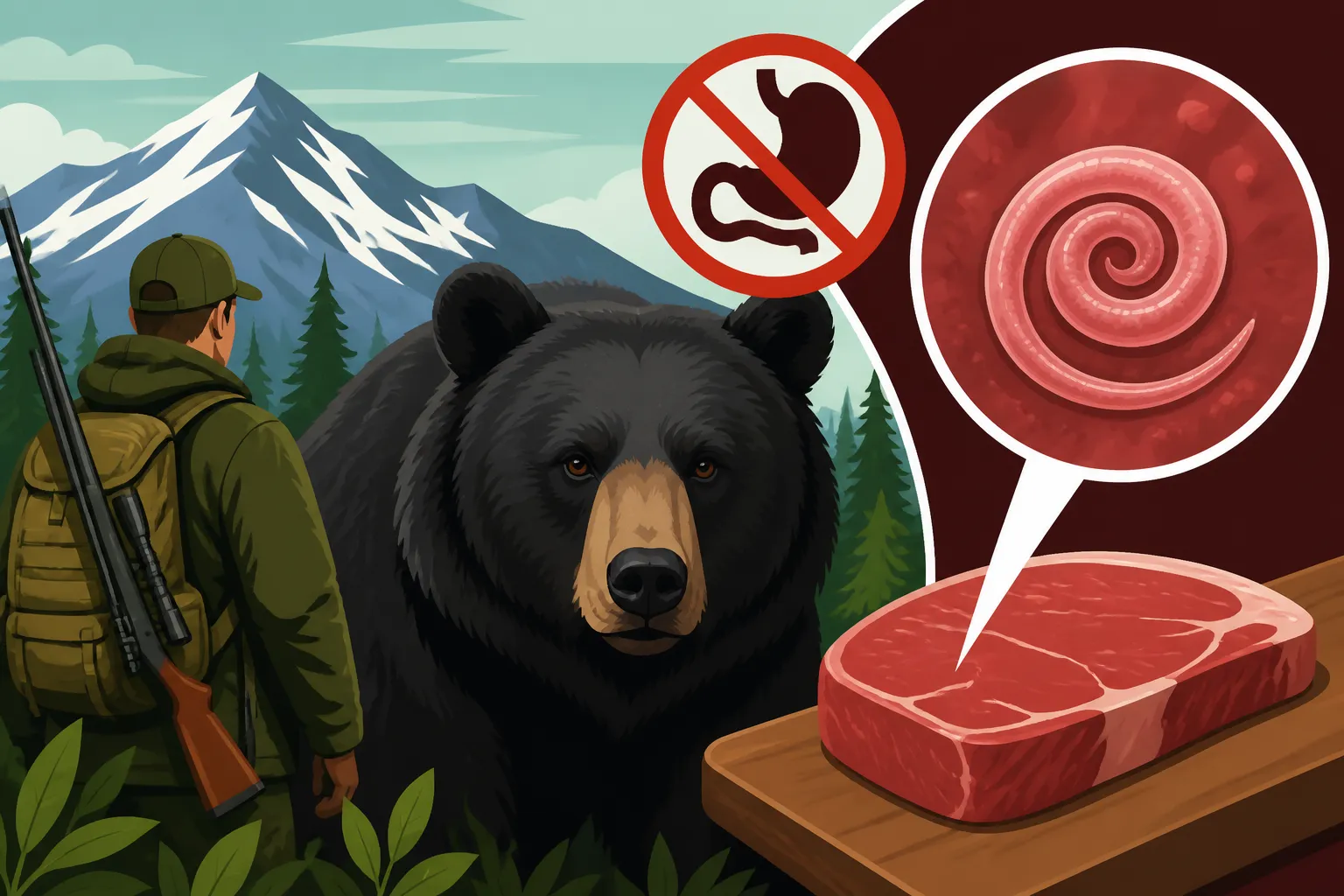
Bear Meat and Trichinosis Risk
There's a persistent whisper among hunters, a nagging worry that often crops up when discussing bear meat: the risk of trichinosis. It's a valid concern, one that can make even the most seasoned hunter hesitate about enjoying their hard-earned harvest. This guide is here to demystify that risk, explain what trichinosis is, and most importantly, equip you with the knowledge and confidence to safely harvest and enjoy your Washington black bear.
Understanding Trichinosis: The Unseen Threat
Let's cut right to it: trichinosis is a real thing, and it's something every bear hunter needs to be aware of. It's not some old wives' tale, but a parasitic infection caused by roundworms (specifically, Trichinella species) that can be found in the raw or undercooked meat of infected animals. While it's more commonly associated with wild hogs, bears are significant carriers, and this is where our concern as Washington hunters comes into play.
These tiny parasites are microscopic, meaning you won't see them just by looking at the meat. They exist as larvae encapsulated in the muscle tissue of an infected animal. When an animal (or human) consumes this infected meat, the larvae are released in the stomach, mature into adult worms, and then reproduce, sending new larvae throughout the body to encyst in muscle tissue. For humans, this can lead to a range of symptoms, from mild gastrointestinal upset to severe muscle pain, fever, and in rare cases, even heart or central nervous system issues. It’s definitely not something you want to experience after a successful hunt.
The good news? It's entirely preventable. The key lies in understanding the enemy and taking the right precautions. Many hunters, myself included, have enjoyed bear meat for years without issue because they follow stringent cooking guidelines. It's not about avoiding bear meat; it's about respecting the potential risk and handling it correctly. When you're out there planning your hunt, perhaps even using tools like GoHunt to scout potential Bear Diet Through the Washington Seasons or ideal Spotting Bears on Avalanche Chutes, remember that the hunt doesn't end when the animal is down—it extends all the way to your plate.
Why Bear Meat Carries a Higher Risk
When we talk about big game in Washington, bears stand out as a primary concern for trichinosis. Why is that? It largely comes down to their diet. Bears are omnivores, meaning they eat both plants and animals. They're opportunistic feeders, scavenging carrion, preying on smaller animals, and often consuming rodents, insects, and even other wild game. If any of these food sources are infected with Trichinella larvae, the bear can become a host.
Think about it: a bear might dig up a rodent's nest, eat a deer carcass left behind by a cougar, or even consume another bear's remains. Each of these scenarios presents an opportunity for the bear to ingest the parasite. Unlike deer or elk, which are primarily herbivores, bears are much more likely to consume the muscle tissue of other animals. This places them much higher on the risk scale for carrying Trichinella compared to the venison you might put on your table.
It's a biological reality of their ecological niche. This isn't to say every bear is infected, but the prevalence can vary depending on their local diet and environment. Given that we can't tell if a bear is infected just by looking at it or its meat, it's always safest to assume the possibility exists and act accordingly. This proactive approach ensures peace of mind and, more importantly, the safety of anyone enjoying the meal. When you're thinking about Washington Black Bear Season Dates and planning your next adventure, keep this in mind from the moment you consider pulling the trigger.
The Absolute Golden Rule: Cooking Temperature
This is the most critical piece of information for any hunter bringing home bear meat: cook it thoroughly. Heat is your absolute best friend in preventing trichinosis. There is no guesswork, no "maybe it's done," when it comes to bear meat. You need to achieve a specific internal temperature to kill any potential Trichinella larvae.
The U.S. Department of Agriculture (USDA) recommends cooking all wild game to an internal temperature of 160°F (71°C), which is also the recommendation for ground meat and mechanically tenderized meats. However, for whole cuts of fresh pork and certain wild game, including bear, the recommendation is often cited as 145°F (63°C) with a three-minute rest time. Many experienced hunters, myself included, will err on the side of caution and aim for an even higher internal temperature for bear, often targeting 160°F to 170°F (71-77°C), especially for larger cuts or if there's any doubt. Using a reliable meat thermometer is non-negotiable. Don't eyeball it, don't guess by color, and don't rely on the "juices running clear" method. Stick that thermometer into the thickest part of the meat, avoiding bone, and wait for a stable reading.
Here’s a quick guide to safe internal temperatures for various game meats, with a clear focus on bear:
| Meat Type | Minimum Internal Temperature | Rest Time (after removing from heat) | Notes |
|---|---|---|---|
| Bear Meat (Whole Cuts) | 160°F (71°C) | 3 minutes | Many hunters prefer 165°F (74°C) or higher for extra caution. |
| Bear Meat (Ground) | 160°F (71°C) | No specified rest needed | Ensure no pink remains. |
| Wild Hog | 160°F (71°C) | 3 minutes | Also high risk for trichinosis. |
| Deer/Elk (Whole Cuts) | 145°F (63°C) | 3 minutes | Can be cooked to medium-rare safely if desired. |
| Deer/Elk (Ground) | 160°F (71°C) | No specified rest needed | Ensure no pink remains. |
| Upland Birds | 165°F (74°C) | No specified rest needed | All poultry should be cooked to this temperature. |
This table is your golden rule. Print it out, memorize it, live by it when cooking bear. The three-minute rest time allows the temperature to stabilize and ensures the pathogens are truly eliminated throughout the cut. This is true whether you’re grilling steaks, slow-cooking a roast, or making bear jerky. Any method where the internal temperature is reached and held is sufficient.
Beyond Cooking: Other Important Precautions
While proper cooking is the number one defense against trichinosis, there are other considerations and myths to debunk around bear meat.
Freezing is Not Reliable for Trichinella
You might have heard that freezing meat kills parasites. For many parasites, including the species of Trichinella found in domestic pork (Trichinella spiralis), this can be true if done at very specific temperatures and for extended periods. However, wild animals, especially bears in northern climates, can carry cold-resistant species of Trichinella that are much harder to kill through freezing. For these species, even commercial-grade freezers at ultra-low temperatures for weeks might not be enough. So, do not rely on freezing as a method to make bear meat safe from Trichinella. It simply isn't a guaranteed solution. Always cook it.
Cross-Contamination is Key in the Field and Kitchen
Even before you get the meat home, proper handling is important. When field dressing, be mindful of hygiene. While the Trichinella parasite is in the muscle, preventing any contamination from digestive organs or feces is always good practice. Field Dressing in Warm Early-Season Weather means extra care is needed to prevent spoilage, and this extends to cleanliness. Use different cutting boards for raw and cooked meat, and always wash your hands, knives, and surfaces thoroughly with hot, soapy water after handling raw bear meat. This isn't specifically about Trichinella transmission (which is ingestion of infected muscle), but general food safety.
Processing and Grinding Your Own Meat
If you're processing your own bear, which many of us do, take extra care. Keep all cuts separate from other game meat (like deer or elk) until they are cooked. If you're Grinding Burger From Trim, make sure your grinder is thoroughly cleaned afterward, especially if you plan to grind venison later. Some hunters choose to process their bear meat separately or even send it to a commercial processor they trust, often after checking with GoHunt for local recommendations. If you do send it to a processor, make sure they are aware it's bear meat and that you intend to cook it to the required temperature.
Dispelling the "Testing" Myth
Some commercial labs can test meat for Trichinella, but this is generally not practical or widely available for individual hunters. The process can be costly and time-consuming, and by the time you get results, you've likely missed prime cooking windows or have stored the meat for too long. For the average hunter, the most practical and reliable method for ensuring safety remains thorough cooking. Don't wait for a test; just cook it right.
In summary, enjoy your bear meat! It can be absolutely delicious when prepared correctly. Just remember that thermometer, aim for that safe internal temperature, and you'll be able to savor a truly wild and rewarding meal. Remember, safety first always, both in the field and in the kitchen.
Disclaimer
This article is for general informational purposes only and does not constitute professional advice. Laws, prices and regulations vary by location and change over time. Consult a qualified professional for guidance on your specific situation.