Chronic Wasting Disease in Washington
Chronic Wasting Disease (CWD) is one of those topics that sends a shiver down the spine of any dedicated Washington hunter. It's a real and present concern, not just a distant problem, because it has the potential to profoundly impact the health of our deer, elk, and moose populations, and in turn, our cherished hunting traditions. This guide aims to shed light on what CWD is, what it means for hunting in Washington, and how each of us can play a vital role in keeping our herds healthy and our hunting opportunities viable for generations to come.
Understanding Chronic Wasting Disease (CWD)
Let's start by getting a clear picture of what CWD actually is, because understanding the enemy is the first step in combating it. It's not like your typical bacterial or viral infection, which makes it particularly insidious and challenging to manage.
What Exactly is CWD?
Chronic Wasting Disease is a neurological disorder that affects cervids – that's the family of animals including deer, elk, and moose. It's caused by abnormal proteins called prions, which are essentially misfolded proteins that cause normal proteins in the brain to also misfold. Think of it like a zombie apocalypse for brain cells. These prions accumulate, slowly but surely damaging the brain and nervous system of the infected animal. Over time, this leads to a range of devastating symptoms, eventually resulting in the animal's death. It’s always fatal, there is no known cure, and it’s a truly awful way for an animal to go.
How CWD Spreads Among Wildlife
One of the most concerning aspects of CWD is how easily it can spread within and between cervid populations. The prions can be shed by infected animals through saliva, urine, and feces long before they show any outward signs of being sick. This means a seemingly healthy deer or elk can be contaminating the environment, leaving behind infectious material that other animals can then pick up. Direct contact between animals, especially during breeding season or when they congregate at feeding sites, is a major transmission route. Carcasses of infected animals can also act as a reservoir for prions in the soil for years, possibly even decades, making cleanup and containment a massive challenge. It’s a disease that thrives on communal living and persists in the landscape.
The Silent Threat to Deer, Elk, and Moose
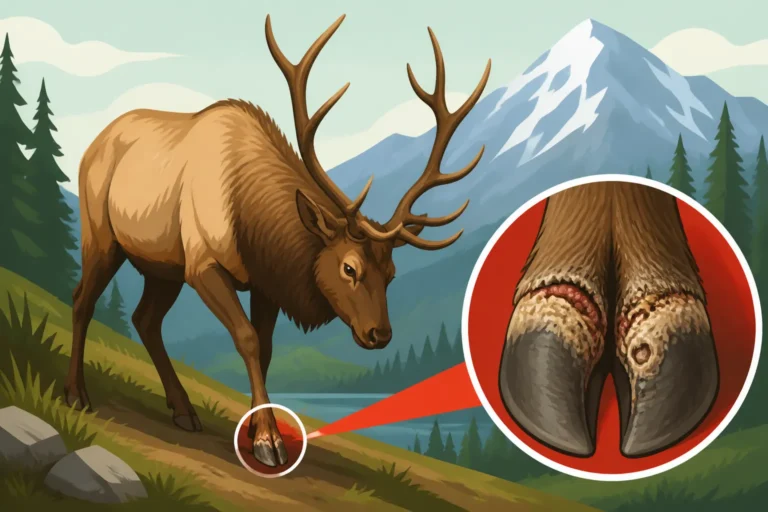
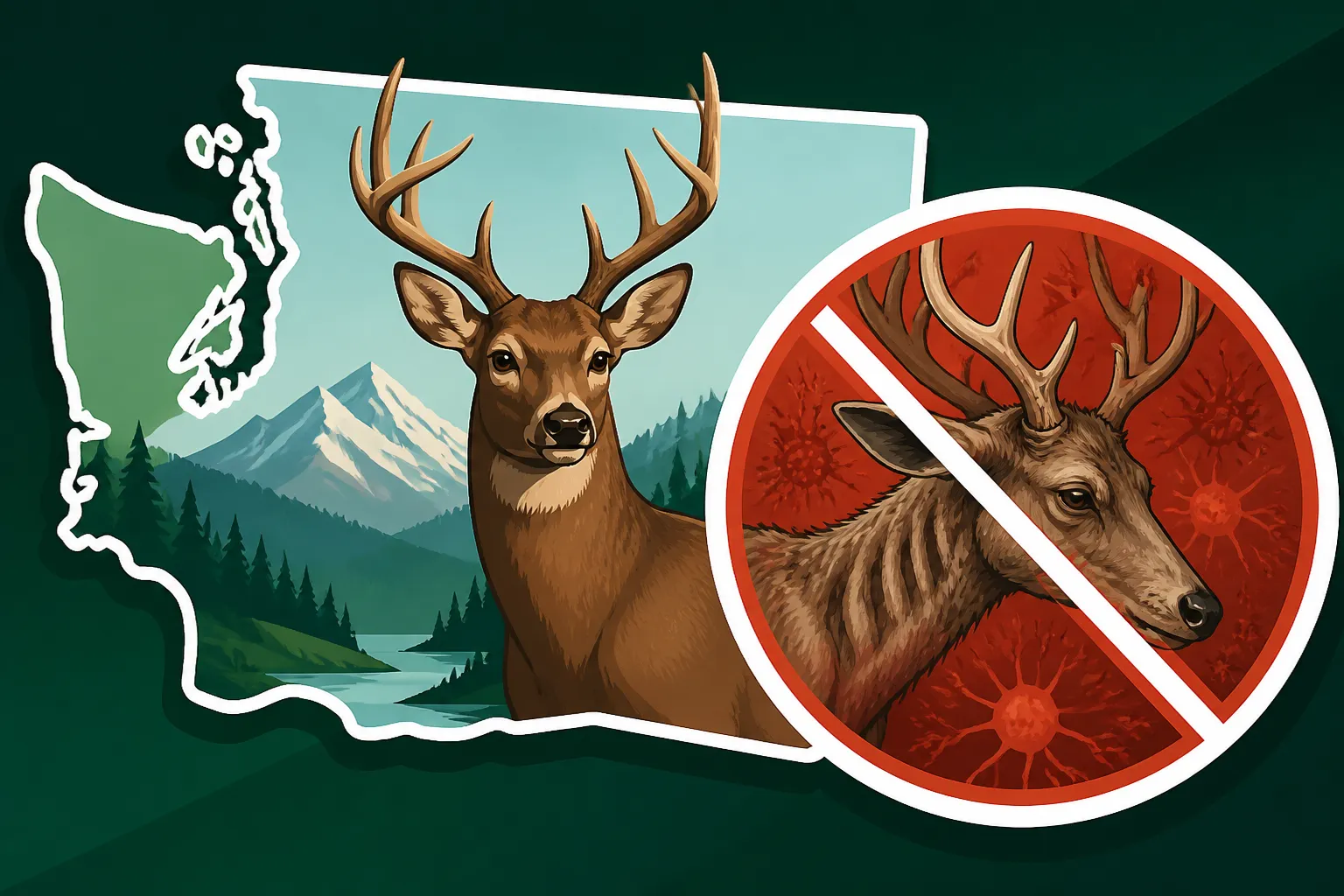
The insidious nature of CWD lies in its long incubation period. An infected animal might appear perfectly healthy for months, even years, before symptoms begin to manifest. During this time, they are silently spreading the disease. Once symptoms do appear, they include drastic weight loss (hence "wasting"), stumbling, lack of coordination, excessive drooling, lethargy, and a distinct lack of fear of humans. It’s heartbreaking to see an animal in this state. The biggest threat, however, isn't just the individual animals, but the potential for CWD to decimate entire local populations, drastically reducing herd numbers and impacting the genetic health of our beloved Washington Elk Herds and Where They Live, Columbian Blacktail Deer in Western Washington, and Mule Deer of Eastern Washington. It’s a threat to the very fabric of our outdoor heritage.
CWD in Washington: The Current Situation
It’s natural to feel a knot in your stomach when you hear about CWD, especially knowing how it has affected other states. The good news, for now, is that Washington State has a robust surveillance system in place.
Has CWD Been Detected in Washington?
As of my last check, thankfully, Chronic Wasting Disease has not been detected in wild deer, elk, or moose populations in Washington State. This is a huge win for hunters and wildlife managers, but it's not a reason to become complacent. The disease has been found in neighboring states and provinces, which means the threat is constantly knocking on our door. Remaining CWD-free requires constant vigilance, not just from state agencies but from every single hunter who ventures into the woods.
Washington's Surveillance and Testing Efforts
The Washington Department of Fish and Wildlife (WDFW) takes CWD very seriously. They have a comprehensive Washington Wildlife Disease Surveillance program in place to monitor for the disease. This includes targeted testing of hunter-harvested animals, road-killed animals, and any cervids found exhibiting neurological symptoms or acting abnormally. They focus on high-risk areas and specific populations, but widespread testing is an ongoing effort. This surveillance isn't just about finding CWD if it arrives; it’s about understanding the baseline health of our herds and identifying potential vectors or pathways for disease introduction. Using tools like GoHunt's mapping features can sometimes help hunters visualize areas where WDFW might be conducting special surveillance or where certain herd health advisories are in effect.
How Hunters Can Help in Monitoring
Hunters are truly the eyes and ears of our wildlife management. You're out there, observing animal behavior, and you're often the first to notice if something is off. If you harvest an animal that appears sickly, emaciated, or displays any unusual neurological symptoms, it's crucial to report it to WDFW immediately. They may ask you to submit samples for testing. Additionally, participating in voluntary testing programs for your harvested animal, especially if hunting near the state border or in areas WDFW has flagged for increased surveillance, is an invaluable contribution. Every bit of information helps build a clearer picture of our cervid health and strengthens our defense against CWD. When planning your hunt, resources like GoHunt can sometimes highlight WDFW’s current CWD surveillance zones, making it easier for you to understand where your cooperation is most needed.
Carcass Rules and Preventing CWD Spread
Preventing the introduction and spread of CWD is a shared responsibility, and handling carcasses correctly is a critical part of that. These rules aren't just bureaucratic red tape; they are science-backed measures designed to protect our wildlife.
Understanding Washington's Carcass Import Rules
Washington has strict rules about bringing cervid carcasses or parts into the state, especially from areas where CWD has been detected. Generally, you cannot bring in whole carcasses or high-risk parts like brain, spinal cord, eyes, spleen, or lymph nodes from CWD-positive areas. The safest bet, if you hunt out of state, is to bring back only deboned meat, antlers (cleaned of any tissue), hides (without the head), and skulls (cleaned of all tissue, often called "taxidermy ready"). Always check the latest WDFW regulations before crossing state lines with any harvested game. Ignoring these rules puts our local Washington Moose, Sheep and Mountain Goat populations, as well as deer and elk, at unnecessary risk. These regulations are often detailed in the annual hunting pamphlet and on the WDFW website, so double-check those sources.
Best Practices for Field Dressing and Handling
Even if you're hunting entirely within Washington, good field dressing and carcass handling practices are essential. If CWD were ever detected here, these practices would become even more critical. When field dressing, try to minimize the spread of fluids, especially neurological tissues. Wear gloves and use separate tools for field dressing and then for processing meat back home. Avoid cutting through the brain or spinal cord. Once the animal is field-dressed, cool the meat as quickly as possible. This is not only good for meat quality but also inhibits bacterial growth that can complicate disease detection if testing becomes necessary. Consider carrying a clean tarp or large game bags to keep meat off the ground. Read up on Field Dressing in Warm Early-Season Weather to ensure your meat is cared for properly.
Safe Disposal of Carcass Waste
Proper disposal of carcass waste is paramount. This is where those persistent prions can really cause problems. Never, ever, dump high-risk parts (brain, spinal cord, spleen, etc.) in areas where other cervids can access them, like near water sources or along game trails. The best method for disposal is often double-bagging these parts and disposing of them in a lined landfill that accepts animal waste. Burying them deeply in an area where cervids are unlikely to dig them up and where they won't contaminate water sources is another option, though disposal regulations can vary by specific area and land management agency, so always check local rules, particularly on Washington Wildlife Area Rules. The goal is to isolate those potentially infectious prions from the environment and other animals.
Protecting Yourself and Your Harvest
While the primary concern with CWD is always wildlife health, it’s understandable that hunters also think about the safety of consuming their harvest. Being informed is the best defense.
Is CWD a Risk to Humans?
This is the big question everyone asks. The Centers for Disease Control and Prevention (CDC) and other public health organizations state that there have been no documented cases of CWD causing disease in humans. However, out of an abundance of caution, they recommend not consuming meat from an animal known to be infected with CWD. The prions that cause CWD are different from those that cause "mad cow disease" (Bovine Spongiform Encephalopathy), which has been linked to a human variant. The scientific community is still actively researching the potential for cross-species transmission, so playing it safe is always the smartest approach.
Testing Your Harvest for Peace of Mind
If you're hunting in an area where CWD has been detected (not currently Washington, thankfully) or if you have any concerns about an animal you've harvested, getting your animal tested provides real peace of mind. WDFW, in partnership with other agencies, can facilitate testing for CWD. While there's usually a cost associated with voluntary testing, it's a small price to pay for certainty, especially if you plan to share your harvest with family and friends. This goes hand-in-hand with understanding CWD Testing and Carcass Rules. Keep in mind that testing can take some time, so plan accordingly if you want results before processing all your meat.
Here's a quick overview of testing options:
| Scenario | Recommendation | Common Testing Sites | Considerations |
|---|---|---|---|
| Harvested in Washington | If animal appears sick, contact WDFW. Otherwise, not routinely required. | WDFW regional offices (as needed) | Keep carcass parts (head) if asked to submit for testing. |
| Harvested in CWD-positive area (out-of-state) | Follow WA import rules. Test high-risk parts before bringing meat into WA. | Certified labs in harvest state or designated WDFW drop-offs | Debone meat first. Dispose of high-risk parts per state/local regulations. |
| Road-killed or Found Dead | Report to WDFW, especially if showing CWD symptoms. | WDFW or authorized wildlife rehabilitators | Do not handle without gloves; do not consume meat from symptomatic animals. |
Basic Hygiene and Handling Precautions
Regardless of CWD status, good hygiene is always crucial when handling wild game. This includes wearing rubber or latex gloves when field dressing and butchering. Wash your hands thoroughly with soap and warm water (or use hand sanitizer if water isn't available) after handling raw meat and before eating or drinking. Clean all knives, cutting surfaces, and equipment with a bleach solution (e.g., 50/50 bleach and water) or commercial disinfectant after processing. These aren't just CWD precautions; they're smart food safety practices for any wild game, reducing the risk of bacterial contamination as well.
The Future of CWD in Washington Hunting
The specter of CWD can be daunting, but it's important to remember that Washington has a strong foundation of proactive management and a dedicated hunting community. The future of hunting here depends on our collective efforts.
What WDFW is Doing to Prepare
The WDFW continues to be at the forefront of CWD preparedness. They participate in regional and national discussions, staying up-to-date on the latest scientific research and best management practices from other states. Their surveillance program is ongoing, and they have contingency plans in place should CWD ever be detected in Washington. This includes strategies for containment, public communication, and adaptation of hunting seasons or regulations. They are also actively educating hunters and the general public, knowing that an informed community is our best defense. You can often find updates on their website, sometimes featured by outdoor news aggregators like GoHunt.
The Role of Hunters in Long-Term Management
Hunters are arguably the most vital component in the long-term management of CWD, should it ever arrive. Our active participation in surveillance, adherence to carcass import and disposal rules, and willingness to adapt to new regulations will determine the outcome. Beyond CWD, hunters also contribute through license fees, which directly fund wildlife research and management programs. By supporting ethical hunting practices and understanding wildlife biology, we ensure that our cherished traditions can continue. Consider how your hunting choices, from selecting a weapon season (e.g., Choosing a Weapon Season for a Washington Elk Tag) to deciding on a specific unit, might contribute to overall herd health monitoring.
Staying Informed About CWD Updates
Knowledge is power, especially when it comes to wildlife diseases. Staying informed means regularly checking the WDFW website for the latest CWD updates, reading the annual hunting regulations pamphlet thoroughly, and paying attention to news from reputable wildlife conservation organizations. Discussions on forums or through tools like GoHunt can also be good sources for community perspectives, but always cross-reference official WDFW communications for factual accuracy. We all need to be ready to adjust our hunting practices if CWD ever establishes a foothold here. This might include changes to Washington Multi-Season Tags and Three Chances or specific GMU regulations, so remaining adaptable and well-informed is key to continuing to enjoy Washington's incredible hunting opportunities.
Disclaimer
This article is for general informational purposes only and does not constitute professional advice. Laws, prices and regulations vary by location and change over time. Consult a qualified professional for guidance on your specific situation.