Spotting Bears on Avalanche Chutes
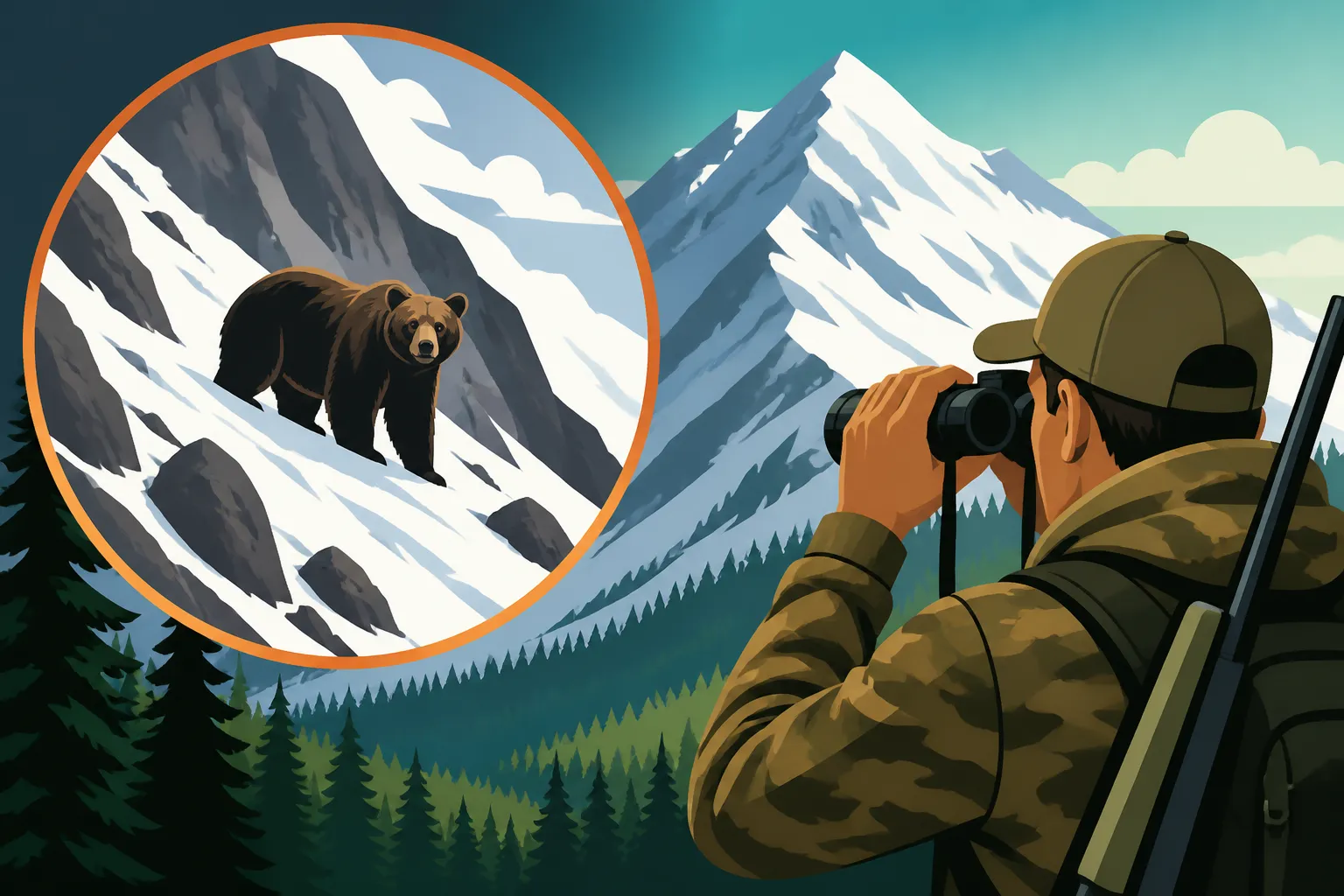
There's nothing quite like the frustration of busting your butt into Washington's backcountry, only to stare at endless timber and feel like you're hunting ghosts. Black bears are notoriously elusive, especially on our public lands where baiting isn't allowed. But if you know where to look, and how to look, you can drastically increase your odds. This guide is all about helping you understand why avalanche chutes are bear magnets and how to effectively glass them to spot those big bruins.
Why Avalanche Chutes are Prime Bear Habitat
Avalanche chutes, those long, narrow scars on mountainsides where snowslides have cleared out the mature timber, are ecological hotspots for Washington black bears. They're not just random clearings; they're dynamic environments that offer a smorgasbord of food sources and crucial cover, making them irresistible to hungry bears throughout the warmer months. Understanding this ecosystem is the first step to knowing where to point your optics.
A Buffet of Early Season Forage
As spring melts away the deep snowpack in the Cascades, Olympics, and other mountain ranges across Washington, avalanche chutes are often the first places to "green up." Their steep slopes and southern exposures catch the sun's rays, warming the soil and encouraging a burst of early vegetation growth. This timing is critical for bears emerging from hibernation, ravenously hungry and needing nutrient-rich food. They'll gorge on succulent grasses, clover, and a variety of forbs that provide essential protein and fiber. Think of it like a freshly laid out buffet after a long winter fast. While some hunters focus on general areas for Spot-and-Stalk Bear on Washington Green-Up Slopes, narrowing your focus to these specific chutes can be a game-changer because they often offer the earliest and most concentrated food source.
A Summer and Fall Berry Patch Paradise
Beyond the initial green-up, avalanche chutes transition into prime berry-producing zones. As summer progresses into early fall, these open areas, free from dense tree canopy, receive ample sunlight, which is perfect for cultivating vast patches of huckleberries, blueberries, and salmonberries. If you've ever hiked through a productive huckleberry patch, you know the sheer abundance they can offer. Bears certainly do, and they'll spend hours, even days, methodically stripping berries from bushes. This seasonal shift means that a chute that was fantastic for early spring grasses might still be excellent in August or September for berries, making it a reliable spot for bears over a long period. Understanding the bear diet through the Washington seasons is paramount to predicting where they’ll be.
Security and Accessibility
While food is the primary draw, avalanche chutes also offer a fantastic balance of security and accessibility. The chutes themselves are open enough for bears to forage efficiently, but the edges are typically bordered by dense timber. This timber provides immediate cover for bears to retreat into if they feel threatened, or to bed down in during the heat of the day. They can move freely between feeding areas and escape routes, feeling safe and secure. Furthermore, many chutes have natural benches or terracing within their structure, providing ideal spots for bears to pause, sun themselves, or even dig a temporary day bed. These areas of broken terrain also offer access to small seeps or springs, ensuring a convenient water source, which is especially important during dry periods.
Identifying Productive Avalanche Chutes for Spotting Bears
Not all avalanche chutes are created equal. Some are barren, steep rockslides, while others are lush, verdant oases. Learning to differentiate between the two, often from a distance or on a map, is crucial for maximizing your bear spotting efforts. This process combines good old-fashioned scouting with modern technology.
Aspect, Elevation, and Sun Exposure
The orientation of a chute relative to the sun (its aspect) plays a massive role in its productivity. South-facing and southwest-facing chutes are generally the most productive, especially earlier in the season. These aspects receive the most sunlight, leading to earlier snowmelt and a more rapid green-up. They also tend to hold warmth longer, promoting better berry growth later in the year. As the season progresses and temperatures rise, bears might shift to slightly higher elevations or more easterly/westerly aspects to find cooler temperatures and later-ripening berries. East-facing slopes get morning sun, melting snow and greening earlier, but may offer some afternoon shade. West-facing slopes are similar but get more intense afternoon sun. Using topographic maps and satellite imagery on platforms like GoHunt can help you quickly identify chutes with favorable aspects and elevations within your chosen Game Management Unit (GMU).
Vegetation Types and Signs
Once you’ve identified chutes with good aspect, you need to assess their vegetation. Look for chutes that appear vibrant green in the spring and early summer, indicating a healthy mix of grasses and forbs. Later in the season, you'll be keying in on areas with visible berry bushes, which often have a slightly different texture or color on satellite imagery. Ground scouting, even for just a quick walk through a promising chute, can reveal crucial details like the presence of scat, overturned rocks or logs where bears have dug for grubs, or rubbed trees where they've left their scent. These signs confirm bear presence, even if you don't spot a bear initially. Remember, bears are creatures of habit, and if they've used a chute before, they're likely to use it again.
Using E-Scouting Tools Effectively
Before you even set foot in the field, modern e-scouting tools are invaluable for identifying potential bear-holding chutes. Platforms like GoHunt provide detailed satellite imagery, topographic maps, and land ownership overlays that can save you countless hours. Start by zooming in on your target GMU and looking for those tell-tale avalanche scars. Pay attention to the transitions from timber to open chutes. Look for areas where the vegetation appears thicker and greener, especially on south-facing slopes. You can mark these potential hot spots on your digital map, creating a game plan for where to focus your glassing efforts. Consider layers that show recent burns, as these areas can also provide excellent forage and attract bears. This kind of diligent E-Scouting Washington GMUs Before the Draw can give you a significant advantage.
| Chute Characteristics | Early Season (Spring/Early Summer) | Late Season (Late Summer/Fall) |
|---|---|---|
| Aspect | South, Southwest, Southeast | South, East, West (for berries) |
| Elevation | Lower to Mid-Elevations | Mid to Higher Elevations |
| Vegetation | Lush grasses, forbs, clover | Huckleberry, Salmonberry, Blueberries |
| Water | Snowmelt seeps, springs | Springs, small creeks |
| Cover | Dense timber edges nearby | Dense timber edges nearby |
| Sign | Fresh scat, overturned rocks/logs | Scat, chewed berries, rubbed trees |
Effective Glassing Strategies for Bear Spotting
Once you've identified promising avalanche chutes, the real work begins: glassing. This isn't just a casual glance; it's a systematic, patient, and often tedious process that demands the right gear and a disciplined approach. Bears can be surprisingly hard to spot, even in relatively open terrain, often blending seamlessly with the shadows and broken ground.
Choosing Your Glassing Location and Timing
Selecting the right vantage point is paramount. You want a position that offers a wide, unobstructed view of the entire chute you intend to glass, preferably from a safe distance where your presence won't spook any animals. Elevated ridges or opposing slopes are often ideal. Ensure you have a stable rest for your optics—a tripod is non-negotiable for serious glassing, as even the slightest wobble can cause you to miss a subtle movement. When it comes to timing, bears are most active during the cooler parts of the day. This means early mornings, from first light until mid-morning, and then again in the late afternoon and evening, right up until dark. During the midday heat, bears typically bed down in the timber or under thick brush, making them much harder to spot. Plan your approach to be on your glassing point well before first light, or stay until the very last bit of legal shooting light fades. For good insights on this, you can check out tips for Glassing Breaks at First Light.
The Art of Systematic Glassing
Don't just sweep your binoculars randomly across the slope. This is where most hunters fail. Instead, adopt a systematic grid search pattern. Start at one edge of the chute, focusing on a small section, meticulously scanning every rock, shadow, and patch of vegetation. Once you've thoroughly examined that section, move your optics horizontally or vertically to the next adjacent section, overlapping slightly to ensure no area is missed. Repeat this process until you've covered the entire chute.
When you're glassing, look for anything that breaks up the natural patterns of the terrain. A bear's black or brown coat will stand out against green grass or lighter rocks. Focus on subtle movements: a twitching ear, a lifted head, or the shift of a shadow. Bears often move slowly and deliberately, so you need to be patient. It’s not uncommon to glass a section for 20 minutes, come back to it an hour later, and suddenly see a "rock" that wasn't there before – only for it to stand up and reveal itself as a bear. This kind of patience and attention to detail is essential when trying to spot Bears on Avalanche Chutes.
Essential Optics and Gear
Having the right optics makes a world of difference. While a good pair of 10×42 binoculars is a solid starting point for general hunting, consider stepping up to a 15×56 or even a high-quality spotting scope on a tripod for dedicated bear glassing. The increased magnification and light-gathering capability of a spotting scope can help you pick out details from extreme distances, crucial for identifying animals and judging their size. For those wanting to dive deeper into gear, articles like Choosing Binoculars for Washington Glassing and Tripods and Binocular Adapters offer excellent advice. A rangefinder is also critical for accurately determining distances once you spot a bear, helping you decide on a stalk strategy. Remember to protect your optics from the elements. Washington weather can be unpredictable, so good rain covers and a clean cloth are always handy. When you eventually spot a bear, take your time to judge its size at a distance. Getting a good estimate of Black Bear Weight in Western Washington is important for ethical harvesting.
Common Pitfalls and Advanced Tips for Chute Hunting
Even with the best intentions and gear, hunting bears on avalanche chutes comes with its unique set of challenges. Avoiding common mistakes and employing some advanced tactics can significantly boost your success rate and ensure a safer, more rewarding hunt.
The Trap of Rushing Your Glassing
One of the most frequent errors hunters make is rushing the glassing process. We're often eager to see something, anything, and this eagerness can lead to quick, superficial scans rather than deep, methodical observation. A bear could be bedded down, partially obscured, or simply moving at a snail's pace, and a hurried scan will completely miss it. Develop the discipline to spend at least 15-20 minutes on each small segment of a chute before moving on. Then, after scanning the entire chute, let your eyes rest and come back to it again. Light conditions change, shadows shift, and bears move. What was invisible moments ago might suddenly pop into view. Patience isn't just a virtue in hunting; it's a critical skill, especially when targeting such a notoriously camouflaged animal.
The Unseen Hand of the Wind
Bears possess an incredible sense of smell, far superior to ours. Ignoring the wind direction is a rookie mistake that will almost guarantee you'll spook a bear before you even know it's there. Always approach your glassing spot, and later your stalk, with the wind in your face or quartering. Even if you're hundreds of yards away, a thermal shift or an unexpected gust can carry your scent directly to a bear. Before settling into a glassing position, check the wind. If it's unfavorable for approaching a particular chute, either move to a different vantage point or consider another area. No matter how good your glassing technique, if a bear winds you, the game is over. For general spot-and-stalk considerations, read up on Spot-and-Stalk Bear Hunting in Washington Without Bait.
Adapting to Seasonal Shifts and Forage Changes
Bears are opportunists, and their feeding patterns are dictated by what's available and most nutritious. Early in the season, they're after those tender green shoots in the lower to mid-elevation chutes. As summer progresses, their focus will shift dramatically to berries. If you're hunting in late summer or early fall, you might be wasting your time glassing chutes that have already dried out or where the berry crop was poor. You need to know Where Bears Feed in Early Fall and adjust your scouting and glassing to match. This might mean shifting to higher elevations where huckleberries ripen later, or finding chutes that offer a different type of berry. Keep an eye on local conditions, talk to forest service personnel, or read online reports to understand the current year's forage conditions.
Utilizing Shadows and Advanced Glassing Angles
Experienced glassers often use the play of light and shadow to their advantage. At certain times of day, shadows can create contrast that makes a bear's outline more apparent against the uneven terrain. Conversely, a bear might bed down in a deep shadow, disappearing from view. Don't be afraid to change your glassing angle if a particular section of a chute is difficult to see. Sometimes just moving 50 yards to the left or right can open up a completely new perspective, revealing an animal that was previously hidden behind a ridge or clump of trees. Always be willing to backtrack and re-glass an area, especially if you have a gut feeling. Animals move, even when bedded, and a slight shift can expose them.
Disclaimer
Hunting is an inherently dangerous activity. This guide provides general information for educational purposes only and is not a substitute for professional training, comprehensive research of Washington Department of Fish and Wildlife regulations, or safe hunting practices. Always prioritize safety, respect wildlife, and adhere to all local, state, and federal laws and regulations.