Cougar Meat Salvage in Washington
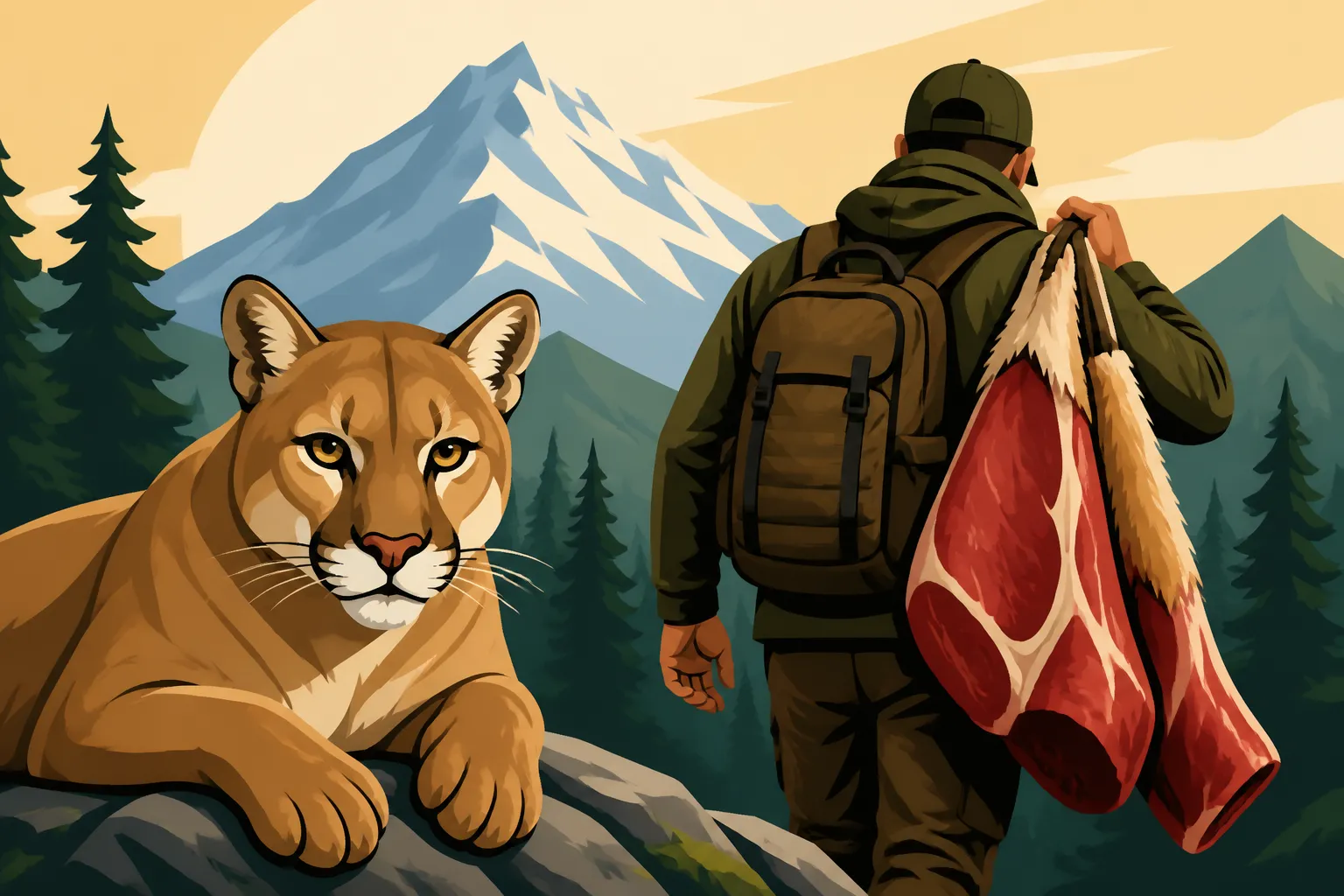
There's often a bit of mystery and a lot of questions swirling around cougar hunting in Washington, especially when it comes to what you're supposed to do with the animal after the shot. Many hunters aren't quite sure about the rules or the practicalities of salvaging the meat from a cougar, a magnificent apex predator often seen differently from elk or deer. This guide is here to clear up the confusion, walk you through the legal requirements, and give you practical, realistic steps for field dressing and preparing cougar meat, ensuring you honor your harvest responsibly and ethically in the Evergreen State.
Legal Framework of Cougar Harvest and Salvage in Washington
Hunting cougars in Washington is a unique pursuit, and the regulations surrounding their harvest and salvage are important to understand. Unlike some areas where predators might be treated purely as nuisance animals or furbearers, Washington generally regards cougars as a game animal, meaning specific rules apply to their management and your responsibility as a hunter. It’s not just about the thrill of the hunt; it's about fulfilling your role in wildlife conservation and respecting the animal you've taken.
Cougar as a Game Animal in Washington
In Washington, cougars are classified as a big game species. This designation comes with a set of responsibilities that include proper licensing, adherence to season dates, bag limits, and most importantly, requirements for harvest reporting and, where applicable, meat salvage. This isn't like trapping a coyote or other furbearers where meat salvage might be optional or simply not practical. When you punch your tag on a cougar, you're expected to follow the same principles of ethical harvest and utilization that apply to deer or elk. Understanding Washington Cougar Season and Harvest Guidelines is your first step. Remember, the goal is always to utilize as much of the animal as possible.
General Salvage Requirements
For most big game in Washington, the law requires hunters to remove all edible meat from the animal's carcass, taking it from the field for human consumption. This includes cougars. The idea is to prevent waste and ensure that the animal's life is taken with purpose and respect. While the definition of "edible meat" can sometimes be debated for certain species, the spirit of the law is clear: make every effort to utilize what you harvest. This means you can't just take the hide or skull and leave the rest to waste. If you're planning your hunt, be sure to factor in the effort and equipment needed for meat retrieval, just as you would for a deer or an elk. Reputable resources like GoHunt often detail these requirements in their state-specific guides, helping hunters understand their obligations before they head afield.
Reporting Your Harvest
One of the most critical aspects of cougar hunting in Washington is the harvest reporting. Unlike some other big game species where reporting is simply a good idea, for cougars, it's a mandatory requirement, often with a very specific timeframe. You usually need to contact the Washington Department of Fish and Wildlife (WDFW) within a short window, often 48 hours, to report your kill. They will often require the skull and hide to be presented for inspection, where they might collect biological data, age the animal, and seal the hide or skull. This data is incredibly valuable for managing cougar populations effectively. Missing this step can lead to significant penalties, so make sure you're crystal clear on the process before you even step foot in the woods. Always double-check the current regulations in the WDFW pamphlet, and consider setting reminders on your phone for reporting deadlines. For a deeper dive into this, check out Washington Harvest Reporting Requirements.
Practical Steps for Field Dressing and Salvaging Cougar Meat
Salvaging cougar meat requires a similar approach to other big game, but with a few unique considerations. You're dealing with a predator, so hygiene is paramount. Plus, cougars, while muscular, don't have the sheer bulk of an elk, meaning your approach to quartering might be slightly different. Planning ahead, much like you would for any backcountry hunt, is crucial. Using tools like GoHunt's mapping features can help you anticipate how far you might need to pack out your animal.
Essential Tools and Preparation
Before you even head out, ensure you have the right tools. A sharp, durable knife is non-negotiable, and having a spare blade or a sharpener is a smart move. Many hunters prefer a replaceable blade knife system for easy swapping in the field. Gloves are absolutely essential when handling any wild game, but especially predators, to protect yourself from potential parasites or bacteria. Heavy-duty game bags are also a must to keep the meat clean and allow it to cool properly. Don't forget a sturdy pack if you're planning on a long haul out. Think about how you would prepare for Knives, Game Bags and Meat Care Gear for an elk hunt; apply that same rigor here.
The Gutless Method Versus Traditional Field Dressing
For cougars, the "gutless method" can be particularly efficient, especially if you're alone or facing a long pack out from rugged terrain. This method involves skinning the animal and removing the major muscle groups (shoulders, hams, backstraps, tenderloins) without opening the body cavity. This minimizes contamination and can be quicker, which is vital in warmer weather. If you choose traditional field dressing, be meticulous about cleanliness. Predators can carry parasites, so avoid puncturing the stomach or intestines. The key is to work quickly and cleanly to separate the hide and muscle from the organs. Regardless of your method, ensure you're getting all the muscle tissue that qualifies as edible meat. You might find some helpful tips in Field Dressing in Warm Early-Season Weather for general big game, which can be adapted for cougars.
Initial Cooling and Transport
Once the meat is off the bone and in game bags, cooling is your next priority. Cougar meat, like any game, spoils rapidly if not cooled quickly. In Washington's often temperate climate, especially in early or late seasons, this might mean finding shade, hanging the bags to allow air circulation, or even packing snow around them if available. Transporting the meat cleanly is equally important. Use your pack frame to keep the game bags off your back and allow air circulation. If you're driving a long distance, a good quality cooler with plenty of ice is indispensable. For more detailed advice on cooling, refer to Getting a Carcass Cooled Fast. Remember, preserving the quality of the meat starts the moment the animal hits the ground.
Here’s a quick checklist for cougar meat salvage:
| Task | Description | Priority |
|---|---|---|
| Verify Regulations | Confirm current WDFW season dates, bag limits, and reporting requirements. | High |
| Gear Check | Pack sharp knives, gloves, sturdy game bags, small bone saw (optional), first-aid kit, and a reliable pack. | High |
| Field Dress Method | Decide on gutless or traditional; prioritize cleanliness and quick cooling. | Medium |
| Meat Care | Remove all edible muscle groups, place in breathable game bags, keep off ground. | High |
| Cooling | Get meat cooled rapidly by hanging in shade, circulating air, or using ice/snow for transport. | High |
| Transport | Use a frame pack for backcountry hauls; use coolers with ice for vehicle transport. | High |
| WDFW Reporting | Contact WDFW within specified timeframe (e.g., 48 hours) for mandatory harvest report and inspection. | Critical |
| Processing | Butcher promptly; grind lean meat, stew cuts, or prepare roasts. | Medium |
Ensuring Quality and Safety of Cougar Meat
Eating cougar meat might sound adventurous to some and questionable to others, but with proper handling, it can be a delicious and lean protein source. The key is to treat it with the same, or even greater, care than you would any other wild game. Concerns often arise regarding parasites or taste, but these can largely be mitigated with good practices.
Handling and Hygiene
Because cougars are carnivores, there's always a higher potential for parasites like Trichinella (though less common than in bears). This doesn't mean the meat is unsafe; it simply means extreme care and hygiene are critical. Always wear gloves during field dressing and processing. Wash your hands thoroughly and disinfect all surfaces and tools that come into contact with the meat. Ensure the meat is kept separate from other foods to prevent cross-contamination. Any cuts or scrapes on your hands should be covered. Think of it as handling raw chicken – you wouldn't take shortcuts there, so don't take them with cougar.
Processing and Cooking
The best way to ensure safety and quality is through thorough cooking. Unlike deer or elk, where some cuts might be enjoyed rare or medium-rare, cougar meat should always be cooked to an internal temperature that kills any potential parasites. This typically means cooking it thoroughly, like pork. Grinding the meat for burger or sausage is a popular choice, as it ensures even cooking. Many hunters also use cougar for stew meat, slow-cooked roasts, or even jerky, where the long cooking times or drying processes also kill off potential pathogens. When preparing your game, whether it's cougar or a Roosevelt Elk of Western Washington, proper processing, freezing, and cooking are non-negotiable.
Common Uses for Cougar Meat
Once properly processed, cougar meat can be surprisingly versatile. Its lean nature means it benefits from moisture and fats during cooking.
- Ground Meat: This is probably the most common use. It makes excellent chili, tacos, spaghetti sauce, or even meatballs. You can mix it with a fattier meat like pork or beef if you find it too lean.
- Stew or Chili: Slow cooking tenderizes the meat and allows it to absorb flavors beautifully.
- Roasts: While leaner, a cougar roast cooked low and slow with moisture can be delicious. Consider marinating or barding it with bacon.
- Jerky: The lean muscle can make fantastic jerky when sliced thinly and dried.
Don't be afraid to experiment! Many recipes that work for venison or wild hog can be adapted for cougar, keeping in mind the need for thorough cooking. Aging Meat in a Spare Refrigerator can also be a consideration for certain cuts, though less common with predators.
Common Misconceptions and Ethical Considerations
The idea of salvaging and eating cougar meat often brings up strong opinions and many misunderstandings. As hunters, it's important to approach these conversations with accurate information and a strong ethical stance. Respect for the animal extends beyond the field dressing to how we talk about and utilize the resource.
Dispelling Myths About Cougar Meat
One of the biggest myths is that cougar meat tastes bad or is inherently unsafe. While it can be tough if not cooked properly and some find its flavor strong, it's generally palatable and, when cooked thoroughly, safe for human consumption. Many describe it as being similar to pork or veal, but leaner. The taste can vary depending on the animal's diet (as with any wild game), but it's far from the "gamy" or "foul" taste some assume for a predator. The notion that it's too "dirty" to eat is also largely a misconception; proper hygiene and cooking address any concerns. GoHunt forums and online communities often feature discussions where hunters share their experiences and recipes, helping to bust these myths.
Respect for the Animal
Salvaging cougar meat is, fundamentally, an act of respect. It demonstrates that you view the animal not just as a trophy or a target, but as a valuable part of the ecosystem that deserves full utilization. Leaving an animal to waste, regardless of species, is frowned upon within the hunting community and often illegal. By taking the time and effort to prepare the meat, you're honoring the life of the animal and showcasing responsible hunting ethics. This aligns with broader conservation principles that promote wise use of natural resources. Thinking about Cougar Predation on Washington Deer Herds reminds us of their role in the ecosystem, and our responsibility to manage them wisely.
Community Perceptions
In an era where hunting is increasingly scrutinized, demonstrating a commitment to full utilization of harvested animals is crucial for maintaining a positive public image. When anti-hunting groups highlight perceived waste, hunters who responsibly salvage all edible meat provide a counter-narrative. Talking openly and honestly about why and how you use cougar meat can help educate non-hunters and reinforce the ethical underpinnings of hunting. It shows that hunting is not just about the kill, but about a deep connection to nature and a respect for wildlife. This is part of the larger conversation around Cougars in Washington and How Many There Are and our role in managing their populations.
Disclaimer
This article is for general informational purposes only and does not constitute professional advice. Laws, prices and regulations vary by location and change over time. Consult a qualified professional for guidance on your specific situation.