Calling Cougars With a Fawn Distress Sound
Fawn distress calls attract elusive cougars in Washington by mimicking injured mule deer and blacktail deer during dawn and dusk.
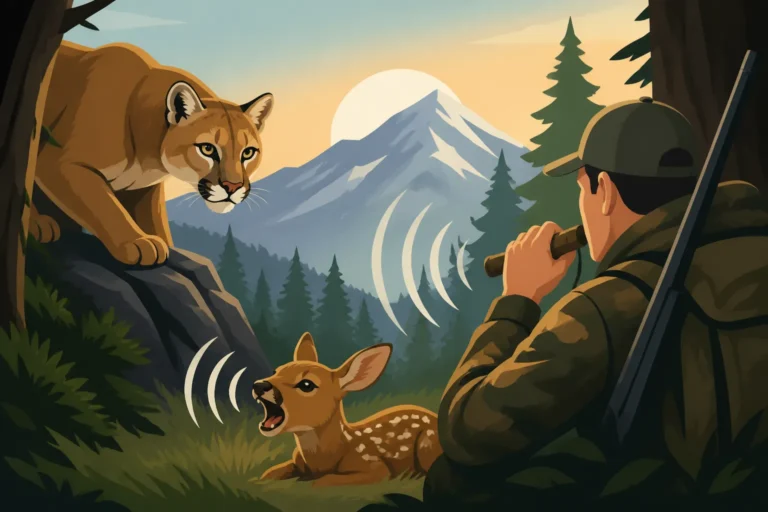
Fawn distress calls attract elusive cougars in Washington by mimicking injured mule deer and blacktail deer during dawn and dusk.

Washington antler point regulations, including eye guard rules and common counting mistakes made by hunters under pressure.
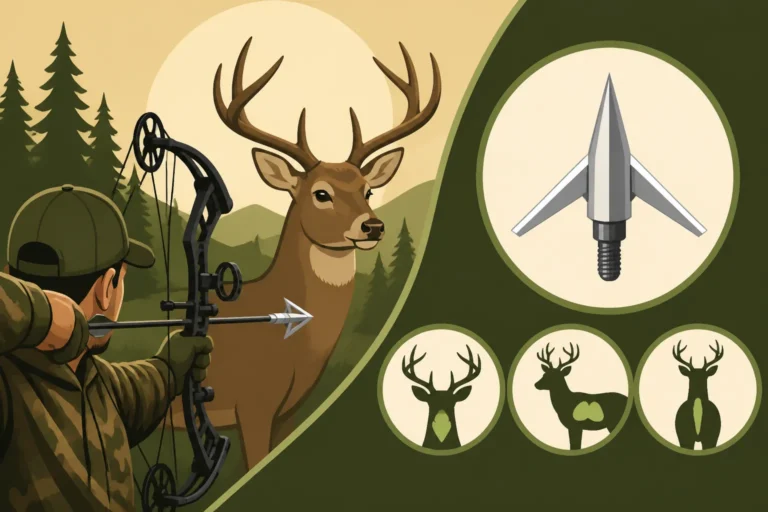
Washington hunters learn how the three-point rule and one-inch standard applied by the department allow them to legally harvest a buck.
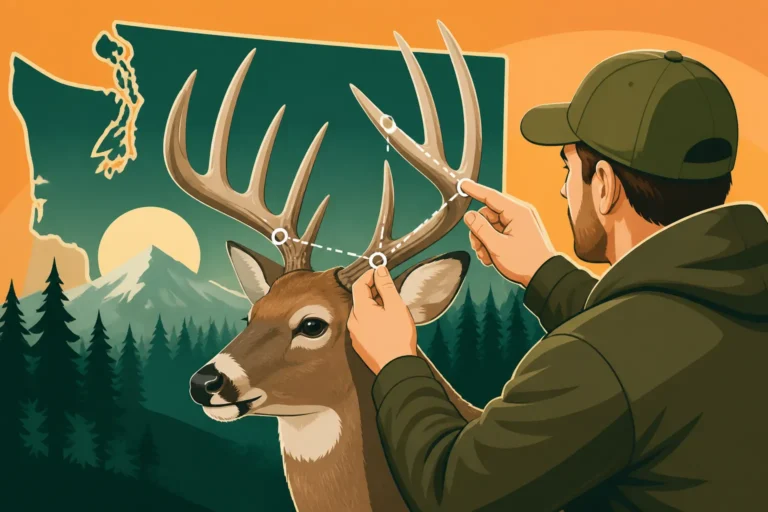
Counting points on a live buck in Washington requires quick observation despite movement, brush, and intense adrenaline.
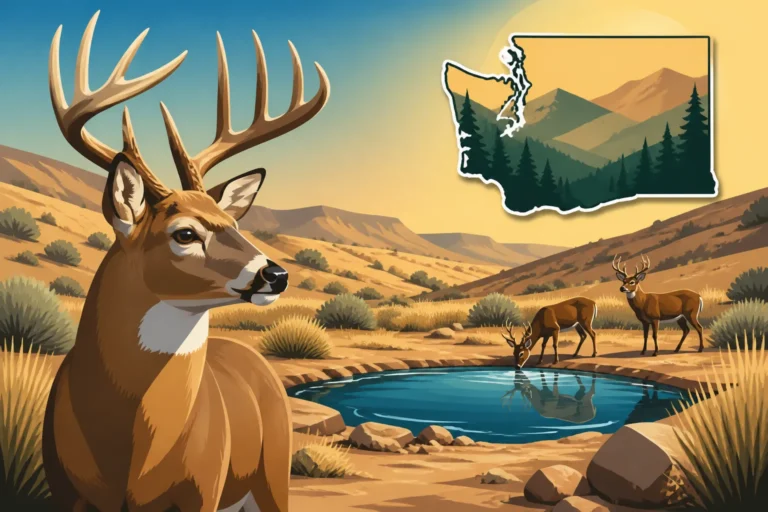
Dry-country deer hunting requires locating natural and man-made water sources to predict animal movements during droughts.
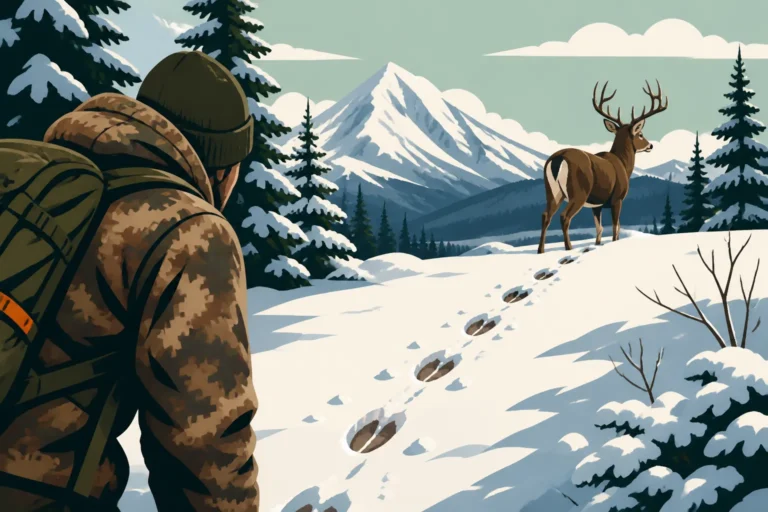
Fresh snow tracking techniques help hunters interpret Washington deer tracks, assess snow conditions, and follow a buck.
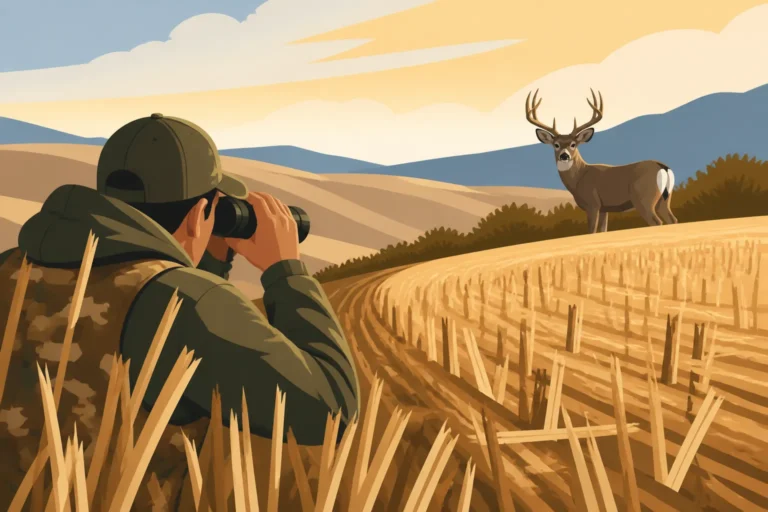
Eastern Washington mule deer feeding patterns in wheat stubble edges during September and October archery and firearm seasons.

Early morning glassing techniques help Washington hunters spot deer and elk moving from feeding grounds to bedding cover.
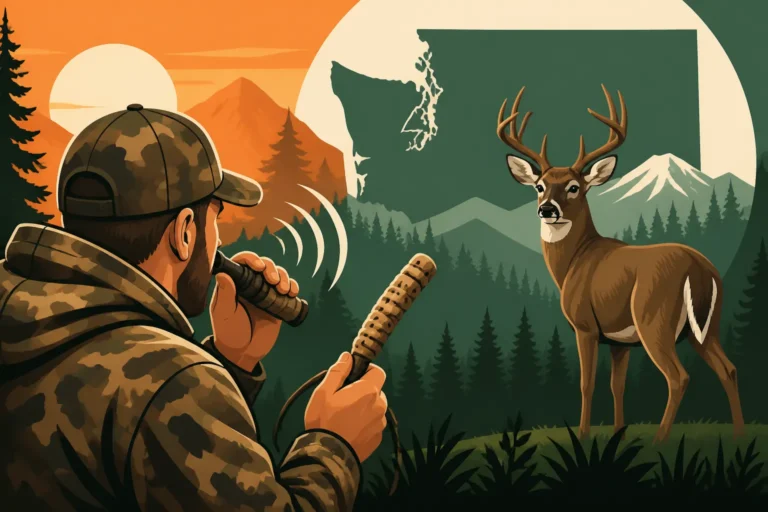
Rattling and grunting tactics for hunting blacktail deer in Washington timber explain how to call elusive bucks during the rut.

Blacktail rut timing in Western Washington, spanning mid-November to early December, depends on daylight, weather, and genetics.