When Washington Bears Den
Washington black bear denning timing depends on environmental factors, food availability, and individual bear physiology.
Know what you’re after.
Big game, small game, upland birds, and waterfowl — identification, behavior, rut and migration timing, and how each species moves through the season.
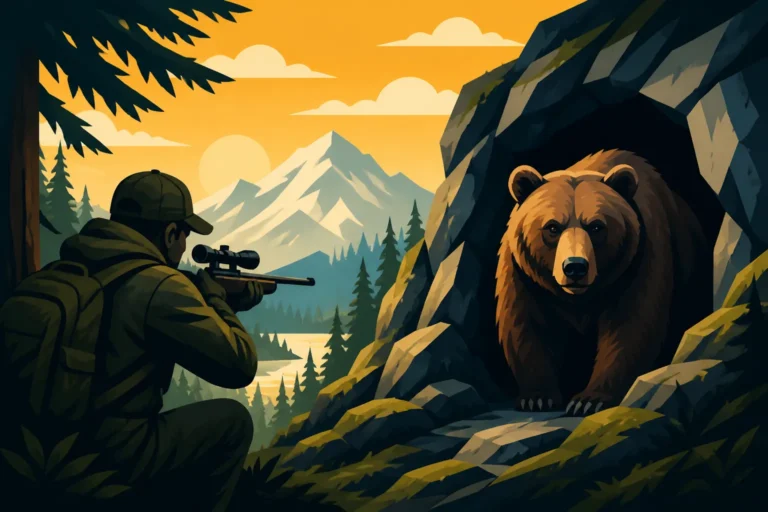
Washington black bear denning timing depends on environmental factors, food availability, and individual bear physiology.
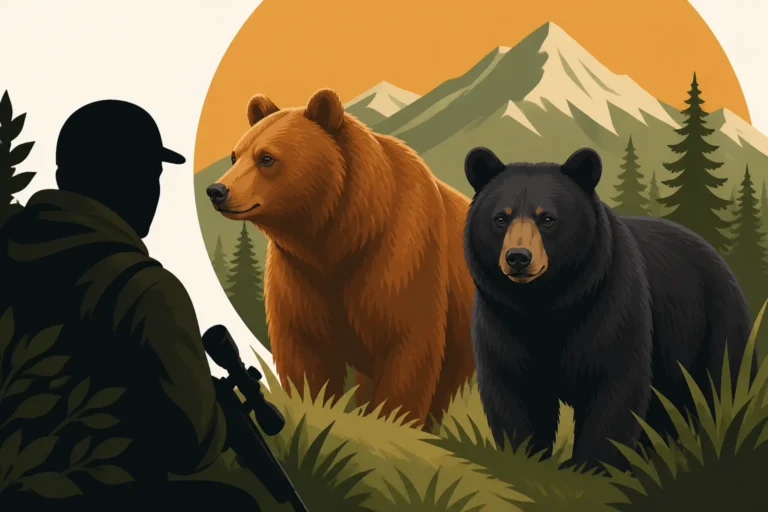
Washington black bear coats range from blond and chocolate to cinnamon in eastern and western habitats due to genetics.
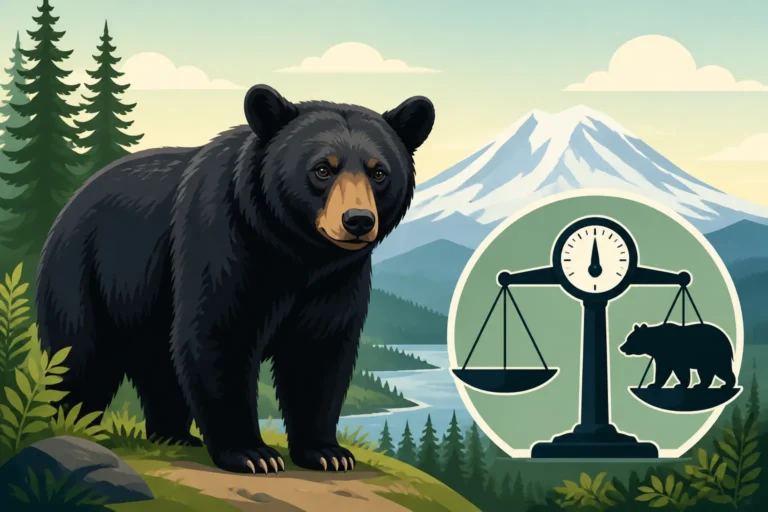
Western Washington black bear weight ranges span from eighty pounds for young bears up to five hundred pounds for large boars.
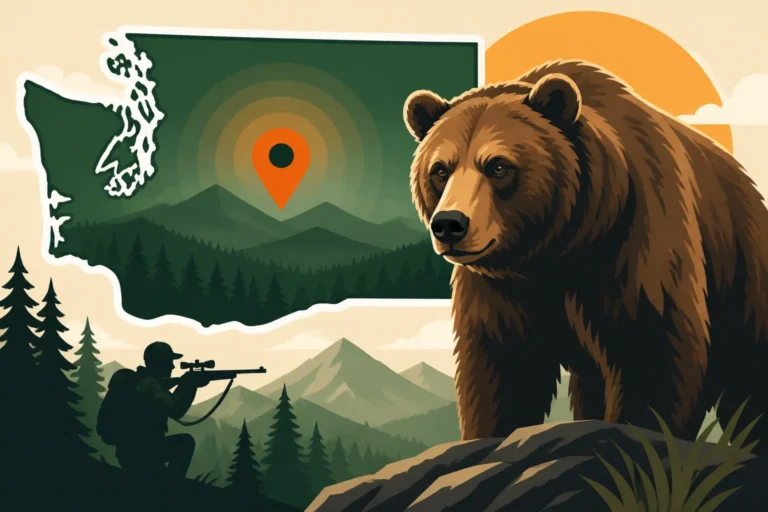
Washington black bear habitats and ecological factors explain where hunters can find the largest mature animals across the state.
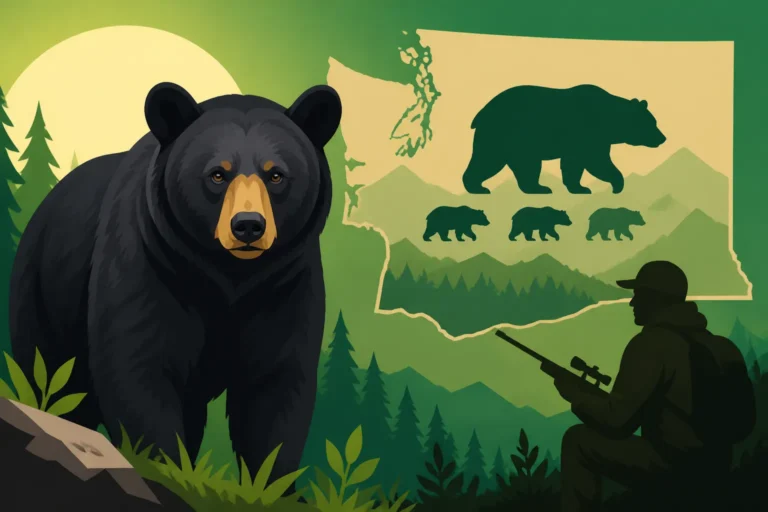
Washington black bear population estimates ranging from 25,000 to 30,000 are explained using DNA analysis and harvest data.
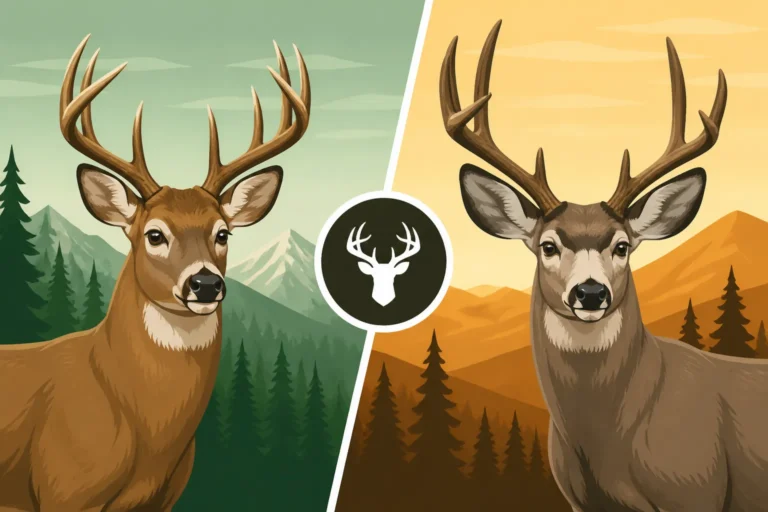
Washington hunters identify whitetail and mule deer by comparing tail characteristics, ear size, and buck antler configurations.
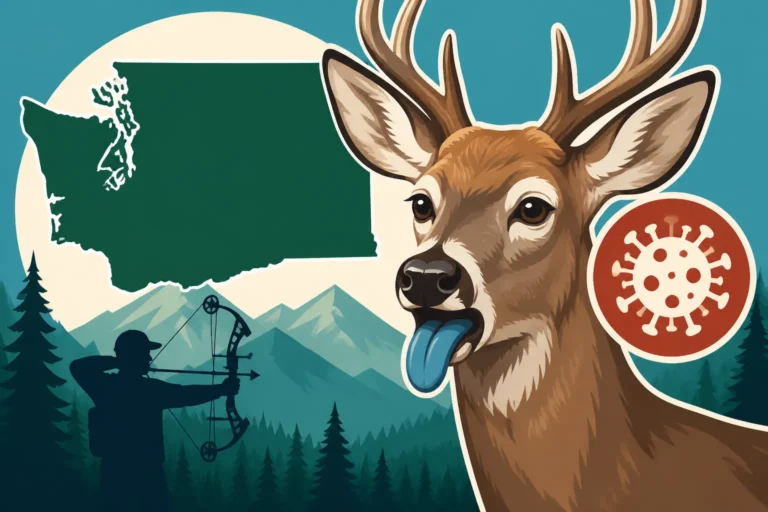
Blue Tongue viral outbreaks in Washington deer cause high mortality, transmitted seasonally by biting midges during late summer.
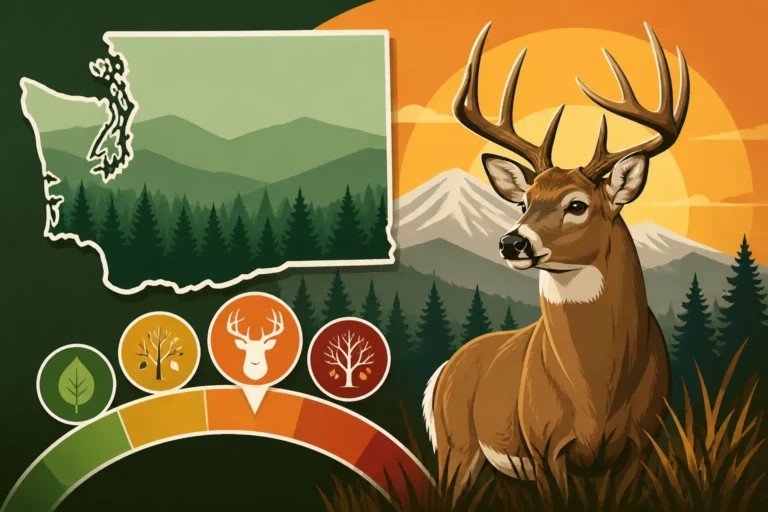
Washington whitetail rut timing relies primarily on photoperiod daylight changes while weather and food influence movement.
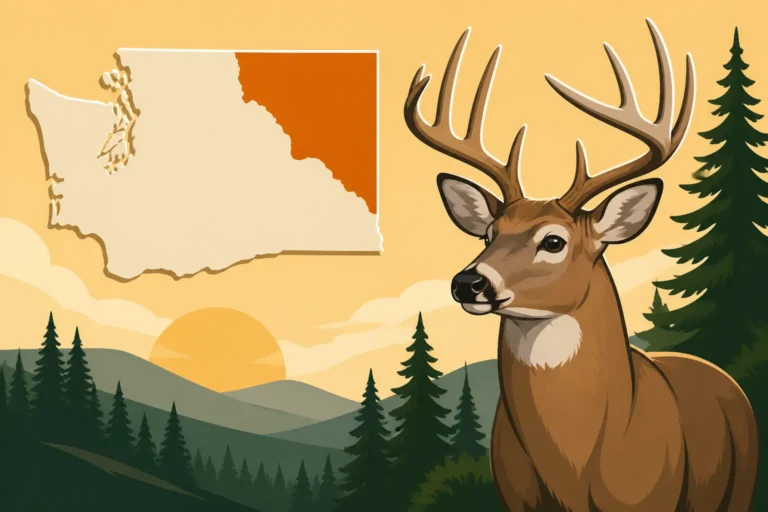
Whitetail deer population estimates in Northeast Washington rely on hunter harvest reports, aerial surveys, and field observations.
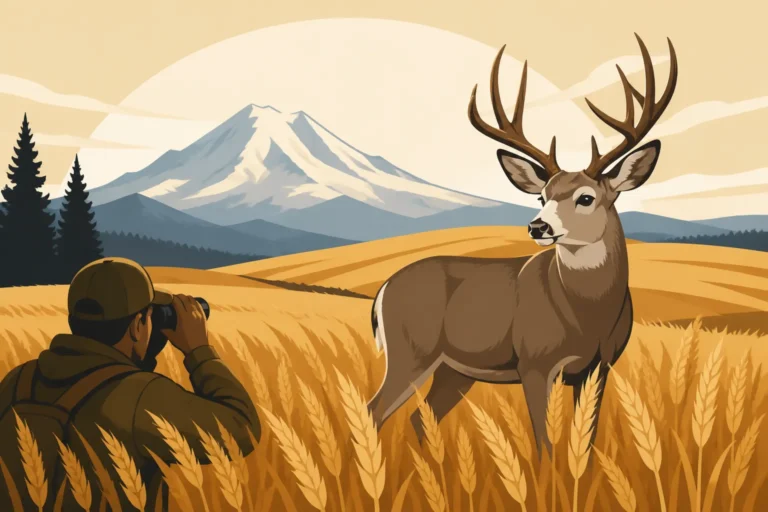
Washington wheat country mule deer behavior, featuring feeding patterns, bedding habits, and agricultural impacts across seasons.