Mule Deer Migration Corridors
Eastern Washington mule deer migration corridors connect seasonal habitats, helping hunters anticipate wildlife movements and plan successful hunts.
Know what you’re after.
Big game, small game, upland birds, and waterfowl — identification, behavior, rut and migration timing, and how each species moves through the season.
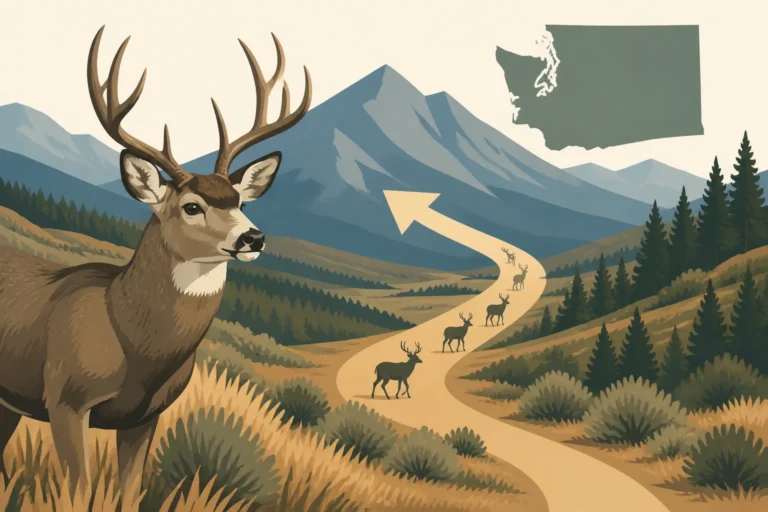
Eastern Washington mule deer migration corridors connect seasonal habitats, helping hunters anticipate wildlife movements and plan successful hunts.
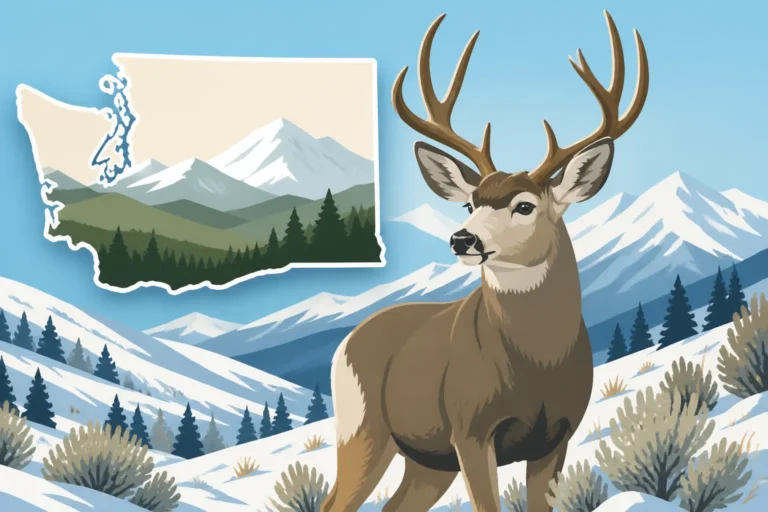
Washington mule deer winter range locations, seasonal migration triggers, and Bitterbrush and sagebrush habitats are explained.
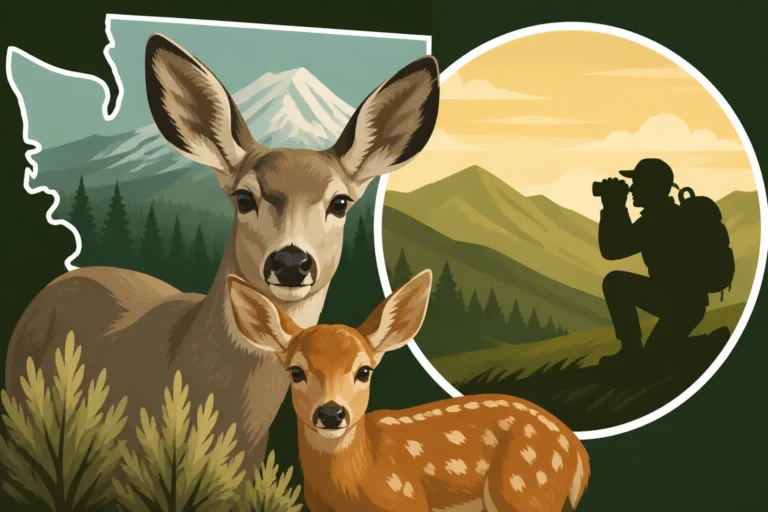
Washington mule deer fawn recruitment measures young deer survival, shaping future herd health and hunting opportunities.
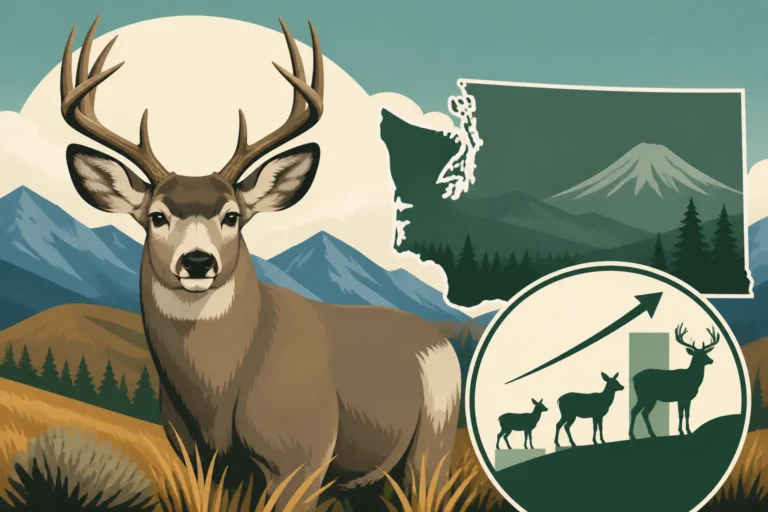
Washington mule deer populations face challenges from habitat loss, drought, and harsh winters affecting regional herds.
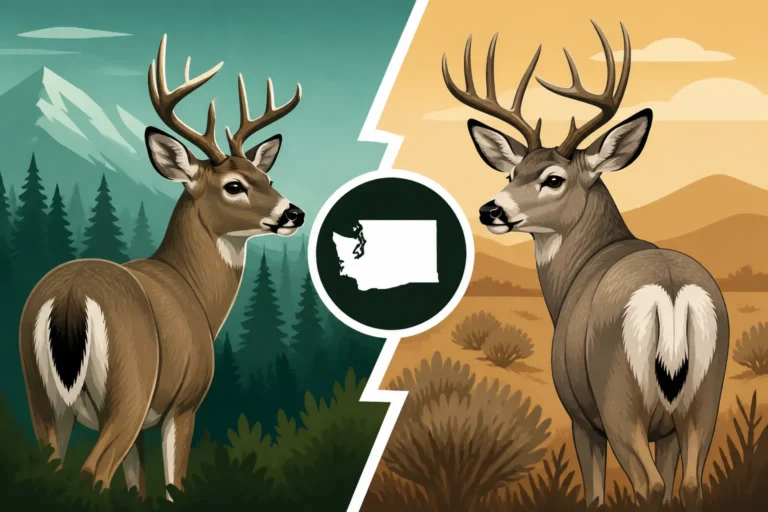
Washington blacktail and mule deer habitats, physical traits, and behaviors help hunters correctly identify each species.
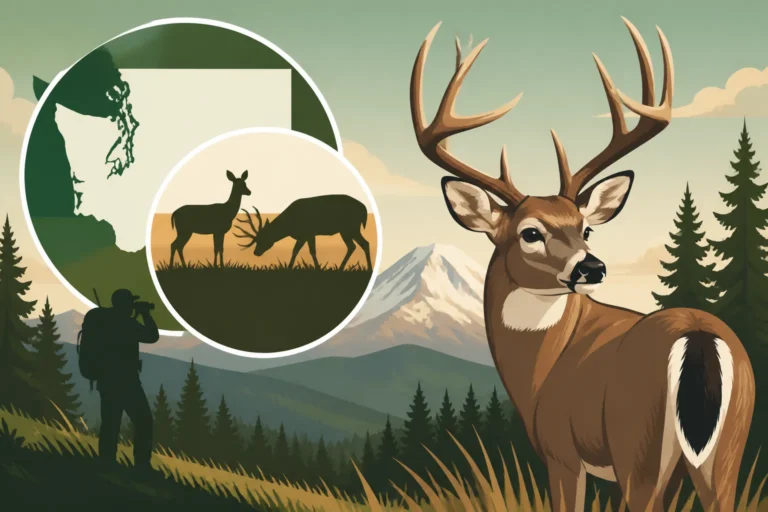
Washington blacktail deer rut timing, driven by daylight and weather, helps hunters plan hunting strategies and predict deer activity.
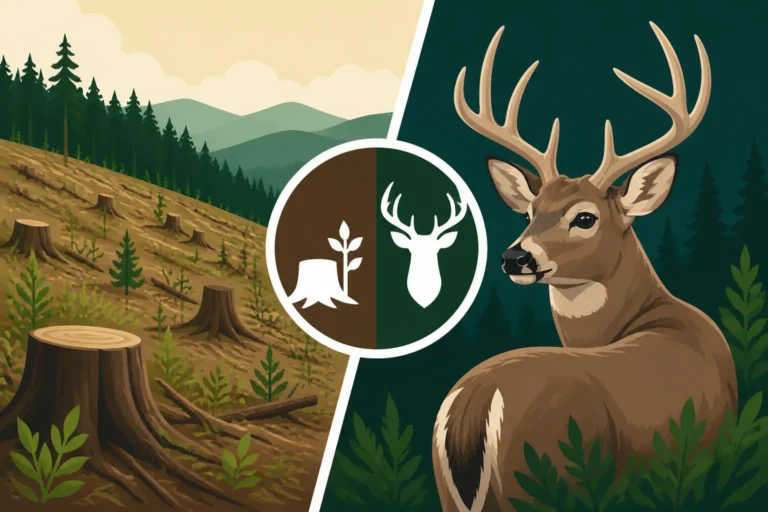
Clearcut age and Western Washington blacktail deer numbers explain how logging stages affect habitat use and hunting success.
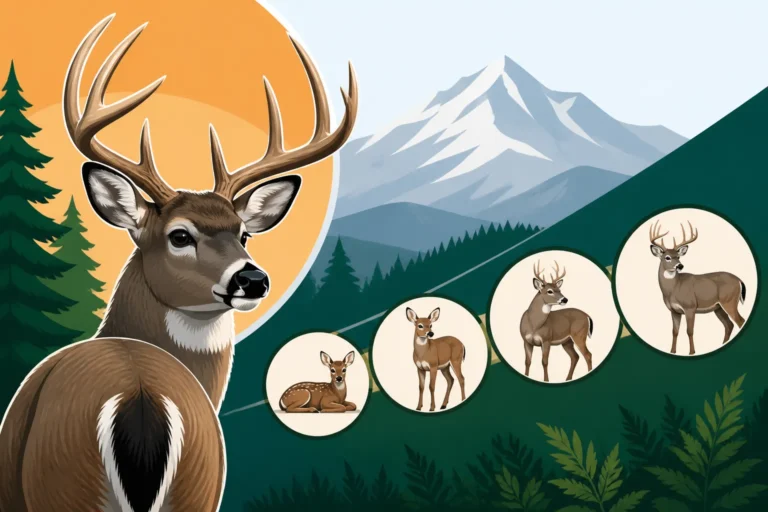
Columbian blacktail deer survival rates, life stages from fawns to mature adults, and age factors for hunters in Washington state.
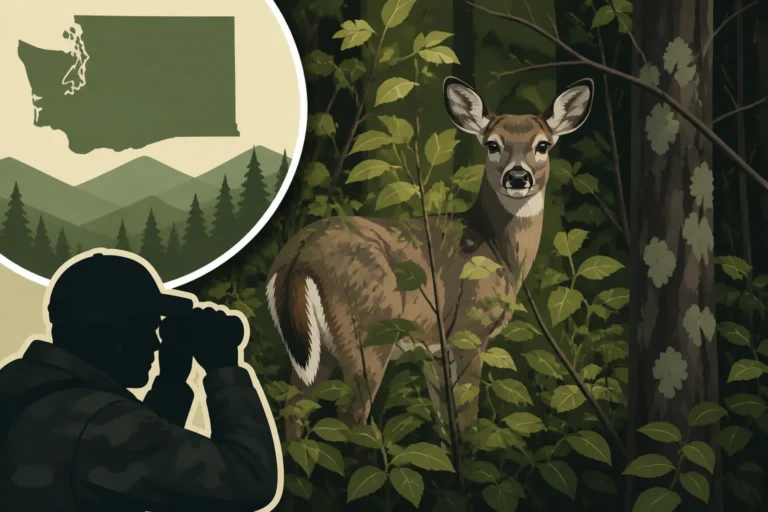
Washington Blacktail deer hiding in dense Western forests and perpetual twilight shadows explains why hunters rarely spot them.
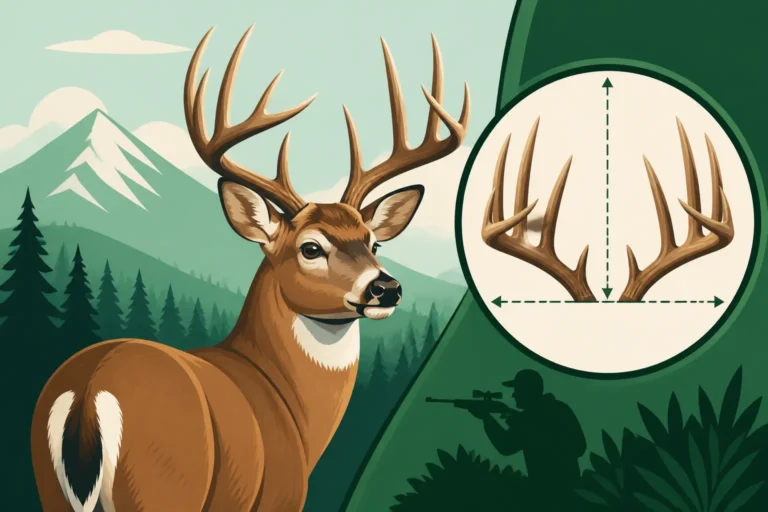
Columbian blacktail deer antler growth depends on spring nutrition, genetics, and age in Western Washington timberlands.