Feeding Site Closures in Washington
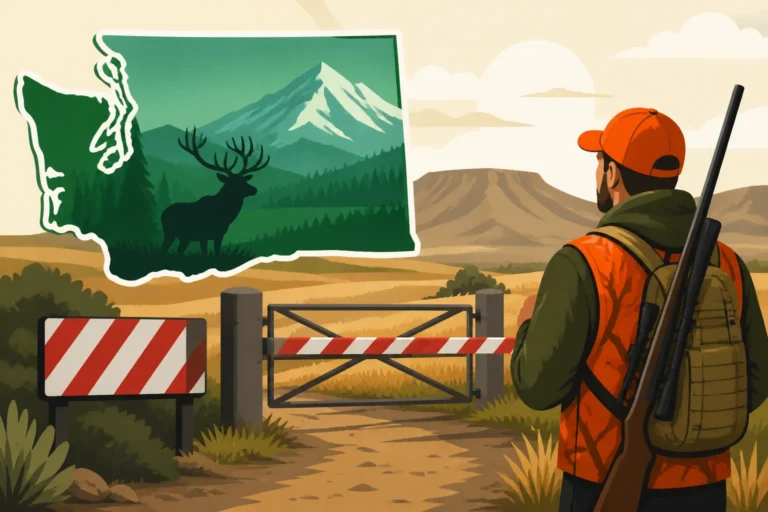
It’s a scenario many of us have faced: you've spent weeks, maybe even months, e-scouting, pouring over maps, and perhaps even driving countless miles to scout a promising hunting area here in Washington. You’ve marked your waypoints, identified potential travel corridors, and you're feeling good. Then, you arrive, only to find a gate locked, a road closed, or a sign stating that the area you painstakingly researched is off-limits due to a "wildlife feeding site closure." It's incredibly frustrating, and it can completely derail your plans. This guide is here to help you understand exactly what feeding site closures are, why they happen, and how you can proactively navigate these regulations to avoid that gut-wrenching disappointment and ensure your hunting season stays on track.
Understanding Washington's Feeding Site Closures
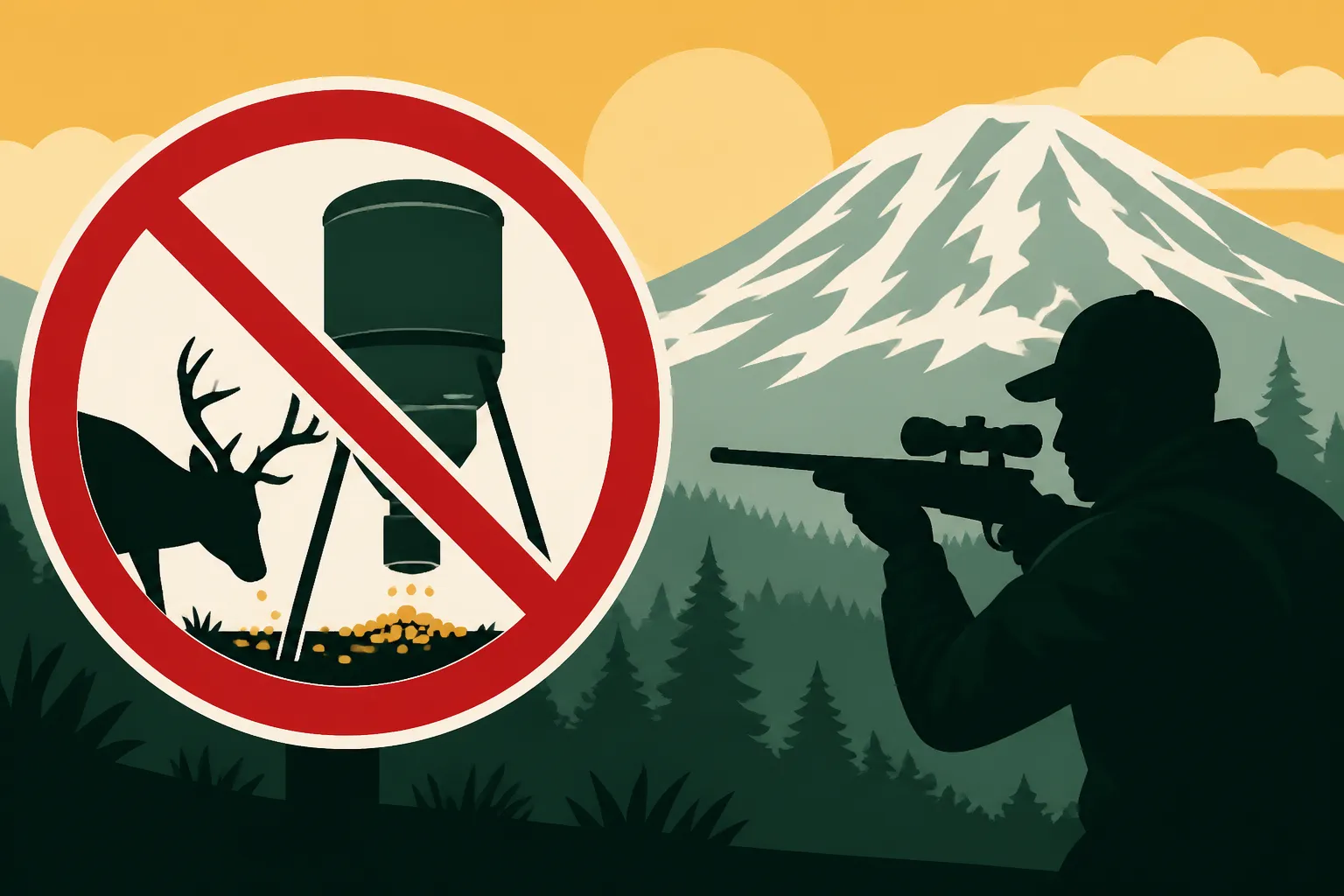
Wildlife feeding site closures are a critical, albeit sometimes inconvenient, tool in Washington's wildlife management toolbox. They're not put in place to intentionally thwart your hunt, but rather to serve specific, vital purposes for the health and sustainability of our game populations.
Why Wildlife Feeding Sites Are Established
First, let's talk about why these feeding sites exist in the first place. Often, these sites are established by the Washington Department of Fish and Wildlife (WDFW) or other land management agencies to address very real-world challenges. Imagine a severe winter where natural forage is completely locked under deep snow or ice. In such conditions, supplemental feeding might be implemented to help deer and elk herds survive. This isn't just about charity; it's about preserving the breeding stock for future generations and maintaining healthy herd numbers in a particular Game Management Unit (GMU).
Another common reason is to mitigate human-wildlife conflict. Picture a rancher whose haystacks are being decimated by hungry elk, or a farmer whose crops are being trampled by deer. Setting up a feeding site in a less problematic location can draw animals away from private property, protecting agricultural livelihoods and fostering better relationships between landowners and wildlife. It’s a delicate balance, trying to keep wildlife healthy while also respecting private property and local economies.
These sites can also serve as management tools to draw animals into specific areas for census purposes or to allow for easier capture and collaring for research. They’re a way to either disperse animals from high-damage areas or, conversely, concentrate them for specific management objectives. It’s a very active form of wildlife stewardship that goes far beyond simply letting nature take its course.
The Rationale Behind Closures
So, if feeding sites are so helpful, why do they then get closed to hunting or even public access? The reasoning is multifaceted and crucial for responsible wildlife management. One of the primary drivers behind these closures is to prevent disease transmission. When animals are artificially concentrated at a feeding site, it creates a perfect environment for diseases to spread rapidly through the herd. Think about any crowded environment – disease travels fast. While Washington thankfully doesn't have widespread Chronic Wasting Disease (CWD) yet, preventing its introduction or spread is paramount, and minimizing unnatural animal concentrations is a key strategy. Reporting an Unfilled Washington Tag after checking for disease is a responsibility all hunters share. Elk hoof disease, which has impacted many of our Roosevelt elk herds, is another example where preventing large concentrations of animals can help slow its spread.
Beyond disease, there's a strong ethical component. Hunting over a known, active feeding site—or even a recently closed one where animals are still habituated—can be seen as unsporting and against the principles of fair chase. The WDFW works hard to ensure hunting opportunities are ethical and that animals aren't exploited due to artificial conditions. Closing these sites helps maintain that balance, ensuring hunters are pursuing game that is behaving naturally, rather than simply taking advantage of a management program. It ensures that the challenge and reward of hunting remain intact.
Finally, once the immediate management objective (like mitigating winter stress or drawing animals away from crops) has been met, the site's purpose changes. Keeping it open indefinitely could lead to animals becoming overly reliant on supplemental feed, disrupting natural foraging patterns and potentially causing long-term ecological issues. Closures encourage animals to revert to natural behaviors and dispersal, promoting healthier, wilder herds.
How Closures Impact Your Hunting Plans
For the hunter, a feeding site closure can feel like a punch to the gut. All that planning, all that anticipation, can suddenly feel wasted. It's more than just losing a spot; it fundamentally changes the dynamics of your hunt.
Loss of Access and Huntable Ground
The most immediate and obvious impact is the outright loss of access to a piece of ground you might have been counting on. Perhaps you identified a promising basin for elk because it had a known feeding site nearby, or a timbered draw that funnelled deer from such an area. When that site is closed, suddenly your entire strategy for that specific location is null and void. This is particularly frustrating if you've invested significant time in scouting, either physically or through e-scouting tools. Imagine using E-Scouting Washington GMUs Before the Draw to pinpoint prime locations, only to find them inaccessible.
This forces hunters to quickly adapt, often under pressure, to find alternative areas. Those alternatives might be less familiar, more heavily pressured by other hunters now displaced from the closed areas, or simply not as productive. It means a scramble to look for new locations, which, if you're already in the field, can eat up valuable hunting time. The ripple effect can be significant, as hunters displaced from one area will inevitably move to adjacent open lands, potentially increasing pressure across a wider region and altering animal behavior in areas you thought would be less disturbed.
For many, it means going back to the drawing board, perhaps even abandoning a long-held plan. This is why flexibility and having backup plans are so crucial when hunting Washington's diverse and often regulated landscapes.
Shifting Wildlife Behavior
Beyond the physical loss of access, feeding site closures have a profound impact on wildlife behavior. Animals, particularly deer and elk, are creatures of habit. If they've been regularly visiting a feeding site, they will have developed patterns around it. When that site closes, those patterns are disrupted. The animals will disperse, no longer relying on a concentrated food source.
This dispersal means they will revert to more natural foraging patterns, seeking out native browse, grasses, and other food sources across their traditional home ranges. This can make them significantly harder to locate. Instead of keying in on a specific feeding location, you'll need to understand broader habitat use, including natural food sources, bedding areas, and travel corridors between them. Think about how Elk Behavior in Deep Snow changes when they are forced to forage or how Mule Deer Winter Range and Survival depends on natural browse.
For hunters, this means moving away from a "find the feed, find the animal" mindset. You'll need to refocus your scouting efforts on natural features: south-facing slopes that melt out early, specific clearcuts with good browse, or timbered areas offering protection from weather and predators. Understanding Elk Migration Timing in Washington becomes even more critical when animals aren't being held in one spot. It’s a return to truly hunting wild animals in their natural environment, which, while more challenging, is often more rewarding.
Identifying and Avoiding Closed Feeding Sites
The good news is that with a bit of proactive research and the right tools, you can significantly reduce the chances of encountering a frustrating feeding site closure. It's all about knowing where to look for information and verifying it.
Leveraging Official WDFW Resources
Your absolute first stop for any official information about hunting regulations, including closures, should always be the Washington Department of Fish and Wildlife (WDFW). Their website is a treasure trove of information, though it sometimes requires a bit of digging.
Start by poring over the annual "Hunting and Fishing Regulations" pamphlet. This document, available both online and in print, is your bible for the upcoming season. It will often list specific GMU restrictions, special area closures, and sometimes even general information about wildlife feeding operations. However, specific, temporary feeding site closures might not always be detailed in the static pamphlet.
For the most up-to-date, real-time information, calling the regional WDFW office for the GMU you plan to hunt is invaluable. A quick phone call to a wildlife biologist or a local enforcement officer can literally save you days of wasted effort. They have the most current information on temporary closures, local conditions, and any unforeseen changes. Don't be shy about reaching out; they are there to help manage our wildlife and resources, and that includes assisting hunters. You can find contact information for these offices on the WDFW website. Pay close attention to news releases or public announcements from WDFW, especially around the time of the Washington Big Game Pamphlet Release and leading up to hunting seasons. These often highlight significant changes or new closures.
Utilizing Mapping and Scouting Tools
In this day and age, technology is a hunter's best friend, and several tools can help you identify potential closure areas before you even leave your couch.
onX Hunt is an incredibly powerful resource that many Washington hunters swear by. Its detailed private/public land layers are essential for understanding where you can legally hunt. While it might not have a dedicated "feeding site closure" layer, its WDFW boundaries, recreation site markers, and other overlays can often provide clues. For example, if you see a large parcel of WDFW land marked as a "wildlife area" in your target GMU, it’s a good idea to cross-reference that with the WDFW website or a phone call, as wildlife areas often have special regulations, including access restrictions or feeding site operations. You can also utilize onX Layers for Washington Land Status to confirm boundaries.
Another valuable tool is GoHunt. While primarily known for its draw odds and detailed unit breakdowns, it often provides extensive information on specific GMUs, including unique rules, access challenges, and habitat descriptions. While it won't give you real-time temporary closure updates, it helps immensely with pre-season planning and understanding the nuances of a unit where a feeding site might exist. Always remember to cross-reference information from these apps with official WDFW sources for the most current data. Using these tools for E-Scouting Washington GMUs Before the Draw is a smart move.
When e-scouting with satellite imagery, look for historical signs of feeding operations. You might see large, open clearings, patterns of old hay bales, or unusually well-established vehicle tracks in areas that otherwise look remote. These are red flags that warrant further investigation with official sources. The WDFW’s online "Hunt Planner" maps are also an excellent starting point, sometimes indicating areas with specific management activities. Don't forget to check WDFW Hunt Planner Map Layers for Washington.
Physical Scouting and Local Knowledge
While technology is fantastic, nothing completely replaces boots on the ground and local knowledge. If possible, a physical scouting trip a week or two before your hunt can be invaluable. Drive the access roads, hike into your planned areas, and look for posted signs. A "No Hunting" or "Area Closed" sign, especially if it's new or unexpected, is a clear indicator that your plans need to change.
Talk to locals! Stop at small-town diners, gas stations, or local sporting goods stores. Often, the folks who live and work in the area have the most up-to-date information on temporary closures or changes in wildlife patterns. They might know about a new seasonal gate closure or a temporary feeding operation you couldn't find online.
Be observant during your scouting. Are animals behaving normally? Are there signs of recent human activity (beyond hunters) that might indicate a management presence? Sometimes, even subtle changes can hint at a closure. Remember that these closures are dynamic. What was open last year might be closed this year, and vice versa. Always verify closer to your hunt date, just as you would with Washington Winter Range Closures That End Late Hunts.
Navigating Regulations and Proactive Planning
Understanding feeding site closures is part of a larger picture of navigating Washington's complex hunting regulations. Being proactive and responsible will save you headaches and ensure a smoother hunting experience.
Understanding Different Types of Closures
It's crucial to understand that feeding site closures are just one piece of the puzzle. Washington has a variety of access restrictions and closures, each with its own purpose and rules. You might encounter Washington Roads Closed to Protect Wintering Deer, which are often seasonal to prevent disturbance to stressed animals during critical times. There are also Washington Firearm Restriction Areas where only specific weapon types (like archery or muzzleloader) or even no hunting at all is permitted due to proximity to residential areas or other safety concerns. General winter range closures are also common, designed to protect animals from disturbance when they are most vulnerable.
It’s easy to get confused, so always seek to understand the specific reason for a closure. Is it a feeding site? A winter range? A road closure for timber operations? This distinction can affect how long the area is closed, what activities are prohibited (sometimes you can hike, but not hunt), and where you might legally find alternative access. Washington hunting can sometimes feel like navigating a complex maze, but the more you know about your Washington Game Management Units Explained, the better equipped you'll be.
Best Practices for Pre-Season Research
The key to avoiding frustrating closures is to start your research early and be thorough. Don't wait until the week before opening day! The WDFW typically releases its big game pamphlet well in advance of the season, giving you plenty of time to digest the regulations.
When reviewing your target GMU, don't just skim. Look for footnotes, special conditions, or references to WDFW wildlife areas within the unit. Utilize the WDFW's online "Hunt Planner" maps in conjunction with third-party apps like onX Hunt. The WDFW maps provide official boundaries and some basic information, but layering that with the detailed land ownership, topography, and even aerial imagery on onX Hunt gives you a much more comprehensive view. This combined approach, leveraging tools like WDFW Hunt Planner Map Layers for Washington with detailed private landowner info, will highlight potential access issues or restricted areas.
Perhaps most importantly, develop backup plans. Always have a Plan B, and ideally a Plan C, for your hunting spots. If your primary area is unexpectedly closed due to a feeding site or any other reason, you won't be left scrambling. Knowing a few alternative spots in different GMUs or even different parts of the same GMU can save your hunt.
Being a Responsible Hunter
Ultimately, navigating these closures comes down to being a responsible and adaptable hunter. Respect all closures, whether they're for feeding sites, winter range, or safety reasons. These regulations are put in place for valid wildlife management reasons, and violating them not only carries legal penalties (fines, loss of hunting privileges) but also harms the reputation of all hunters. We all share the responsibility of being ethical stewards of our wildlife resources.
If you observe someone violating a closure, it's important to report it to the WDFW. This helps preserve the integrity of our hunting opportunities and ensures that wildlife populations are managed sustainably.
Finally, stay flexible. Washington's hunting landscape is dynamic; regulations, access, and even wildlife behavior can change from year to year, or even week to week. The most successful and least frustrated hunters are those who can adapt their plans based on current conditions and information. Don't be afraid to change your focus if a key area is suddenly off-limits. Being informed and adaptable will make your Washington hunting adventures far more enjoyable and successful. Always verify information, whether it's Checking Washington Road Closures Before You Go or confirming specific unit rules.
| Closure Type | Primary Information Source (WDFW) | Supplemental Tools (Check for data integration) | Key Action for Hunter |
|---|---|---|---|
| Feeding Site Closure | Big Game Hunting Pamphlet, WDFW Website, Regional Office | onX Hunt, GoHunt (for GMU details) | Call WDFW regional office for current status; look for posted signs. |
| Winter Range Closure | WDFW Website (Winter Range Maps), Big Game Pamphlet | onX Hunt, GoHunt | Check WDFW maps for seasonal dates; be aware of Washington Roads Closed to Protect Wintering Deer. |
| Road Closures | WDFW Website (Road Closures Page), USFS, DNR | onX Hunt (Green Dot Layers), Google Maps | Verify Green Dot system status; contact land managers for non-Green Dot roads. |
| Firearm Restriction | Big Game Hunting Pamphlet, GMU Regulations | onX Hunt (often depicts boundaries) | Carefully read GMU rules; know your weapon's legal limitations in the area. |
| Timber Land Access | Private Timber Company Websites, WDFW Private Lands page | onX Hunt (ownership layers) | Obtain required permits before hunting; respect posted "No Trespassing" signs. |
Disclaimer
This article is for general informational purposes only and does not constitute professional advice. Laws, prices and regulations vary by location and change over time. Consult a qualified professional for guidance on your specific situation.