Glacier Peak Wilderness Access
Dreaming of a true backcountry hunting adventure in Washington often leads folks to whisper about places like the Glacier Peak Wilderness. But getting in there, truly accessing it, can feel like trying to solve a puzzle carved out of granite and ancient forest. This guide is all about demystifying those rugged entry points and helping you plan a successful hunt into one of our state's most wild corners, recognizing that a solid access plan is the very first step to success.
Understanding the Glacier Peak Wilderness for Hunters
The Glacier Peak Wilderness is a vast, untamed expanse stretching across the Cascade Mountains in Washington. It's named for the Glacier Peak volcano, which dominates the landscape, and encompasses over half a million acres of incredible, yet incredibly challenging, terrain. For hunters, this isn't your average forest road hunt; this is true wilderness, where mechanical advantage is left at the trailhead and self-reliance is paramount. Understanding its nature is key to even contemplating a hunt here.
The Wilderness Designation and Its Implications
The term "Wilderness" isn't just a romantic descriptor; it carries specific legal implications that dramatically affect hunters. Within these boundaries, mechanized transport is strictly forbidden. That means no ATVs, no e-bikes, no chainsaws, and even game carts are out of the question. You're reliant on your own two feet, or perhaps pack stock like horses or llamas, to get in and out. This immediately screens out many hunters and ensures that those who do venture in are committed to a physical and mental challenge. The solitude can be profound, but so can the effort. Everything you take in, you pack out, including your game. The thought of Packing an Elk Out of Washington's Backcountry from miles deep in this terrain is enough to make anyone reassess their fitness plan!
Beyond the "no motors" rule, wilderness areas often have stricter regulations on things like group size and camping impact. This is to preserve the pristine nature of the environment. For a hunter, it means planning meticulously, often solo or with a small, disciplined crew. You're not just hunting game; you're operating within a fragile ecosystem that demands respect and minimal disturbance. This raw, untrammeled nature is precisely what draws many of us, but it also means there are no shortcuts.
Common Game Species You Might Encounter
The diverse habitats within the Glacier Peak Wilderness support a variety of big game, though getting to them is half the battle. On the western flanks, in the wetter, denser timber and brush, you'll find the robust Roosevelt elk, though their numbers can be localized and their presence more subtle than their eastern counterparts. Blacktail deer also thrive in the thick coastal-like forests. As you climb into the higher elevations and transition to the drier, more open eastern side of the Cascades, Rocky Mountain elk and mule deer become the primary targets, often found in alpine basins and steep, broken country.
Black bears are common throughout the wilderness, foraging on berries and grasses in the summer and early fall. Cougars also roam these vast areas, constantly shadowing the deer and elk herds. Occasionally, you might encounter mountain goats, though these are typically found in the highest, most rugged peaks and require a special, often once-in-a-lifetime, permit to hunt. Targeting any of these animals in this environment demands exceptional scouting, patience, and a deep understanding of their behavior in truly wild settings. For those fortunate enough to draw one, Washington Mountain Goat Permits offer an unparalleled experience.
Navigating the Trailheads: Your Gateway In
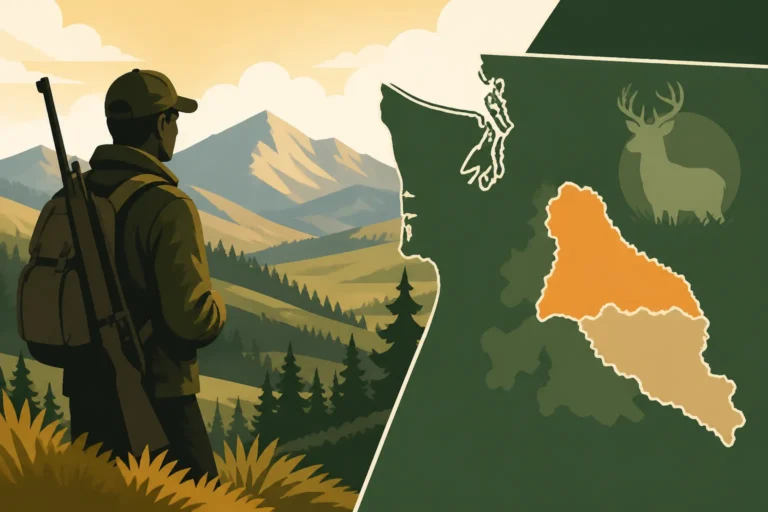
Accessing the Glacier Peak Wilderness isn't a single front door; it's a network of challenging trailheads, each offering a unique journey into the heart of the wilderness. The side of the Cascades you approach from makes a huge difference in the terrain, vegetation, and even the type of game you'll be hunting.
Western Approaches: The Wet Side Challenge
The western side of the Glacier Peak Wilderness is characterized by its lush, often soaking wet, old-growth forests and dense undergrowth. Think towering cedars, hemlocks, and Douglas firs, interspersed with salal, devil's club, and huckleberry. Trailheads like Whitechuck, Suiattle River Road, and others accessed off the Mountain Loop Highway (Forest Service Road 20) are your primary entry points here.
Getting to these trailheads can be an adventure in itself. Forest Service roads are often gravel, can be washboarded, and are prone to washouts, especially after heavy rains or during spring runoff. It’s not uncommon to encounter downed trees or deeply rutted sections that require a high-clearance vehicle, sometimes even 4×4, just to reach the trailhead. Once on the trail, be prepared for mud, river crossings (some bridged, some not), and overgrown sections. The trails climb steeply, but often through incredibly dense timber, meaning your visibility for spotting game is limited. Still-hunting becomes a primary tactic here, moving slowly and deliberately through the quiet, wet woods. For this kind of country, having reliable Rain Gear and Layering for Washington Hunts is non-negotiable.
Eastern Approaches: The Drier, Steeper Side
Venturing into the Glacier Peak Wilderness from the east presents a different, but equally demanding, set of challenges. The landscape here is generally drier, more open, and dramatically steeper. You'll find ponderosa pine, larch, and sagebrush at lower elevations, transitioning to subalpine fir and open rock fields as you climb. Access points often involve long drives up canyons from communities like Lake Wenatchee or Mazama. Trailheads such as Phelps Creek, Trinity, and those off the North Cascades Highway (like near Rainy Pass) are common.
These trails often start with significant elevation gain, sometimes thousands of feet in the first few miles. While the trees may be sparser, allowing for more expansive views and glassing opportunities, the terrain itself is rugged, rocky, and can be relentlessly uphill. Packing water is crucial, especially in the early season, as reliable sources can be scarce higher up. Mule deer and Rocky Mountain elk are often found in these high basins and steep draws, making good optics and patience essential for Glassing Eastern Washington Breaks for Mule Deer. The views are spectacular, but don't let them distract from the serious physical demands.
Logistics of Getting There
Regardless of your chosen approach, a few logistical considerations are universal. First, road conditions are paramount. Always check the U.S. Forest Service website for the specific district (e.g., Darrington, Wenatchee River, Methow Valley Ranger Districts) for current road and trail reports before you even leave home. Washouts, snow closures, or fires can shut down access for weeks or months.
Parking at many trailheads will require a recreation pass. This might be a Northwest Forest Pass or a Discover Pass, depending on whether it's Forest Service or DNR land. Familiarize yourself with the requirements ahead of time to avoid fines. Some popular trailheads have designated areas where dispersed camping is permitted before you officially enter the wilderness, offering a chance to stage and acclimatize. Always check the specific rules for the trailhead, as regulations can vary. A little pre-planning with tools like E-Scouting Washington GMUs Before the Draw can reveal crucial information about road access and potential camping spots.
Hunting and Surviving the Wilderness Terrain
Once you're beyond the trailhead sign and deep into the Glacier Peak Wilderness, the real hunt begins. This is where your skills as a hunter and your preparedness as a backcountry enthusiast are truly tested. It's an environment that rewards those who are self-sufficient, adaptable, and respectful of the wild.
Mapping and Navigation Tools
In the vastness of the Glacier Peak Wilderness, traditional paper maps are your absolute baseline, but modern technology can be a lifesaver. GPS units or robust smartphone apps like onX Hunt are indispensable. Before you go, download offline maps of your entire hunting area. Cell service is virtually non-existent, so relying on a live connection is a recipe for disaster. Using onX Hunt, you can mark potential game sign, water sources, emergency rendezvous points, and track your movements, even without signal.
GoHunt is another excellent resource for pre-scouting, allowing you to research specific units, analyze draw odds (if you're targeting a special permit area), and get a sense of the terrain from satellite imagery before you ever step foot on a trail. These tools allow you to study contour lines, potential bedding areas, escape routes, and migration corridors from the comfort of your home. However, never underestimate the value of a physical map and compass as a backup. Batteries die, screens crack, and Mother Nature doesn't care about your technology. Knowing how to use both is the mark of a truly prepared hunter.
Hunting Strategies for Wilderness Terrain
Hunting in the Glacier Peak Wilderness requires a flexible and adaptable approach, heavily influenced by the specific terrain and game species you're pursuing. For Roosevelt elk and blacktails on the western side, still-hunting through the dense timber is often the most effective method. This involves moving slowly, taking a few steps, then pausing for several minutes to scan, listen, and simply be in the environment. The thick cover means animals will be close, so sharp senses and quick reactions are paramount. Look for rubs, tracks, and fresh droppings, and always be ready for a close encounter. Calling can be effective during the rut, but the dense cover can make locating a bull tricky.
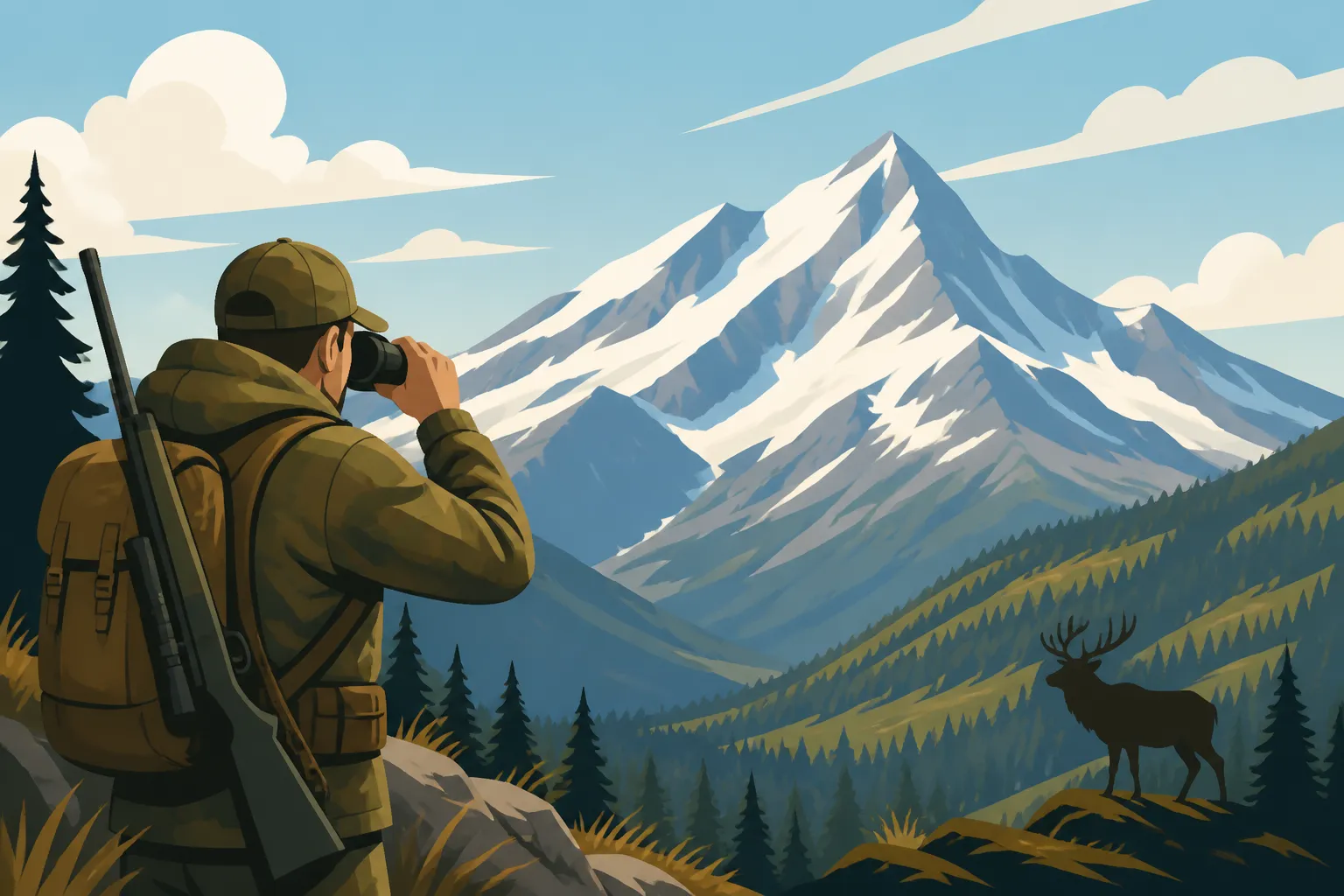
On the eastern side, especially for mule deer and Rocky Mountain elk, spot-and-stalk tactics often come into play. Climbing to high vantage points at first light and using quality binoculars (10×42 or even 15×56 if you're serious about glassing) to meticulously pick apart distant slopes, avalanche chutes, and alpine basins is key. Once an animal is spotted, planning a careful stalk to get within range, often through challenging, broken terrain, is the next step. Wind direction is critical in these more open areas. The sheer scale of the landscape means you might spend days just locating animals before a stalk can even be considered.
Physical Demands and Preparation
Let's be blunt: hunting the Glacier Peak Wilderness is physically grueling. This isn't a hunt for the faint of heart or the unprepared. You'll be gaining significant elevation, traversing uneven terrain, and potentially carrying heavy loads of gear and meat for miles. High altitude can affect those unaccustomed to it, making exertion even harder.
Training needs to reflect this. Long hikes with a heavy pack (simulating a full pack-out), stair climbing, and general cardiovascular fitness are essential. Don't just go for a walk; go for a brutal climb. Being in peak physical condition not only increases your chances of success but, more importantly, enhances your safety and enjoyment. Carrying a heavy rifle, like a typical setup for Rifle Setup for Washington Elk and Deer, on a steep ascent for hours can be exhausting if you're not ready. Good quality footwear, specifically Boots for Washington's Eastside Rock and Westside Mud, is also critical, as is proper layering to cope with the rapid weather changes common in mountain environments.
Essential Gear and Safety Considerations
The unforgiving nature of the Glacier Peak Wilderness demands not only physical preparedness but also the right gear and a solid safety plan. Cutting corners on equipment here can have serious consequences.
Backcountry Equipment List
Your gear list for the Glacier Peak Wilderness needs to prioritize durability, functionality, and weight. Every ounce counts when you're packing everything on your back for multiple days.
- Shelter: A lightweight, robust tent or tarp setup capable of withstanding high winds and heavy rain. Even in late summer, mountain weather can turn nasty.
- Sleeping System: A sleeping bag rated for colder temperatures than you anticipate, paired with a high R-value sleeping pad. Nights can drop well below freezing, even in September.
- Cooking: A compact, reliable backcountry stove and fuel. Fire restrictions are common, so don't plan on a campfire for every meal.
- Navigation: As mentioned, a GPS device or phone with offline maps (like onX Hunt or GoHunt), spare batteries, and a compass and physical map.
- First Aid: A comprehensive first-aid kit, tailored for backcountry injuries and extended stays.
- Water: A reliable water filter or purification tablets. Know your water sources before you go.
- Game Processing: Lightweight game bags, a sharp knife, and a bone saw if you prefer. Consider the gutless method to minimize weight and time.
- Optics: High-quality binoculars are essential, and a spotting scope can be invaluable for the eastern, more open terrain.
- Headlamp: A powerful headlamp with spare batteries. You will be packing out in the dark.
- Pack: A comfortable, high-volume pack with a sturdy frame capable of carrying heavy loads, like an elk quarter.
Safety Protocols and Emergency Planning
Being deep in the wilderness means you are largely on your own. Safety is not just a suggestion; it's a life-or-death matter.
- Leave a Trip Plan: Always, always, always leave a detailed trip plan with someone responsible back home. Include your exact route, expected return date, and emergency contacts. This is your most vital safety net.
- Communication: Cell service is unreliable at best. Consider a satellite messenger device (like an inReach or ZOLEO) for emergency communication. These devices allow you to send texts and trigger an SOS even when out of cell range. Satellite Messengers for Solo Washington Hunts are a wise investment.
- Bear Awareness: Both black bears and cougars inhabit the wilderness. Carry bear spray, know how to use it, and practice proper food storage to avoid attracting animals to your camp. For specific seasons, check Washington Bear and Cougar Seasons.
- Weather Monitoring: Mountain weather is notoriously fickle. Be prepared for rapid changes from sunshine to rain, hail, or snow, even in summer. Watch the forecasts, but be ready for anything.
- First Aid Training: Basic wilderness first aid knowledge can be incredibly helpful. Know how to treat common injuries, hypothermia, and exhaustion.
- Partnership: Whenever possible, hunt with a partner. If you go solo, be even more meticulous with your planning and safety precautions.
Hunting the Glacier Peak Wilderness is an experience that will challenge you, humble you, and reward you unlike almost any other hunt in Washington. It demands respect, preparation, and a deep appreciation for wild places. Good luck out there, and stay safe.
| Access Type | Typical Terrain | Dominant Game Species | Key Challenges | Required Gear Considerations |
|---|---|---|---|---|
| Western | Dense, wet old-growth timber, thick brush | Roosevelt Elk, Blacktail Deer | River crossings, heavy rain, low visibility | Top-tier rain gear, durable boots, quiet fabrics |
| Eastern | Steeper, drier, open alpine, rocky draws | Rocky Mountain Elk, Mule Deer | High elevation gain, sun exposure, water scarcity | Quality optics, sturdy trekking poles, sun protection |
Disclaimer
This article is for general informational purposes only and does not constitute professional advice. Laws, prices and regulations vary by location and change over time. Consult a qualified professional for guidance on your specific situation.