Moose Ticks and Winter Survival
Oh, the deep crunch of snow underfoot in the Selkirks, scanning for that majestic dark shape against the white — there's nothing quite like it. But as hunters and lovers of Washington's wild places, we're all too aware that our incredible moose face some serious challenges. One that often goes unseen, silently weakening these magnificent animals when they need their strength the most, is the relentless burden of moose ticks. It's a heartbreaking situation to witness, seeing a moose that looks like it's been rubbed raw or is simply too lethargic for its own good. This guide is here to shed some light on this growing problem, helping you understand the life cycle of these tiny parasites, their profound impact on moose survival through our tough Washington winters, and what we, as responsible outdoors enthusiasts, can do to help.
The Silent Threat: Understanding Moose Ticks and Their Life Cycle
When we talk about hunting in Washington, we often focus on the thrill of the chase, the landscape, or the gear. But beneath the surface, there are ecological battles being fought daily, and one of the most insidious involves a tiny parasite that can have devastating effects on our largest cervid: the moose tick. It’s not just an annoyance; it’s a genuine threat that impacts the health and long-term survival of Washington's Washington Moose in the Selkirks.
What are Winter Ticks and Why Do They Matter for Moose?
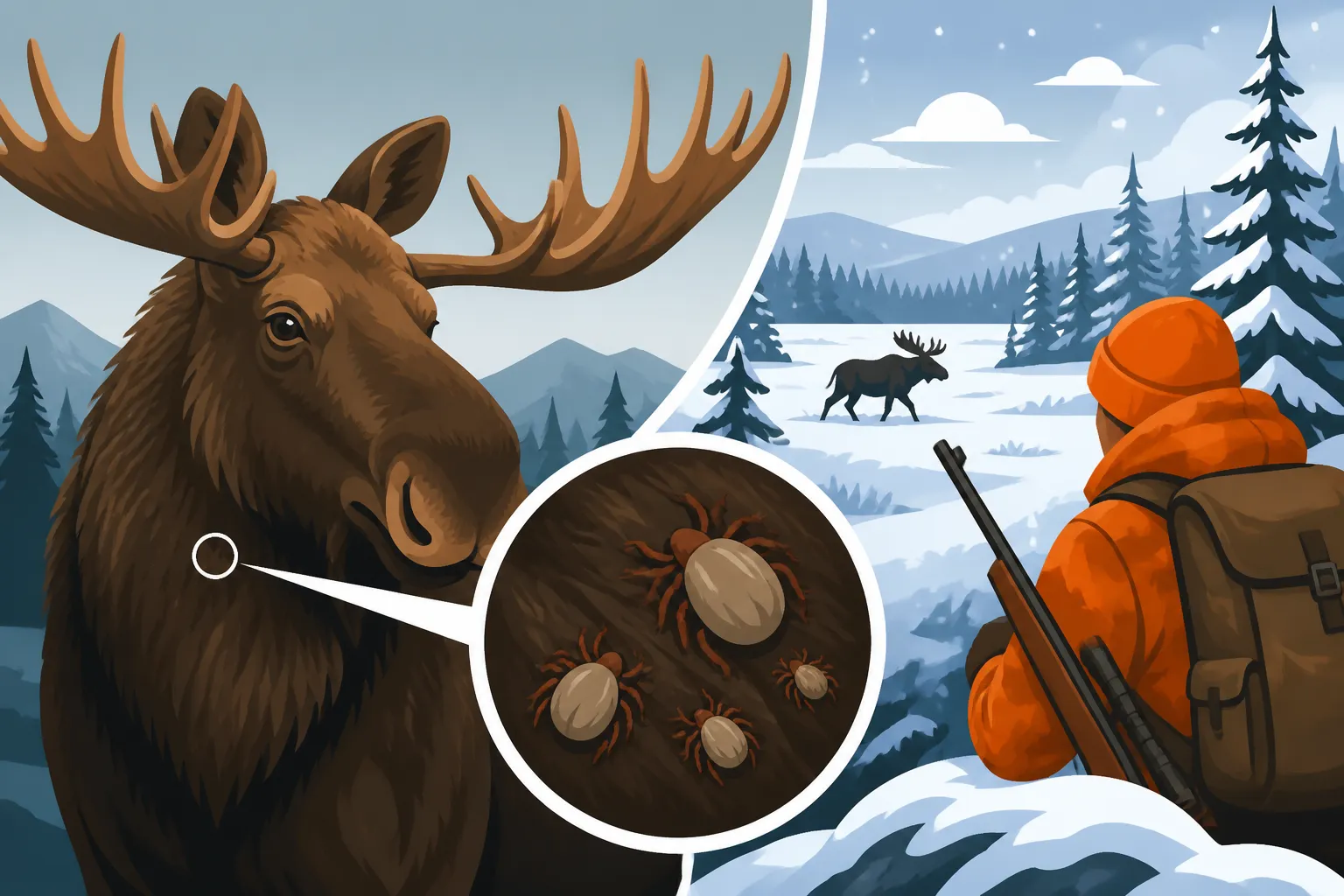
The specific culprit we're discussing here is Dermacentor albipictus, commonly known as the winter tick or moose tick. Unlike many other ticks you might encounter that have multiple hosts throughout their lives, the winter tick is largely a "one-host" tick, meaning it spends its entire parasitic life cycle—from larva to nymph to adult—on a single animal. And in many northern climates, especially where moose populations are dense, that single animal is most often a moose.
These ticks aren't just a few scattered parasites. We're talking about infestations that can number in the tens of thousands on a single moose. Imagine carrying that many tiny, blood-sucking passengers through an entire winter. The scale of the problem is truly staggering. They become active in the fall, crawling onto moose as the animals move through vegetation. They then feed all winter long, maturing through their life stages right there on the moose's hide. This sustained feeding, especially when populations are high, is where the real trouble begins.
The Impact on Moose Health: A Vicious Cycle
The consequences of such a heavy tick burden are profound and can be heartbreaking to observe. The most immediate and critical impact is blood loss. Thousands upon thousands of ticks, each taking its tiny meal, collectively drain a significant amount of blood from the moose over several months. This chronic blood loss leads directly to anemia, which weakens the animal and saps its energy reserves, right when it needs them most to survive the cold and find scarce forage.
Another visible symptom, which often earns these animals the sad moniker "ghost moose," is severe hair loss. The intense irritation from the feeding ticks causes moose to rub and scratch themselves constantly against trees, rocks, and anything they can find. This rubbing wears away their protective winter coat, leaving large patches of bare skin. This isn't just a cosmetic issue; that winter coat is vital insulation against the bitter cold. Without it, moose expend even more energy trying to stay warm, burning through crucial fat reserves. This vulnerability also makes them more susceptible to secondary infections and external parasites.
This creates a vicious cycle: the ticks feed, causing blood loss and irritation. The irritation leads to hair loss, which leads to increased energy expenditure to stay warm. The weakened state makes the moose less capable of foraging efficiently or escaping predators. Calves are particularly vulnerable; their smaller body size and developing immune systems mean they succumb to the combined stresses much more readily, having a significant impact on Moose Population Growth in Washington. It’s a silent, relentless assault that can tip the balance between survival and starvation during the harshest months.
Washington's Moose Population and the Tick Connection
Our moose in Washington are a relatively recent success story, having expanded their range significantly over the past few decades. They are a cherished part of our state's big game. However, even with this growth, the tick issue remains a critical concern, especially as we look to sustain healthy populations for the future.
Where Washington's Moose Live and Thrive or Struggle
While moose sightings are becoming more common in various parts of Washington, the primary stronghold for the state's moose population is the Selkirk Mountains in the northeastern corner of the state. This region, with its dense coniferous forests, wetlands, and ample browse, provides ideal habitat for moose. We see a lot of activity in Pend Oreille and Stevens counties, extending into Ferry and Spokane counties as well. The higher elevations and specific vegetation types found here are key to their survival.
However, even in prime habitat, external factors play a huge role. The specific climate, elevation, and even the type of undergrowth can influence tick populations and their ability to successfully attach to moose. While moose might thrive in these areas thanks to good forage and cover, the presence of winter ticks can put a significant dent in that thriving, turning good habitat into a high-risk zone during certain years. Understanding the boundaries and characteristics of Washington Game Management Units Explained where moose reside is crucial for both hunters and those involved in wildlife management.
How Ticks Exacerbate Winter Challenges for Washington Moose
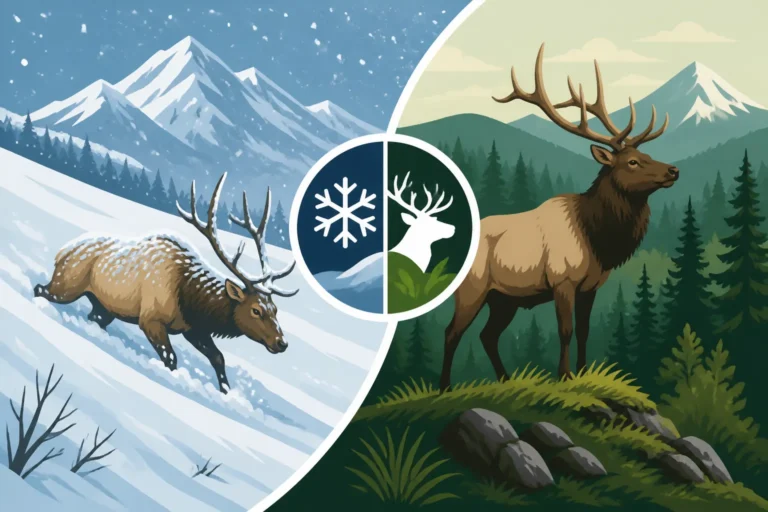
Washington winters, particularly in the Selkirks, can be unforgiving. Deep snow, prolonged cold snaps, and limited forage force moose to conserve energy and rely on their fat reserves built up during the more abundant summer and fall months. This is already a demanding time for any large ungulate. Introduce a heavy load of winter ticks, and those challenges become exponentially harder.
Here's the cruel twist: sometimes, a milder winter doesn't necessarily mean fewer tick problems. If the previous fall and early winter were warm and extended, it can actually allow more tick larvae to successfully hatch and find a host. Then, once they're on the moose, even if the subsequent winter isn't as brutal as others, the cumulative blood loss and constant irritation still take a massive toll. The moose are battling internal parasites while simultaneously trying to stay warm and find food in conditions that, while perhaps not record-breaking, are still inherently tough.
The combined stress of low-quality forage, the effort to move through deep snow, and the relentless drain from thousands of ticks can push an animal past its breaking point. Young moose, particularly calves born the previous spring, are often the first to succumb. Moose Ticks and Winter Survival is not just about the ticks themselves, but how they interact with all the other environmental stressors our moose face. Wildlife agencies like WDFW constantly monitor moose health, and these observations often include assessing tick burdens during population surveys or necropsies of found animals, contributing to Washington Wildlife Disease Surveillance.
Recognizing the Signs and What Hunters Can Do
As hunters and outdoor enthusiasts, we spend a lot of time in the wilderness, often in the very areas where moose reside. This puts us in a unique position to observe and, potentially, help. Being able to recognize the signs of a tick-impacted moose isn't just interesting; it's a critical part of being a responsible steward of our wildlife.
Identifying a Tick-Impacted Moose in the Field
When you're out in the field, perhaps E-Scouting a Washington GMU From Home for your next season or just hiking, keep an eye out for these tell-tale signs:
- Patchy Hair Loss: This is perhaps the most obvious symptom. Look for large areas where the moose's dark coat is missing, replaced by pale, often irritated-looking skin. The hair loss typically starts on the shoulders, neck, and flanks, often looking like the moose has been constantly rubbing. This is why they're often called "ghost moose" – the pale skin showing through gives them a faded, ghostly appearance.
- Excessive Rubbing: You might actually see a moose rubbing itself vigorously against trees, posts, or even the ground. This constant scratching is an attempt to alleviate the intense itch caused by thousands of feeding ticks.
- Pale or Dull Appearance: Beyond the hair loss, a tick-ridden moose might just look unhealthy overall. Their coat, even where present, might be dull and dishevelled. Their skin might appear pale due to anemia.
- Lethargy and Reduced Wariness: Healthy moose are powerful, alert animals. A severely tick-impacted moose, weakened by blood loss and stress, might appear lethargic, slow-moving, or even less wary of human presence than usual. This is a critical indicator that the animal is struggling.
- Emaciation: In severe cases, particularly towards late winter, a moose might appear visibly thin, with ribs or hip bones prominent. This is a sign that the energy demands of staying warm and fighting off ticks have far outstripped its ability to take in sufficient nutrition.
It's important to approach any observation with ethical considerations. If you encounter an animal that appears severely impacted and is clearly suffering, remember your role is to observe and report, not to intervene directly unless it's a specific instruction from WDFW.
Hunter's Role in Monitoring and Management
Hunters are often the eyes and ears of wildlife management agencies, spending more time in remote areas than anyone else. Your observations are incredibly valuable.
- Report Observations: If you see a moose displaying signs of heavy tick infestation, especially severe hair loss or extreme lethargy, report it to the Washington Department of Fish and Wildlife (WDFW). Note the date, time, specific location (GPS coordinates if possible), and a description of the animal and its condition. This data helps WDFW track the spread and severity of the problem.
- Contribute to Data Collection: During hunting seasons, WDFW might have specific requests for hunters harvesting moose. This could include submitting samples (like ear tags or tissue) or providing detailed observations of tick presence and severity on harvested animals. Always check the current hunting regulations pamphlet for any specific reporting requirements or opportunities related to disease monitoring. Remember, even if you don't harvest, Washington Harvest Reporting Requirements are crucial, and if you have an unfilled tag, Reporting an Unfilled Washington Tag is also important.
- Stay Informed: Keep up-to-date with WDFW bulletins and news releases. They often share information about current wildlife health issues and what they're learning from research. Resources like GoHunt can be invaluable for aggregating this kind of WDFW information, helping you stay informed about the latest advisories, regulations, and research findings that impact moose health and hunting opportunities. They can help you sift through the noise and get to the critical details you need for planning.
- Practice Ethical Hunting: If you are fortunate enough to draw a moose permit Washington Moose Permit Numbers, understand that a tick-burdened animal might present a different challenge. Always prioritize a clean, ethical harvest, and be prepared for the possibility of finding an animal that is not in peak physical condition.
Long-Term Outlook: Climate Change and Future Management
The issue of moose ticks and winter survival isn't isolated; it's deeply intertwined with broader environmental changes. Understanding these connections is crucial for looking ahead and thinking about sustainable management.
The Climate Connection: Warmer Winters, More Ticks?
One of the most concerning aspects of the winter tick problem is its link to climate change. Milder, shorter winters and earlier springs can create more favorable conditions for winter ticks to thrive. Here's why:
- Extended Fall Tick Activity: Warmer autumns mean tick larvae have a longer window to emerge from the vegetation and quest for a host. More ticks finding a moose means a higher initial tick burden for the winter.
- Increased Winter Tick Survival: Less severe cold snaps and reduced snow cover can actually improve the survival rates of ticks throughout the winter, meaning more of them survive to feed and mature on their moose host.
- Earlier Spring Drop-Off: A warmer spring can also mean ticks drop off earlier to lay eggs. While this might seem good for the moose, if it happens consistently, it means more generations of ticks can complete their cycle successfully over the long term, leading to an increasing baseline population.
These climatic shifts could potentially exacerbate the problem for Washington's moose, especially as their range is already on the southern edge for some populations. The increasing frequency of less severe winters could mean a perpetual cycle of heavy tick loads, putting chronic stress on the population.
Management Strategies and Research Efforts
Addressing a widespread ecological challenge like moose ticks is incredibly complex, as you can imagine. There's no easy "spray and pray" solution when dealing with wild, free-ranging animals across vast landscapes. However, WDFW and other conservation partners are actively engaged in monitoring and research efforts.
- Population Monitoring: Continuous monitoring of moose populations is essential to understand trends in numbers, health, and calf survival. This data, often informed by hunter reports and aerial surveys, helps identify areas where tick impacts might be most severe.
- Habitat Management: Improving habitat quality can help moose build better body condition, making them more resilient to tick infestations. This might involve forestry practices that promote ideal browse or protecting critical winter range.
- Research into Tick Dynamics: Scientists are constantly researching the specific environmental factors that influence tick populations, their interaction with moose behavior and physiology, and potential ways to mitigate their impact. Understanding these complex dynamics is the first step toward effective long-term solutions. You can often find updates on these research projects by checking WDFW’s website or by following outdoor news sources like GoHunt, which often covers scientific findings and their implications for hunters and wildlife.
- Hunter Participation: As mentioned, hunters play a crucial role in providing valuable field observations and samples. By participating in surveys or reporting sick animals, you directly contribute to the scientific understanding needed to manage this issue. The discussions at Washington Fish and Wildlife Commission Rule Meetings often touch on these very issues, and hunters are encouraged to engage and provide input by Commenting on a Washington Hunting Rule.
The reality is that living with nature often means facing these kinds of complex challenges. The goal isn't necessarily to eradicate moose ticks entirely – that's likely impossible and probably undesirable from an ecological perspective – but rather to understand how to manage populations and landscapes to foster resilient moose herds that can better withstand these natural stressors. It's a long game, one that requires patience, observation, and dedicated effort from everyone who cares about Washington's wildlife.
| Observation | Healthy Moose | Tick-Impacted Moose |
|---|---|---|
| Coat Appearance | Dark, dense, glossy winter coat, uniform color. | Patchy hair loss, often starting on shoulders/neck, pale skin showing through, ragged. |
| Behavior | Alert, active, wary of humans, moves purposefully. | Lethargic, slow-moving, less wary, excessive rubbing against objects. |
| Body Condition | Well-muscled, good fat reserves (especially in winter). | May appear thin, ribs/hip bones prominent, overall emaciated. |
| Energy Level | High for conditions, can navigate deep snow. | Reduced, struggles in deep snow, rests frequently. |
| Skin beneath hair | Healthy, dark skin. | Pale, irritated, raw, or scarred skin in patches. |
Disclaimer
This article is for general informational purposes only and does not constitute professional advice. Laws, prices and regulations vary by location and change over time. Consult a qualified professional for guidance on your specific situation.