California Bighorn Numbers in Washington
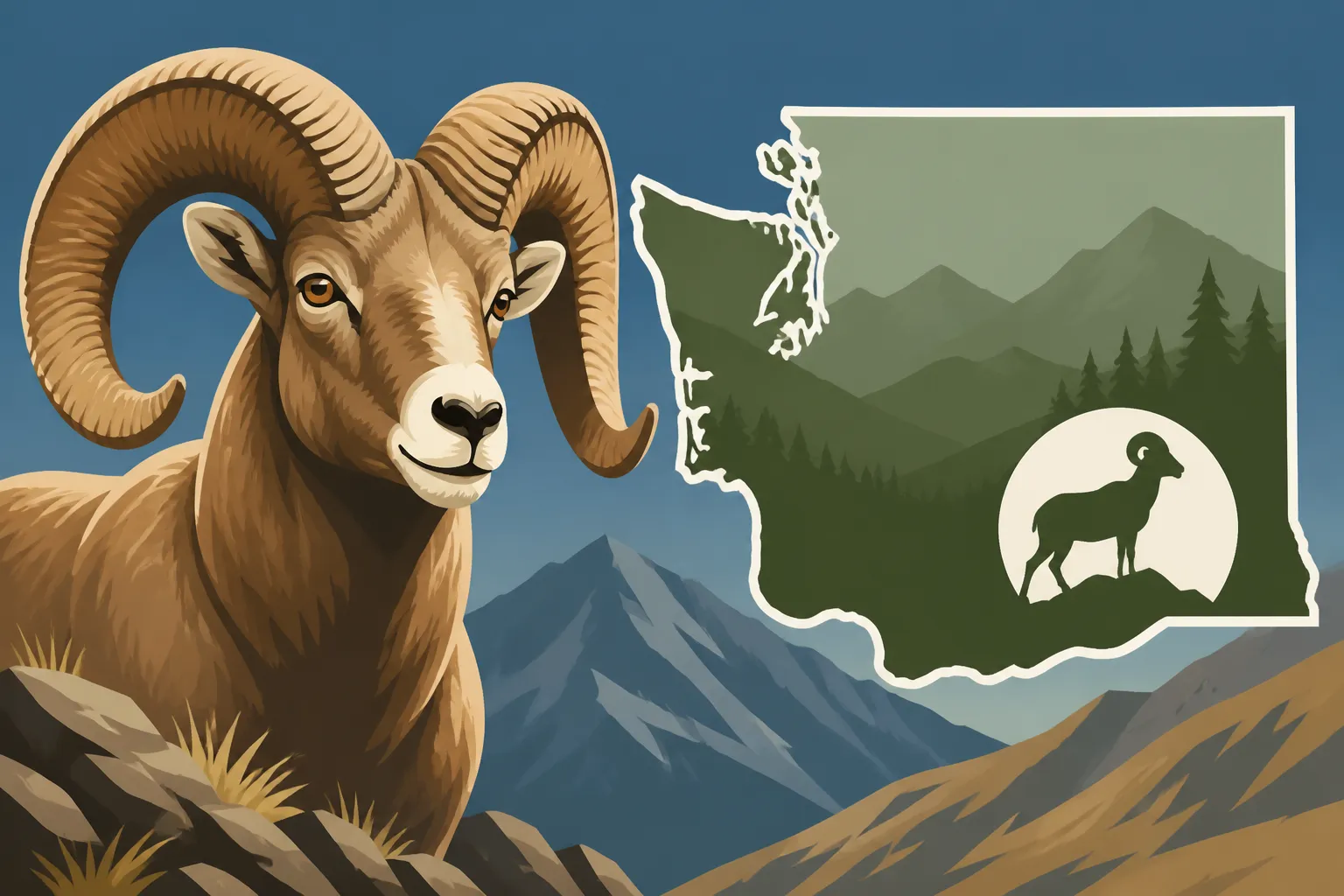
For those of us who spend our lives chasing big game in Washington, there's a certain mystique surrounding bighorn sheep. These incredible animals, particularly the California bighorns that grace our landscape, are often seen as the ultimate trophy, not just for their impressive horns, but for the sheer challenge of finding and hunting them. But beyond the hunt, understanding their populations – how many there are, where they live, and what challenges they face – is crucial for anyone who cares about wildlife. This guide will take a deep dive into the numbers and dynamics of California bighorn sheep in Washington, shedding light on their past, present, and future in our wild places.
The Allure and Scarcity of Washington's Bighorn Sheep
There's something inherently captivating about a bighorn sheep, standing sentinel on a windswept cliff face, seemingly defying gravity. For hunters and wildlife enthusiasts alike, the sight of a California bighorn in Washington's rugged terrain is a rare and cherished experience. These animals represent a wildness that is increasingly precious, and their populations, while a testament to dedicated conservation, remain relatively small compared to other big game species.
A Brief History of Bighorns in Washington
Before European settlement, bighorn sheep, including both Rocky Mountain and California subspecies, were far more widespread across Washington. They roamed the arid canyons of the Columbia Basin, the eastern slopes of the Cascades, and even parts of the Olympic Mountains. Historical accounts speak of their abundance, but that changed dramatically with westward expansion. Market hunting, habitat loss, and perhaps most devastatingly, diseases introduced by domestic livestock decimated their numbers. By the early 20th century, bighorns were virtually extirpated from much of their historic range in Washington, a heartbreaking decline for such an iconic species.
The turnaround began mid-century with dedicated reintroduction efforts. Animals were brought from other states and released into suitable habitats, primarily in areas that offered the steep, open terrain bighorns need to thrive and escape predators. These reintroductions were often fraught with challenges, from adapting to new environments to battling disease outbreaks. It's a long, ongoing story of trial and error, but one that has slowly, painstakingly, brought bighorns back to parts of Washington.
Why Counting Bighorns is a Tough Task
If you've ever tried to spot a bighorn sheep from a distance, you know they're masters of camouflage and elevation. This natural elusiveness, combined with the incredibly rugged and remote habitats they prefer, makes accurate population counts an immense challenge for wildlife biologists. The sheer logistics involved are staggering; imagine attempting to survey sheep spread across miles of steep, rocky, often roadless terrain.
Wildlife agencies like the Washington Department of Fish and Wildlife (WDFW) rely on a combination of methods to estimate bighorn numbers. These often include aerial surveys conducted from helicopters or fixed-wing aircraft, especially during winter months when sheep are more concentrated and visible against snow. Ground surveys, involving dedicated teams scouring known bighorn ranges, also play a vital role. In some cases, remote cameras and radio telemetry from collared animals provide additional data points. However, even with these sophisticated methods, the numbers are always estimates, and there's a built-in understanding that these populations are dynamic and can fluctuate based on a myriad of environmental factors.
Understanding California Bighorn Population Trends
When we talk about California bighorn numbers in Washington, it's not a single, monolithic figure. Instead, we're looking at various distinct herds, each with its own unique challenges and successes. These herds are often geographically isolated, meaning what impacts one herd might not immediately affect another. Understanding these individual stories gives us a clearer picture of the overall population trend.
Key California Bighorn Herds and Their Status
Washington is home to several distinct California bighorn herds, primarily found in the eastern part of the state. One of the more well-known is the Yakima Canyon herd, which roams the rugged basalt cliffs and sagebrush slopes along the Yakima River. This herd has been a cornerstone of bighorn recovery efforts, often serving as a source for translocations to establish new herds or bolster existing ones. Another important population resides in the Colockum Wildlife Area, where the sheep navigate complex terrain, facing the unique pressures of habitat shared with elk and other species. Further north, the Asotin Creek and Hell's Canyon areas also hold significant California bighorn populations, often straddling the state line with Idaho and Oregon, making cross-state management a critical component of their success.
Each of these herds experiences its own ups and downs. Some years bring good lamb recruitment and herd growth, while others are marked by disease outbreaks or harsh winters that can significantly reduce numbers. When you're researching potential hunting units or just trying to understand the species, resources like those found on GoHunt can be invaluable for breaking down specific herd data and trends, offering insights that go beyond general population figures.
Factors Influencing Herd Health and Numbers
Bighorn sheep face a relentless gauntlet of challenges that can dictate their population health and overall numbers. Disease is arguably the single greatest threat. Pneumonia, often caused by bacteria transmitted from domestic sheep, has repeatedly devastated bighorn herds. The article Bighorn Pneumonia Die-Offs in Washington delves deeper into this issue, but suffice it to say, a single outbreak can wipe out a significant portion of a herd, particularly impacting lambs and juveniles. This reality means that even a healthy, growing herd can be set back years by a single pathogen.
Beyond disease, habitat availability and quality are crucial. Bighorns need steep, open terrain for escape, but also access to quality forage and water. Habitat fragmentation from development or overgrazing can limit their range and impact their ability to find resources or avoid predators. Predation, primarily from cougars and sometimes coyotes, also plays a role, especially on lambs. While a natural part of the ecosystem, intense predation in already small or struggling herds can be a significant limiting factor. Furthermore, harsh winters with deep snow can make foraging difficult, leading to starvation and reduced reproductive success in subsequent years. It's a delicate balance, and any shift in these factors can have a ripple effect on bighorn numbers.
The Role of Conservation and Management in Bighorn Recovery
The fact that we have California bighorn sheep in Washington at all is a testament to decades of intensive conservation and management efforts. Without these proactive measures, it's highly likely this majestic animal would have vanished from our state entirely. It's a collaborative effort involving state agencies, federal partners, private landowners, and even hunters.
WDFW's Efforts and Management Strategies
The Washington Department of Fish and Wildlife (WDFW) is at the forefront of bighorn sheep management. Their strategies are multifaceted, aiming to protect existing herds, facilitate growth, and establish new populations. One key area is disease management, which includes monitoring for pathogens, research into disease resistance, and critically, working to maintain separation between wild bighorns and domestic sheep to prevent disease transmission. This is a complex and often controversial aspect of bighorn conservation, as explored in articles like Why Domestic Sheep Threaten Bighorns.
Habitat improvement projects are another vital component. This can involve prescribed burns to enhance forage quality, removing encroaching vegetation, or developing new water sources in arid regions. WDFW biologists also conduct regular surveys to monitor herd health, recruitment rates, and overall population trends, using this data to make informed management decisions. Translocation, moving bighorns from healthy, established herds to new or struggling areas, is a powerful tool for reintroducing the species to historical ranges and bolstering genetic diversity. Each year, they publish the results of these efforts and the outlook for various herds, which dedicated hunters often pore over, sometimes even through resources like the detailed maps and data offered by GoHunt.
How Hunters Contribute to Bighorn Conservation
It might seem counterintuitive to some, but hunters play an absolutely essential role in bighorn sheep conservation. The revenue generated from hunting licenses and tags, particularly for species with highly coveted special permits like bighorns, directly funds WDFW's wildlife management efforts. When someone applies for a Washington Special Hunt Permits and How to Apply, a portion of that fee goes directly back into conservation. This funding isn't just for bighorns; it supports habitat work, disease monitoring, and research for a wide array of wildlife species across the state.
Beyond financial contributions, hunters are often the "eyes and ears" on the ground. Ethical hunters who spend time in bighorn country are often the first to report unusual animal behavior, potential disease symptoms, or illegal activity. The data collected from successful hunts, such as horn measurements and biological samples, also provides valuable information to biologists about herd health and demographics. Participating in the permit draw, even if you never tag a sheep, is a direct way to contribute to the future of these incredible animals. It's a commitment to the species, not just the pursuit.
Navigating the Permit Process for a Chance at a Bighorn
The dream of drawing a bighorn sheep permit in Washington is shared by countless hunters. It's truly a once-in-a-lifetime opportunity, and the rarity of these permits reflects the relatively small, carefully managed populations of bighorns in the state. Understanding the permit process is crucial for anyone hoping to beat the long odds.
The Rarity of Bighorn Permits
Let's be blunt: drawing a bighorn sheep permit in Washington is extremely difficult. These are not general season tags you can buy over the counter. Instead, they are highly sought-after Washington Bighorn Sheep Permits awarded through a special lottery draw. The number of permits issued each year is incredibly small, often in the single digits statewide, for both Rocky Mountain and California bighorn sheep combined. This scarcity is a direct reflection of the conservation-minded approach to managing these vulnerable populations. Each permit is carefully allocated to ensure that harvest levels are sustainable and do not negatively impact herd health or growth.
The draw system in Washington is a true random draw, meaning there are Washington's Random Draw and No Preference Points. This means every applicant, whether it's their first time applying or their thirtieth, theoretically has an equal chance each year, which can be both exciting and frustrating. It underscores the "once-in-a-lifetime" nature of these tags; if you draw a bighorn permit, you are generally not eligible to draw another for that species in Washington again. This rule ensures that as many different hunters as possible have a shot at this unique experience.
Researching Units and Applying Wisely
Even with the long odds, smart planning can make a difference. The first step is to diligently research the available hunting units (GMUs) where bighorn permits are offered. WDFW publishes a hunting pamphlet each year that details the specific units open, the number of permits, and any special regulations. Websites like GoHunt provide excellent filtering tools and historical draw odds that can help you understand which units, if any, might offer slightly better chances or better quality animals based on past performance. Look for data on herd health, population estimates, and success rates within those units.
When the application window opens, typically around Washington's April 20 to May 27 Application Window, you'll need to submit your choices carefully. While you usually get multiple choices on your application for special permits, for a species as rare as bighorn, you'll want to focus your top choices on the units you've researched most thoroughly. Don't forget that these applications often require a non-refundable fee. It's a gamble, but one that contributes to the very species you hope to pursue. Even if you don't draw, you're directly supporting the long-term health of Washington's bighorn sheep. If you're looking for other ways to contribute, consider purchasing Washington Raffle Permits for Moose, Sheep and Goat to support conservation and get an extra chance at a coveted tag.
| California Bighorn Herd | General Location (Eastside) | Key Habitat Characteristics | Primary Threats | Permit Availability (General) |
|---|---|---|---|---|
| Yakima Canyon | Yakima River Canyon | Steep basalt cliffs, sagebrush, open slopes | Disease, limited expansion | Very Limited |
| Colockum | Colockum Wildlife Area | Rugged hills, canyons, timbered slopes | Disease, habitat overlap | Very Limited |
| Asotin Creek | Blue Mountains Foothills | Steep canyons, grasslands, border areas | Disease, predation | Very Limited |
| Hell's Canyon | SE Washington/ID Border | Deep canyons, rocky terrain, wilderness | Disease, remoteness | Very Limited |
Disclaimer
This article is for general informational purposes only and does not constitute professional advice. Laws, prices and regulations vary by location and change over time. Consult a qualified professional for guidance on your specific situation.