Sighting In and Zero Distances
Rifle zero distances and grouping consistency help Washington hunters prepare for deer and elk shots across diverse landscapes.
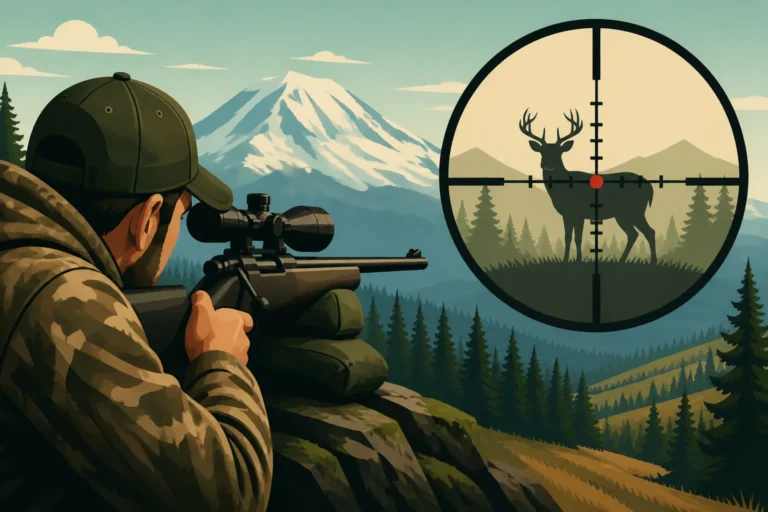
Rifle zero distances and grouping consistency help Washington hunters prepare for deer and elk shots across diverse landscapes.
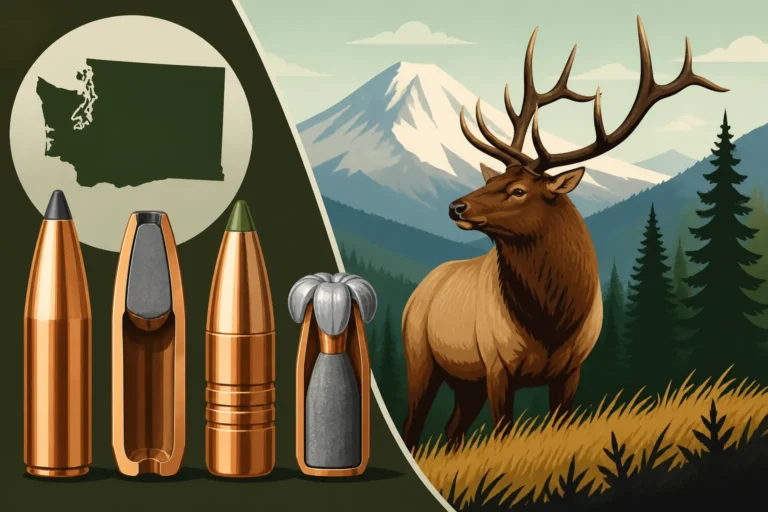
Bullet weight and construction for elk hunting determine penetration and ethical harvests for Roosevelt and Rocky Mountain elk populations.
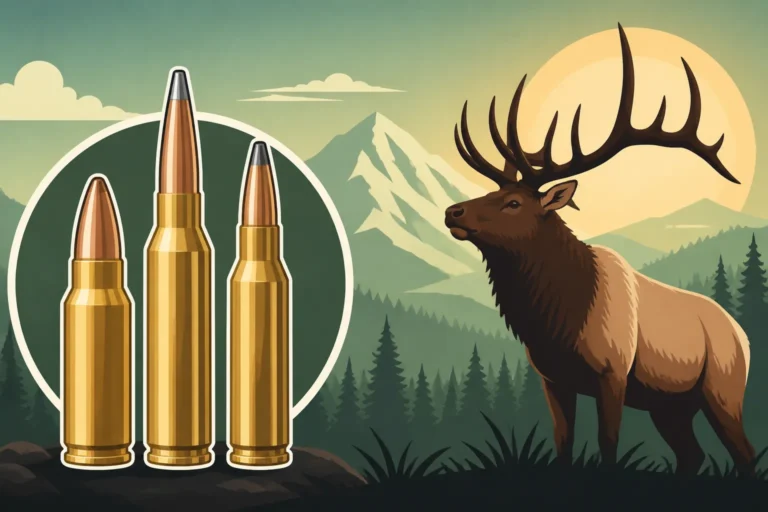
Washington elk cartridge choices for dense timber and open canyons, explaining distances from 30 to 400 yards for ethical kills.
Washington big game hunting regulations require a minimum rifle caliber of .24 for deer and elk, with an exception for cougars.
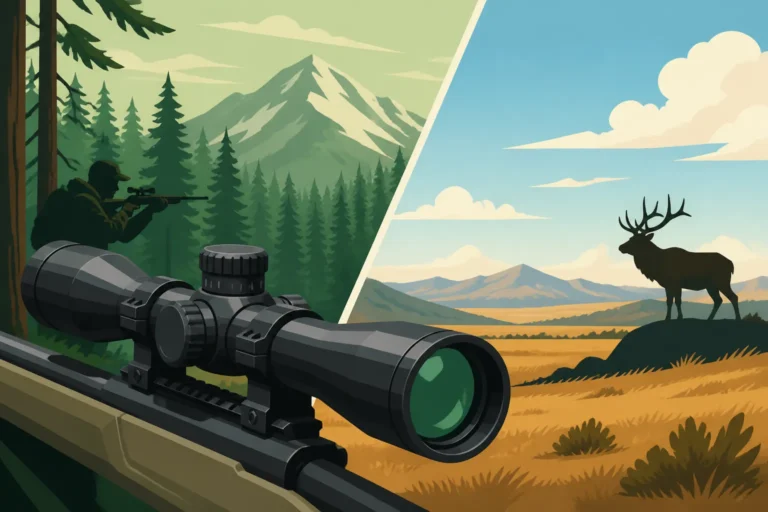
Washington riflescope selection for dense timber and open country hunting environments helps hunters target elk and deer.
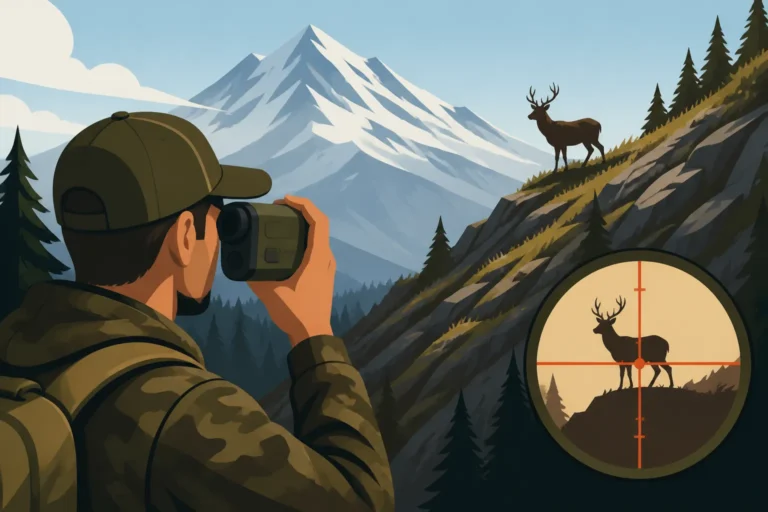
Rangefinders for steep Washington terrain help hunters calculate distance accurately during uphill or downhill shots at mule deer.
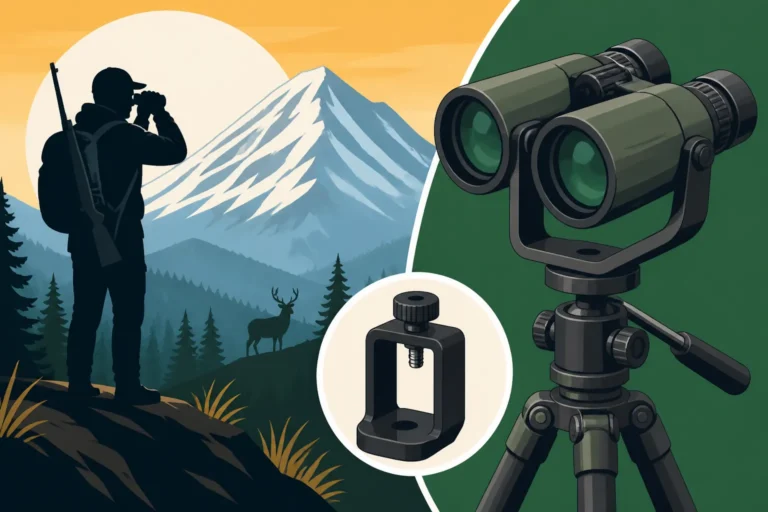
Tripods and binocular adapters reduce muscle fatigue and provide rock-solid stability to spot game across Washington terrain.
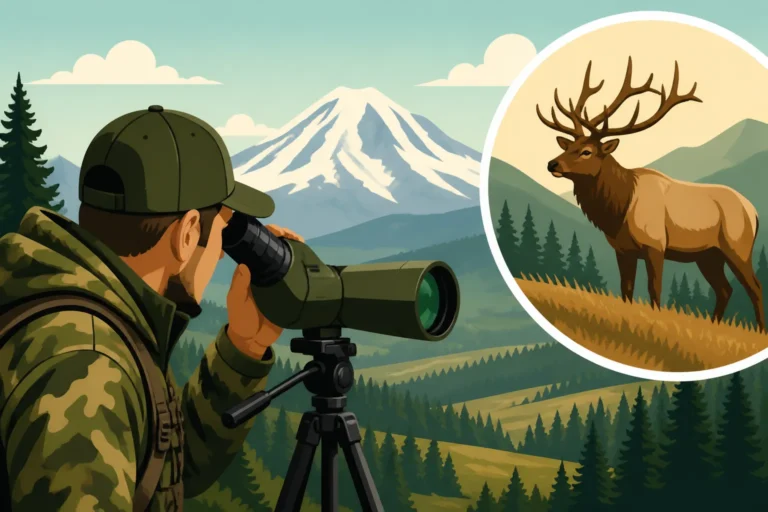
Washington hunters use spotting scopes to identify distant game, count antler points, and confirm legal requirements before stalking.
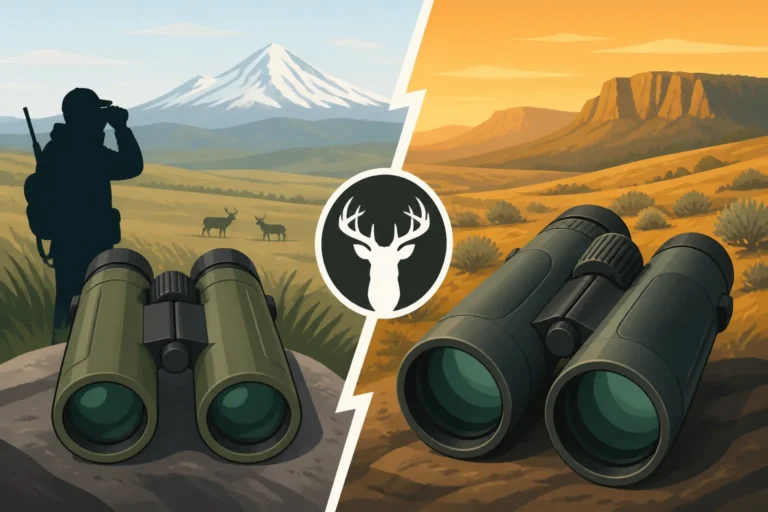
Binocular comparison for Washington hunters explains magnification and objective lens differences for open country and timber.
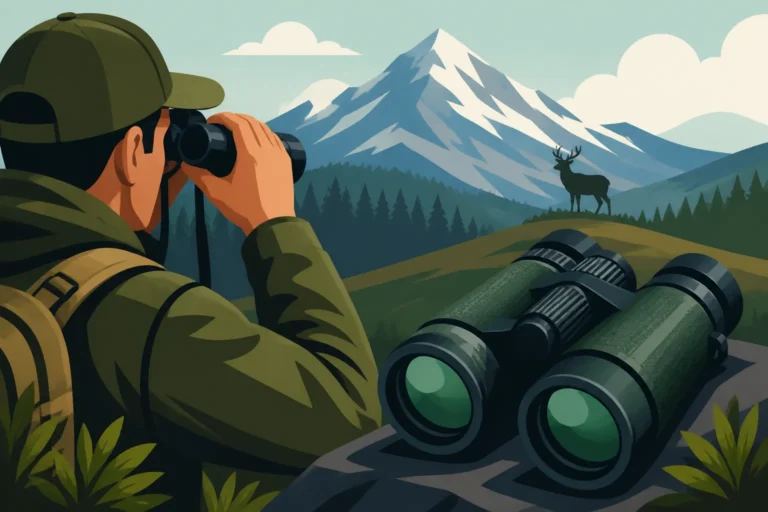
Binoculars for Washington hunting require matching magnification and objective lens size to specific terrain and timber conditions.